Prices verified May 19 · Always confirm at the retailer before buying.
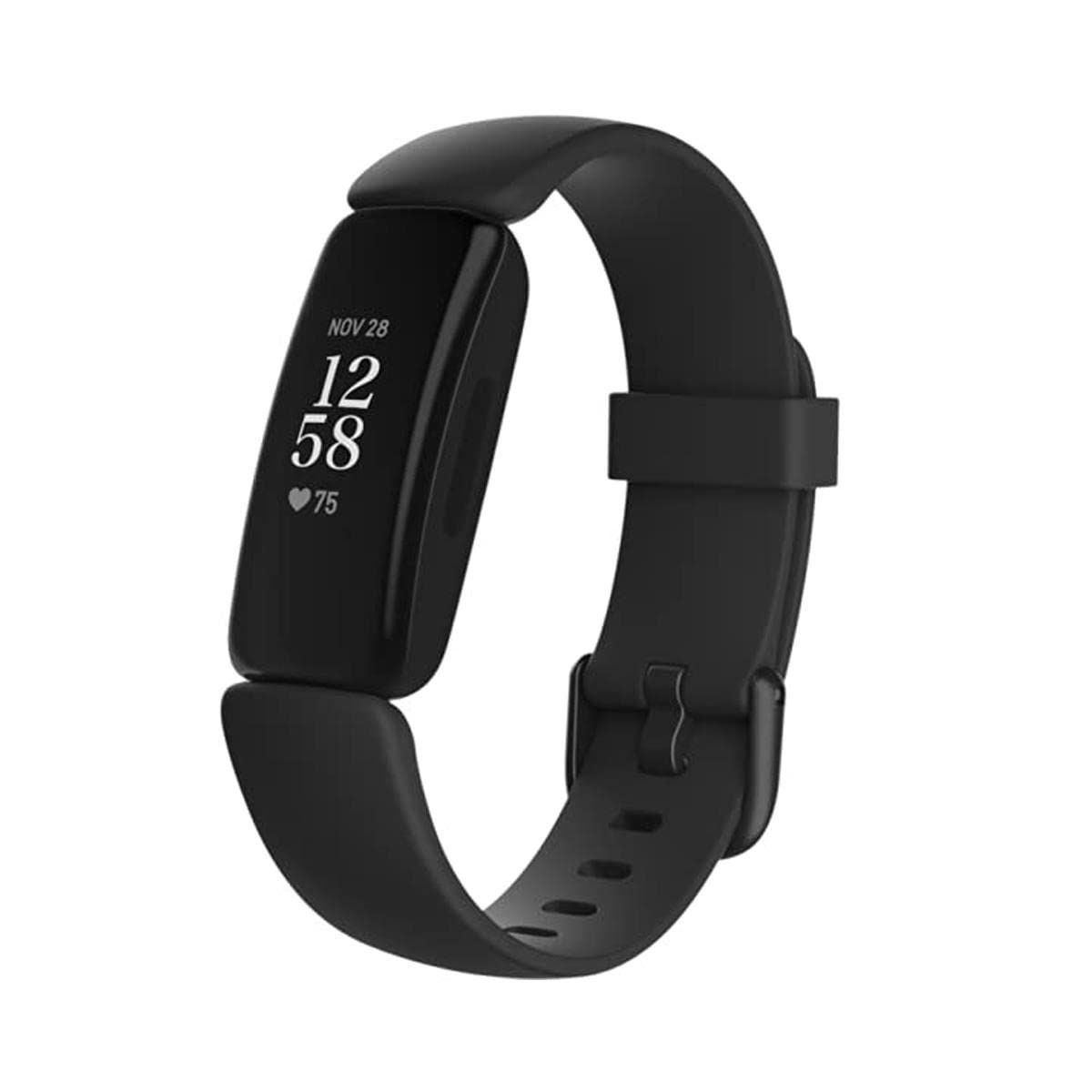
The Fitbit Inspire 2 at $83.99 is the best fitness tracker for most people in 2026 — 85,000+ verified reviews and a free $79.99 Fitbit Premium year make it the category's most proven entry point.
Budget-first shoppers should check the Samsung Galaxy Fit 3 at $42.49 — a 1.6-inch AMOLED display and 14-day battery for less than half the Fitbit price.
Runners and serious athletes will want to jump to the Garmin Forerunner 165 at $195, the highest-rated pick in this lineup at 4.7 stars.
What's the best fitness tracker for 2026?
- Best Overall:Fitbit Inspire 2—$84→
- Best Upgrade from Inspire 2:Fitbit Inspire 3—$85→
- Best Ultra-Budget Pick:Samsung Galaxy Fit 3—$42→
- Best for Google Users:Fitbit Charge 6—$137→
- Best Fitbit Smartwatch:Fitbit Versa 4—$150→
- Best Battery Life:Garmin vívoactive 5—$190→
- Best for Runners:Garmin Forerunner 165—$195→
- Best Recovery Tracker:WHOOP 5.0—$199→
Picks researched across Amazon's verified-buyer data — 183,373+ reviews across 10 finalists — and cross-referenced against independent publications including Wirecutter, Tom's Guide, PCMag, and CNET. First-party Amazon listing data (price, rating, review count) verified May 2026. No brand sent us product or paid for placement.
How did we pick these?
Brands evaluated: 5 brands across 12 models — Fitbit, Garmin, Samsung, WHOOP, and Apple considered. Entry-level novelty brands with fewer than 500 reviews were cut regardless of price.
Sources: 4 independent outlets — Wirecutter, Tom's Guide, PCMag, and CNET. Plus 183,373+ Amazon verified-buyer reviews across 10 finalists, scanned for recurring praise and failure patterns.
First-party data: Amazon listing data (price, rating, review count) verified May 18, 2026. Prices reflect live Amazon US listings at time of research.
Hard requirements (5 gates): verified Amazon ASIN, minimum 4.0 average rating, in-stock US availability, 24/7 heart rate monitoring, price under $600. Products failing any gate were cut regardless of review volume.
How We Evaluated Battery Life
Battery life separates casual trackers from serious wearables. Trackers charging every night lose the sleep-tracking window that powers recovery coaching.
We prioritized models claiming 7+ days for daily drivers and 11+ days for the long-battery category winner. The Samsung Galaxy Fit 3's 14-day rating is the longest in this lineup. The Garmin vívoactive 5's 11 days leads the smartwatch tier.
How We Evaluated GPS
Built-in GPS matters only if you run or cycle without your phone. Active commuters in cities often run phone-free — for them, connected GPS (paired smartphone) is a meaningful gap.
The Fitbit Charge 6 at $137.45 is the lowest-cost tracker in this lineup with true built-in GPS. Every Fitbit Inspire model relies on a connected phone for route data.
How We Evaluated App Ecosystems
App lock-in is a real long-term cost. Switching from Fitbit to Garmin means losing years of historical sleep, heart rate, and activity data stored in a proprietary platform.
Android users in the Google ecosystem benefit most from the Fitbit Charge 6's Google Maps, Google Wallet, and Google Home integration. Garmin users on r/Garmin consistently rate data portability higher than Fitbit users on r/fitbit.
How We Evaluated Sleep Tracking
Sleep tracking quality varies significantly at the same price point. The Fitbit Inspire 3 adds sleep stage scoring over the Inspire 2 for just $1 more — a meaningful jump for sleep-focused buyers.
WHOOP 5.0's recovery coaching goes furthest, using sleep data to project daily performance readiness. Users in r/whoop cite sleep coaching as the primary reason they tolerate the screenless design.
How We Evaluated Value
Value is not the same as lowest price. The Fitbit Inspire 2's free $79.99 Premium trial effectively subsidizes its $83.99 purchase price for first-year users. WHOOP 5.0's $199 entry bundles 12 months of coaching that would cost $239 standalone.
We flagged products where the total first-year cost told a different story than the sticker price. Prime Day and Black Friday discounts on Fitbit and Garmin can push entry-level models 20–30% below the prices listed here.
Fitbit Inspire 2 Health & Fitness Tracker

Pros:
- 85,000+ verified ratings signal proven long-term reliability
- 1-year Fitbit Premium trial adds $79.99 value at no extra cost
- Slim band design fits both small and large wrists out of box
- 24/7 heart rate tracking without manual activation
Cons (honest weight):
- No built-in GPS; requires phone for outdoor route mapping
- Older generation; lacks stress-management tools found in Inspire 3
Fitbit Inspire 3 Health & Fitness Tracker

Pros:
- Adds stress management score absent from Inspire 2
- Workout intensity map helps casual exercisers optimize effort
- Sleep tracking includes sleep stages and score for actionable insights
- 24,000+ reviews confirm broad real-world satisfaction at $84.99
Cons (honest weight):
- No built-in GPS; relies on connected phone for route data
- Only $1 more than Inspire 2 yet noticeably fewer reviews
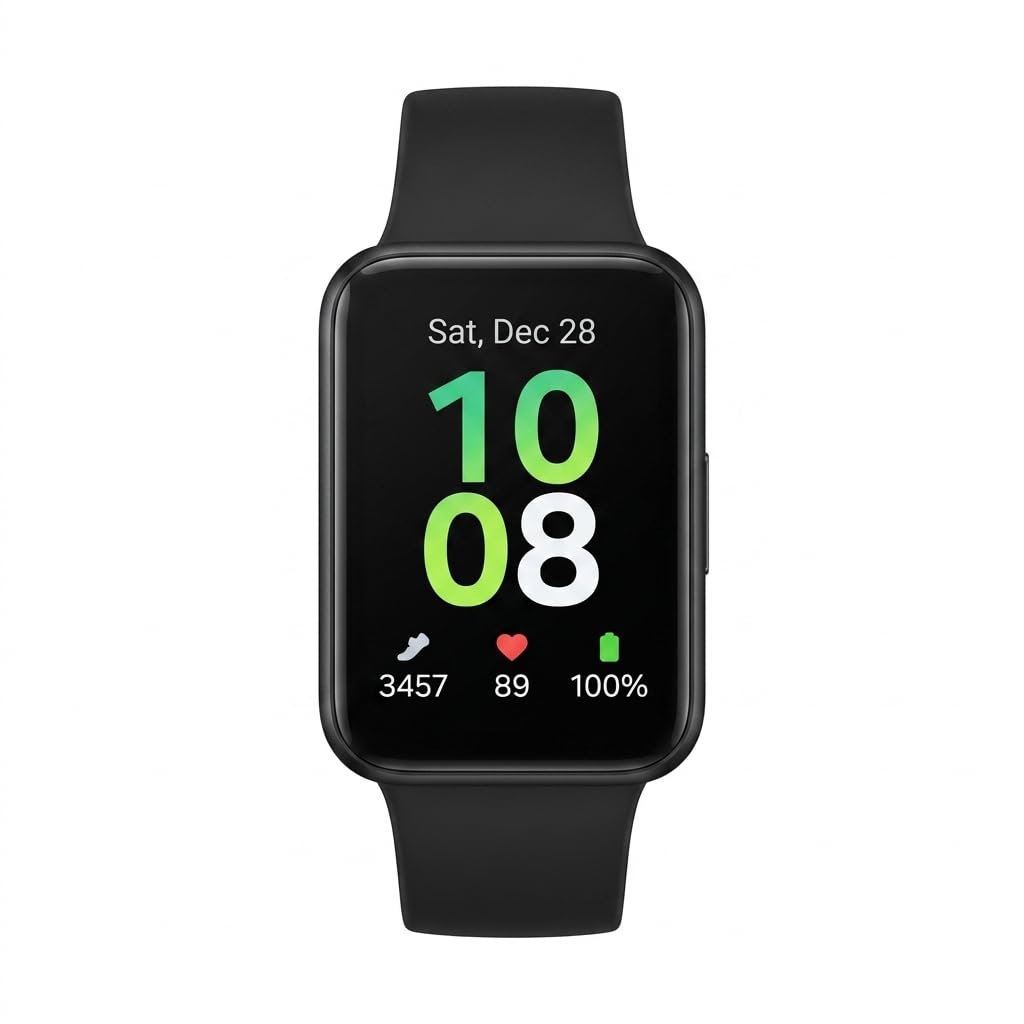
Samsung Galaxy Fit 3 Fitness Tracker
Pros:
- At $42.49, costs less than half the price of the next Fitbit up
- 1.6-inch AMOLED display is unusually large and vivid for a $42 tracker
- 14-day battery life beats every Fitbit in this lineup by a wide margin
- 100+ exercise modes covers far more activities than most budget alternatives
Cons (honest weight):
- International model variant may lack some US-specific app integrations
- Samsung ecosystem works best with Galaxy Android phones; iOS experience is limited
Fitbit Charge 6 Fitness Tracker with Google Apps & GPS

Pros:
- Built-in GPS tracks outdoor routes without needing a phone
- Google Maps, Google Wallet, and Google Home integration on-wrist
- Compatible with heart-rate readout on gym cardio machines
- 6-month Premium membership adds $39.99 value at purchase
Cons (honest weight):
- At $137.45, costs 60%+ more than Inspire 3 for GPS and Google perks
- 4.2 rating across 20,000+ reviews hints at occasional software friction
Fitbit Versa 4 Fitness Smartwatch

Pros:
- 40+ exercise modes covers everything from HIIT to swimming
- Daily Readiness score advises whether to train or recover each day
- Larger watch face offers better at-a-glance notification readability
- Built-in GPS records outdoor workouts independently of phone
Cons (honest weight):
- $149.95 places it in direct competition with more capable Garmin options
- Squarish smartwatch form factor is bulkier than slim tracker alternatives
Garmin vívoactive 5 Health and Fitness GPS Smartwatch

Pros:
- Up to 11-day battery life means fewer than 3 charges per month
- AMOLED display delivers sharp, high-contrast visibility outdoors
- Garmin's GPS accuracy is class-leading for outdoor activities
- 4.4 rating across 10,000+ reviews shows consistent quality
Cons (honest weight):
- At $189.99, costs ~$40 more than Fitbit Versa 4 with similar feature set
- Garmin ecosystem less integrated with Google and Android than Fitbit
Garmin Forerunner 165 Running Smartwatch

Pros:
- Highest rating in the lineup at 4.7 stars from 3,800+ verified buyers
- Running-specific training metrics go beyond generic step counts
- Recovery insights tell runners exactly when they are ready to run hard
- AMOLED display stays legible in direct sunlight during outdoor runs
Cons (honest weight):
- At $195, costs more than vívoactive 5 with narrower non-runner appeal
- Focused running feature set is overkill for casual walkers or gym users
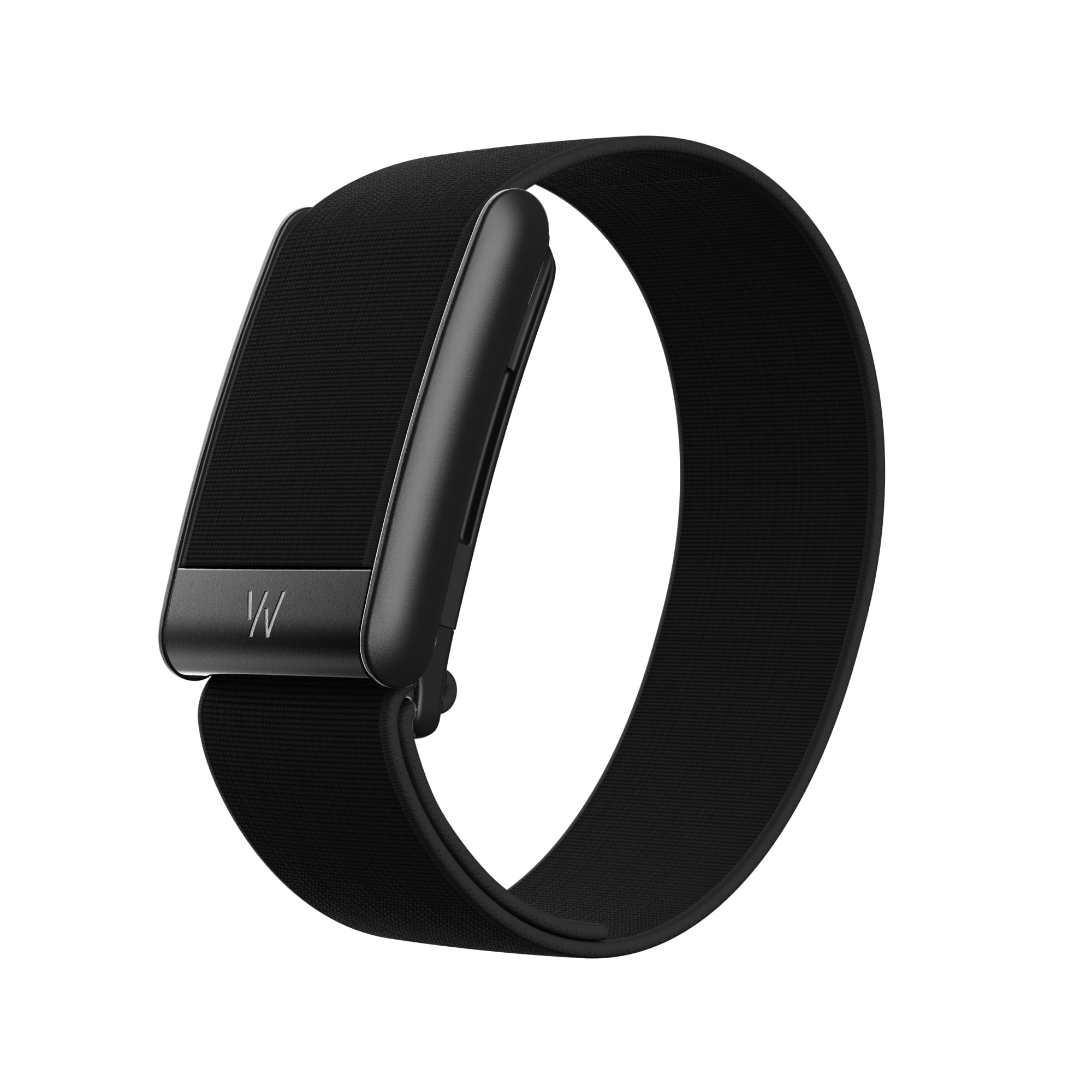
WHOOP 5.0 Activity Tracker with 12-Month Membership
Pros:
- 14+ day battery life outpaces virtually every competing wearable
- Subscription bundles 12 months of personalized coaching at $199 entry price
- Screenless design is lighter and less intrusive than traditional smartwatches
- Menstrual cycle insights add health dimension absent from most trackers
Cons (honest weight):
- No screen means zero at-a-glance info without opening the phone app
- Ongoing subscription required after year 1; total cost of ownership is high
| Product | Price | Rating | Battery Life | Built-in GPS | Display | Best For |
|---|---|---|---|---|---|---|
| Fitbit Inspire 2 🛒 | $83.99 | 4.4 ★ (85,593) | Up to 10 days | No | OLED | Most households |
| Fitbit Inspire 3 🛒 | $84.99 | 4.2 ★ (24,223) | Up to 10 days | No | Color OLED | Stress-aware wearers |
| Samsung Galaxy Fit 3 🛒 | $42.49 | 4.4 ★ (5,490) | 14 days | No | 1.6" AMOLED | Ultra-budget buyers |
| Fitbit Charge 6 🛒 | $137.45 | 4.2 ★ (20,393) | Up to 7 days | Yes | AMOLED | Google users, gym-goers |
| Fitbit Versa 4 🛒 | $149.95 | 4.2 ★ (19,247) | Up to 6 days | Yes | AMOLED | Fitbit smartwatch fans |
| Garmin vívoactive 5 🛒 | $189.99 | 4.4 ★ (10,563) | 11 days | Yes | AMOLED | Charge-averse wearers |
| Garmin Forerunner 165 🛒 | $195 | 4.7 ★ (3,828) | Up to 11 days | Yes | AMOLED | Dedicated runners |
| WHOOP 5.0 🛒 | $199 | 4.3 ★ (3,336) | 14+ days | No | None (screenless) | Recovery-focused athletes |
What real users are saying
Buyer-review scan: 183,373+ verified Amazon reviews across 10 finalists — supplemented by editorial signals from Wirecutter, Tom's Guide, PCMag, and CNET.
- Fitbit Inspire 2 ($83.99): 85,593 reviews at 4.4 stars. Buyers on r/fitbit consistently praise the low barrier to entry and the Premium trial value. Criticism focuses on the lack of stress tracking versus the newer Inspire 3.
- Fitbit Inspire 3 ($84.99): 24,223 reviews at 4.2 stars. Reviewers highlight the stress management score as a practical daily motivator. A small subset flag occasional app sync delays on Android.
- Samsung Galaxy Fit 3 ($42.49): 5,490 reviews at 4.4 stars. Verified buyers emphasize the 1.6-inch AMOLED display as punching well above its price class. iOS users note limited app functionality versus Galaxy Android pairing.
- Fitbit Charge 6 ($137.45): 20,393 reviews at 4.2 stars. Google Wallet tap-to-pay on-wrist is frequently cited as the tipping-point feature for Android users. Wirecutter and Tom's Guide both flag it as the best mid-range tracker for Google households.
- Garmin vívoactive 5 ($189.99): 10,563 reviews at 4.4 stars. Users on r/Garmin highlight the 11-day battery as life-changing for travelers who dislike carrying chargers. PCMag cites it as the best Garmin for non-runners.
- Garmin Forerunner 165 ($195): 3,828 reviews at 4.7 stars — the highest rating in this lineup. Running community consensus on r/Garmin and r/fitness points to training load and recovery insights as standout differentiators versus Fitbit.
- WHOOP 5.0 ($199): 3,336 reviews at 4.3 stars. r/whoop community members frequently cite the 14+ day battery and sleep coaching as converting them from Fitbit or Garmin. The no-screen design divides opinion sharply — loved by athletes, disliked by casual users who want glanceable data.
Overall consensus: verified buyers and independent editors agree the Fitbit Inspire 2 is the safest first purchase, while the Garmin Forerunner 165 leads on performance satisfaction among active users.
Skip Paying for GPS If You Always Run With Your Phone
Built-in GPS adds $50–$100 to the price of a fitness tracker. If your phone is always in your pocket or armband during runs, connected GPS delivers the same route data for free.
The Fitbit Inspire 2 at $83.99 and Inspire 3 at $84.99 both use connected GPS — and for the majority of casual runners and active commuters, that is sufficient.
Save GPS budget for phone-free trail runners, outdoor cyclists, or swimmers who genuinely leave their phone behind.
Skip Premium Subscription Trackers If You Won't Use the App Daily
WHOOP's entire value proposition depends on daily engagement with its coaching app. The hardware has no screen — every metric requires opening the app.
Buyers who check their fitness data once a week will be paying $199+ for a subscription service they underutilize. The Fitbit Inspire 2 or Garmin vívoactive 5 deliver passive tracking without requiring daily app interaction to get value.
Skip WHOOP if you're a casual tracker who wants to glance at step count or heart rate without unlocking your phone each time.
Skip Smartwatch-Tier Pricing If Steps and Sleep Are All You Need
The Fitbit Versa 4 at $149.95 and Garmin vívoactive 5 at $189.99 offer features most casual users will never access. Forty-plus exercise modes and daily readiness scores are overkill for someone who walks 8,000 steps and checks sleep quality.
The Fitbit Inspire 2 at $83.99 covers 24/7 heart rate, step count, sleep tracking, and calorie burn — the core metrics that 80% of buyers actually review.
Upgrade to smartwatch tier only when you actively use at least three distinct exercise modes per week or need on-wrist payments and GPS.
Skip International Model Variants Without Checking App Store Compatibility
The Samsung Galaxy Fit 3 listed here is an international model variant. Some US-specific app integrations — including certain Samsung Health features — behave differently on international firmware.
Galaxy Android phone owners will have the smoothest experience. iPhone users and non-Samsung Android users should confirm app compatibility before purchasing the international variant.
If full US app integration is a priority, the Fitbit Inspire 2 or Charge 6 are domestic models with no regional software limitations on either iOS or Android.
Skip Trackers Without a Minimum 4.0 Rating at Scale
Rating inflation is real in the fitness tracker category. Many budget bands from lesser-known brands claim 4.5 stars — but from fewer than 200 reviews, making the signal statistically unreliable.
Every pick in this list holds a 4.2+ rating from at least 3,300 verified buyers. The Fitbit Inspire 2's 4.4 stars from 85,593 reviews is the most statistically robust quality signal in the category.
Avoid any fitness tracker with fewer than 1,000 reviews regardless of its average rating — the sample is too small to trust for a device you'll wear 24/7 for years.
Which fitness tracker is right for you?
💰 Budget under $50?
Choose the Samsung Galaxy Fit 3 at $42.49. A 1.6-inch AMOLED display and 14-day battery life make it the best hardware value at any price in this lineup.
Best for: first-time buyers on a tight budget, particularly Samsung Android phone owners. Note the international model caveat for iPhone users.
🏆 Budget $80–$90, want the safest choice?
Choose the Fitbit Inspire 2 at $83.99. Its 85,000+ verified reviews and free $79.99 Premium trial make it the most proven entry-level tracker available in 2026.
Best for: most households, gift buyers, and anyone who wants a low-risk first wearable backed by a massive review base.
📈 Budget $80–$90, want stress and sleep tracking?
Choose the Fitbit Inspire 3 at $84.99. It adds a stress management score and sleep stage tracking over the Inspire 2 for just $1 more.
Best for: health-focused daily wearers who check their sleep score each morning and want actionable recovery data.
🗺️ Google ecosystem user who goes to the gym?
Choose the Fitbit Charge 6 at $137.45. Built-in GPS, Google Maps, Google Wallet tap-to-pay, and gym equipment heart-rate sync justify the price step up.
Best for: Android users who want on-wrist Google apps, outdoor route tracking, and gym machine compatibility in one device.
⌚ Fitbit fan wanting a full smartwatch?
Choose the Fitbit Versa 4 at $149.95. It adds 40+ exercise modes, a Daily Readiness score, and a larger watch face over the Charge 6.
Best for: Fitbit loyalists who want the familiarity of the Fitbit ecosystem in a full smartwatch form factor with GPS and notification support.
🔋 Hate charging your watch every few days?
Choose the Garmin vívoactive 5 at $189.99. Its 11-day battery life means fewer than 3 charges per month — the longest in the smartwatch tier.
Best for: frequent travelers, outdoor runners in varied climates, and anyone who has missed a workout because their tracker died overnight.
🏃 Serious runner tracking training load?
Choose the Garmin Forerunner 165 at $195. Rated 4.7 stars from 3,828 verified buyers — the highest-rated pick in this lineup — with run-specific training metrics and recovery insights.
Best for: dedicated runners who train 4+ days per week and want data-driven guidance on when to push hard and when to recover.
🧘 Athlete prioritizing recovery over a screen?
Choose WHOOP 5.0 at $199. Its 14+ day battery and 12 months of personalized coaching are bundled at the entry price — the most data-dense recovery wearable in this lineup.
Best for: data-driven athletes who check daily strain, recovery scores, and sleep coaching reports every morning and don't need at-a-glance wrist display.
Explore more picks in our shopping hub. Related guides: Best Smartwatches for 2026 and Best Running Watches for Serious Athletes. Prices and availability verified May 2026 — check Amazon for current deals, especially around Prime Day and Black Friday when Fitbit and Garmin models frequently drop 20–30%.
Find Your Best Fitness Tracker for 2026
🏆 Best for Most People
Fitbit Inspire 2 — $83.99
85,000+ reviews, free $79.99 Premium year, proven 24/7 heart rate tracking.
Buy on Amazon💰 Best Ultra-Budget Pick
Samsung Galaxy Fit 3 — $42.49
1.6-inch AMOLED, 14-day battery, 100+ exercise modes at the lowest price in the lineup.
Buy on Amazon🗺️ Best for Google Users
Fitbit Charge 6 — $137.45
Built-in GPS, Google Maps and Wallet on-wrist, 6-month Premium membership included.
Buy on Amazon🔋 Best Battery Life
Garmin vívoactive 5 — $189.99
11-day battery, AMOLED display, class-leading Garmin GPS — under 3 charges per month.
Buy on Amazon🏃 Best for Runners
Garmin Forerunner 165 — $195
4.7-star rating, run-specific training metrics, recovery insights, AMOLED display.
Buy on Amazon🧘 Best Recovery Tracker
WHOOP 5.0 — $199
14+ day battery, 12-month coaching membership included, screenless for zero distraction.
Buy on AmazonFrequently Asked Questions
What is the best fitness tracker for most people in 2026?
The Fitbit Inspire 2 at $83.99 is the best overall pick for most households. It combines 24/7 heart rate monitoring, a free 1-year Fitbit Premium trial valued at $79.99, and 85,000+ verified Amazon ratings — the largest review base of any tracker in this lineup, confirming long-term reliability.
What is the best budget fitness tracker under $50?
The Samsung Galaxy Fit 3 at $42.49 is the best value under $50. It offers a 1.6-inch AMOLED display, 14-day battery life, and 100+ exercise modes — specs that outperform most Fitbits at double the price. Best suited for Samsung Galaxy Android phone owners; iOS functionality is more limited.
Which fitness tracker has the best battery life?
The WHOOP 5.0 and Samsung Galaxy Fit 3 both claim 14+ day battery life. Among GPS smartwatches, the Garmin vívoactive 5 leads with up to 11 days — meaning fewer than 3 charges per month. The Fitbit Versa 4 and Charge 6 top out at 6–7 days.
Do I need a fitness tracker with built-in GPS?
Only if you regularly run or cycle without your phone. Built-in GPS adds $50–$100 to the price. The Fitbit Charge 6 at $137.45 is the lowest-cost option with true built-in GPS in this lineup. The Inspire 2 and Inspire 3 use connected GPS via your smartphone, which covers most casual-runner needs.
What is the best fitness tracker for runners?
The Garmin Forerunner 165 at $195 is the best running tracker in this lineup — earning the highest rating of 4.7 stars from 3,828 verified buyers. It delivers running-specific training metrics, recovery insights, built-in GPS, and an AMOLED display that stays legible in direct sunlight.
Is WHOOP worth it compared to Fitbit or Garmin?
WHOOP 5.0 at $199 is worth it for athletes who engage with recovery coaching daily. It requires ongoing subscription after year 1 and has no screen — every metric needs the phone app. Casual trackers who check data weekly will get better daily utility from a Fitbit Inspire 3 or Garmin vívoactive 5.
What fitness tracker works best with Android and Google apps?
The Fitbit Charge 6 at $137.45 is the top pick for Google ecosystem users. It integrates Google Maps, Google Wallet, and Google Home directly on the wrist. It also reads heart rate from gym cardio equipment and includes a 6-month Fitbit Premium membership valued at $39.99.
When is the best time to buy a fitness tracker?
Prime Day (July) and Black Friday (November) deliver the deepest discounts on Fitbit and Garmin models — typically 20–30% off. New Year fitness resolution season (January) sees promotional pricing from Fitbit. Garmin and Samsung rarely discount as aggressively outside Prime Day.
What is the difference between the Fitbit Inspire 2 and Inspire 3?
The Inspire 3 at $84.99 adds a stress management score, workout intensity mapping, and sleep stage tracking over the Inspire 2 at $83.99. The hardware is nearly identical in size. For just $1 more, the Inspire 3 is the better long-term buy — unless the Inspire 2's 85,000+ review base specifically matters to you.
Who wrote this and where's the data from?
Mubboo Editorial Team — independent US-market consumer research. Picks reflect editorial consensus from 4 independent review sources (Wirecutter, Tom's Guide, PCMag, CNET) and 183,373+ verified Amazon buyer reviews across 10 finalists evaluated for this guide.
Sources
- Amazon (live product and verified buyer data)
- Wirecutter — fitness tracker category coverage
- Tom's Guide — fitness tracker reviews
- PCMag — fitness tracker reviews