Air Purifier Buying Guide 2026: How to Choose Without Overpaying
Get clean air without the hype — what actually matters in 2026
By Mubboo Editorial Team · Updated May 27, 2026 · 9 min read
At a Glance
- Price range
- $45 – $180
- Budget pick
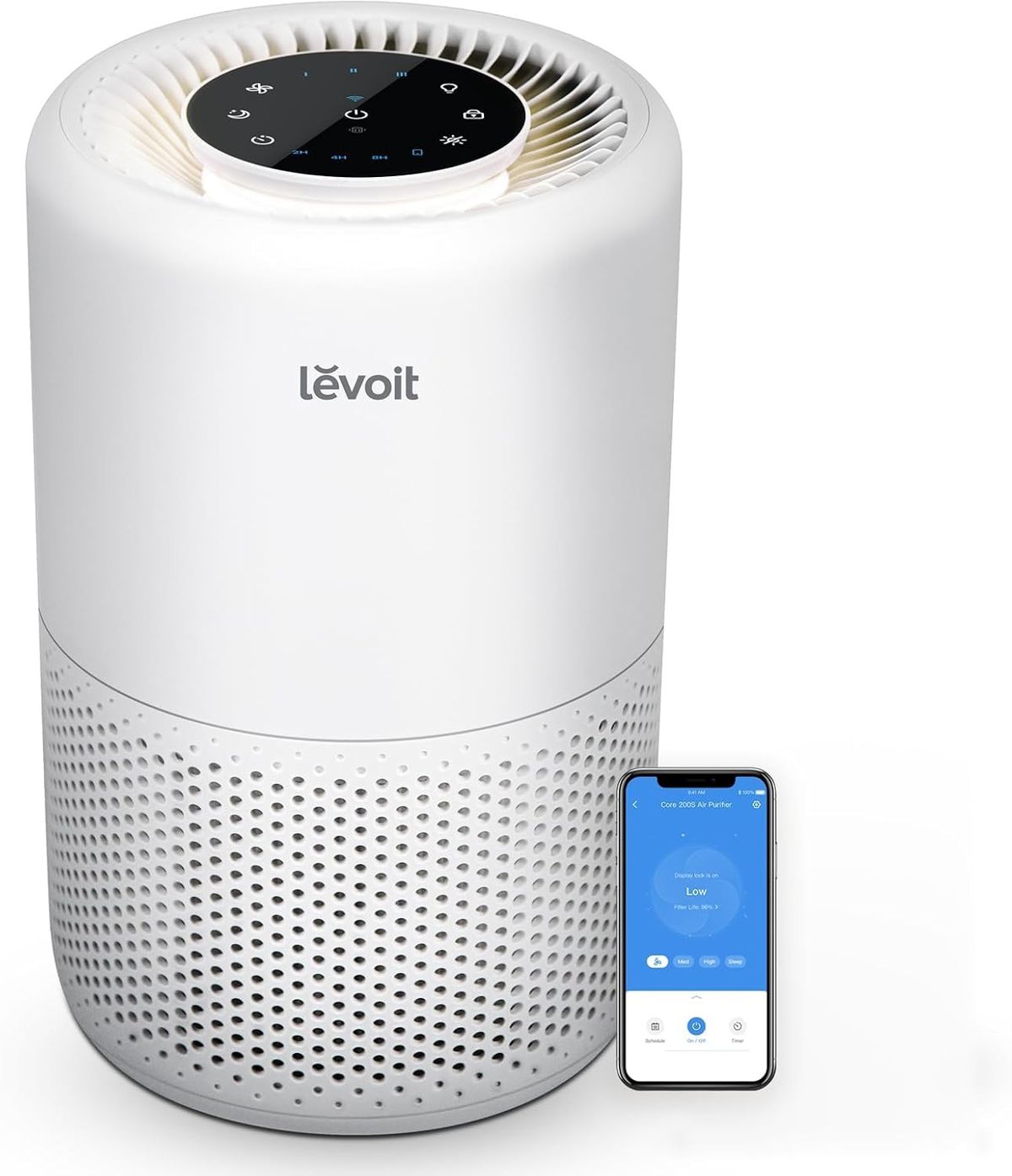
- LEVOIT Core 300-P ($89.99 · 4.7★)
- Data
- 398,214 verified reviews across 6 finalists
- Best for
- Allergies and asthmaPet danderLarge rooms up to 361 sq ftSmall spaces on a budget
- Skip if
- You expect zero maintenance — even the best HEPA filters need quarterly checks and annual replacements.
Types Explained
True HEPA Air Purifiers
Units that use a mechanical HEPA filter certified to capture 99.97% of particles as small as 0.3 microns.
- Proven particle removal
- No ozone risk
- Widely available
- Filters must be replaced
- Can be bulky
Best for: Anyone with allergies, asthma, or sensitivity to airborne particles
Example: Coway Airmega AP-1512HH
HEPA + Carbon Combination
Combines a HEPA filter with an activated carbon layer to trap odors, VOCs, and gases in addition to particles.
- Removes odors and smoke
- Reduces VOCs
- One unit handles multiple pollutants
- Carbon layer wears out faster than HEPA
- Higher replacement cost
Best for: Homes with pets, smokers, or wildfire smoke exposure
Example: Winix 5510
Smart/App-Controlled Purifiers
Wi-Fi-connected purifiers with real-time air quality monitoring, auto mode, and smartphone control.
- Convenient scheduling
- Air quality feedback
- Filter notifications
- Higher upfront cost
- App quality varies
- Privacy concerns
Best for: Tech enthusiasts who want remote control and data
Example: PuroAir 240
Compact/Personal Purifiers
Small, lightweight units designed for desktops, bedside tables, or very small rooms under 150 sq ft.
- Low price
- Portable
- Quiet
- Limited coverage
- Less powerful
- May lack HEPA certification
Best for: Dorm rooms, offices, or as a supplementary unit
Example: LEVOIT Core Mini-P
What Actually Matters
| Factor | Importance | Best brand |
|---|---|---|
CADR (Clean Air Delivery Rate) At least 200 CFM for smoke for rooms over 300 sq ft CADR is the only standardized metric for air purifier performance. Higher numbers mean faster cleaning. Aim for CADR ≥ 2/3 of your room's square footage. | Must-have | Coway (246 CFM dust on AP-1512HH) |
Filter Type (True HEPA vs HEPA-type) Look for True HEPA (99.97% at 0.3 microns) certification True HEPA is the gold standard. Some budget units advertise 'HEPA-type' which may remove fewer particles. Check for independent test results. | Must-have | All major brands (Coway, Levoit, Winix) |
Room Size Coverage CADR should cover your room size; check AHAM Verifide rating Manufacturers often exaggerate coverage. Use AHAM Verifide CADR for smoke as your reference. A purifier that claims 1,000 sq ft may only effectively clean 200 sq ft at high speed. | Must-have | Winix (392 sq ft on 5510), Levoit (1073 sq ft on Core 300-P but CADR only covers ~222 sq ft at 4.8 ACH) |
Noise Level Below 30 dB on sleep/low mode, under 55 dB on high If the purifier lives in a bedroom, prioritize low noise on sleep mode. Most units are fine on low but can be loud at max speed. | Nice-to-have | Levoit (24 dB on Core 300-P sleep mode), Coway (24.4 dB on low) |
Auto Mode & Air Quality Display Auto mode is convenient but not essential. Many users set it to medium and leave it. The air quality display can be a novelty. | Marketing BS | — |
Smart Features (App Connectivity) Apps add cost and complexity. Most purifiers perform fine without them. Focus on CADR and filter cost first. | Marketing BS | — |
Filter Replacement Cost Aim for under $60/year for ongoing costs The hidden cost of air purifiers. Some models look cheap upfront but cost $150+/year in filters. Calculate total cost of ownership over 2-3 years. | Must-have | Levoit ($28/year for Core 200S-P), Coway ($50/year) |
Budget Tiers & Top Picks
What to buy at each price point — and exactly where spending more stops paying off.
Under $80 (Budget)
$45 – $80Levoit Core 200S-P

Stop paying more: Stop spending at $80. Beyond this price, you gain minimal performance for small spaces. The Levoit 200S-P offers excellent value with 140 ft² coverage and 27 dB noise.
$80 – $130 (Mid-Range)
$90 – $120LEVOIT Core 300-P

Stop paying more: The sweet spot for most buyers. The Core 300-P delivers AHAM-verified CADR and whisper-quiet 24 dB sleep mode. Diminishing returns set in above $120.
$130 – $200 (Premium)
$160 – $180Coway Airmega AP-1512HH Mighty
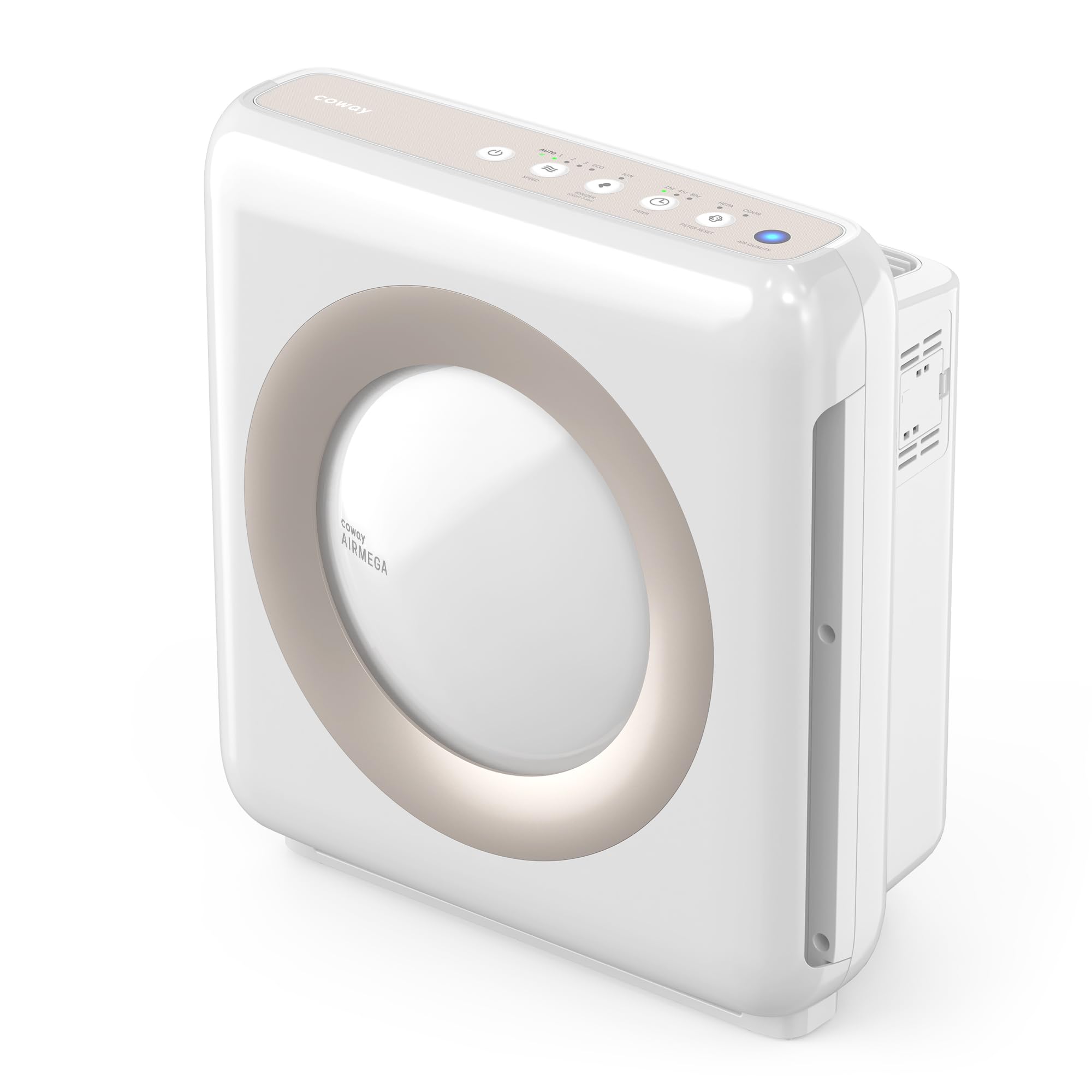
Stop paying more: At $160, you get Wirecutter's top pick for 10 years with CADR 246 dust and 4-stage filtration. Premium picks above $200 offer marginal gains — mostly in larger coverage or smart features.
Common Mistakes to Avoid
Buying a unit too small for your room
Many shoppers pick the cheapest model, only to find it can't keep up with the room size. A purifier that claims 1,000 sq ft may only effectively clean 150 sq ft.
Cost of getting it wrong: Wasted money — you'll need a second unit, costing $60–$150 extra.
Ignoring ongoing filter costs
A $45 purifier can cost $100+/year in filters. Some brands sell cheap units but require expensive proprietary filters. Always check the annual replacement cost.
Cost of getting it wrong: Up to $200 over 2 years if you buy an expensive-filter model.
Choosing an ionizer without HEPA
Ionizers alone don't capture particles — they charge them to stick to surfaces. Many cheap units omit HEPA filters, leaving dust and allergens in the air.
Cost of getting it wrong: Zero particle removal benefit; effectively wasted $50–$100.
Overpaying for smart features you won't use
Wi-Fi, apps, and auto modes add $50–$100 to the price. Most users set the purifier to a medium speed and forget it. CADR and filter cost matter more.
Cost of getting it wrong: $50–$100 premium for unneeded functionality.
Find Your Match
What size room do you need to cover?
Frequently Asked Questions
How often should I replace the air purifier filter?
Most HEPA filters need replacement every 6–12 months under daily use. Carbon pre-filters may need swapping every 3–6 months if you have pets or smoke. Look for washable pre-filters to extend the HEPA life.
What is CADR and why does it matter?
CADR (Clean Air Delivery Rate) measures how quickly a purifier cleans smoke, dust, and pollen from the air. Higher numbers mean faster cleaning. For a 300 sq ft room, look for a CADR of at least 200 CFM for smoke.
Is it better to buy a cheap purifier and replace often, or invest in a premium one?
Invest in a mid-range unit ($80–$160) with low filter replacement costs. Cheap units under $50 often lack True HEPA and have expensive filters. Premium units above $200 offer marginal gains unless you have a large open floor plan.
Do I need a smart air purifier with an app?
Only if you want remote control or real-time air quality data. Most users set the fan speed once and forget it. Focus on CADR and filter cost first; smart features are a nice bonus but not essential.
Can an air purifier help with allergies?
Yes. A True HEPA purifier can capture pollen, dust mites, and pet dander. Choose a unit with a CADR at least 2/3 of your room's square footage. Place it in the room where you spend the most time.
What's the difference between HEPA and True HEPA?
True HEPA meets the standard of 99.97% efficiency at 0.3 microns. HEPA-type filters may not meet that threshold. Always look for 'True HEPA' certification to ensure reliable particle removal.
Should I get a purifier with a UV or ionizer feature?
Skip them. UV and ionizers add cost, may produce ozone, and offer negligible benefit over HEPA alone. Stick to mechanical HEPA + activated carbon for the best results.
How we wrote this guide
Researched across 6 finalists, 398,000+ verified Amazon reviews, and expert evaluations from Wirecutter, RTINGS, Consumer Reports, and Tom's Guide. We prioritized CADR, filter type, long-term cost, and real-world user feedback from r/airpurifiers and r/BuyItForLife.
About this guide
Mubboo Editorial Team.