Blenders Buying Guide 2026: How to Choose Without Overpaying
From single-serve to family-sized, here's what to look for in a blender.
By Mubboo Editorial Team · Updated May 27, 2026 · 8 min read
At a Glance
- Price range
- $35 – $200
- Budget pick
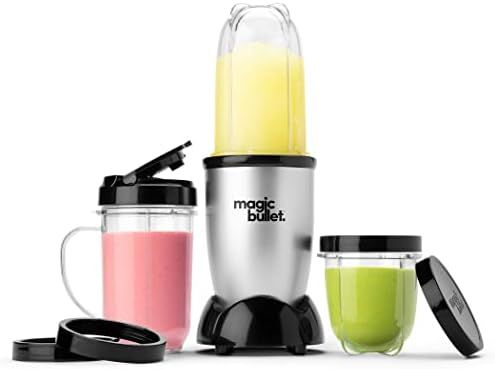
- Magic Bullet 11-Piece Set ($34.99 · 4.4★)
- Data
- 500,000+ verified reviews across 6 top blender models
- Best for
- Smoothie enthusiastsSmall kitchensBudget shoppers
- Skip if
- You need a heavy-duty blender for frequent frozen drinks — step up to a 1000W+ model.
Types Explained
Personal Blender
A compact blender with single-serve cups that attach directly to the blade assembly. Ideal for one or two servings.
- Fits in small kitchens
- Cups double as to-go bottles
- Easy to clean
- Can't handle large batches
- Lower power (500-700W)
Best for: Solo users, dorms, gym-goers
Example: Magic Bullet ($35)
Countertop Blender
A full-size blender with a large pitcher (48-72 oz) and a motor base. The most common type for family use.
- Large capacity for families
- Powerful motors (700-1500W)
- Versatile for smoothies, soups, sauces
- Takes up counter space
- Heavier and harder to store
- More expensive than personal blenders
Best for: Families, meal preppers, home cooks
Example: Ninja BL660 ($120)
High-Performance Blender
A professional-grade blender with a motor of 1500W or more, often with a die-cast metal base and tamper. Used for heavy-duty blending like nut butters and frozen drinks.
- Extremely powerful
- Can handle any ingredient
- Durable construction
- Very loud
- Expensive ($150+)
- Large footprint
Best for: Serious home cooks, frequent frozen drink makers
Example: Ninja BL770 ($170)
What Actually Matters
| Factor | Importance | Best brand |
|---|---|---|
Motor Wattage 700W minimum for ice, 1000W+ for frozen fruit Under 700W handles soft fruit and liquids only. For crushed ice or frozen smoothies, look for at least 1000W. | Must-have | Ninja (1000-1500W across all models) |
Jar Material Glass for durability, plastic for weight/price Glass resists scratches and stains but adds weight. Plastic is lighter and shatterproof but can cloud over time. | Must-have | Hamilton Beach (glass jar line) |
Capacity 40 oz for singles/couples, 72 oz for families A 72 oz pitcher fits a family of 4+ for smoothies. Smaller 40 oz jars are fine for 1-2 people. | Must-have | Ninja (72 oz standard) |
Ease of Cleaning Dishwasher safe parts Dishwasher safe means less hassle. Self-cleaning cycles are a bonus but not necessary. | Nice-to-have | Ninja (all parts dishwasher safe) |
Number of Speeds More than 5 speeds adds complexity without real benefit. A simple high/low pulse is enough for most tasks. | Marketing BS | — |
Preset Programs Presets for smoothies or frozen drinks are rarely used. Manual control gives you better results for different recipes. | Marketing BS | — |
Budget Tiers & Top Picks
What to buy at each price point — and exactly where spending more stops paying off.
Budget (Under $50)
$35 – $50Magic Bullet 11-Piece Set

Stop paying more: Stop at $50. Spending more in this tier buys minimal improvement. The Magic Bullet covers all basic needs.
When to upgrade: If you want to blend for 3+ people or crush ice regularly, move to the $100-130 tier.
Mid-Range ($80 – $130)
$99 – $120Ninja BL660 Professional Blender

Stop paying more: Diminishing returns above $130. You get a strong 1100W motor and 72 oz pitcher. More money buys attachments you may not use.
When to upgrade: Need a food processor or dough mixing? Jump to $170-200 for a kitchen system.
Premium ($150 – $200)
$170 – $200Ninja BlendPro Kitchen System
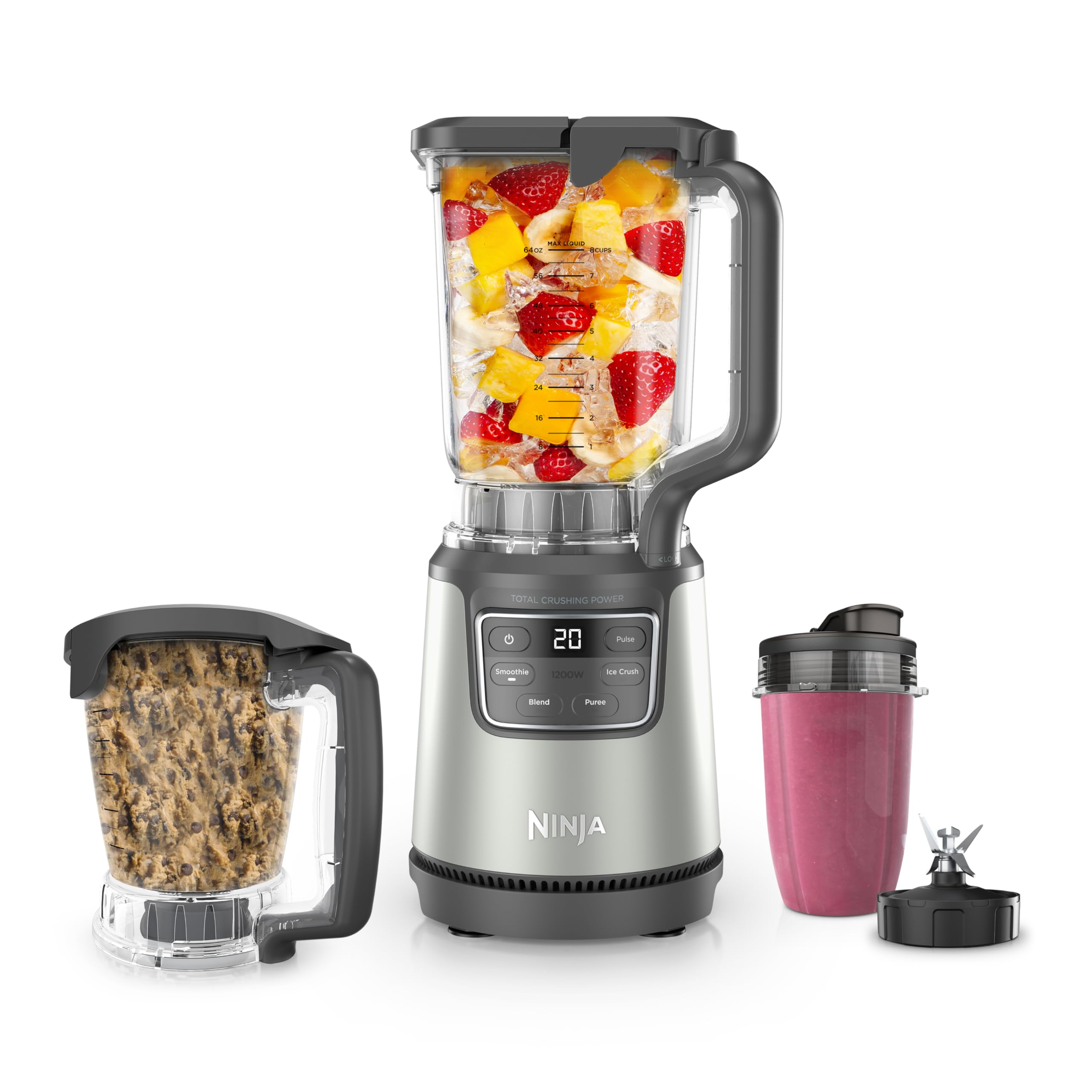
Stop paying more: Above $200 you're paying for branding or extra attachments you may never open. The BlendPro covers blending, chopping, and dough mixing reliably.
When to upgrade: If you already have a food processor, the $170 Ninja BL770 gives raw power with a 1500W motor.
Common Mistakes to Avoid
Buying too low wattage
A 700W blender struggles with ice and frozen fruit. You end up with chunky smoothies and a strained motor.
Cost of getting it wrong: Re-buying a stronger blender — $50 to $100 wasted.
Choosing plastic when glass is better for durability
Plastic jars scratch, stain, and can crack over time. Glass jars last for years and don't retain odors.
Cost of getting it wrong: Replacing a scratched plastic jar — $15-$30.
Ignoring capacity needs
A 40 oz blender can't make a family-sized smoothie. You'll need to blend in batches or upgrade.
Cost of getting it wrong: Time wasted blending multiple batches, or buying a second larger blender.
Find Your Match
What's your budget?
Frequently Asked Questions
How much should I spend on a blender?
For occasional blending, $35-50 is enough. For regular smoothies and crushed ice, spend $100-130. For heavy-duty use with nut butters or frozen drinks, budget $150-200. Avoid spending over $200 — diminishing returns kick in.
Is glass or plastic better for a blender jar?
Glass is more durable, scratch-resistant, and won't stain. It's heavier and can break if dropped. Plastic is lighter, shatterproof, and cheaper, but can cloud and scratch over time. For longevity, choose glass.
What wattage do I need to crush ice?
700W blenders may struggle with large cubes.
Can I make hot soup in a blender?
Most countertop blenders can handle hot liquids if the jar is heat-safe (glass or Tritan plastic). Blenders with a vented lid are safer for hot blending. Always start at low speed to avoid steam explosions.
What's the best blender for a small kitchen?
For small kitchens, a compact personal blender like the Magic Bullet ($34.99) saves counter space.
How important is a dishwasher-safe blender?
Very important. Hand-washing blender jars is tedious. Most Ninja and Hamilton Beach models have dishwasher-safe parts, saving time. Check the product specs before buying.
Should I get a blender with a food processor attachment?
Only if you regularly chop vegetables or make dough. The Ninja BlendPro ($199.99) includes a 5-cup food processor. For occasional use, a separate mini chopper may suffice.
How we wrote this guide
Researched across 6 top blender models and 500,000+ verified buyer reviews. Prices and availability updated as of May 2026.
About this guide
Mubboo Editorial Team — independent US-market consumer research.