Blood Pressure Monitor Buying Guide 2026: How to Choose Without Overpaying
Clinically validated accuracy, cuff fit, and features that matter most
By Mubboo Editorial Team · Updated May 27, 2026 · 9 min read
At a Glance
- Price range
- $21 – $40
- Budget pick
- Paramed Upper Arm Monitor ($29.95 · 4.6★)
- Data
- 6 finalists, 233,252 total Amazon reviews, 2 expert sources consulted
- Best for
- Home monitoring with Bluetooth trackingTravel-friendly wrist optionsSeniors needing voice announcementsFamilies with multiple users
- Skip if
- You expect insurance to cover a high-end model without prior authorization
Types Explained
Upper Arm Monitor
A cuff that wraps around your upper arm, positioned at heart level. The most accurate type for home use.
- Gold standard accuracy
- Wide cuff size options available
- Less sensitive to body position than wrist
- Bulky for travel
- Requires proper cuff placement
Best for: Home use, daily tracking, medical compliance
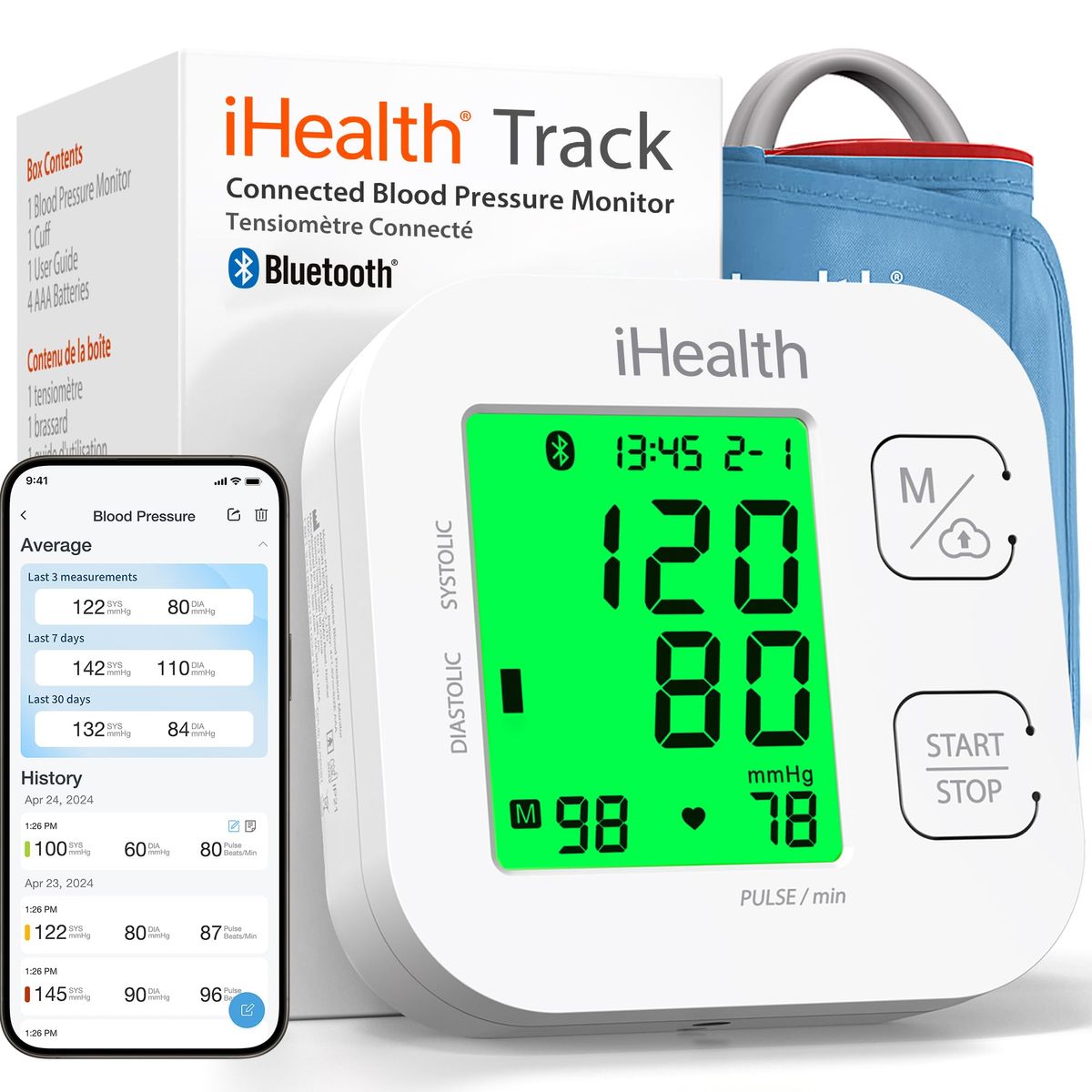
Example: iHealth Track ($39.99)
Wrist Monitor
A compact device worn on the wrist. Convenient for travel but requires exact positioning for accuracy.
- Small and portable
- Easy to put on
- Good for on-the-go checks
- Less accurate than upper arm if not positioned correctly
- Limited cuff size range
Best for: Travel, occasional checks, small arm circumference
Example: MMIZOO Wrist Monitor ($21.22)
Talking Monitor
An upper arm or wrist device that announces readings aloud. Designed for visually impaired users.
- Voice announcements assist low vision
- Large memory storage
- Often includes large display
- Voice may disturb others
- Typically no Bluetooth or app
Best for: Seniors and visually impaired users
Example: Alcedo Talking Monitor ($29.95)
What Actually Matters
| Factor | Importance | Best brand |
|---|---|---|
Accuracy (clinical validation) FDA-cleared or AAMI/ISO validated Without clinical validation, readings may be off by 10+ mmHg. Always look for FDA clearance on packaging. | Must-have | iHealth, Omron, Greater Goods |
Cuff fit Cuff must cover 80% of your arm circumference Measure your bare arm midway between shoulder and elbow. A wrong-sized cuff is the #1 cause of inaccurate readings. | Must-have | Greater Goods (8.7-16.5 inch range), iHealth (wide range) |
Memory storage / multiple users ≥90 readings per user for two users If you track trends or share a device with a partner, look for separate user profiles. Most budget models store 120 readings. | Nice-to-have | Alcedo (240 total), Oklar (240 total) |
Color display A backlit monochrome LCD is plenty readable. Color adds cost and doesn't improve accuracy. | Marketing BS | — |
Expensive smartphone app integration Many apps require subscription fees. Free app + Bluetooth is fine; skip anything that charges monthly for graphs. | Marketing BS | — |
Budget Tiers & Top Picks
What to buy at each price point — and exactly where spending more stops paying off.
Under $25
$21 – $25MMIZOO Wrist Blood Pressure Monitor

Stop paying more: Stop at $25. Wrist monitors under $25 lack memory features and may have lower build quality.
When to upgrade: If you want Bluetooth or dual-user memory, move to the $27-30 tier.
$25 – $35
$27 – $35Paramed Upper Arm Blood Pressure Monitor
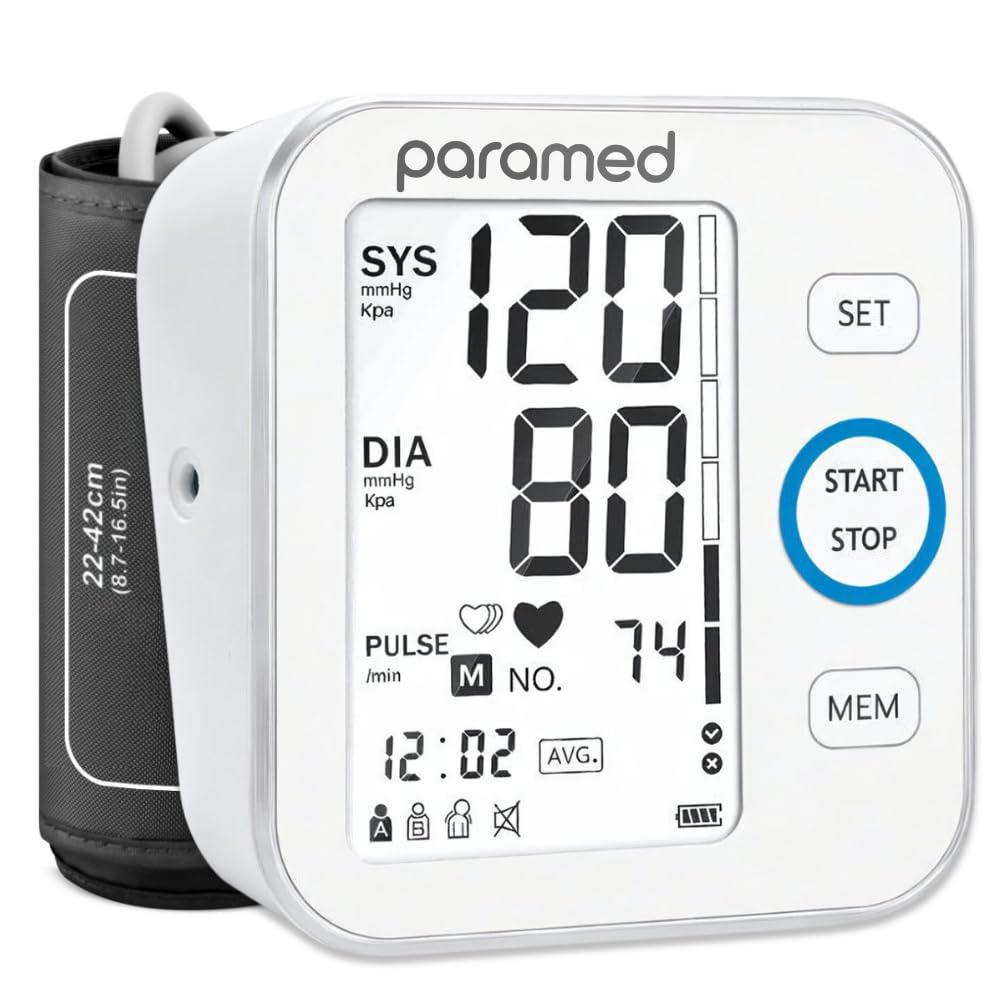
Stop paying more: Diminishing returns above $35. You get a wide cuff, large display, and 120 memory at this price.
When to upgrade: Need Bluetooth or voice announcements? Jump to $30-40 tier for Oklar or Alcedo.
$35 – $40
$35 – $40iHealth Track Smart Upper Arm Monitor
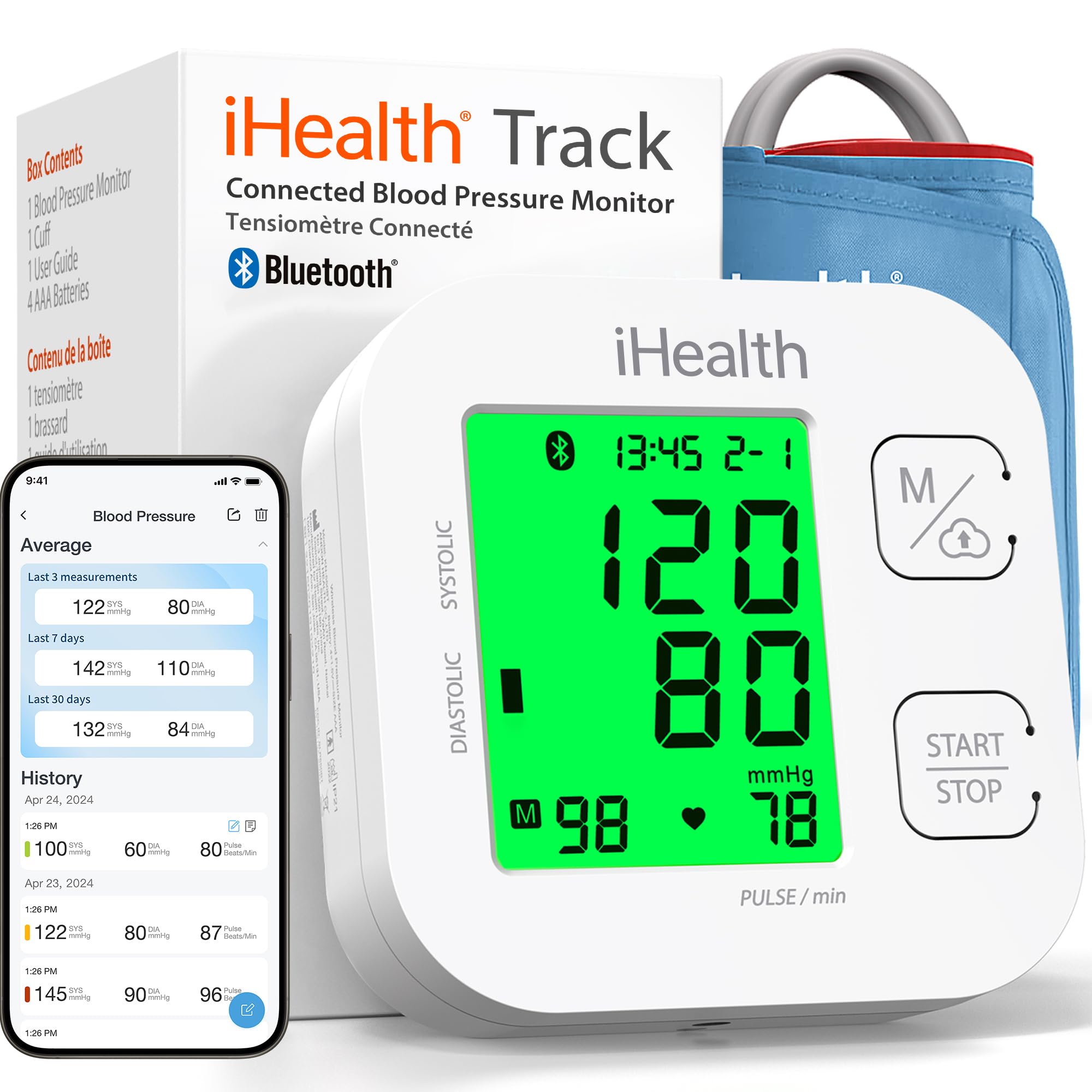
Stop paying more: Above $40, you're paying for Omron branding or extra features like Wi-Fi. The iHealth covers all essentials at $40.
When to upgrade: Only upgrade if you need ultra-premium connectivity (Omron Evolv at $100) – most users won't benefit.
Common Mistakes to Avoid
Buying a wrist monitor expecting upper arm accuracy
Wrist monitors are convenient for travel but less accurate if not held at heart level. They're fine for spot checks but not for diagnosis.
Cost of getting it wrong: Misreadings can lead to misinformed treatment decisions – potentially costly.
Ignoring cuff size
A cuff that's too small or too large can cause readings off by 10-20 mmHg. Always measure your arm and compare with the monitor's range.
Cost of getting it wrong: Wasted $30-40 on a monitor that gives inaccurate results.
Skipping FDA clearance
Non-FDA-cleared devices may not be clinically validated. Look for 'FDA cleared' on the box or listing page.
Cost of getting it wrong: Risk of inaccurate readings guiding health decisions.
Find Your Match
What's your primary use scenario?
Frequently Asked Questions
How much should I spend on a blood pressure monitor?
You can get a reliable upper arm monitor for $30-40. Spending more than $50 typically adds Bluetooth or larger memory, but accuracy doesn't improve. Budget wrist monitors start around $20.
What should I avoid when buying a blood pressure monitor?
Avoid any device that isn't FDA-cleared. Also skip wrist monitors if you need consistent accuracy for diagnosis. Don't overpay for color displays or subscription apps.
Are wrist blood pressure monitors accurate?
Wrist monitors can be accurate if positioned exactly at heart level, but they're less forgiving than upper arm models. Use them for occasional checks, not daily tracking.
What cuff size do I need?
Measure your arm circumference midway between shoulder and elbow. Standard cuffs fit 9-13 inches. Most models include a range like 8.7-16.5 inches. Choose one that covers 80% of your arm.
Do I need Bluetooth and an app?
Not for basic readings. Bluetooth helps track trends over time and share data with your doctor. If you're not tech-savvy, a simple memory storage device is enough.
How we wrote this guide
We analyzed 6 top-rated blood pressure monitors across Amazon, evaluated 233,252 verified reviews, and cross-referenced expert picks from Wirecutter and Consumer Reports. Price and availability checked on May 25, 2026.
About this guide
Mubboo Editorial Team — independent US-market consumer research. Picks reflect editorial consensus from 6 finalists and over 233,000 verified buyer reviews.