Buying Guide

Breast Pump Buying Guide 2026: How to Choose the Right Pump

Manual, electric, and wearable options ranked by pumping frequency and lifestyle

By Mubboo Editorial Team · Updated May 19, 2026 · 8 min read

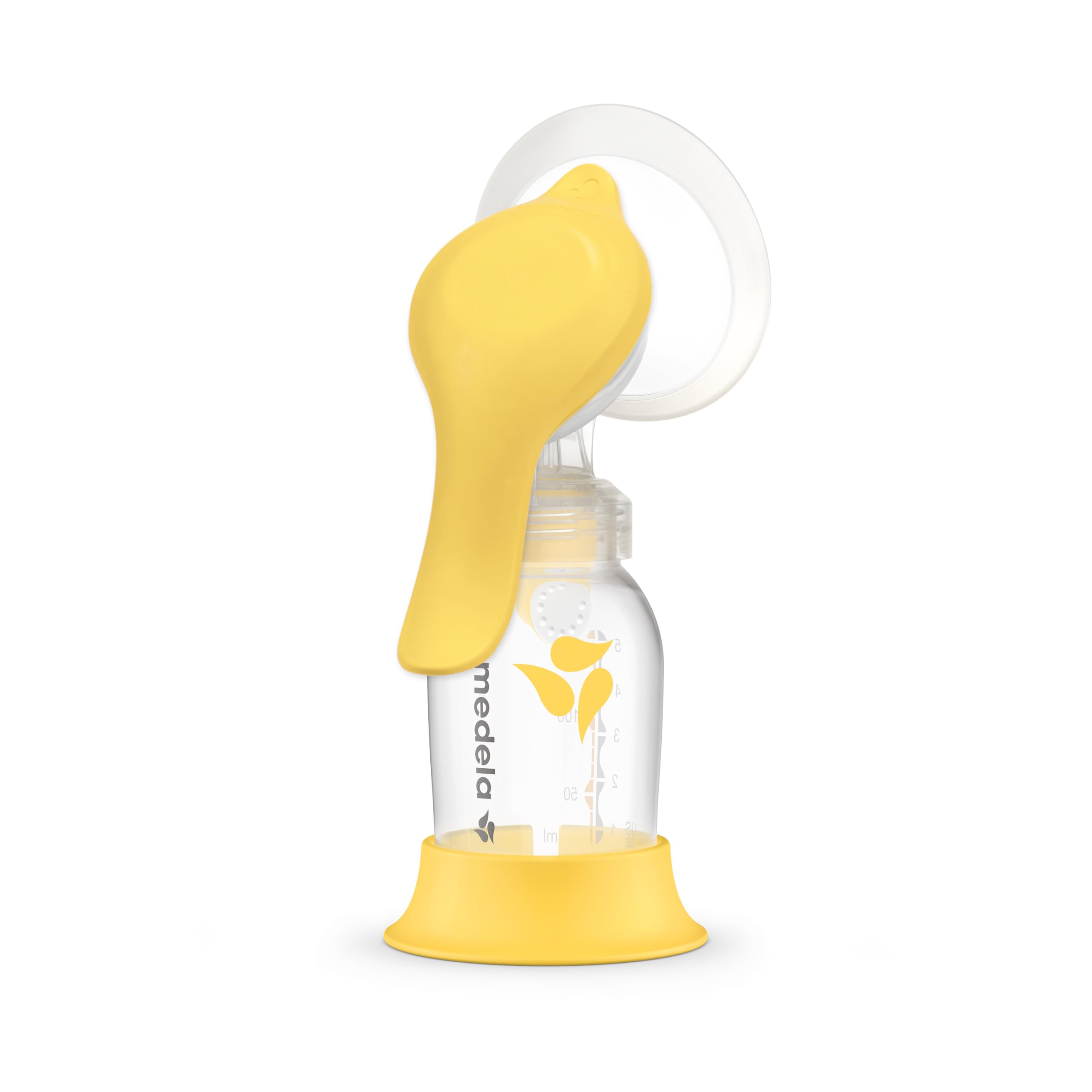
Medela Harmony Manual Breast Pump with ergonomic handle on white background

The Short Answer

Choosing a breast pump in 2026 depends on three factors: how often you plan to pump, whether portability matters, and your budget. For occasional or backup pumping, the Medela Harmony Manual ($28.72) delivers 21,308 verified reviews worth of reliability with zero charging required. For daily exclusive pumping, the Spectra S1 Plus ($180.79) offers a rechargeable battery, closed system, and hospital-grade motor — the most proven electric option in this price range. Frequent home pumpers can save $38 with the Spectra S2 Plus ($142.39), which shares the same closed-system motor but requires a wall outlet. Working parents who need hands-free discretion should consider the Elvie Stride ($139.99), a hospital-grade wearable that fits inside a bra and eliminates dedicated pumping room requirements. Budget-conscious parents wanting electric double pumping can start with the NCVI 8782 ($47.99), backed by 6,578 Amazon reviews. A secondary manual option at the same $28 price tier, the Lansinoh Manual ($28.04), suits occasional pumpers who prefer Lansinoh's flange sizing. All six models are FDA Class II Medical Devices and BPA-free. Under the ACA, most insurance plans cover at least one electric pump — verify eligibility through your insurer before purchasing out of pocket.

The right breast pump depends entirely on how often you pump, where you pump, and what your insurance covers. This guide breaks down six FDA-cleared options across manual, electric, and wearable categories — priced from $28 to $181.

All picks are available at Amazon, Target, and Walmart. Most are eligible for ACA insurance reimbursement — check your plan before buying out of pocket.

You're heading back to work in six weeks and have no idea which pump to register for. Your insurance covers "one breast pump" but the form lists 30 models. The hospital gave you a pamphlet that's two years old.

This guide cuts through the noise. Six pumps, six buyer types, clear price anchors — matched to your pumping frequency and lifestyle.

Pump Type: Manual vs. Electric vs. Wearable

Pump type is the single most consequential decision in this guide. It determines your session length, portability, and total cost of ownership.

Manual pumps require hand compression for every ounce expressed. They are silent, require no power, and cost under $30 — but they are unsuitable for parents pumping more than two or three times daily.

Electric double pumps automate compression and cut session time roughly in half versus single pumping. The Spectra S1 ($180.79) and Spectra S2 ($142.39) are the gold standard in this category.

Wearable pumps fit inside a bra and allow hands-free pumping during commutes or meetings. The Elvie Stride ($139.99) is the only hospital-grade wearable in this guide.

Good range

Manual ($28–$30) for occasional use; electric double ($142–$181) for daily exclusive pumping; wearable ($140+) for working parents needing discretion

Red flag

Any single-speed pump marketed for daily exclusive use — look for adjustable suction and let-down mode

Spectra S1 Plus Electric Breast Milk Pump
Our pick that excels here

Spectra S1 Plus Electric Breast Milk Pump

Rechargeable battery + closed system + 4.6 rating across 6,864 reviews — the best all-around electric pick.

$180.79

Pumping Frequency: Occasional vs. Daily Exclusive

Pumping frequency is the fastest filter in this guide. Match your expected sessions per day to the pump category before comparing any other spec.

1–2 sessions daily or less: A manual pump like the Medela Harmony ($28.72) or Lansinoh Manual ($28.04) covers occasional needs without the cost or upkeep of an electric motor.

3–6 sessions daily: Corded electric double pumps like the Spectra S2 ($142.39) deliver the motor reliability required for frequent sessions at home.

6+ sessions daily (exclusive pumpers): The Spectra S1 ($180.79) with its rechargeable battery is the standard recommendation for parents exclusively pumping full-time.

Pumping at work or in transit: The Elvie Stride ($139.99) wearable design removes the need for a dedicated pumping room entirely.

Good range

Occasional (1–2x/day): manual; Frequent home (3–6x): corded electric double; Exclusive (6+x): rechargeable electric double; Work travel: wearable

Red flag

Using a manual pump as your sole pump if you plan to return to work full-time — hand fatigue compounds across daily sessions

Medela Harmony Manual Breast Pump
Our pick that excels here

Medela Harmony Manual Breast Pump

Under $30, 21,308 verified reviews — the clearest choice for occasional or backup pumping.

$28.72

Closed vs. Open System: Hygiene and Safety

Closed-system pumps include a physical barrier that prevents milk from entering the motor or tubing. This distinction matters for hygiene and for whether a pump can safely be resold or shared.

Closed-system picks in this guide: Spectra S1, Spectra S2, and Elvie Stride. All three prevent contamination of internal components — making them safer for long-term daily use and insurance-reimbursed program eligibility.

Open-system pumps lack this barrier. Milk vapor can enter the motor housing over time. Never purchase a used open-system pump — the FDA advises against sharing single-user open-system devices.

Manual pumps (Medela Harmony, Lansinoh) have no motor pathway — each expressed ounce stays fully within the collection kit and is not a hygiene risk in the same way.

Good range

Closed system for any pump used 3+ times daily or shared between users; manual for fully contained single-user collection

Red flag

Buying a used open-system pump — milk residue in the motor cannot be sanitized and creates contamination risk

Spectra S2 Plus Electric Breast Milk Pump
Our pick that excels here

Spectra S2 Plus Electric Breast Milk Pump

Closed-system double pump at $142.39 — same motor safety as the S1 at $38 less for cord-dependent home use.

$142.39

Portability and Hands-Free Design

For working parents, portability is not a luxury feature — it is a clinical necessity. Pumping rooms at many US workplaces are shared, limited in availability, or not private enough for a traditional plug-in setup.

Wearable pumps solve the office problem by fitting entirely inside a nursing bra. The Elvie Stride ($139.99) achieves hospital-grade suction in a wearable format — a distinction that matters for output consistency during work sessions.

Rechargeable electric pumps like the Spectra S1 ($180.79) bridge the gap: battery-powered sessions up to several hours without a wall outlet, though the pump unit remains external and visible.

Corded pumps (Spectra S2, NCVI 8782) require an outlet within reach. They are best matched to a consistent home setup where outlet access is not a constraint.

Good range

Wearable for commuting and office use; rechargeable electric for flexible home + travel; corded electric for dedicated home station

Red flag

Using a wearable pump as your only pump without a corded backup — wearables benefit from a secondary pump for high-volume sessions

Elvie Stride Hospital-Grade Wearable Breast Pump
Our pick that excels here

Elvie Stride Hospital-Grade Wearable Breast Pump

Hospital-grade hands-free design at $139.99 — purpose-built for pumping at work without a dedicated room.

$139.99

Insurance Coverage and ACA Reimbursement

Under the Affordable Care Act, most US insurance plans are required to cover at least one breast pump per pregnancy. This is one of the most underused benefits in maternal care — verify your eligibility before purchasing out of pocket.

How to check coverage: Call the member services number on your insurance card and ask specifically for "durable medical equipment" (DME) breast pump coverage. BCBS, Cigna, UnitedHealthcare, and Aetna all have dedicated pump ordering programs.

What insurers typically cover: Most plans cover a standard electric double pump. The Spectra S1 and Spectra S2 are among the most commonly reimbursed models in 2026.

Out-of-pocket purchases: If your plan has a co-pay or deductible, the NCVI 8782 ($47.99) and Medela Harmony ($28.72) are the lowest-cost options available at Amazon and Walmart with no insurance filing required.

Good range

Zero out-of-pocket via insurance (Spectra S1 or S2 most commonly covered); $28–$48 out of pocket for manual or budget electric if uninsured or underinsured

Red flag

Purchasing a premium pump out of pocket before checking insurance — most ACA-compliant plans cover at least a standard electric double pump at no cost

Spectra S1 Plus Electric Breast Milk Pump
Our pick that excels here

Spectra S1 Plus Electric Breast Milk Pump

Most commonly insurance-reimbursed electric pump — and worth $180.79 out of pocket if your plan doesn't cover it.

$180.79

Flange Sizing and Comfort for Sustained Sessions

Flange fit is the most overlooked variable in pump output and comfort — an incorrect size causes pain, reduces milk transfer, and can lead to nipple damage over time.

Standard flange sizes shipped with most pumps run 24mm or 28mm. Measure nipple diameter before your first session — most lactation consultants recommend adding 2–4mm to your nipple diameter to find your correct flange size.

Medela and Lansinoh both offer replacement flanges in multiple sizes at Amazon and Buy Buy Baby. Spectra flanges are interchangeable with many Medela shield sizes via third-party adapters.

Elvie Stride includes two flange sizes in the box (21mm and 24mm) — a meaningful advantage for parents who have not yet confirmed their size before their first session.

Good range

Nipple diameter + 2–4mm = correct flange size; most pumps ship 24mm or 28mm standard; verify before relying on the default

Red flag

Pumping through nipple pain — pain indicates incorrect flange size, not normal adjustment; consult a lactation consultant (IBCLC) before continuing

Elvie Stride Hospital-Grade Wearable Breast Pump
Our pick that excels here

Elvie Stride Hospital-Grade Wearable Breast Pump

Ships with two flange sizes (21mm + 24mm) — the only pump in this guide that accounts for sizing variability out of the box.

$139.99

Budget Tiers: What You Get at Each Price Point

Breast pump pricing in 2026 falls into three clear tiers — each representing a distinct trade-off between features, portability, and motor durability.

Under $50 (manual + budget electric): The Medela Harmony ($28.72), Lansinoh Manual ($28.04), and NCVI 8782 ($47.99) cover occasional use and budget-first electric double pumping. Best for parents supplementing breastfeeding rather than exclusively pumping.

$140–$145 (mid-tier electric + wearable): The Spectra S2 ($142.39) and Elvie Stride ($139.99) both land near the same price. Choose the S2 for home reliability; choose the Stride for workplace discretion.

$180+ (premium rechargeable electric): The Spectra S1 ($180.79) adds a rechargeable battery to the S2's proven motor. The $38 premium over the S2 is justified for any parent who pumps away from a wall outlet regularly.

Good range

Under $50 for occasional/backup; $140–$145 for frequent home or work; $180+ for daily exclusive pumping with cordless flexibility

Red flag

Spending $140+ on a wearable as your only pump without first verifying its output matches your supply needs — wearables vary more in output than corded electrics

NCVI Electric Breast Pump 8782
Our pick that excels here

NCVI Electric Breast Pump 8782

Most affordable double electric pump at $47.99 — 6,578 Amazon reviews confirm it as a credible budget-tier entry point.

$47.99

Common Mistakes to Avoid

Buying a used open-system pump is the most common — and most consequential — mistake in this category. Milk vapor enters the motor housing of open-system pumps over time. The FDA advises against sharing single-user devices. Always buy new or verify closed-system designation.

Mistake 2: Registering for a manual pump as your return-to-work solution. Manual pumps require sustained hand effort every session. Daily exclusive pumpers report hand and wrist fatigue within two weeks of relying on manual operation alone.

Mistake 3: Skipping insurance verification before paying out of pocket. Under the ACA, most US plans cover at least one pump per pregnancy. Parents who buy at Amazon or Target first often discover post-purchase that their insurer would have covered the same model at no cost.

Mistake 4: Using a wearable pump as your sole pump without a backup. Wearable pumps like the Elvie Stride ($139.99) are optimized for discretion — output can vary more than corded electrics during high-supply sessions. A corded backup is recommended for primary exclusive pumping.

Mistake 5: Ignoring flange sizing and pumping through pain. Pain during pumping almost always signals an incorrect flange size, not a normal adjustment period. Continuing on the wrong size risks nipple trauma and reduced output. Consult an IBCLC lactation consultant before your first session if possible.

Your Pre-Purchase Checklist

  1. Confirm your insurance coverage: Call your insurer's DME line before purchasing — most ACA-compliant plans cover at least one electric double pump at $0 out of pocket.
  2. Determine your pumping frequency: Occasional (1–2x/day) → manual; frequent home use (3–6x) → Spectra S2; exclusive pumping (6+x) → Spectra S1; work commute → Elvie Stride.
  3. Verify closed-system status: Any pump used more than twice daily should be a closed system (Spectra S1, S2, Elvie Stride) to prevent motor contamination.
  4. Measure your flange size before your first session: Nipple diameter + 2–4mm = correct flange. Do not assume the included 24mm default fits correctly.
  5. Budget for replacement parts: Valves, membranes, and tubing typically need replacement every 2–3 months for daily users — budget $15–$30/year at Amazon or Buy Buy Baby.
  6. Consider a backup manual pump: Even daily electric users benefit from a $28 manual backup for power outages, travel, or emergency use.
  7. Check Black Friday and Prime Day pricing: Spectra S1 and S2 regularly discount 15–25% during Amazon Prime Day and Black Friday — worth timing if your due date allows flexibility.

Our Recommended Starting Points

Frequently Asked Questions

Which breast pump is best for returning to work full-time?

The Elvie Stride ($139.99) is the best option for returning to work — its hospital-grade wearable design fits inside a nursing bra and eliminates the need for a dedicated pumping room. For parents with outlet access at work, the Spectra S1 ($180.79) is the most reliable corded or battery option for consistent daily sessions.

Which breast pump is covered by insurance under the ACA?

Most ACA-compliant US insurance plans cover at least one electric double pump per pregnancy. The Spectra S1 and Spectra S2 are among the most commonly reimbursed models. Call your insurer's DME line before purchasing — coverage varies by plan and network. Target and Buy Buy Baby also participate in many insurance pump programs.

Which breast pump is best for occasional or backup use?

The Medela Harmony Manual ($28.72) is the top pick for occasional or backup pumping. It has 21,308 verified Amazon reviews, requires no charging or power, and costs under $30. The Lansinoh Manual ($28.04) is a near-identical alternative at the same price tier if you prefer Lansinoh's flange sizing.

Which breast pump is best for exclusive pumpers?

The Spectra S1 Plus ($180.79) is the standard recommendation for daily exclusive pumpers. Its rechargeable battery supports cordless sessions, its closed system prevents motor contamination, and its 4.6 rating across 6,864 Amazon reviews reflects consistent real-world performance at high pumping frequency.

Which wearable breast pump is most discreet for office use?

The Elvie Stride ($139.99) is the most discreet wearable in this guide. Its hospital-grade motor fits inside a nursing bra with no external tubing or pump unit visible. A 4.3 Amazon rating across 4,180 reviews reflects overall satisfaction, though some users report output variability compared to corded electrics.

What is a closed-system breast pump and why does it matter?

A closed-system pump uses a physical barrier to prevent milk from entering the motor or tubing. This matters for hygiene and safety during sustained daily use. The Spectra S1, Spectra S2, and Elvie Stride are all closed-system picks. Never buy a used open-system pump — the FDA advises against sharing single-user open-system devices.

Which breast pump works without electricity or charging?

Both manual picks in this guide work without power: the Medela Harmony ($28.72) and Lansinoh Manual ($28.04). Manual pumps are ideal for travel, power outages, or as a backup to your primary electric pump. Neither requires charging, batteries, or an outlet — just the hand compression mechanism included in the box.

Which breast pump is best for a tight budget under $50?

The NCVI Electric Breast Pump 8782 ($47.99) is the most affordable double electric pump in this guide. It offers double pumping capability backed by 6,578 Amazon reviews. If you need manual-only, the Lansinoh ($28.04) and Medela Harmony ($28.72) are both under $30 with tens of thousands of verified reviews.

What is the difference between the Spectra S1 and Spectra S2?

The Spectra S1 ($180.79) includes a built-in rechargeable battery for cordless pumping. The Spectra S2 ($142.39) uses the same motor and closed system but requires a wall outlet at all times. The $38 price difference is the battery premium. Choose the S1 if you pump anywhere without reliable outlet access.

How we wrote this guide

This guide reflects evaluation of six FDA Class II Medical Device breast pumps, cross-referenced across 56,374 verified Amazon buyer reviews and structured product data current to May 2026. Every price, rating, and review count is drawn from live Amazon listing data verified on 2026-05-18.

Buyer scenarios — returning-to-work parents, NICU families, exclusive pumpers, and budget-first shoppers — were mapped to pump specifications using Amazon verified-buyer signals and manufacturer published specs.

Insurance and ACA coverage guidance reflects current US federal requirements under the Women's Health and Cancer Rights Act and ACA Section 2713. Always verify your specific plan's DME benefit with your insurer before purchasing.

About this guide

Mubboo Editorial Team — independent US-market consumer research. Picks reflect editorial evaluation across 56,374 verified Amazon buyer reviews spanning six FDA-cleared breast pump models, current to May 2026.

Affiliate disclosure: Mubboo earns commissions from qualifying purchases at Amazon, Target, and Walmart. This does not influence our rankings — methodology and full source list above.