Camping Tent Buying Guide 2026: How to Choose Without Overpaying
Researched from 6 top-rated tents and 90,000+ verified reviews
By Mubboo Editorial Team · Updated May 27, 2026 · 6 min read
At a Glance
- Price range
- $22 – $280
- Data
- Researched across 6 finalists and 90,537+ verified Amazon reviews, plus expert evaluations from Wirecutter, OutdoorGearLab, REI, and Field & Stream.
- Best for
- Family car campingBackyard sleepoversGroup trips
- Skip if
- You need a backpacking tent under 5 lbs
Types Explained
Dome Tent
Traditional dome-shaped tent with flexible poles crossing at the top. Offers good wind resistance and simple setup.
- Wind-shedding shape
- Lightweight for car camping
- Easy to set up
- Less headroom at edges
- Usually fewer interior pockets
Best for: Budget-conscious campers, couples, and small families
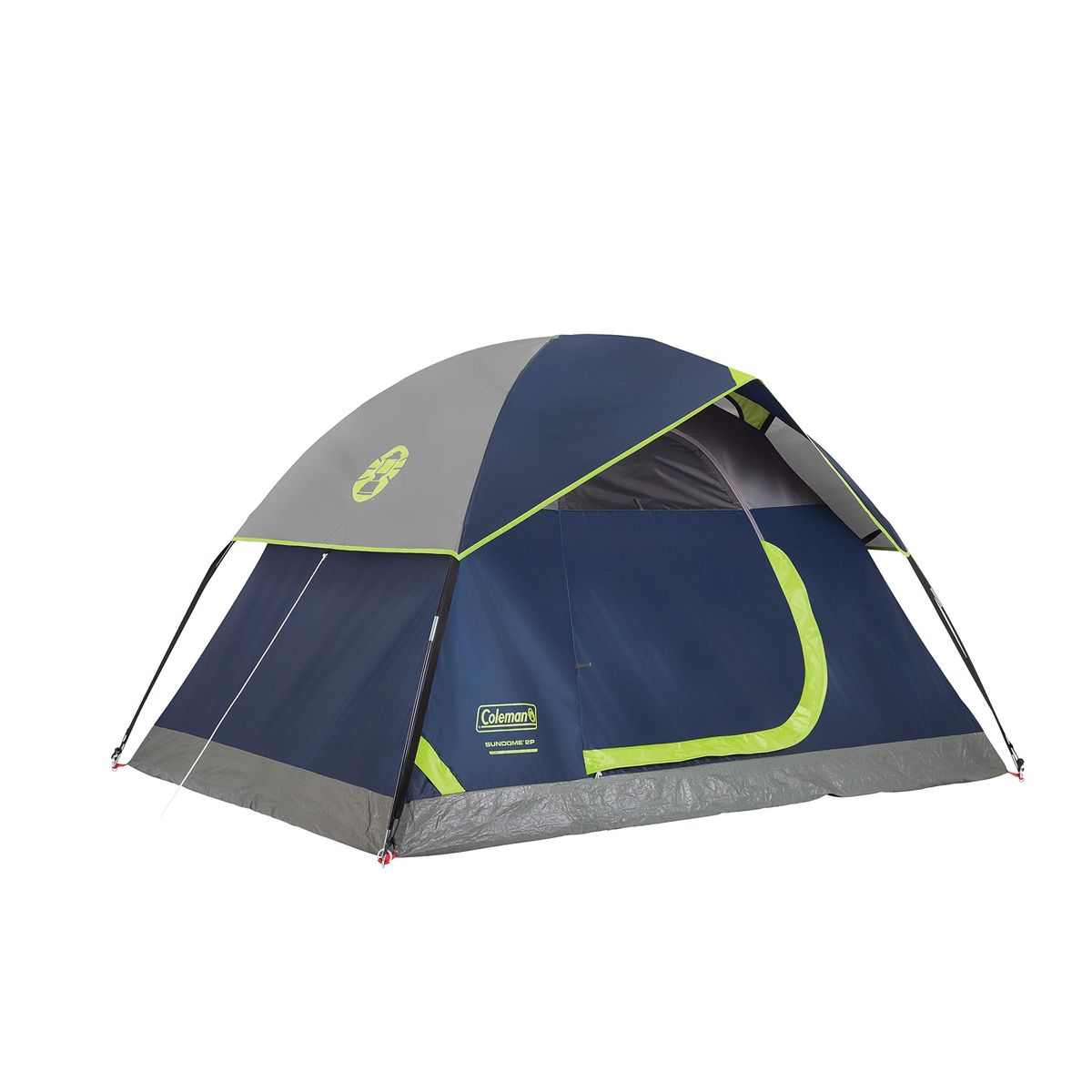
Example: Coleman Sundome ($62)
Cabin Tent
Near-vertical walls with straight poles (often instant setup) for maximum internal space and headroom.
- Standing height throughout
- Feels spacious like a room
- Great for families
- Heavier and bulkier
- Less wind-resistant than domes
Best for: Car camping families who prioritize comfort
Example: CORE Instant Cabin 9-Person ($280)
Pop-Up Tent
Pre-attached flexible poles that spring the tent into shape in seconds. No assembly required.
- Fastest setup (under 30 seconds)
- Very portable
- Ideal for festivals or quick overnighters
- Limited durability
- Smaller capacity typically
- Poor weather protection
Best for: Solo campers, music festivals, emergency shelter
Example: Wakeman 2-Person Pop-Up ($22)
Screen House
Mesh-walled shelter designed for bug-free lounging, dining, or cooking. Not a full sleeping tent.
- Keeps bugs out
- Great airflow
- Spacious for groups
- Not weatherproof for sleeping
- Requires separate sleeping tent
- Can be tricky to set up
Best for: Camping basecamp dining, tailgating, beach shade
Example: Alvantor Screen House 10x10 ($143)
What Actually Matters
| Factor | Importance | Best brand |
|---|---|---|
Weather Resistance (Waterproof Rating) ≥ 1200mm for reliable rain protection; lower ratings may need a rainfly sealant A 1200mm rating handles typical rain; anything above 2000mm is overkill for most campers. | Must-have | CORE (1200mm on Instant Cabin) |
Setup Ease and Speed Under 10 minutes for two people; instant/pop-up tents under 2 minutes For car camping, instant poles save major frustration. Pop-ups are fastest but less durable. | Must-have | CORE Instant Cabin (2 minutes), Wakeman Pop-Up (30 seconds) |
Capacity vs. True Space Labeled capacity is often 1-2 persons too optimistic. Add 1-2 people to the count for comfort. Manufacturers count floor space per sleeping pad, not gear. Always size up if you have bags or want elbow room. | Must-have | CAMPROS (8-person fits 6 with gear comfortably) |
Ventilation and Condensation Mesh roof panels and at least two vents reduce condensation buildup Condensation is a common complaint in single-wall and poorly vented tents. Mesh canopies and ground vents help. | Nice-to-have | CAMPROS (5 large mesh windows, mesh top) |
Ultra-High Waterproof Rating Over 3000mm For car camping, 1200mm–2000mm is sufficient. Ratings above 3000mm add cost without practical benefit unless you face monsoon conditions. | Marketing BS | — |
Price-to-Value Ratio Under $150 for a quality family tent; under $70 for budget models Don't assume expensive means better. Many $60–$150 tents outperform $300 models in real use. | Must-have | Coleman (best value under $100), CAMPROS (top mid-range value) |
Budget Tiers & Top Picks
What to buy at each price point — and exactly where spending more stops paying off.
Budget ($20 – $70)
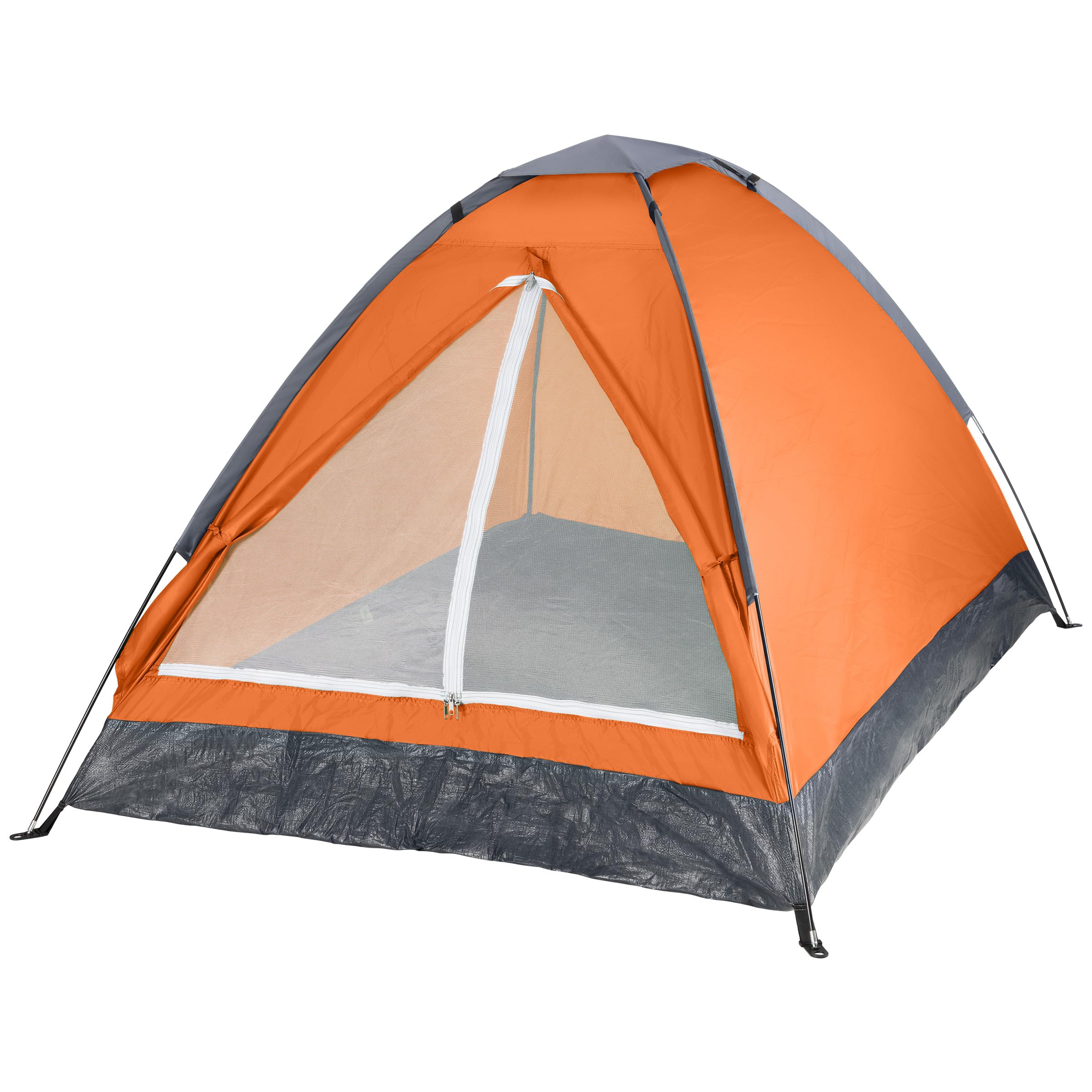
$22 – $62Wakeman Outdoors 2-Person Pop-Up Tent
Stop paying more: Stop at $70. Spending more on a budget tent for occasional use doesn't improve durability significantly.
When to upgrade: If you camp more than twice a year, step up to the mid-range tier for better weather resistance and space.
Mid-Range ($70 – $150)
$120 – $143CAMPROS CP Tent 8 Person Camping Tent

Stop paying more: $150 is the sweet spot. Spending more than $200 adds marginal gains in materials and weatherproofing.
When to upgrade: If you regularly camp in heavy wind or rain, consider the premium tier for instant setup and stronger poles.
Premium ($150 – $300)
$280CORE 9 Person Instant Cabin Tent

Stop paying more: $280 is the peak. Tents above $350 typically add backpacking features you don't need for car camping.
When to upgrade: If you need standing height throughout and ultra-fast setup, this is it. No upgrade needed unless you want a branded luxury model.
Common Mistakes to Avoid
Buying a tent rated for too many people
Manufacturers assume no gear inside and sleeping pad to pad. A 6-person tent comfortably sleeps 4 adults with bags and packs.
Cost of getting it wrong: Ending up cramped or buying a second tent = $100–200 wasted
Ignoring the rainfly quality
Many budget tents include a partial or flimsy rainfly that lets water in during steady rain. A full-coverage rainfly with taped seams is essential.
Cost of getting it wrong: Replacing ruined gear after a rainstorm = $200+
Choosing a tent based on color or pattern
Bright colors are fun but don't affect function. Pay for waterproofing and durability, not aesthetics.
Cost of getting it wrong: Paying $50 more for a color variant that performs identically
Overspending on features you don't need
Ultra-light fabrics, dozens of pockets, and blackout coatings add cost. For car camping, a simple dome with a rainfly is fine.
Cost of getting it wrong: Spending $300+ when a $100 tent works just as well for your use case
Find Your Match
How many people will sleep in the tent?
Frequently Asked Questions
What size camping tent do I need?
Add 2 to the number of people sleeping in the tent to account for gear and room to move. A 4-person tent comfortably sleeps 2 adults with bags and packs. For family car camping, a 6-person tent fits 4 people plus gear.
How much should I spend on a camping tent?
Budget $60–$70 for occasional use, $100–$150 for a reliable family tent, and $200–$300 for premium instant-setup models with better weather protection. Avoid spending over $300 unless you need specialized features.
What should I avoid when buying a camping tent?
Avoid tents with overstated capacity, partial rainflies, or non-taped seams. Don't prioritize color over function. For car camping, steer clear of ultralight backcountry tents — they're more expensive and less durable.
Is a pop-up tent worth it?
Pop-ups are great for solo campers, festivals, or quick overnight stays where setup speed matters most. They're less durable and weather-resistant than traditional tents, so not ideal for extended trips or rainy climates.
Do I need a waterproof rating of 3000mm+?
No. For car camping, 47.24 inches–78.74 inches is sufficient for all but the heaviest rain. Higher ratings add cost without practical benefit unless you camp in monsoon conditions.
How do I set up a camping tent quickly?
Look for instant or pop-up tents with pre-attached poles. Practice setup at home before your trip. Color-coded poles and clip attachments cut setup time to under 10 minutes for most non-instant tents.
Can I use a backpacking tent for car camping?
You can, but backpacking tents are smaller, more expensive per sq ft, and less durable for repeated car camping use. A dedicated car camping tent offers more space, features, and value for the price.
How we wrote this guide
Researched across 6 finalists and 90,537+ verified Amazon reviews. We analyzed buyer ratings, expert evaluations from Wirecutter, OutdoorGearLab, REI, and Field & Stream, and Reddit discussions in r/camping, r/CampingGear, and r/backpacking. Prices updated weekly from Amazon.
About this guide
Mubboo Editorial Team.