Dash Cams Buying Guide 2026: How to Choose Without Overpaying
Everything you need to know before buying a dash cam for your car.
By Mubboo Editorial Team · Updated May 27, 2026 · 10 min read
At a Glance
- Price range
- $60 – $140
- Data
- 62,201 verified reviews across 6 finalists
- Best for
- Highway commuters who need clear plate captureRideshare drivers wanting cabin coverageOwners leaving cars parked for extended periods
- Skip if
- You only drive occasionally and don't need video evidence
Types Explained
Front-Only Dash Cam
Records the road ahead. Simplest installation, lowest cost.
- Easiest to install
- Smallest footprint
- Most affordable
- No rear coverage
- Misses rear-end collisions from behind
Best for: Drivers on a tight budget or those with minimal risk exposure
Example: Garmin Dash Cam Mini 2 ($138.95)
Front and Rear Dual Dash Cam
Records both front and rear views. Most popular configuration.
- Covers front and rear
- Evidence for both directions
- Good value at $100-140
- More complex wiring
- Rear camera can be less sharp
Best for: Commuters in traffic, road trippers, and rideshare drivers
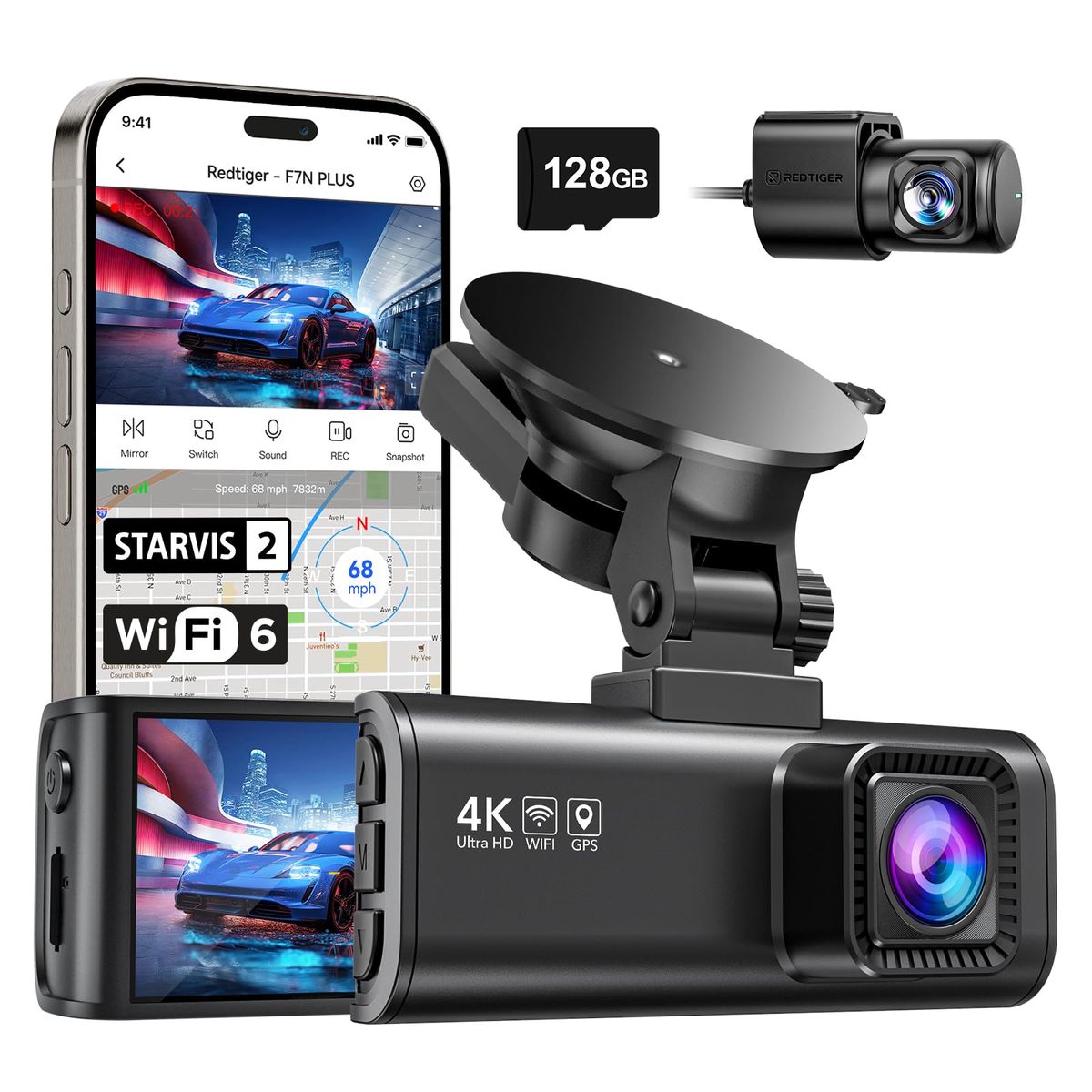
Example: REDTIGER F7NP ($129.99)
3-Channel Dash Cam (Front, Rear, Interior)
Adds an interior-facing camera for recording the cabin.
- Captures inside events
- Good for Uber/Lyft
- Deters theft
- More expensive
- Requires more cabling
Best for: Rideshare drivers, parents with teenage drivers, fleet vehicles
Example: LAIRUIS 1080P 3-Channel ($59.99)
360° Surround Dash Cam
Multiple cameras (usually 4) provide complete vehicle coverage.
- Zero blind spots
- Captures side impacts
- Parking mode benefit
- Complex installation
- Large SD card needed
- Premium price
Best for: Full-coverage enthusiasts and those in high-theft areas
Example: IIWEY N6 360° ($139.99)
What Actually Matters
| Factor | Importance | Best brand |
|---|---|---|
Video Resolution ≥4K front resolution for reading license plates 1080p is fine for daytime but fails at night. 4K is the new standard. | Must-have | ROVE (STARVIS 2) |
Night Vision Quality (STARVIS Sensor) STARVIS or STARVIS 2 sensor for low-light clarity Without STARVIS, night footage is often unusable for plate IDs. | Must-have | REDTIGER, ROVE |
Number of Channels (Front, Rear, Interior) Dual channel (front + rear) for most drivers Three channels are only necessary for rideshare. Don't overbuy. | Nice-to-have | Any with dual channel |
Parking Mode 24/7 parking mode with G-sensor or motion detection Without parking mode, you won't capture hit-and-runs while parked. | Must-have | REDTIGER, IIWEY |
WiFi and App Speed 5GHz WiFi with download speed ≥20MB/s Helpful for quick file sharing, but not a dealbreaker. | Nice-to-have | ROVE, REDTIGER (5G models) |
Voice Control Voice commands can be slower than a button press. Rarely use it during a crash. | Marketing BS | — |
Built-in GPS GPS logs speed and location, but few ever review that data. Adds cost without real value. | Marketing BS | — |
Budget Tiers & Top Picks
What to buy at each price point — and exactly where spending more stops paying off.
Budget ($50–$70)
$50 – $701080P 3-Channel Dash Cam (Front, Rear, Interior)
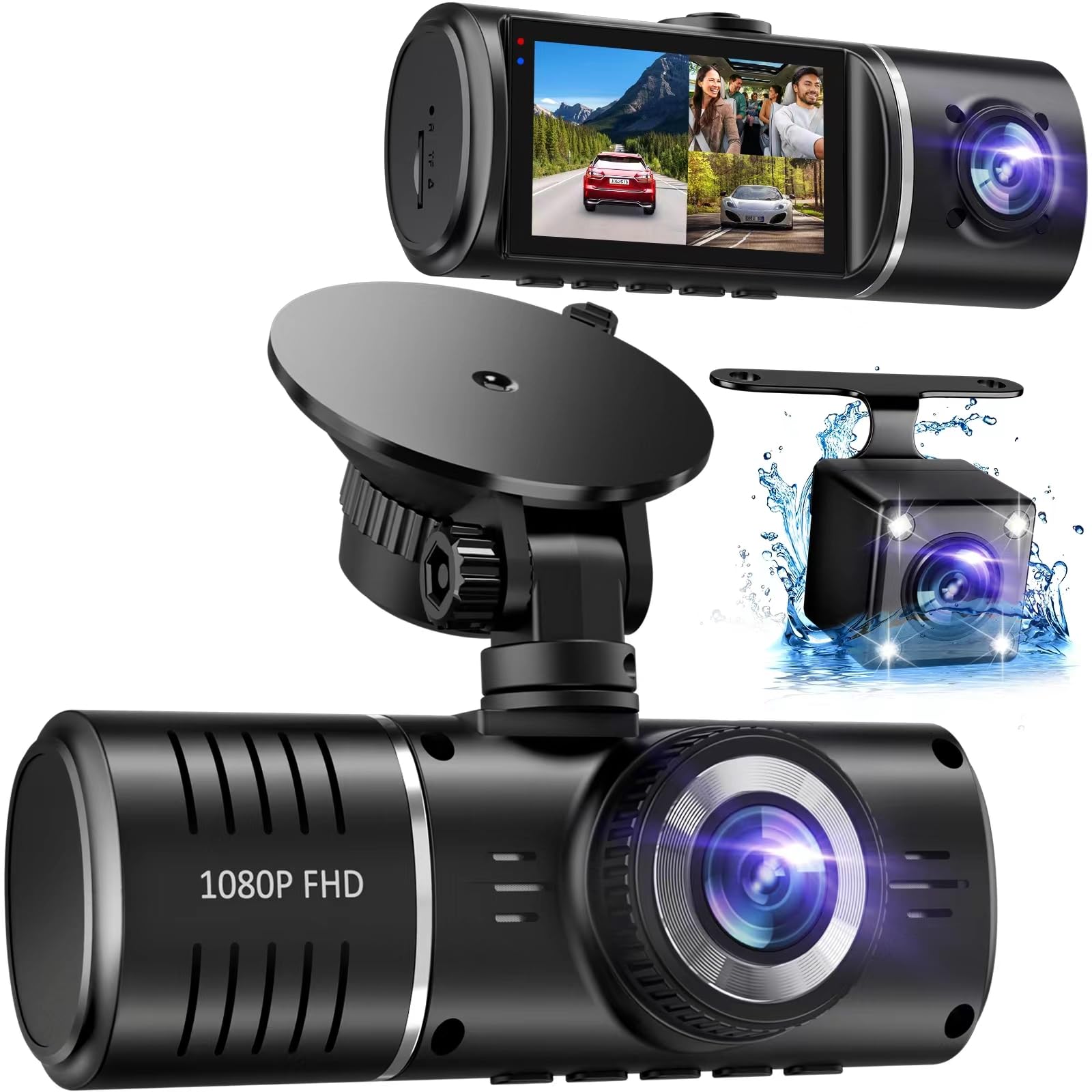
Stop paying more: Stop at $70. Spending more on a budget model won't improve resolution or reliability.
When to upgrade: Want 4K or parking mode? Step up to mid-range ($100–$130).
Mid-Range ($100–$130)
$100 – $130REDTIGER F7NP 4K Dash Cam Front Rear
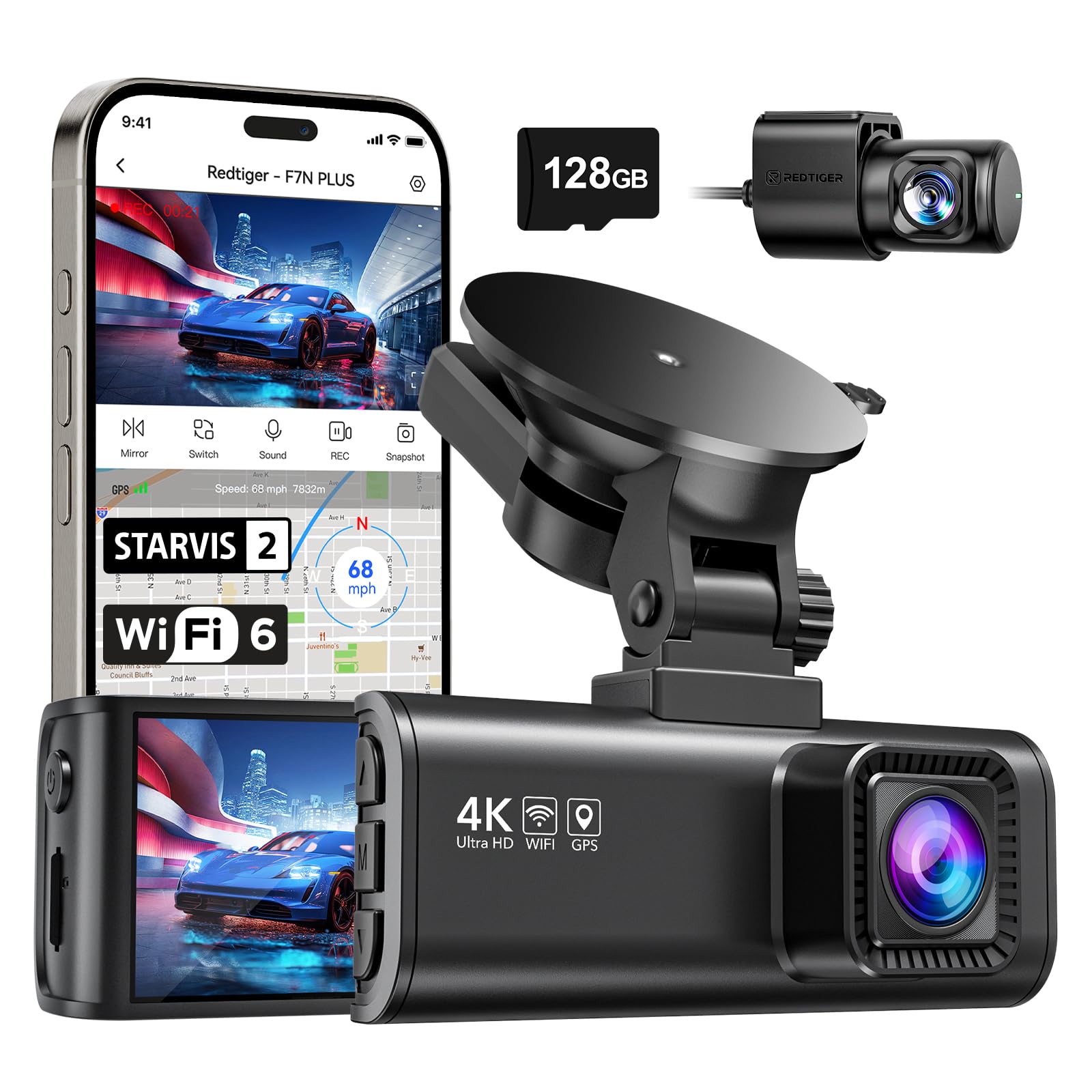
Stop paying more: Stop at $130. The REDTIGER F7NP gives you 4K, dual channels, and a massive review base at a fair price.
When to upgrade: Need STARVIS 2? Consider the ROVE R2-4K at the same price. Want compact? Step up to premium.
Premium ($130–$140)
$130 – $140Garmin Dash Cam Mini 2

Stop paying more: Stop at $140. Spending more rarely improves core video quality or reliability.
When to upgrade: Want 4K front+rear? The REDTIGER F7NP offers better specs at less cost.
Common Mistakes to Avoid
Buying a dash cam without parking mode
You'll later pay $20–40 for a hardwire kit plus installation if you want constant parking recording.
Cost of getting it wrong: $20–40 hidden cost + potential missed footage
Choosing 1080p when you frequently drive at night
1080p struggles to read plates after dark. You'll likely need to buy a 4K model later, wasting the initial investment.
Cost of getting it wrong: $50–100 wasted on a first camera
Ignoring SD card requirements
Some dash cams require high-endurance cards. Using a standard card leads to corruption and lost footage. A compatible card costs $15–30 extra.
Cost of getting it wrong: $15–30 extra, or risk losing evidence
Overpaying for four channels you don't need
360° surround cams cost $140+ and complicate installation. A front+rear setup covers 99% of incidents for most drivers.
Cost of getting it wrong: $50+ extra for unnecessary coverage
Find Your Match
What's your primary use for the dash cam?
Frequently Asked Questions
Best dash cam for night driving
Dash cams with a STARVIS or STARVIS 2 sensor excel in low light. 99) and REDTIGER F7N Touch ($139.99) both feature STARVIS 2 for crisp night footage.
Dash cam with parking mode
Most mid-range and premium dash cams offer 24/7 parking mode. Budget models often lack this feature.
4K dash cam vs 1080p
4K captures license plates clearly, especially at night. If you drive at night, spend the extra $30–50 on a 4K model.
Dash cam with WiFi
WiFi allows wireless file transfer and app control. WiFi is helpful but not essential.
Front and rear dash cam
Dual-channel dash cams record both front and rear simultaneously.
Smallest dash cam for discreet installation
The Garmin Dash Cam Mini 2 at $138.95 is the smallest model available, easily hiding behind the rearview mirror.
How we wrote this guide
We analyzed 62,201 verified buyer reviews across 6 finalist dash cams. Each product was evaluated based on video resolution, night vision quality, channel count, parking mode, and buyer satisfaction. Prices and ratings were verified from Amazon product listings. This guide focuses on the decision-making process, not exhaustive testing. Our recommendations reflect the consensus of verified purchasers.
About this guide
Mubboo Editorial Team — independent US-market consumer research. Picks reflect editorial consensus from verified buyer data.