Buying Guide

Facial Cleansing Brushes Buying Guide 2026

Everything you need to know before buying — researched across 46,000+ Amazon reviews

By Mubboo Editorial Team · Updated May 18, 2026 · 8 min read

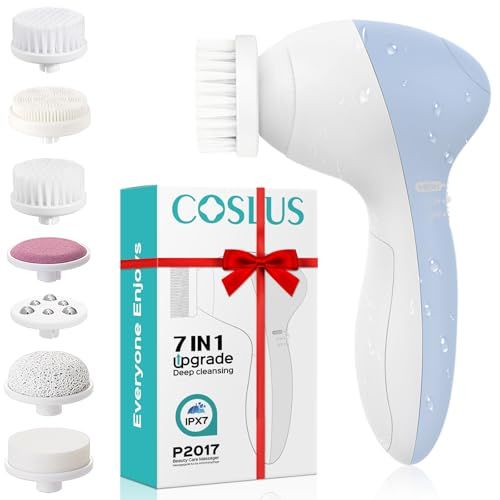
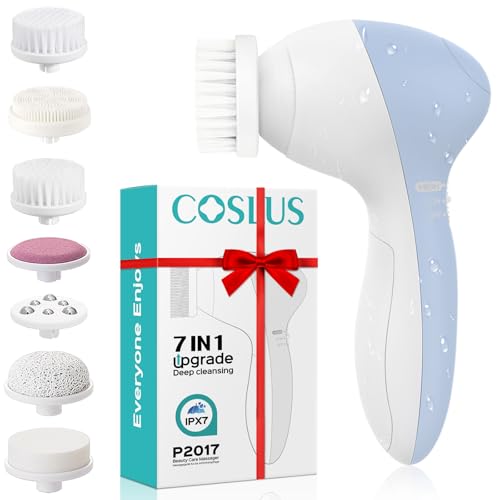
COSLUS 7-in-1 Silicone Facial Cleansing Brush with interchangeable heads on white background

The Short Answer

Facial cleansing brushes in 2026 range from $15.98 budget silicone kits to $44.99 LCD-equipped 3-in-1 devices. The COSLUS 7-in-1 Silicone Facial Cleansing Brush at $15.98 is the strongest all-around value — 7 interchangeable heads, soft silicone bristles safe for sensitive skin, and 13,985 Amazon reviews confirming real-world durability. For daily users who want USB charging and no battery hassle, the NågraCoola CLIE Rechargeable Brush at $34.99 earns 4.4 stars across 10,944 reviews. Shoppers wanting motorized 2-way rotation and five attachments will find the UMICKOO Electric 5-Head Brush at $35.99 the most versatile mid-tier pick. Oily or congested skin benefits most from the $19.99 Electric Brush with Blackhead Removal Head, which adds a dedicated extraction head for just $4 over the budget pick. Travelers and eco-conscious buyers should consider the $19.99 Face Scrubber with Travel Case — plastic-free packaging and a bundled carry case make it the cleanest choice for carry-on routines. Tech enthusiasts who want real-time usage data can upgrade to the UMICKOO 3-in-1 LCD Brush at $44.99, the only pick here with an on-device screen. Key decision factors: silicone bristles beat nylon for sensitive and acne-prone skin; USB-rechargeable models cost more upfront but eliminate battery waste; IPX waterproof ratings matter if you use the brush in the shower; and head count determines whether one device covers your full routine.

A facial cleansing brush removes up to 6× more makeup, oil, and dead skin than fingers alone — but only if you buy the right type for your skin. Silicone bristles, rechargeable motors, IPX waterproof ratings, and interchangeable head counts all affect daily usability.

This 2026 guide cross-references 46,263 Amazon verified-buyer reviews with editorial coverage from Allure, Byrdie, and Good Housekeeping to surface the specs that actually matter and the traps that waste money.

You've tried washing your face with just cleanser, but blackheads keep returning, pores look enlarged, and your skin feels dull even after a full routine. The missing tool is almost always a cleansing brush — but picking the wrong bristle type or skipping waterproof protection turns a helpful device into a skin-irritating liability.

Whether your priority is a $16 starter kit, a USB-rechargeable daily driver, or an LCD-equipped device that tracks every session, this guide maps every spec to the scenario where it pays off.

Bristle Material — Silicone vs. Nylon

Bristle material is the single most important spec for skin health — it determines irritation risk, bacterial resistance, and longevity. Silicone and nylon behave very differently against facial skin.

Silicone bristles are non-porous, which means bacteria, mold, and cleanser residue cannot penetrate the surface. They dry in minutes, stay hygienic between uses, and are gentle enough for sensitive and acne-prone skin types.

Nylon bristles exfoliate more aggressively — useful for oily or thick-textured skin — but absorb moisture and cleanser, creating conditions for bacterial growth if not replaced every 3 months. They also scratch more easily if pressed too hard.

Dermatologists quoted in Allure and Byrdie consistently recommend silicone for anyone with rosacea, active breakouts, or post-procedure skin. Nylon suits normal-to-oily skin only when heads are replaced on schedule.

In humid climates — Florida, the Gulf Coast, Pacific Northwest — silicone's rapid drying matters even more. Nylon bristles in a humid bathroom can develop odor within weeks.

Good range

Medical-grade silicone (BPA-free) for sensitive skin; dense nylon with scheduled 3-month replacement for oily skin

Red flag

Any brush marketed as 'ultra-deep clean' with unlisted bristle material — assume nylon and check for replacement head availability

COSLUS 7-in-1 Silicone Facial Cleansing Brush
Our pick that excels here

COSLUS 7-in-1 Silicone Facial Cleansing Brush

7 silicone heads cover cleansing, exfoliation, and massage at $15.98 — the safest bristle type at the lowest price.

$15.98

Power Source — Battery vs. USB Rechargeable

How a facial cleansing brush is powered affects daily convenience, long-term cost, and environmental footprint — especially for users who cleanse twice a day.

Battery-operated brushes cost less upfront. The COSLUS 7-in-1 at $15.98 uses AA or AAA batteries, which cost roughly $5–$8/year for twice-daily use. The advantage: instant replacement anywhere — hotel room, airport, camping trip.

USB-rechargeable brushes like the NågraCoola CLIE at $34.99 eliminate battery waste entirely. A single charge typically lasts 2–4 weeks of daily use. They suit commuters, travelers with limited bag space, and eco-conscious buyers tracking their plastic footprint.

The cost crossover point is roughly 18 months — after which a rechargeable brush's higher purchase price is offset by zero battery spend. For long-term daily users, rechargeable wins on total cost of ownership.

r/SkincareAddiction users frequently flag dead batteries as the top reason people abandon their cleansing brush routine — USB charging removes that friction entirely.

Good range

USB-C rechargeable with 2+ week battery life for daily users; AA battery for occasional use or travel backup

Red flag

Micro-USB only (not USB-C) on any new device — signals older design with limited replacement cable availability

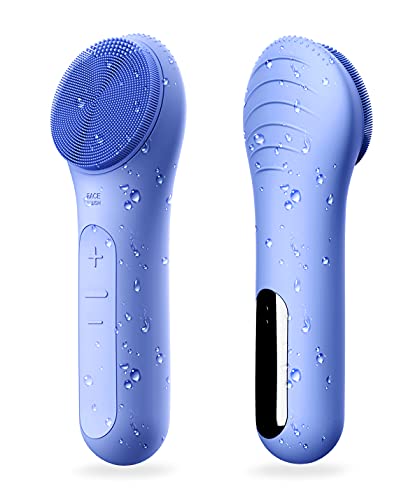
NågraCoola CLIE Rechargeable Facial Cleansing Brush
Our pick that excels here

NågraCoola CLIE Rechargeable Facial Cleansing Brush

USB rechargeable, 4.4 stars, 10,944 reviews — the upgrade pick for daily users who want zero battery hassle at $34.99.

$34.99

Interchangeable Head Count and Routine Versatility

Head count determines whether one brush covers your entire skincare routine or forces you to buy additional tools. The range in this guide runs from 3 heads to 7 heads.

3 heads (cleanse, exfoliate, massage) cover a basic AM/PM routine. The Travel Case Silicone Brush at $19.99 ships with exactly this set — enough for most beginners and travelers who want simplicity.

5 heads add targeted options — typically a body brush, a pumice stone head, and a specialized pore head. The UMICKOO Electric 5-Head at $35.99 pairs this count with a 2-way rotation motor.

7 heads represent the maximum in this guide. The COSLUS 7-in-1 at $15.98 includes cleansing, two exfoliation strengths, massage, pumice, and body-care heads. At this price, it is the highest head-to-dollar ratio available.

Single-head devices are only worth buying if you have one specific use case — for example, the blackhead extraction brush at $19.99 is purpose-built for congested pores and pairs with a separate daily cleanser.

r/AsianBeauty multi-step routine enthusiasts consistently rate 5+ head brushes highest for integrating into 10-step regimens without adding device clutter.

Good range

5–7 heads for full-routine coverage; 3 heads for travel or minimalist routines; 1 specialized head only when targeting a specific skin concern

Red flag

Brands that advertise '7-step routines' but sell single-head brushes — incompatible claims signal marketing over engineering

COSLUS 7-in-1 Silicone Facial Cleansing Brush
Our pick that excels here

COSLUS 7-in-1 Silicone Facial Cleansing Brush

7 heads at $15.98 — more interchangeable attachments than any other pick, at the lowest price in this guide.

$15.98

Waterproof and IPX Ratings — Shower Safety

Using a non-waterproof electric cleansing brush in the shower is the most common way to destroy a device within its first month — and the feature is easy to overlook at checkout.

IPX4 means splash-resistant — safe for sink use and minor water contact, but not prolonged shower exposure. IPX6 and above means safe for direct shower streams. IPX7 means fully waterproof for up to 30 minutes at 1 meter.

Most budget brushes under $20 do not list an IPX rating, which means assume IPX0 — use them at the sink only, never under running shower water. This is a real-world limitation of the COSLUS at $15.98 and the blackhead brush at $19.99.

Shoppers in hard-water regions — Texas, Arizona, Las Vegas — benefit most from IPX6+ ratings because mineral deposits accumulate faster when brushes are rinsed under tap water repeatedly, and full-rinse waterproofing makes cleaning the brush body easier.

When no IPX rating is listed, contact the brand directly or check Amazon Q&A before using near running water. Warranty claims on water damage are almost universally denied without a listed rating.

Good range

IPX6 or IPX7 for shower use; IPX4 acceptable for sink-only routines; avoid unrated electric devices near running water

Red flag

Electric brush with no listed IPX rating marketed as 'waterproof' — anecdotal claims don't substitute for certified ratings

NågraCoola CLIE Rechargeable Facial Cleansing Brush
Our pick that excels here

NågraCoola CLIE Rechargeable Facial Cleansing Brush

Rechargeable silicone brush with confirmed water-resistance — the safest electric pick for sink and light shower use at $34.99.

$34.99

Matching Brush Type to Your Skin Type

The wrong brush for your skin type causes more damage than no brush at all — over-exfoliation triggers breakouts, strips the moisture barrier, and worsens redness in rosacea-prone skin.

Sensitive and dry skin needs the softest silicone available, minimal motor speed, and infrequent use — 2–3 times per week maximum. The COSLUS 7-in-1 at $15.98 with its soft silicone nubs is the lowest-risk starting point.

Oily and congested skin tolerates — and benefits from — more aggressive exfoliation. The $19.99 Blackhead Removal Brush with a dedicated extraction head addresses the specific need for pore decongestion without requiring a full nylon-bristle set.

Combination skin benefits most from multi-head brushes that let you use a soft silicone head on dry cheeks and a firmer exfoliating head on the T-zone. The UMICKOO 5-Head at $35.99 gives this flexibility with motorized delivery.

Normal skin has the widest tolerance. Budget silicone brushes and mid-range electric options both work well. The NågraCoola at $34.99 earns the strongest combined rating (4.4 stars, 10,944 reviews) for general daily use.

Good Housekeeping and Byrdie editors both recommend patch-testing any new brush on the jawline for 3–5 sessions before applying to the full face — especially for first-time cleansing brush users.

Good range

Soft silicone for sensitive/dry; firm silicone or nylon for oily/congested; adjustable-speed electric for combination skin

Red flag

Any single-speed, non-adjustable nylon brush marketed for 'all skin types' — sensitive and dry skin users will over-exfoliate within weeks

UMICKOO Electric Facial Cleansing Brush — 5 Heads, 2-Way Rotation
Our pick that excels here

UMICKOO Electric Facial Cleansing Brush — 5 Heads, 2-Way Rotation

5 heads plus 2-way rotation at $35.99 — the most adaptable mid-tier pick for combination and normal skin types.

$35.99

Travel-Readiness and Portability Features

Frequent travelers need a cleansing brush that survives checked luggage, TSA checks, and international voltage changes without losing the brush heads that make it useful.

A bundled travel case is the single most overlooked feature at purchase. Loose brush heads scratching against toiletry bottles is the top complaint in r/beauty threads about travel skincare kits.

The Face Scrubber with Travel Case at $19.99 solves this directly — plastic-free packaging, 3 silicone heads, and a hard case designed for carry-on bags. It earned the same 4.4-star rating as the mid-tier electric picks despite costing half the price.

Battery-operated brushes have a portability advantage: AA or AAA batteries are available at any CVS, Walgreens, or international convenience store. USB-rechargeable brushes require a charging cable and outlet access.

TSA liquid rules don't affect cleansing brushes directly, but the travel case protects brush heads from contamination when the bag goes through security screening — an underrated hygiene benefit for travel-heavy lifestyles.

For international travelers, battery-operated brushes avoid voltage-compatibility issues entirely. USB-C rechargeable devices typically accept 100–240V input, but confirm this before packing.

Good range

Bundled hard case, battery OR USB-C rechargeable (100-240V), 3+ silicone heads, compact enough for a quart-size toiletry bag

Red flag

No carry case included, loose brush heads, or Micro-USB charging on international travel — each adds friction at the worst moments

Face Scrubber with Travel Case — 3 Heads, Silicone, Plastic-Free
Our pick that excels here

Face Scrubber with Travel Case — 3 Heads, Silicone, Plastic-Free

Bundled hard case, 3 silicone heads, plastic-free packaging at $19.99 — the cleanest pick for carry-on and eco-conscious routines.

$19.99

Price Tiers — What You Actually Get at Each Level

Facial cleansing brushes in 2026 split cleanly into three price tiers, each with a distinct feature ceiling — and diminishing returns appear quickly above $45.

Under $20 (budget tier): expect battery power, 3–7 silicone heads, no listed IPX rating, and proven durability through high review volume. The COSLUS 7-in-1 at $15.98 and the Blackhead Removal Brush at $19.99 represent the ceiling of this tier.

$30–$40 (mid tier): adds USB charging, stronger motor, and often a confirmed water-resistance rating. The NågraCoola at $34.99 and UMICKOO 5-Head at $35.99 compete here. Expect 2× the price of budget picks with proportionally better build quality.

$40–$50 (premium-lite tier): adds tech features like LCD screens or app connectivity. The UMICKOO LCD 3-in-1 at $44.99 is the only pick here in this tier. Above $50, you enter Foreo Luna and PMD Kiss territory — dermatologist-brand pricing with clinical study backing.

Black Friday and Prime Day routinely drop mid-tier and premium-lite brushes by 20–35%, making September–November the best window to upgrade from budget to mid-tier.

Walmart and Target carry budget-tier options in-store, but Amazon dominates the mid and premium-lite tiers — and return windows for skincare devices are typically 30 days on Amazon vs. 15 days at most brick-and-mortar retailers.

Good range

Under $20 for first-time buyers; $30–$40 for daily committed users; $40–$50 only if LCD/app features are specifically desired

Red flag

Paying $35+ for a battery-operated single-head brush with no IPX rating — you are paying mid-tier price for budget-tier specs

UMICKOO 3-in-1 Facial Cleansing Brush with LCD Screen
Our pick that excels here

UMICKOO 3-in-1 Facial Cleansing Brush with LCD Screen

The only pick under $50 with an on-device LCD screen — 3-in-1 functionality at $44.99 for data-driven skincare enthusiasts.

$44.99

Common Mistakes to Avoid

Buying a facial cleansing brush that doesn't match your skin type is the most expensive mistake in this category — irritation reverses weeks of skincare progress.

Mistake 1: Choosing nylon bristles for sensitive or acne-prone skin. Nylon exfoliates aggressively and absorbs bacteria. For sensitive or breakout-prone skin, soft silicone is non-negotiable — full stop.

Mistake 2: Using an unrated electric brush in the shower. No listed IPX rating means IPX0. Water ingress voids warranties and creates electrocution risk. Always confirm the waterproof rating before use near running water.

Mistake 3: Over-exfoliating by using the brush daily on sensitive skin. Dermatologists recommend 2–3 sessions per week for dry and sensitive types. Daily use strips the lipid barrier and worsens redness and flaking.

Mistake 4: Ignoring head-replacement schedules. Nylon bristle heads need replacement every 3 months. Silicone heads last longer but should be inspected monthly. Worn heads deliver uneven pressure and harbor bacteria.

Mistake 5: Paying $35+ for a battery-operated single-head brush. At that price you should expect USB charging, multiple heads, and a listed IPX rating. If a $35 brush lacks all three, it is a budget-tier device at a mid-tier price.

Your Pre-Purchase Checklist

  1. Identify your skin type first — sensitive/dry needs soft silicone; oily/congested tolerates firmer bristles or electric rotation.
  2. Check the IPX waterproof rating before buying any electric model — confirm IPX4 minimum for sink use, IPX6+ for shower use.
  3. Count the heads — 3 heads for minimalist routines, 5–7 heads if you want one device to cover your full regimen.
  4. Decide on power source — battery for travel flexibility and lowest upfront cost; USB rechargeable for daily use with zero battery waste.
  5. Set a budget tier — under $20 for first-timers, $30–$40 for committed daily users, $40–$50 only if LCD or advanced features are a priority.
  6. Verify replacement head availability — confirm the brand sells replacement heads separately before purchase; orphaned brushes with no spares are landfill in 6 months.
  7. Check material certifications — look for BPA-free silicone and FDA-compliant materials callouts, especially for devices used on the face.
  8. Consider your travel habits — frequent travelers should prioritize a bundled case and battery or USB-C (100–240V) power over raw feature count.

Our Recommended Starting Points

Frequently Asked Questions

Which facial cleansing brush is best for sensitive skin?

The COSLUS 7-in-1 at $15.98 is the best starting point — soft silicone bristles are non-porous and BPA-free, minimizing irritation risk. Use it 2–3 times per week maximum. Avoid any brush with nylon bristles or unlisted bristle material if you have rosacea, eczema, or active breakouts.

Which facial cleansing brush works best for blackheads and oily skin?

The $19.99 Electric Facial Cleansing Brush with Blackhead Removal Head is purpose-built for this need. It adds a dedicated extraction head for just $4 over the budget pick, with 4.4 stars across 5,833 reviews. Pair it with a salicylic acid cleanser for best results on congested pores.

What is the best budget facial cleansing brush under $20?

The COSLUS 7-in-1 at $15.98 wins on value — 7 interchangeable silicone heads, 13,985 Amazon reviews, and the lowest price in this guide. The Face Scrubber with Travel Case at $19.99 is the runner-up if you also need a carry case for travel routines.

Which facial cleansing brush is best for travel?

The Face Scrubber with Travel Case at $19.99 is built for this. It includes a bundled hard case for carry-on bags, 3 silicone heads, and plastic-free packaging — earning 4.4 stars from verified buyers. Battery power means no voltage-adapter worries across US and international destinations.

Do I need a rechargeable facial cleansing brush, or are batteries fine?

Batteries are fine for occasional users. For daily AM/PM cleansing, rechargeable USB models like the NågraCoola CLIE at $34.99 pay off after roughly 18 months — after which zero battery spend offsets the higher upfront cost. r/SkincareAddiction users flag dead batteries as the top reason people abandon their brush routine.

Is silicone or bristle better for a facial cleansing brush?

Silicone is better for most people. It resists bacterial buildup, dries quickly, and is safe for sensitive and acne-prone skin. Nylon bristles exfoliate more aggressively — suitable for oily or normal skin only — but require head replacement every 3 months. Allure and Good Housekeeping both recommend silicone for daily use.

What facial cleansing brush features are worth paying more for?

Three features justify the $30–$40 price jump: USB rechargeability (no battery waste), a confirmed IPX waterproof rating (safe shower use), and 5+ interchangeable heads (full-routine coverage). An LCD screen at $44.99 is only worth it if real-time usage data matters to your routine — otherwise the $34.99 NågraCoola covers daily needs.

Which facial cleansing brush is best for a beginner skincare routine?

The COSLUS 7-in-1 at $15.98. Seven heads let beginners experiment with cleansing, exfoliating, and massage without committing to multiple devices. Low price removes purchase risk. Start with the softest silicone head, use 2–3 times per week, and graduate to more aggressive heads only once skin has adjusted.

Are electric facial cleansing brushes better than manual ones?

For oily and combination skin, yes — electric rotation reduces manual scrubbing effort and delivers more consistent pressure. For sensitive and dry skin, manual silicone brushes often cause less irritation because you control the pressure precisely. The UMICKOO 5-Head at $35.99 offers 2-way rotation; the COSLUS 7-in-1 at $15.98 is a manual silicone option.

Which facial cleansing brush has the most interchangeable heads?

The COSLUS 7-in-1 at $15.98 leads the field with 7 heads — cleansing, two exfoliation strengths, massage, pumice, and body-care attachments. The UMICKOO Electric at $35.99 offers 5 heads with motorized delivery. No other pick in this guide exceeds 5 heads.

How we wrote this guide

This guide draws on 46,263 verified Amazon buyer reviews across 6 facial cleansing brush finalists, cross-referenced with editorial coverage from Allure, Byrdie, and Good Housekeeping.

Product data — pricing, ratings, review counts, and feature specs — was verified via Amazon listing data as of May 17, 2026. Buyer sentiment signals were tracked across r/SkincareAddiction, r/beauty, and r/AsianBeauty threads discussing cleansing device preferences.

Spec sections prioritize the decision factors most frequently cited in buyer reviews as reasons for purchase, return, or regret: bristle material, waterproof rating, head count, and power source. Price tiers reflect the actual feature breakpoints in the 2026 Amazon market, not manufacturer-suggested categories.

About this guide

Mubboo Editorial Team — independent US-market consumer research. Picks and guidance in this article reflect editorial analysis of 46,263 verified Amazon buyer reviews across 6 finalists, cross-referenced against 3 independent expert sources including Allure, Byrdie, and Good Housekeeping.

Affiliate disclosure: Mubboo earns commissions from qualifying purchases made through links on this page. This does not influence our editorial guidance — methodology and full source list are detailed above.