Robot Vacuum Buying Guide 2026: How to Choose Without Overpaying
We analyzed 125,388+ verified reviews across 6 top models to help you pick the perfect robot vacuum for your home.
By Mubboo Editorial Team · Updated May 28, 2026 · 7 min read
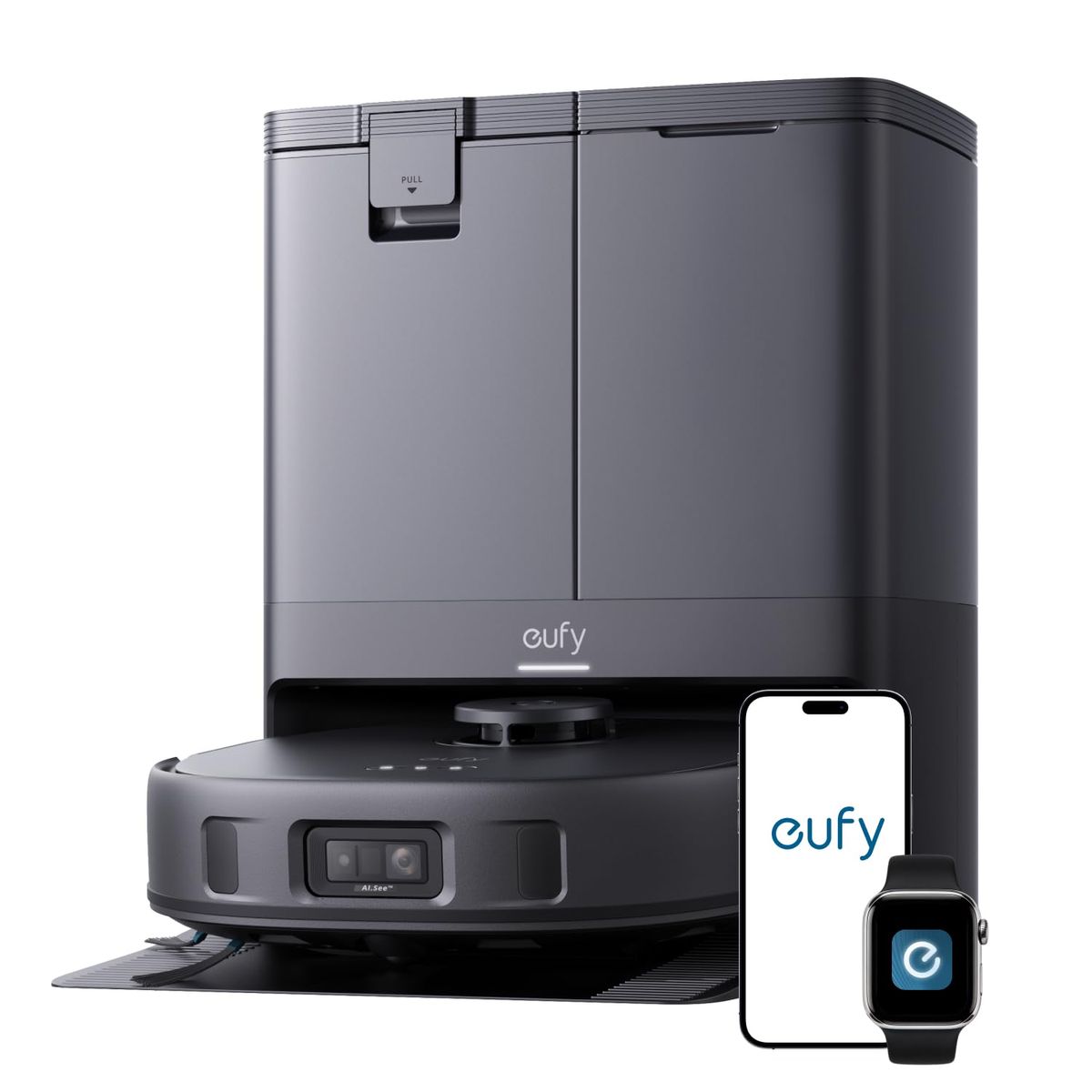
At a Glance
- Price range
- $169.99 – $499.98
- Budget pick
- eufy 11S MAX ($169.99 · 4.1★)
- Data
- 125,388+ verified reviews across 6 finalists
- Best for
- Pet hair in suburban homesSmall NYC apartments under 600 sq ftMulti-level houses
- Skip if
- You only vacuum once a week — a manual stick vac is cheaper
Types Explained
Basic Robot Vacuum
A standalone vacuum that cleans floors autonomously but lacks self-emptying and mopping. It returns to its charging dock and requires manual bin emptying after each run.
- Lowest price point
- Simple setup
- Lightweight and compact
- Must empty dustbin after every cycle
- No mopping
- Limited smart features
Best for: Tight budgets or small spaces like dorms
Example: eufy 11S MAX ($169.99)
Self-Emptying Robot Vacuum
A vacuum that automatically empties its onboard dustbin into a larger base station, lasting weeks before needing a bag change. Often includes advanced navigation and app control.
- Hands-free for weeks
- Stronger suction typically
- Better mapping and room selection
- Higher upfront cost
- Base station takes up floor space
- Bag replacement cost over time
Best for: Busy homes with pets or frequent shedding
Example: Roborock Q7 M5+ ($299.99)
Robot Vacuum and Mop Combo
A 2-in-1 device that vacuums and wet-mops in a single pass. Many models include a self-cleaning mop pad and auto-refill station for true hands-free floor care.
- One device does both jobs
- Self-cleaning mop on premium models
- Better for hard floors
- Most expensive category
- Mop may streak if not properly maintained
- Larger dock footprint
Best for: Homes with mostly hard floors and need for daily mopping
Example: eufy X10 Pro Omni ($479.99)
What Actually Matters
| Factor | Importance | Best brand |
|---|---|---|
Suction Power (Pa) ≥10,000 Pa for pet hair and carpets Higher suction removes embedded dirt from carpets. For bare floors, even 2,000 Pa works. | Must-have | Roborock (10,000 Pa+), eufy (15,000 Pa in premium) |
Battery Life ≥100 minutes for up to 1,500 sq ft Most models auto-return and resume, so shorter batteries are fine for smaller homes. | Must-have | Roborock (150 min), eufy (140 min) |
Self-Emptying Base 7-9 weeks capacity is good, 30-day is premium Self-emptying is a game-changer for convenience but adds $100-200 to the price. | Nice-to-have | Shark (30-day capacity), Roborock (7-9 weeks) |
Navigation and Mapping LiDAR or visual SLAM for efficient cleaning Random bounce navigation is outdated; modern mapping saves time and covers every inch. | Must-have | Roborock (PreciSense LiDAR), eufy (iPath laser) |
Pet Hair Handling Anti-tangle brush or zero-tangle design If you have long-haired pets or people, look for tangle-free rollers to avoid brush jams. | Nice-to-have | eufy (zero-tangle), Roborock (dual anti-tangle) |
Brand Name Alone Don't pay extra just for the iRobot or Samsung badge. Many lesser-known brands offer better specs for the same price. | Marketing BS | — |
Budget Tiers & Top Picks
What to buy at each price point — and exactly where spending more stops paying off.
Budget
$169.99 – $200
Stop paying more: Diminishing returns above $200 — spending more doesn't improve basic cleaning on hard floors.
When to upgrade: If you need self-emptying or stronger suction, step up to the mid-tier ($300).
Mid-Tier
$299.99 – $300
Stop paying more: At $300 you get strong suction, self-emptying, and mopping. Spending more adds automation but not cleaning power.
When to upgrade: If you want auto-mop washing and the highest suction, step up to premium ($500).
Premium
$479.99 – $499.98
Stop paying more: Diminishing returns above $500 — you're paying for minor upgrades like faster mapping or color options.
When to upgrade: If you want the absolute best in automation and suction, this is the top tier.
Common Mistakes to Avoid
Buying by brand name alone
Popular brands like iRobot or Samsung charge a premium, but budget brands like eufy and Roborock often offer superior specs at lower prices. Buy based on features, not the logo.
Cost of getting it wrong: You could pay $150-300 extra for a brand name with worse performance.
Ignoring self-emptying capacity
If you buy a vacuum without a self-emptying base, you'll empty the bin daily. The $100-200 upgrade saves hours of maintenance per year.
Cost of getting it wrong: Loss of convenience — manual bin emptying daily vs. weekly.
Overlooking noise levels
Many robot vacuums push 65-70 dB on max suction. Check decibel ratings and opt for models under 65 dB if you work from home or have light sleepers.
Cost of getting it wrong: $50-100 filter upgrade for quieter operation — or early return.
Find Your Match
What's your home size?
Frequently Asked Questions
How much should I spend on a robot vacuum?
Budget-friendly models under $200 handle basic cleaning on hard floors. For self-emptying and mopping, plan to spend $300-$500. Spending over $600 rarely adds proportional value unless you want the strongest suction or full automation.
What should I avoid when buying a robot vacuum?
Avoid paying extra for brand names alone — specs matter more. Skip models without LiDAR or visual mapping, as random navigation is inefficient. Also check noise ratings: models over 65 dB can be disruptive in open floor plans.
Do I need a self-emptying base?
If you vacuum daily or have pets, a self-emptying base saves you from emptying the bin every day. Most bases last 7-9 weeks before needing a bag change, adding $100-200 to the price but significantly reducing hands-on time.
Is mopping worth it on a robot vacuum?
Robot mops are great for maintaining hard floors but don't replace deep cleaning. Models with self-cleaning mop pads or dual spinning pads handle dried stains better. If you primarily have carpets, a vacuum-only model may be sufficient.
What suction power do I need for pet hair?
For pet hair on carpets, look for at least 10,000 Pa suction. Models with anti-tangle brushes or zero-tangle rollers prevent hair wrap. The Roborock Q7 M5+ at 10,000 Pa and eufy C28 at 15,000 Pa are strong options.
How long does a robot vacuum battery last?
Most modern robot vacuums run 100-150 minutes on a single charge. That covers about 1,000-2,000 sq ft before returning to the dock. All models automatically recharge and resume if they run out mid-session.
How we wrote this guide
We researched 6 finalist robot vacuums and 125,388+ verified Amazon reviews. Cross-referenced expert tests from Wirecutter and community insights from r/RobotVacuums. Prices update weekly from Amazon.
About this guide
Mubboo Editorial Team. Picks based on independent research and verified user reviews. Prices update weekly from Amazon.