A direct LAX–Narita flight on ANA or JAL runs $550–750 round trip. A 1-stop route through Seoul on Korean Air or Taipei on EVA Air drops to $380–480 — adding only 3–5 hours to an already 11-hour journey. Here’s the thing most people don’t consider: the 17-hour time difference between LA and Tokyo already wrecks your body clock, so whether you arrive in 11 hours or 15, jet lag hits the same. The real question is whether the $150–200 you save on a 1-stop flight is worth it. We compared eight airlines on this route — from Zipair’s $300 budget fares to JAL’s premium service — and found the answer depends entirely on how you fly.
Compare all LA to Tokyo flights →
At a Glance
✈️ Cheapest Fare
~$300 RT (Zipair, LAX→NRT)
⏳ Flight Time
~11–12h direct, 14–18h with 1 stop
✈️ Direct Airlines
ANA, JAL, United, Delta, American, Zipair
🎉 Best Value
EVA Air via Taipei (~$380–480 RT)
📅 Cheapest Months
January–February, October–November
📍 Visa
Not required (US citizens, under 90 days)
Every Airline on This Route — Ranked by What You Actually Get
We checked fares across all eight carriers in late March 2026 using Google Flights, Kayak, and Skyscanner. Japanese carriers (ANA, JAL) include meals, drinks, blankets, and amenity kits in economy — US carriers don’t match that on transpacific routes.
| Airline | RT Fare | Stops | Tokyo Airport | Included |
|---|---|---|---|---|
| Zipair | $300–450 | Nonstop | NRT | Seat only. No meals, no screens, no blanket. |
| EVA Air | $380–480 | 1 (Taipei) | NRT | Meals, bags, entertainment. Star Alliance. |
| Korean Air | $380–500 | 1 (Seoul) | NRT/HND | Meals, bags, entertainment. SkyTeam. |
| American | $480–650 | Nonstop | NRT/HND | Meals, carry-on. Oneworld miles. |
| United | $500–700 | Nonstop | NRT/HND | Meals, carry-on. MileagePlus/Star Alliance. |
| Delta | $500–700 | Nonstop | HND | Meals, carry-on. SkyMiles. Delta One avail. |
| ANA | $550–750 | Nonstop | NRT/HND | Full service. Meals, drinks, amenity kit. |
| JAL | $550–750 | Nonstop | NRT/HND | Full service. Sky Suite biz class available. |
Round-trip fares checked via Google Flights, Kayak, and Skyscanner, late March 2026. Prices fluctuate daily.
Our honest take
For most people, EVA Air via Taipei is the best value on this route. You get full-service meals, 2 checked bags, seatback entertainment, and Star Alliance miles for $380–480 — $150+ less than ANA or JAL direct. The 3–4 hour layover in Taipei adds time, but the Taipei airport (TPE) has free showers, lounges, and excellent food courts. If you absolutely want nonstop and are budget-conscious, Zipair at $300–450 is legit — just bring your own food, download movies to your phone, and pack a blanket. We’d skip it for flights over 8 hours unless you’re truly disciplined about traveling light.
See today’s prices across all airlines →
Narita vs Haneda — Which Tokyo Airport Is Worth the Extra $50?
This choice matters more than most travelers realize. Narita is 60–90 minutes from central Tokyo. Haneda is 20–30 minutes. After an 11-hour flight, that extra hour in transit feels like three.
Narita (NRT) — Budget Carriers + Most US Airlines
Located in Chiba Prefecture, about 60 km east of central Tokyo. The Narita Express (N’EX) reaches Tokyo Station in ~55 minutes for ¥3,070 (~$20). If you have a Japan Rail Pass, the N’EX ride is included free. Budget option: the Keisei Access Express runs to Asakusa/Ueno for ¥1,270 (~$8.50) in about 70 minutes. Zipair, EVA Air, Korean Air, and most American/United nonstops land here.
Pre-book a private transfer if you’re arriving late or with heavy luggage:Welcome Pickups orKiwitaxi for groups/families.
Haneda (HND) — Premium Carriers, Closer to Everything
Only 15 km south of central Tokyo. The Tokyo Monorail reaches Hamamatsucho Station in 13 minutes for ¥500 (~$3.30), and the Keikyu Line reaches Shinagawa in 11 minutes for ¥300 (~$2). ANA, JAL, and Delta fly into Haneda on many LAX routes. If your fare is only $30–50 more for a Haneda arrival, we think it’s worth it every time — you save 60+ minutes of ground transit and arrive closer to Shinjuku, Shibuya, and Roppongi.
When to Book — Cherry Blossoms Cost Double

| Period | Typical RT Fare | Notes |
|---|---|---|
| Jan–Feb (post-holidays) | $380–550 | Cheapest window. Cold (35–50°F) but uncrowded. |
| Oct–Nov | $420–600 | Fall foliage, great weather, moderate prices. |
| May–June | $450–650 | After Golden Week. Pleasant weather, fewer tourists. |
| Late Mar–mid-Apr | $650–950+ | Cherry blossom season. Book 4–6 months early. |
| Golden Week (late Apr) | $600–850+ | Japan’s national holidays. Domestic AND intl prices spike. |
| Jul–Aug | $550–800 | Summer peak. Hot, humid, typhoon risk. |
| Late Dec | $600–900+ | Holiday surge. Peak Dec 18–28. |
Booking window
For economy, book 2–4 months ahead. For business class, 3–6 months — ANA and JAL business sells out fast on this route. Fare alerts on Google Flights are your best tool; set one for LAX–TYO and let the algorithm watch prices for you. The “sweet spot” for cherry blossom season is booking in October or November for the following spring.
Compare LA–Tokyo prices for your dates →
Surviving 11 Hours in Economy — What Actually Helps
We’ve done this flight multiple times, and here’s what we’ve learned the hard way:
Jet lag strategy: Most LAX–Tokyo flights depart late morning and arrive Tokyo the following afternoon (crossing the International Date Line). Force yourself to stay awake until at least 9pm Tokyo time on arrival day. Do NOT nap at the hotel — walk around Shinjuku or Shibuya to keep your body moving. You’ll adjust in 2 days instead of 4.
ANA/JAL vs US carriers in economy: Japanese carriers serve two full meals (not snack boxes), unlimited beer/wine/whiskey, provide blankets and amenity kits, and flight attendants actually check on you. United and Delta give you one meal, charge for alcohol in basic economy, and the blanket is thinner. For an 11-hour flight, the difference in comfort between ANA economy and United economy is noticeable.
What to bring: Noise-canceling headphones (non-negotiable on an 11-hour flight), compression socks if you’re prone to swelling, a refillable water bottle (cabin air is brutally dry), and snacks even on Japanese carriers. Download movies/shows before boarding — especially if you’re on Zipair, which has no seatback screens.
Skip the Airport WiFi Rental — Get a Japan eSIM Before You Leave
Japan has excellent 4G/5G coverage in cities, but public WiFi is spotty outside train stations and convenience stores. The old-school move was renting a pocket WiFi device at Narita for ¥1,000/day (~$7) — but eSIMs are cheaper, simpler, and activate instantly. Download one before you leave LA and it works the moment you land.
📱 Japan eSIM Options
Yesim Japan eSIM — our top pick for coverage and data plans. Reliable across Tokyo, Osaka, and rural areas.
Airalo Japan eSIM — wide selection of plans, popular with frequent travelers.
Saily Japan eSIM — competitive pricing, compare plans for your trip length.
Activate before you board at LAX — takes 5 minutes.
Quick Tokyo Guide — What Every First-Timer Needs to Know
💰 Cash Is Still King
Japan has been adopting card payments faster since COVID, but many ramen shops, small izakayas, shrines, and local markets are still cash-only. Carry ¥30,000–50,000 ($200–330) in cash. 7-Eleven ATMs accept all international Visa/Mastercard/Amex and have English menus — they’re your best friend for cash withdrawals. Avoid airport exchange counters; the rates are terrible.
🚆 Get a Suica or Pasmo IC Card Immediately
Buy one at the airport or any JR station. These rechargeable IC cards work on all Tokyo trains, buses, and even convenience stores and vending machines. Tap in, tap out — no need to figure out fare calculations. Load ¥3,000–5,000 ($20–33) to start. A single Tokyo Metro ride costs ¥170–320 (~$1.10–2.10) depending on distance.
🙋 Tipping — Don’t Do It
This is not optional cultural advice — tipping in Japan is genuinely considered rude. At restaurants, hotels, taxis — zero tip. If you leave money on the table, staff will chase you down to return it. Service is already included and pride in work is the culture. Respect it.
🎩 Things to Do
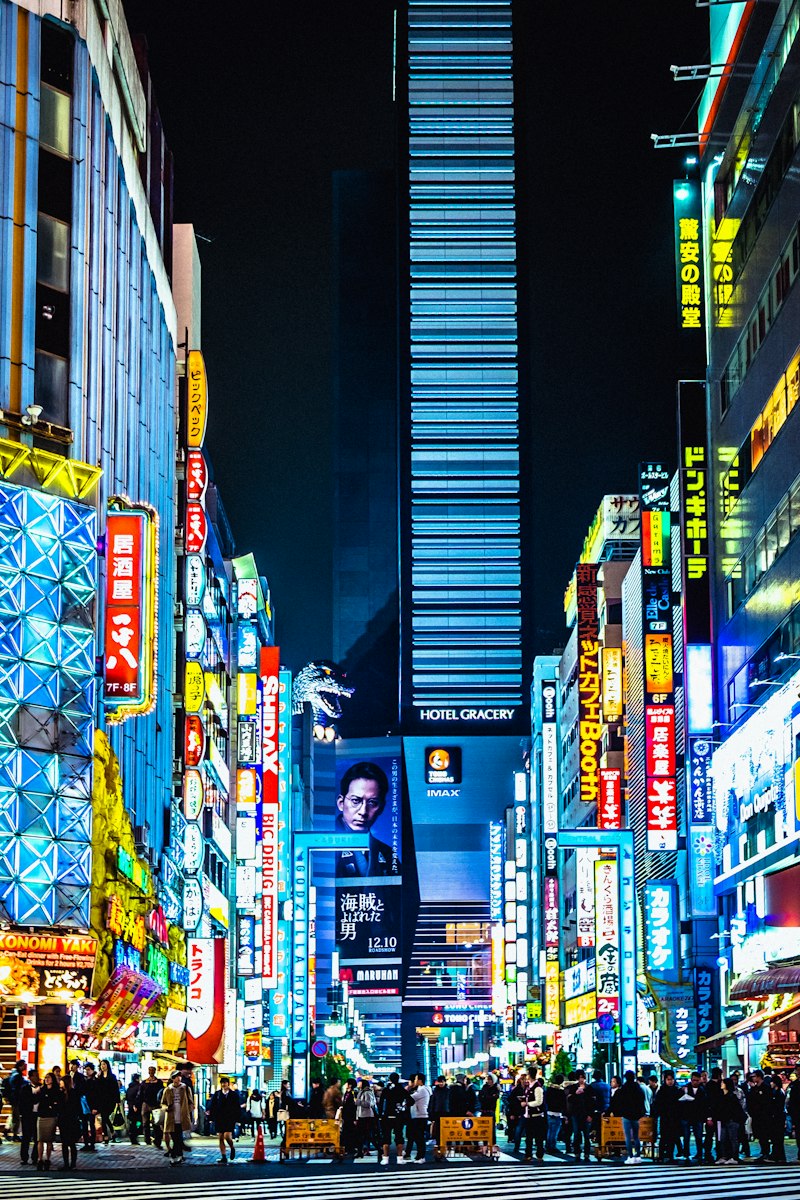
teamLab Borderless/Planets (¥3,800/~$25 — book online, sells out), Tsukiji Outer Market food tours ($30–60), day trip to Hakone or Kamakura (1.5 hours by train), Akihabara for electronics and anime, Meiji Shrine (free), and Sensoji Temple in Asakusa (free). Golden Gai in Shinjuku has 200+ tiny bars in 6 alleys — most have a ¥500–1,000 ($3–7) cover charge and seat 6–8 people.
💼 Luggage Storage
Coin lockers at train stations fill up fast, especially at Tokyo Station and Shinjuku. If you’re doing a day trip or checking out early, Radical Storage has locations near Tokyo Station and major hubs — typically $6–8 per bag per day, guaranteed space.
🔐 Streaming & VPN
Your US Netflix, Hulu, and HBO Max libraries switch to Japanese catalogs when you land. If you want to keep watching your shows, NordVPN keeps your US streaming library accessible. Download the app before you leave — Japan doesn’t block VPN usage.
Travel Insurance — Your US Health Insurance Doesn’t Work Here
This is not optional for Japan. A hospital visit in Tokyo can cost $3,000–10,000+ without coverage, and your US health insurance almost certainly doesn’t cover international medical expenses. Japan’s healthcare is excellent — fast, clean, high-tech — but it’s not free for foreign visitors.
Beyond medical, insurance also covers flight delays (relevant during typhoon season August–October), lost luggage on an 11-hour flight with connections, and trip cancellation.
EKTA travel insurance covers medical emergencies, flight delays, and trip cancellation — essential for any transpacific trip. Policies start around $30–50 for a 2-week trip.
Emergency & Essential Contacts
| Japan Emergency (police) | 110 |
| Japan Emergency (fire/ambulance) | 119 |
| Japan Tourist Helpline (English 24/7) | 050-3816-2787 |
| US Embassy Tokyo | +81 3-3224-5000 |
| US Embassy address | 1-10-5 Akasaka, Minato-ku, Tokyo 107-8420 |
| US Embassy website | jp.usembassy.gov |
| Narita Airport | +81 476-34-8000 |
| Haneda Airport | +81 3-5757-8111 |
Register with the Smart Traveler Enrollment Program (STEP) before your trip — the US Embassy can contact you in an emergency, and you’ll receive safety alerts for Japan.
Frequently Asked Questions
What’s the cheapest airline from LA to Tokyo?
Zipair (JAL’s budget subsidiary) offers the cheapest nonstop fares at $300–450 round trip, LAX to Narita. For 1-stop flights, EVA Air via Taipei runs $380–480. Both are significantly cheaper than full-service nonstops on ANA or JAL ($550–750). The trade-off with Zipair: no meals, no screens, no blankets — just a seat on a brand-new 787.
Is Zipair worth it for budget transpacific flights?
Honestly, it depends on your tolerance. Zipair flies brand-new Boeing 787 Dreamliners with decent seat pitch (31″), but everything beyond the seat costs extra — meals, blankets, entertainment, even water. For a 3-hour domestic flight, that’s fine. For 11 hours over the Pacific, bring your own food, download entertainment, and pack a travel blanket. Families and frequent travelers generally say it’s worth the savings ($150–300 less than ANA/JAL), but solo travelers who want comfort may prefer paying more.
Do I need a visa to visit Japan from the US?
No. US citizens can enter Japan visa-free for stays up to 90 days for tourism or business. You’ll need a passport valid for the duration of your stay (Japan doesn’t require 6 months validity, just enough to cover your trip). At immigration, you’ll get a “temporary visitor” stamp. Visit Japan Web (vjw.digital.go.jp) to pre-register your customs and immigration info — it speeds up the arrival process significantly.
Which Tokyo airport is closer to the city — Narita or Haneda?
Haneda (HND), by a lot. It’s 15 km from central Tokyo — about 20–30 minutes by monorail or train, costing ¥300–500 (~$2–3.30). Narita (NRT) is 60 km east and takes 55–90 minutes, costing ¥1,270–3,070 (~$8.50–20). If your fare difference for a Haneda arrival is under $50, it’s worth it every time.
How much cash should I bring to Japan?
Bring ¥30,000–50,000 ($200–330) in cash to start. Japan has rapidly adopted cashless payments since COVID, but many ramen shops, izakayas, street food vendors, and smaller establishments remain cash-only. 7-Eleven ATMs accept international cards and have English menus — use them for additional withdrawals. Don’t exchange at the airport; the rates are 5–10% worse than city ATMs.
Ready to book? Compare all LA–Tokyo fares in one search.
Compare flights from ~$300 →Opens Jetradar — searches 700+ airlines at once
More from Mubboo Travel
Disclosure: Some of the deals and platforms we’ve linked to are affiliate partners — if you buy through our links, we might earn a small commission. Doesn’t cost you anything extra, and it helps keep the site running. We only recommend stuff we’d actually use ourselves. All fares were checked in late March 2026 and fluctuate daily. See our full disclosure policy.