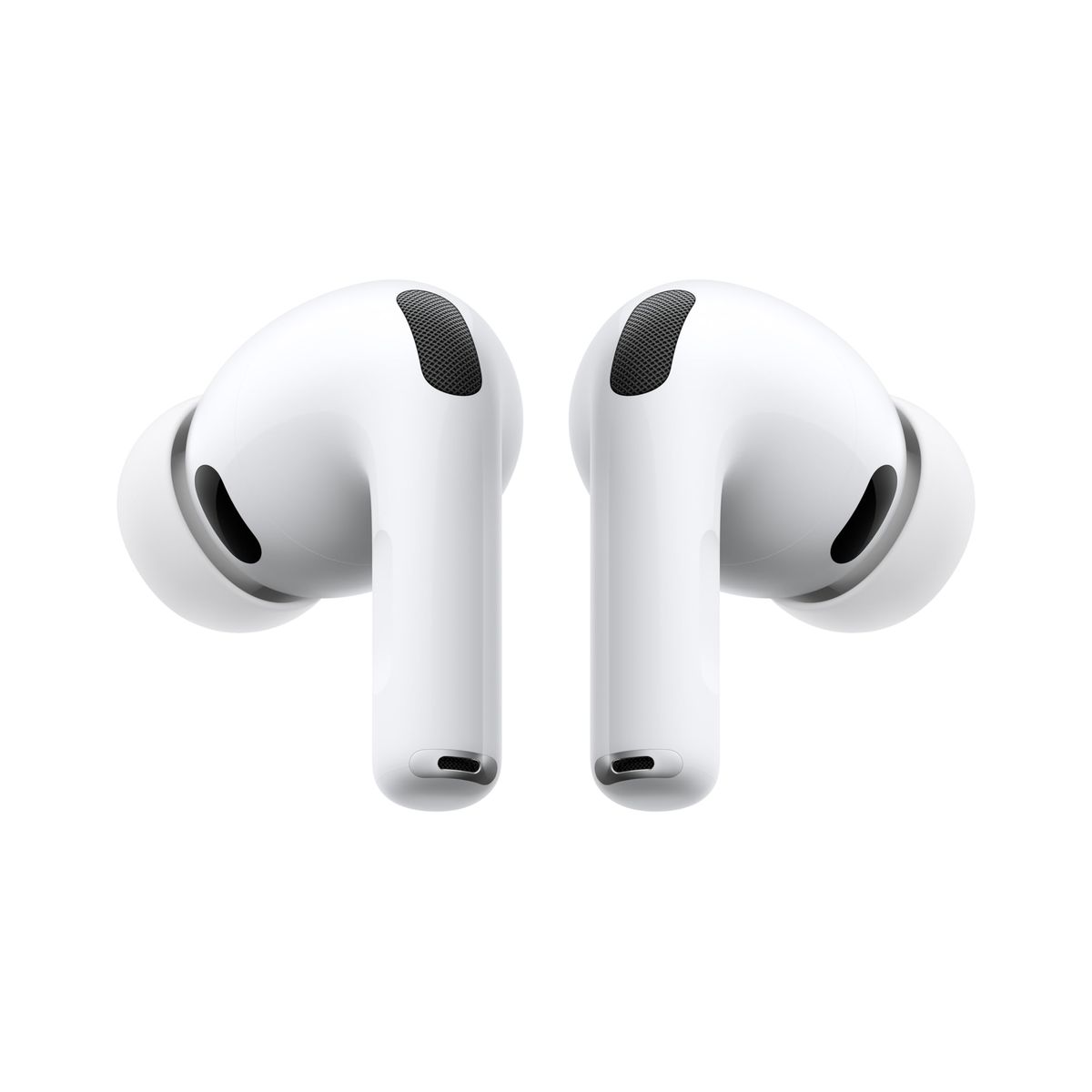
Prices verified Aug 2 · Always confirm at the retailer before buying.
Quick answer
Choose AirPods Pro 3 when you use Apple devices and value the Apple ecosystem, Adaptive Audio, hearing features, IP57 dust/sweat/water resistance, and the lower current registry price. Its current US product-registry record lists $199, a 4.5/5 rating, and 10,159 reviews. Choose Sony WF-1000XM5 when Android compatibility, LDAC, multipoint, or Sony's listed noise-canceling and call-processing features matter more; its current record lists $248, a 3.8/5 rating, and 5,967 reviews. The current registry price gap is $49. AirPods Pro 3 lists up to 8 hours with Active Noise Cancellation and up to 24 hours with its case; Sony lists up to 8 hours with noise canceling and up to 24 hours with its case. This page compares manufacturer-listed features and current registry records; it does not claim a controlled ANC, sound, call-quality, comfort, durability, or battery test. Confirm device support, fit, return terms, and the exact US listing before checkout.
Choose AirPods Pro 3 for Apple integration and the lower current price; choose Sony WF-1000XM5 for LDAC, multipoint, and Android flexibility. The current registry gap is $49, and neither product page is a controlled performance test.
Mubboo Verdict
Best for most people
Apple AirPods Pro 3
It is the clearer fit for Apple-device users who want the lower current registry price and Apple's listed ecosystem features.
Pick the Sony WF-1000XM5 instead if
- You use Android or mixed devices and specifically want Sony's listed LDAC.
- You need a multipoint workflow and confirm current Sony support for your devices.
- You prefer Sony's app and fit after checking the return terms.
Apple AirPods Pro 3 vs Sony WF-1000XM5, side by side
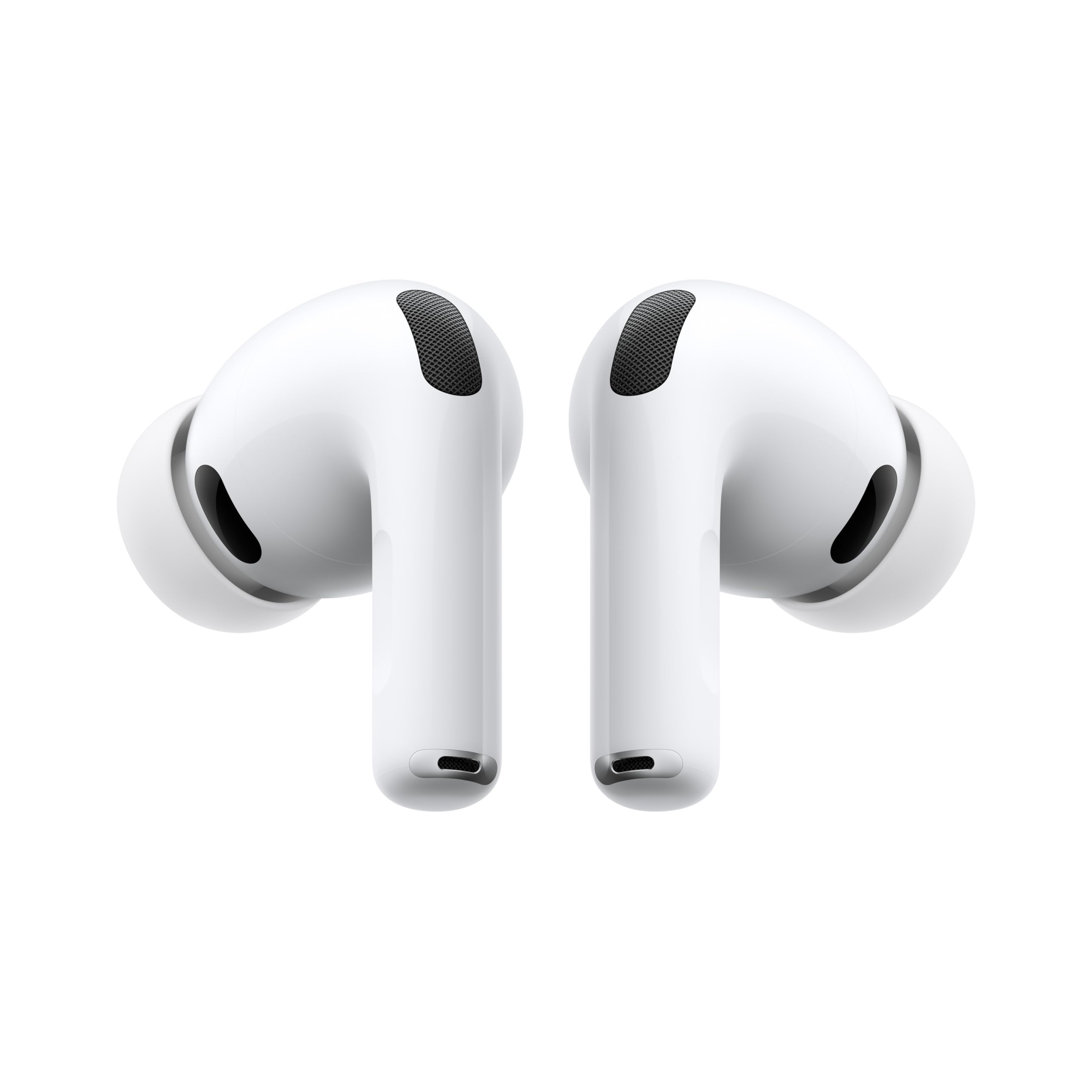
Apple AirPods Pro 3
Pros:
- Lower current registry price by $49
- Apple lists Adaptive Audio, Transparency mode, and the H2 chip
- Apple lists hearing features, Live Translation, and IP57 resistance
- Higher current rating and larger review sample than the Sony record
Cons (honest weight):
- The full feature experience is strongest within Apple's device ecosystem
- Fit and hearing-feature suitability still depend on the individual user
- Listed features do not prove better ANC, sound, calls, comfort, or durability for every buyer
Sony WF-1000XM5

Pros:
- Sony lists LDAC and multipoint connection
- Sony lists its V2 and QN2e processors and three-microphone call system
- Sony lists up to 8 hours with noise canceling and up to 24 hours with the case
- Works as a more direct fit for buyers outside the Apple ecosystem
Cons (honest weight):
- Higher current registry price by $49
- The current registry rating is lower than the AirPods Pro 3 record
- IPX4 applies to the earbuds, not the charging case
- Codec and multipoint behavior depend on the phone, app, firmware, and settings
Where each one wins
9 dimensions scored head-to-head. Apple AirPods takes 5; Sony WF-1000XM5 takes 2.
| Dimension | Apple AirPods Pro 3 | Sony WF-1000XM5 | Winner |
|---|---|---|---|
| Current registry priceAirPods Pro 3 is $49 lower in the current registry; live prices can change. | $199 | $248 | Apple AirPods |
| Current ratingThe current records show a higher AirPods rating; ratings are not a controlled test. | 4.5/5 | 3.8/5 | Apple AirPods |
| Current review countAirPods Pro 3 has the larger current marketplace review sample. | 10,159 | 5,967 | Apple AirPods |
| Apple ecosystem featuresAirPods Pro 3 is the more direct fit for supported Apple-device workflows. | H2, Adaptive Audio, hearing features, Live Translation | Sony Sound Connect app | Apple AirPods |
| Android codec listingSony is the more direct fit for a buyer who specifically wants LDAC. | Confirm feature limits on non-Apple devices | LDAC listed | Sony WF-1000XM5 |
| Multipoint listingSony is the clearer choice when multipoint is a requirement, subject to device support. | Confirm current Apple device behavior | Multipoint listed | Sony WF-1000XM5 |
| Listed water resistanceApple lists the broader resistance rating, but buyers should follow current safety guidance. | IP57 earbuds and case | IPX4 earbuds; case not water resistant | Apple AirPods |
| Listed battery life with ANCBoth manufacturers list similar maximums under stated conditions. | Up to 8 hours; up to 24 with case | Up to 8 hours; up to 24 with case | Tie |
| Feature-to-use-case valueThe better value depends on the buyer's devices and required features. | Lower price and Apple integration | LDAC and multipoint flexibility | Tie |
| Overall | 5 wins | 2 wins | Apple AirPods |
Start With Your Phone and the Current Price
The current registry lists AirPods Pro 3 at $199 and Sony WF-1000XM5 at $248, so AirPods Pro 3 is $49 lower. That difference matters, but your phone and required features matter more.
AirPods Pro 3 is the clearer starting point for Apple-device users who want Apple's listed ecosystem features. Sony is the clearer starting point for Android or mixed-device users who specifically want LDAC or multipoint.
Prices, ratings, review counts, and availability are snapshots, not permanent product facts. Confirm the live US listing, seller, return terms, generation, and included accessories before checkout.
AirPods Pro 3: Apple Features and Lower Price
Apple's official specifications list the H2 chip, Active Noise Cancellation, Adaptive Audio, Transparency mode, hearing features, Live Translation, and IP57 resistance for the AirPods Pro 3 earbuds and case.
Apple also lists up to 8 hours of listening with Active Noise Cancellation and up to 24 hours with the charging case. Some features depend on supported Apple hardware and software, and Apple says functionality can be limited on non-Apple devices.
Those features describe the product configuration; they do not prove that AirPods Pro 3 will sound better, block more noise, or fit better for every person.
Review the exact operating-system requirements and Apple's safety guidance if hearing features, hearing protection, or workout use are part of the purchase.
Sony WF-1000XM5: Codec and Mixed-Device Flexibility
Sony's official WF-1000XM5 information lists LDAC, multipoint connection, IPX4 earbuds, and up to 8 hours of playback with noise canceling.
Sony also describes its V2 and QN2e processing system, multiple microphones, and the Sony Sound Connect app. These details make Sony a more direct match for an Android buyer who deliberately wants LDAC or a laptop-and-phone workflow.
LDAC, multipoint, and app features still depend on the phone, firmware, app, settings, and selected mode. Confirm the current Sony support documentation for the devices you actually plan to use.
The IPX4 rating applies to the earbuds; the charging case is not water resistant. Follow Sony's current care instructions rather than treating an in-ear rating as permission for swimming or submersion.
ANC, Sound, Calls, and Fit Need a Personal Check
This comparison does not declare a controlled ANC, sound, call-quality, comfort, durability, or battery winner. A manufacturer feature list cannot reproduce an airplane cabin, train, open office, or a particular phone call.
Ear-tip size, ear shape, glasses, movement, and seal change the result. The same earbud can feel secure to one person and uncomfortable to another.
Use the return policy as part of the decision. Check the seal, pressure, touch controls, transparency behavior, microphone expectations, and charging routine in a safe environment.
Battery Claims Have Conditions
Apple and Sony each list up to 8 hours with noise canceling and up to 24 hours with the charging case, but those are maximum claims under stated conditions.
Volume, calls, codec, spatial or adaptive modes, temperature, firmware, and battery age can change actual runtime. Confirm the current charging guidance if long travel sessions matter.
Lower-Cost Alternatives
EarFun Air Pro 4 is a verified in-stock alternative at $62.99, while Soundcore P31i is a verified in-stock alternative at $36.99.
Both are much less expensive than the primary comparison, but they differ in fit, app ecosystem, codec support, water resistance, materials, and claimed performance. Treat them as budget paths, not equivalent substitutes.
A lower price is most useful when it matches the actual requirement. If you mainly need wireless earbuds for calls or commuting, a budget model may be enough; if you need a particular codec or ecosystem feature, compare that feature directly.
Make the Final Check From the Exact Listing
Before checkout, verify the ASIN, current price, seller, return window, warranty, ear-tip sizes, charging case, phone compatibility, and fit expectations.
Confirm that the product is the exact generation named in the comparison. Recheck the listing after selecting a color or bundle, because marketplace offers can change visible price and included accessories.
Our conclusion is intentionally scoped. AirPods Pro 3 is the stronger fit for supported Apple-device users and the lower current price; Sony is the stronger fit for Android or mixed-device buyers who specifically need LDAC or multipoint.
That is a transparent feature-to-use-case recommendation, not a claim that one earbud wins every real-world listening test.
Which should you buy?
| Your situation | Pick | Why |
|---|---|---|
| Apple-device integration is required | Apple AirPods Pro 3 | AirPods Pro 3 is the clearer match for Apple's listed ecosystem features. |
| Android buyer who specifically wants LDAC | Sony WF-1000XM5 | Sony lists LDAC; confirm phone, app, firmware, and listening-mode support. |
| Lowest current price between the two | Apple AirPods Pro 3 | AirPods Pro 3 is $49 lower in the current registry. |
| Multipoint connection is required | Sony WF-1000XM5 | Sony lists multipoint; verify the current support documentation for your devices. |
| Hearing features and broader listed resistance matter | Apple AirPods Pro 3 | Apple lists hearing features and IP57 resistance for the earbuds and case. |
| Budget below both premium models | Sony WF-1000XM5 | EarFun Air Pro 4 and Soundcore P31i are much lower-cost alternatives with different feature sets. |
AirPods Pro 3 is the clearer match for Apple's listed ecosystem features.
Sony lists LDAC; confirm phone, app, firmware, and listening-mode support.
AirPods Pro 3 is $49 lower in the current registry.
Sony lists multipoint; verify the current support documentation for your devices.
Apple lists hearing features and IP57 resistance for the earbuds and case.
EarFun Air Pro 4 and Soundcore P31i are much lower-cost alternatives with different feature sets.
What if neither is right?
EarFun Air Pro 4 Adaptive Hybrid Noise Canceling Wireless Earbuds
$62.99
A verified in-stock lower-cost alternative with adaptive noise canceling and a large current review sample.
Soundcore P31i Adaptive Noise Cancelling Earbuds
$36.99
A verified in-stock budget alternative for buyers who want wireless earbuds at a much lower price.
Frequently Asked Questions
AirPods Pro 3 vs Sony WF-1000XM5: which should I buy?
Choose AirPods Pro 3 for supported Apple-device integration and the lower current registry price. Choose Sony for Android or mixed-device use when LDAC or multipoint matters. Check the live listing, fit, device support, and return terms before buying.
Which is cheaper right now?
The current registry lists AirPods Pro 3 at $199 and Sony WF-1000XM5 at $248, so AirPods Pro 3 is $49 lower. Prices can change; confirm the live US listing before checkout.
Which one supports LDAC?
Sony WF-1000XM5 lists LDAC support. Confirm that your Android phone, app, firmware, and selected listening mode support the codec you want.
Do both list up to 8 hours with noise canceling?
Yes. Apple lists up to 8 hours with Active Noise Cancellation and Sony lists up to 8 hours with noise canceling. Actual runtime changes with settings, volume, calls, codec, temperature, and battery age.
Which one is better for Apple devices?
AirPods Pro 3 is the clearer fit for supported Apple-device integration, Adaptive Audio, hearing features, and Live Translation. Check Apple's current operating-system requirements for the features you need.
Which one has better ANC or comfort?
This page does not claim a controlled performance winner. ANC and comfort depend on fit, environment, settings, and personal preference. Use the live return policy and test fit safely rather than relying on a universal claim.
What are lower-cost alternatives?
EarFun Air Pro 4 and Soundcore P31i are verified in-stock alternatives at much lower current registry prices. They have different fit, codec, app, and feature sets and should be compared against your actual requirements.
How we compared. We used current US product-registry records for price, rating, review count, stock, and images, plus Apple and Sony manufacturer pages for listed features and battery wording. We do not claim hands-on testing or a controlled comparison of ANC, sound, calls, comfort, durability, or battery runtime.
Who wrote this and where's the data from?
Mubboo Editorial Team. We separate current listing facts from performance outcomes and recommend checking the exact product instructions, fit, return terms, and live listing before purchase.