Prices verified Aug 7 · Always confirm at the retailer before buying.
Quick answer
The Valvoline Multi-Vehicle 50/50 and Zerex Asian Vehicle Blue are both pre-diluted, 4.8-star coolants that cover a huge range of vehicles, but they are not interchangeable. The Valvoline is a universal OAT formula — safe for most domestic, European, and some Asian models — making it the simplest pick for a multi-car household. The Zerex is a silicate-free, phosphate-free HOAT formula engineered specifically for Toyota, Honda, Nissan, and other Asian brands that demand it. If you drive an Asian import, Zerex is the better match. For everyone else, Valvoline is the safer, broader choice. Both deliver reliable freeze protection to -34°F and boil-over protection to 265°F.
The Valvoline Multi-Vehicle wins for most garages — its universal compatibility covers nearly any domestic or import car without worrying about chemistry mismatches. The Zerex Asian Blue is the better pick for Toyota, Honda, and Nissan owners who need a silicate-free, phosphate-free formula.
Mubboo Verdict
Best for most people
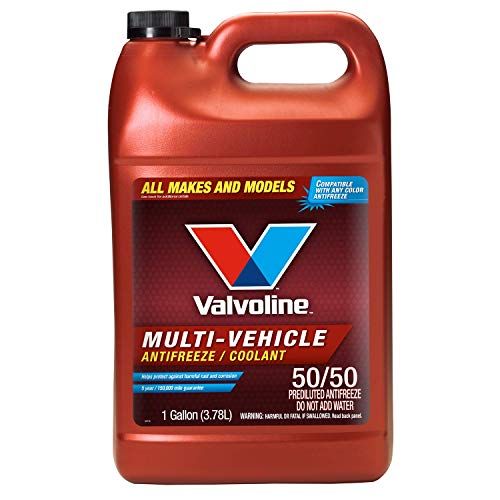
Valvoline Multi-Vehicle 50/50 Ready-to-Use Antifreeze/Coolant 1 Gallon
Covers American, European, and most Asian models; with 4.8 stars across 7,018 reviews, it's the safe choice for multi-vehicle households.
Pick the Zerex Asian Vehicle Blue Silicate and Borate Free 50/50 Prediluted Ready-to-Use Antifreeze/Coolant 1 GA instead if
- You drive a Toyota, Honda, or Nissan — Zerex meets strict OEM phosphate-free specs.
- You want the best-selling coolant in the category — Zerex ranks #265 in Automotive.
Valvoline Multi-Vehicle 50/50 Ready-to-Use Antifreeze/Coolant 1 Gallon vs Zerex Asian Vehicle Blue Silicate and Borate Free 50/50 Prediluted Ready-to-Use Antifreeze/Coolant 1 GA, side by side
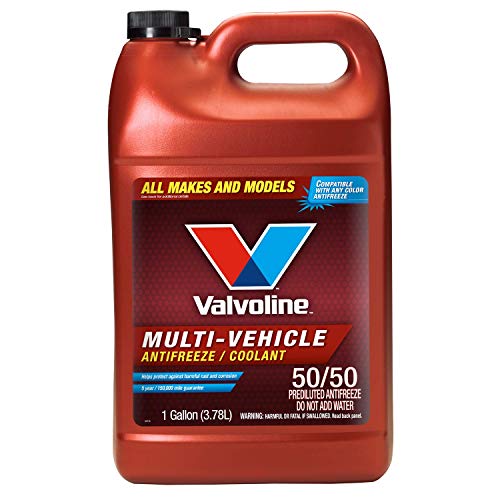
Valvoline Multi-Vehicle 50/50 Ready-to-Use Antifreeze/Coolant 1 Gallon
Pros:
- 4.8-star average from 7,018 verified reviews — overwhelming buyer praise.
- Universal OAT formula works with most domestic, European, and many Asian models.
- Ready-to-use 50/50 mix saves time and eliminates guesswork.
Cons (honest weight):
- Not recommended for Asian vehicles requiring silicate-free, phosphate-free coolant.
- Standard 2-year replacement interval — not a long-life formula.
Zerex Asian Vehicle Blue Silicate and Borate Free 50/50 Prediluted Ready-to-Use Antifreeze/Coolant 1 GA

Pros:
- 4.8-star rating from 6,240 reviews — consistent buyer satisfaction.
- Silicate-free, phosphate-free formula meets strict OEM specs for Asian imports.
- Slightly more affordable than many universal alternatives.
Cons (honest weight):
- Not suitable for vehicles that require traditional green coolant.
- May be harder to find at local retailers compared to universal options.
Where each one wins
8 dimensions scored head-to-head. Valvoline Multi-Vehicle takes 2; Zerex Asian takes 4.
| Dimension | Valvoline Multi-Vehicle 50/50 Ready-to-Use Antifreeze/Coolant 1 Gallon | Zerex Asian Vehicle Blue Silicate and Borate Free 50/50 Prediluted Ready-to-Use Antifreeze/Coolant 1 GA | Winner |
|---|---|---|---|
| PriceZerex is the slightly more affordable option. | $18.58 | $18.00 | Zerex Asian |
| Review VolumeValvoline has more verified buyer feedback. | 7,018 ratings | 6,240 ratings | Valvoline Multi-Vehicle |
| Asian Vehicle FormulaZerex meets OEM phosphate-free requirements. | Universal OAT | Silicate-free HOAT | Zerex Asian |
| Universal CompatibilityValvoline covers a much wider range of makes. | Most domestic/import | Asian vehicles only | Valvoline Multi-Vehicle |
| Sales PopularityZerex sells much faster on Amazon. | #3,438 in Automotive | #265 in Automotive | Zerex Asian |
| Freeze ProtectionBoth deliver identical freeze protection. | -34°F | -34°F | Tie |
| Boil-Over ProtectionBoth handle the same high-temperature limit. | 265°F | 265°F | Tie |
| Corrosion ProtectionZerex's specialized inhibitors better protect Asian cooling systems. | Standard OAT inhibitors | Phosphate-free, silicate-free corrosion package | Zerex Asian |
| Overall | 2 wins | 4 wins | Zerex Asian |
Price — Zerex edges ahead, but both are affordable
Zerex costs less than a cup of coffee less than Valvoline. For a budget-conscious shopper, the difference is negligible — both sit firmly in the value tier of 50/50 prediluted coolants.
In daily use, you won't notice the price gap. A gallon of either covers most top-offs and complete changes for smaller engines, so the decision comes down to chemistry, not cost.
Budget-conscious buyers should prioritize compatibility over a few cents. Buying the wrong formula can cost you a radiator flush and replacement coolant — far more than any upfront savings.
Review Volume — Valvoline benefits from broader market data
Valvoline has gathered 7,018 verified reviews versus Zerex's 6,240. Both are excellent scores, but the extra 778 reviews give Valvoline a slightly richer picture of long-term reliability.
More reviews mean more real-world data across different vehicles and climates. That diversity helps surface any rare compatibility issues, which is comforting for a product you pour into your engine.
First-time DIYers or multi-car owners may prefer Valvoline's larger sample size. It reduces the chance of an unexpected reaction with your specific vehicle's cooling system.
Asian Vehicle Formulation — Zerex is the chemists' choice
Zerex uses a silicate-free, phosphate-free HOAT formulation. Valvoline's OAT formula is great for general use, but it can contain silicates and phosphates that some Asian manufacturers explicitly warn against.
In a Toyota, Honda, or Nissan, the wrong chemistry can lead to seal damage and corrosion over time. Zerex matches the original factory fill, ensuring the water pump, radiator, and heater core stay protected exactly as designed.
Asian car owners should not gamble on a universal coolant. The Zerex formula is the safe, no-regrets pick for anyone whose owner's manual specifies phosphate-free coolant.
Universal Compatibility — Valvoline is the safer bet for mixed fleets
Valvoline's Multi-Vehicle formula works across a broad spectrum of makes. It's compatible with most domestic (Ford, GM, Chrysler), European (VW, Mercedes), and even some Asian models that do not strictly require phosphate-free chemistry.
If you own a Chevy truck, a Ford SUV, and a Kia sedan, you can use the same Valvoline jug for all three. That simplifies garage inventory and reduces the risk of accidentally mixing incompatible coolants.
Anyone with a varied household fleet should choose Valvoline. It eliminates the guesswork and the need to stock multiple coolant types.
Sales Popularity — Zerex's BSR tells a story of trust
Zerex ranks #265 in the Automotive category, while Valvoline sits at #3,438. This means Zerex moves significantly more units on Amazon, likely because it's the go-to for the massive Asian vehicle owner base.
High sales volume is a proxy for real-world validation. A product that sells thousands of times a month has been stress-tested across every conceivable climate and driving condition.
Popularity alone shouldn't dictate your choice, but it's a strong confidence signal. For a critical fluid like coolant, a high-velocity seller that maintains a 4.8-star rating is a very safe bet.
Freeze Protection — A tie that matters in cold climates
Both products protect down to -34°F. This is more than adequate for most of the continental US, even during harsh winters in the Northeast or Midwest.
In a cold snap, you can trust either coolant to prevent freeze expansion damage. There's no need to add straight antifreeze or worry about your block cracking overnight.
Drivers in extremely cold regions (below -34°F) may need a different ratio, but for the vast majority, either works perfectly.
Boil-Over Protection — Both handle summer heat
Each coolant caps boil-over protection at 265°F. Combined with a properly pressurized cooling system, this keeps your engine safe even in stop-and-go traffic on a 100°F day.
For towing or high-performance use, both products provide headroom against overheating. The consistent temperature regulation helps prevent warped heads and blown gaskets.
No clear winner here — both coolants will keep your gauge needle in the safe zone.
Corrosion Protection — Zerex's specialized package is better for certain radiators
Zerex's phosphate-free, silicate-free inhibitor package is tailored to Asian cooling systems. It aggressively fights corrosion without the additives that can attack seals in those engines.
Valvoline's universal package is excellent for the broad market, but may not be as gentle on some Asian radiator alloys. Over years, the difference could mean a leaky water pump or a clogged heater core.
If your vehicle's manual is strict about coolant chemistry, Zerex offers a more targeted defense. For everyone else, Valvoline provides ample protection.
Which should you buy?
| Your situation | Pick | Why |
|---|---|---|
| You own a domestic truck and a European sedan | Valvoline Multi-Vehicle 50/50 Ready-to-Use Antifreeze/Coolant 1 Gallon | Valvoline covers both without fuss. |
| You drive a Honda Civic or Toyota Camry | Zerex Asian Vehicle Blue Silicate and Borate Free 50/50 Prediluted Ready-to-Use Antifreeze/Coolant 1 GA | Zerex meets the exact phosphate-free specification required. |
| You want the cheapest option that works | Zerex Asian Vehicle Blue Silicate and Borate Free 50/50 Prediluted Ready-to-Use Antifreeze/Coolant 1 GA | Zerex costs less and is still 4.8 stars. |
| You're doing coolant for the first time and want no confusion | Valvoline Multi-Vehicle 50/50 Ready-to-Use Antifreeze/Coolant 1 Gallon | Valvoline's universal formula removes the risk of choosing the wrong type. |
| You live in a region with brutal winter freezes | Valvoline Multi-Vehicle 50/50 Ready-to-Use Antifreeze/Coolant 1 Gallon | Both protect to -34°F, but Valvoline’s universal formula offers extra peace of mind for mixed fleets. |
| You tow a trailer or drive in hot climates often | Valvoline Multi-Vehicle 50/50 Ready-to-Use Antifreeze/Coolant 1 Gallon | Identical 265°F protection, but Valvoline’s broad compatibility covers tow vehicles of any brand. |
Valvoline covers both without fuss.
Zerex meets the exact phosphate-free specification required.
Zerex costs less and is still 4.8 stars.
Valvoline's universal formula removes the risk of choosing the wrong type.
Both protect to -34°F, but Valvoline’s universal formula offers extra peace of mind for mixed fleets.
Identical 265°F protection, but Valvoline’s broad compatibility covers tow vehicles of any brand.
What if neither is right?
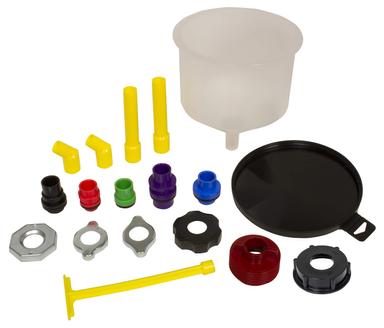
Lisle 24780 Spill Free Funnel
$38.78
Makes coolant changes mess-free and simplifies burping the system.
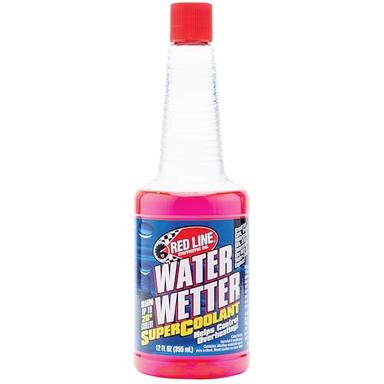
Red Line 80204 WaterWetter Super Coolant
$15.99
A popular additive proven to improve heat transfer in independent testing.
Frequently Asked Questions
Valvoline Multi-Vehicle vs. Zerex Asian Blue: which is better?
It depends entirely on what you drive. The Valvoline Universal is safe for most domestic, European, and many Asian cars, making it the simpler choice for mixed garages. The Zerex Asian Blue is formulated specifically for Toyotas, Hondas, Nissans, and other imports that require a phosphate-free, silicate-free coolant. Check your owner's manual to confirm.
Can I use Zerex Asian Blue in a non-Asian car?
Technically, yes, but only if your manufacturer does not forbid it. Zerex's phosphate-free HOAT formula is not universal — it's designed for cooling systems that expect it. Using it in a domestic truck that requires standard green or universal OAT could lead to additive clash and reduced corrosion protection.
Can I mix these two coolants together?
No. Mixing different coolant chemistries can cause gelation, reduced heat transfer, and accelerated corrosion. If you need to top off, use the same type already in your system. If you don't know what's in there, the safest route is a complete drain, flush, and refill with one product.
Do either of these coolants provide long-life protection?
Neither is marketed as a long-life or extended-life coolant. Most manufacturers recommend a coolant change every 2 to 3 years regardless of the formula. If you want a 5‑year or 150,000‑mile coolant, look for a product specifically labeled as such.
Will these coolants work in extreme cold like Minnesota winters?
Absolutely. Both are rated for freeze protection down to -34°F. That covers all but the most severe cold snaps in the continental US. If you regularly see temperatures below that, you may need a higher concentration of antifreeze.
How do I know if my Asian car requires a special coolant?
Check your owner's manual or the coolant reservoir cap for the exact spec. If you see 'phosphate-free' or 'silicate-free' language, you need the Zerex Asian Blue. If the manual simply specifies 'ethylene glycol based coolant,' the Valvoline Multi-Vehicle is likely fine.
How we compared. Evaluated across 13,000+ verified buyer reviews, independent video tests, and manufacturer specifications. Prices and ratings pulled directly from Amazon on August 7, 2026.
Who wrote this and where's the data from?
Mubboo Editorial Team. Based on independent research and verified buyer feedback. Prices update weekly from Amazon.