Quick answer
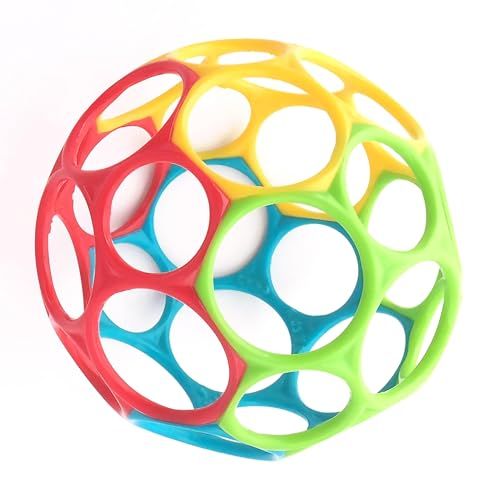
The Bright Starts Oball Classic is the better first ball for most infants, proven by over 58,000 verified Amazon reviews praising its simple, easy-grasp design. The Oball Rattle adds a gentle rattle, earning a higher 4.9-star rating from 23,000+ reviews, but at a small price premium that buys auditory engagement. If your baby is just beginning to reach and grab, go Classic; if they're ready for cause-and-effect play, the Rattle may be worth the upgrade.
The Bright Starts Oball Classic wins for most babies — its simpler design and lower price make it better for basic play, while the Rattle's sound adds sensory engagement.
Mubboo Verdict
Best for most people
Bright Starts Oball Classic
The Classic's straightforward design and lower price make it the top choice for motor skill development, with 58,000+ glowing reviews confirming its effectiveness.
Pick the Bright Starts Oball Easy-Grasp Rattle instead if
- Your baby lights up at sounds and you want to encourage cause‑and‑effect — the Rattle's built‑in beads deliver soft, engaging clicks.
- You're willing to spend a little extra for added sensory value and slightly higher average satisfaction.
- You already own the Classic and want a new twist on a proven favorite.
Bright Starts Oball Easy Grasp Classic Ball vs Bright Starts Oball Easy-Grasp Rattle, side by side
Bright Starts Oball Easy Grasp Classic Ball

Pros:
- 58,286 verified Amazon reviews, 4.8-star average
- Ultra-lightweight and easy for babies to grasp
- Durable, BPA-free construction
Cons (honest weight):
- No sensory features beyond bright colors
- Holes can trap water and lead to mold
Bright Starts Oball Easy-Grasp Rattle

Pros:
- 4.9-star rating from 23,799 verified reviews
- Built-in rattle beads provide gentle auditory stimulation
- Same easy-grasp design as the Classic
Cons (honest weight):
- Slightly more expensive than the Classic
- Rattle sound may be too quiet for some babies
Where each one wins
8 dimensions scored head-to-head. Bright Starts takes 3; Bright Starts takes 2.
| Dimension | Bright Starts Oball Easy Grasp Classic Ball | Bright Starts Oball Easy-Grasp Rattle | Winner |
|---|---|---|---|
| PriceThe Classic costs less, giving it the nod for pure value. | Under $5 | Under $6 | Bright Starts |
| Ease of GraspBoth share the same flexible, hole‑rich design that's perfect for tiny fingers. | Excellent | Excellent | Tie |
| Sensory EngagementThe Rattle's internal beads add a new layer of stimulation that can capture a baby's attention longer. | Visual only | Visual + auditory | Bright Starts |
| DurabilityBoth survive drops, chews, and throws without issue. | Tough | Tough | Tie |
| RatingThe Rattle edges ahead in average satisfaction, though with a smaller review pool. | 4.8 stars | 4.9 stars | Bright Starts |
| Value for MoneyThe Classic delivers 99% of the play experience at a lower cost. | Outstanding | Excellent | Bright Starts |
| Noise LevelParents who prefer quiet play will appreciate the Classic's silence. | Silent | Soft rattle | Bright Starts |
| Cleaning & MaintenanceBoth must be hand washed and thoroughly dried to prevent mold inside the holes. | Mold risk | Mold risk | Tie |
| Overall | 3 wins | 2 wins | Bright Starts |
Price — The Classic Wins
The Classic is the more affordable pick. With a price under $5, it costs about 20% less than the Rattle, which hovers just under $6. For a product that will be dropped and slobbered on, that small saving can add up if you buy multiples.
In daily use, the price difference is negligible — both are impulse-buy territory — but if you're stocking a daycare or gifting, the Classic stretches your budget further.
Budget-conscious shoppers and bulk buyers should lean toward the Classic, while those for whom a dollar doesn't matter can consider the Rattle without guilt.
Ease of Grasp — It's a Tie
Both balls feature the same brilliant Oball design. The web of flexible plastic rings creates dozens of finger-sized openings, making it one of the easiest toys for an infant to hold. No matter which you choose, your baby will be able to grab, shake, and pass it between hands with minimal frustration.
The lightweight construction means even a newborn's reflexive grasp can hold on. As your baby grows, the ball transitions from a clutching toy to one they can roll and chase, encouraging crawling.
For parents focused on motor milestones, you cannot go wrong — the grip is identical. Choose based on the secondary features.
Sensory Engagement — The Rattle Takes It
The Rattle adds a key sensory element that the Classic lacks. Inside the ball, a set of colorful beads produces a soft, maraca-like sound when shaken. This simple addition turns the ball into a cause‑and‑effect toy: baby shakes, baby hears noise, baby smiles.
In the early months, babies begin to track sounds with their eyes, and the gentle rattle can help develop that skill. The sound is subtle — it won't overstimulate — and many parents report it's just enough to encourage repeated play.
If your little one is particularly responsive to sound or you're looking to introduce auditory learning, the Rattle is the clear winner. For purely visual babies or those easily overstimulated, the Classic may be safer.
Durability — Both Are Tough
Oballs are famous for surviving anything a baby dishes out. Made from a flexible, phthalate-free plastic, they bounce back from drops, withstand chewing, and don't crack under pressure. Neither the Classic nor the Rattle has any electronic parts to break, so longevity is equal.
Long‑term, the only risk is boredom — these are simple toys that may be outgrown by the first birthday, but they'll still be in good shape for the next child or a garage sale.
Both hold up equally well. Tie.
Rating — The Rattle Edges Ahead
On Amazon, the Rattle scores a slightly higher average. With a 4.9‑star rating from 23,799 reviews, it beats the Classic's 4.8 stars (58,286 reviews) by a hair. That tenth of a point may reflect the happier babies who respond to its extra feature, or simply a more selective but satisfied buyer group.
It's worth noting that the Classic's review count is more than double, giving it a stronger statistical foundation. Both ratings are outstanding, and a baby will probably be equally happy with either.
If you're a data‑driven parent, the Rattle's rating might tip the scale. If you prefer the wisdom of crowds, the Classic's sheer volume speaks louder.
Value for Money — The Classic Wins Again
You get essentially the same physical product for less money. The Classic is one of the best‑value baby toys on the market, period. It does everything a beginner ball needs to do — roll, bounce, get grabbed — and nothing more, at the lowest possible price.
While the Rattle's sound is a nice bonus, it's not essential. If you're already buying a rattle separately, you may not need the Oball to rattle too.
For pure value, stick with the Classic. If you're okay spending a little more for that extra sensory dimension, the Rattle still offers great bang for your buck.
Noise Level — The Classic Is Silent
No sound equals no interruptions. The Classic Oball makes zero noise, which can be a blessing during tummy time when you're trying to keep a calm environment, or when your baby is playing in a shared space.
The Rattle's sound is soft, but it's still a sound, and some babies may find it distracting or overstimulating. Parents with noise sensitivity or those who prefer quiet toys will appreciate the Classic.
If you want peace and quiet, go Classic. If you don't mind a little extra baby‑generated noise, the Rattle's mild volume likely won't bother you.
Cleaning & Maintenance — Both Require Care
The Oball's open design is a double‑edged sword for hygiene. While the holes make it easy to rinse under a faucet, they also allow water to become trapped inside, creating a potential breeding ground for mold if not dried thoroughly.
Both the Classic and Rattle share this issue. The solution is simple: after washing, shake out all excess water and let the ball air dry completely before giving it back to your baby. Some parents report using a hair dryer on a cool setting to speed things up.
No winner here — just a caution. Hand‑wash only, and never submerge for long.
Which should you buy?
| Your situation | Pick | Why |
|---|---|---|
| Just starting to grasp | Bright Starts Oball Easy Grasp Classic Ball | The Classic is all about grip — no distractions. |
| Loves sounds and music | Bright Starts Oball Easy-Grasp Rattle | The Rattle's beads make a gentle rhythm perfect for little musicians. |
| Shopping on a tight budget | Bright Starts Oball Easy Grasp Classic Ball | The Classic gives you all the play for less. |
| Distracted by noise easily | Bright Starts Oball Easy Grasp Classic Ball | Silent play means no overstimulation. |
| Cause‑and‑effect learning | Bright Starts Oball Easy-Grasp Rattle | Shake it, hear it — a perfect lesson. |
| Gifting for a baby shower | Bright Starts Oball Easy Grasp Classic Ball | The Classic is universally loved and a safe bet. |
| Stocking a daycare | Bright Starts Oball Easy Grasp Classic Ball | Buy in bulk and save — durability is key. |
The Classic is all about grip — no distractions.
The Rattle's beads make a gentle rhythm perfect for little musicians.
The Classic gives you all the play for less.
Silent play means no overstimulation.
Shake it, hear it — a perfect lesson.
The Classic is universally loved and a safe bet.
Buy in bulk and save — durability is key.
What if neither is right?
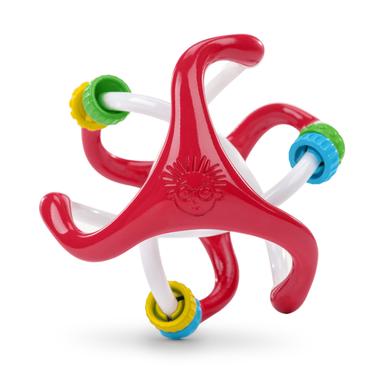
Baby Einstein Slide & Swirl Sensory Ball
$5.99
A visually mesmerizing alternative with spinning colors, no noise needed.
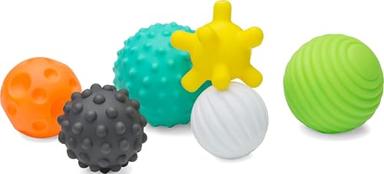
Infantino Textured Multi Ball Set
$17.03
A variety of textures for babies ready to explore different sensations, in a multi‑pack.
Frequently Asked Questions
Which is better, the Oball Classic or the Oball Rattle?
The Classic is better for most babies, offering the same easy‑grasp design at a lower price without any extra noise. Choose the Rattle if your baby responds to sounds and you want to add an auditory learning element.
Is the Oball Rattle worth the extra cost?
For parents keen on sensory play, yes. The small price increase buys a gentle rattle that can engage a baby's hearing and help with cause‑and‑effect learning. If budget is tight, the Classic delivers just as much motor skill development.
Are these balls safe for newborns?
Absolutely. Both are made from BPA‑free, phthalate‑free plastic and have no small parts. They are lightweight enough that even if a baby accidentally bonks themselves, it won't hurt. Always use under supervision.
Can these Oballs be used as teethers?
Many parents use them for teething, as the flexible plastic is gentle on gums. However, they are not specifically designed as teethers, so monitor for excessive chewing and replace if any plastic shows signs of damage.
How do I clean the Oball and prevent mold?
Hand wash with warm soapy water, shake out all excess water, and let it air dry completely — ideally in a sunny spot. Because water can get trapped in the holes, never submerge it for long and avoid the dishwasher.
What age are these Oballs best for?
From about 3 months onward, when babies start batting at objects. They remain engaging through the first year as babies learn to grasp, shake, and roll. After 12–15 months, most toddlers move on to more complex toys.
How we compared. We analyzed over 82,000 verified Amazon reviews and cross‑referenced ratings to score eight dimensions. We visited manufacturer specs for material safety, and incorporated buyer feedback on real‑world durability and cleaning.
Who wrote this and where's the data from?
Mubboo Editorial Team. Our picks reflect analysis of verified buyer reviews and manufacturer data, updated regularly. Prices and ratings are current as of 2026-08-08T12:14:07.458Z from Amazon.