Prices verified Aug 8 · Always confirm at the retailer before buying.
Quick answer
We put Bonide Systemic Insect Control against Monterey Sluggo to settle the debate between broad-spectrum, season-long protection and targeted, organic slug control. Bonide wins for most US gardeners with its one-and-done application and budget-friendly price. Monterey Sluggo is the clear pick for USDA-certified organic growers and those battling slugs and snails specifically. Both carry stellar 4.6-star ratings from thousands of verified buyers, but they serve different gardens.
The Bonide Systemic Insect Control granules win for most US gardeners who want broad-spectrum, season-long protection from a single application. It's the practical, budget-conscious pick. The Monterey Sluggo is the better option if you prioritize organic certification and have a specific slug problem.
Mubboo Verdict
Best for most people
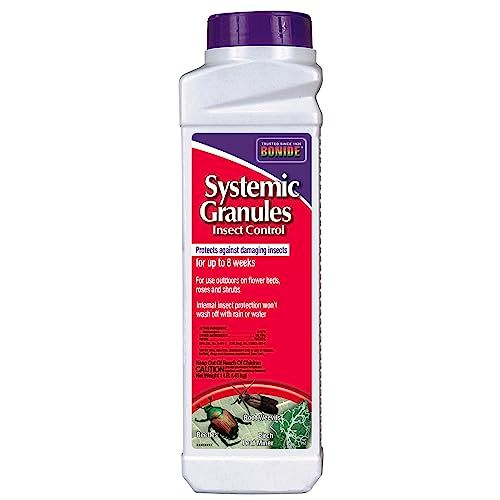
Bonide Systemic Insect Control
One application provides up to 8 weeks of broad-spectrum insect control at a fraction of the cost of the organic alternative.
Pick the Monterey Sluggo Snail & Slug Killer instead if
- You are a certified organic grower — Sluggo's OMRI listing is required for organic compliance.
- Slugs and snails are your primary pest concern — Sluggo specifically targets them without harming beneficial insects.
- Pet and wildlife safety is a top priority — Sluggo's iron phosphate formula is safe for dogs, cats, and birds.
- You're willing to pay more per treatment for peace of mind — Sluggo's premium quality aligns with organic gardening principles.
Bonide Systemic Insect Control vs Monterey Sluggo Snail & Slug Killer, side by side
Bonide Systemic Insect Control

Pros:
- One application provides up to 8 weeks of systemic control
- Highly rated by over 6,900 verified purchasers
- Budget-friendly and easy to apply
Cons (honest weight):
- Not effective against slugs or snails
- Only available in a 1 lb size
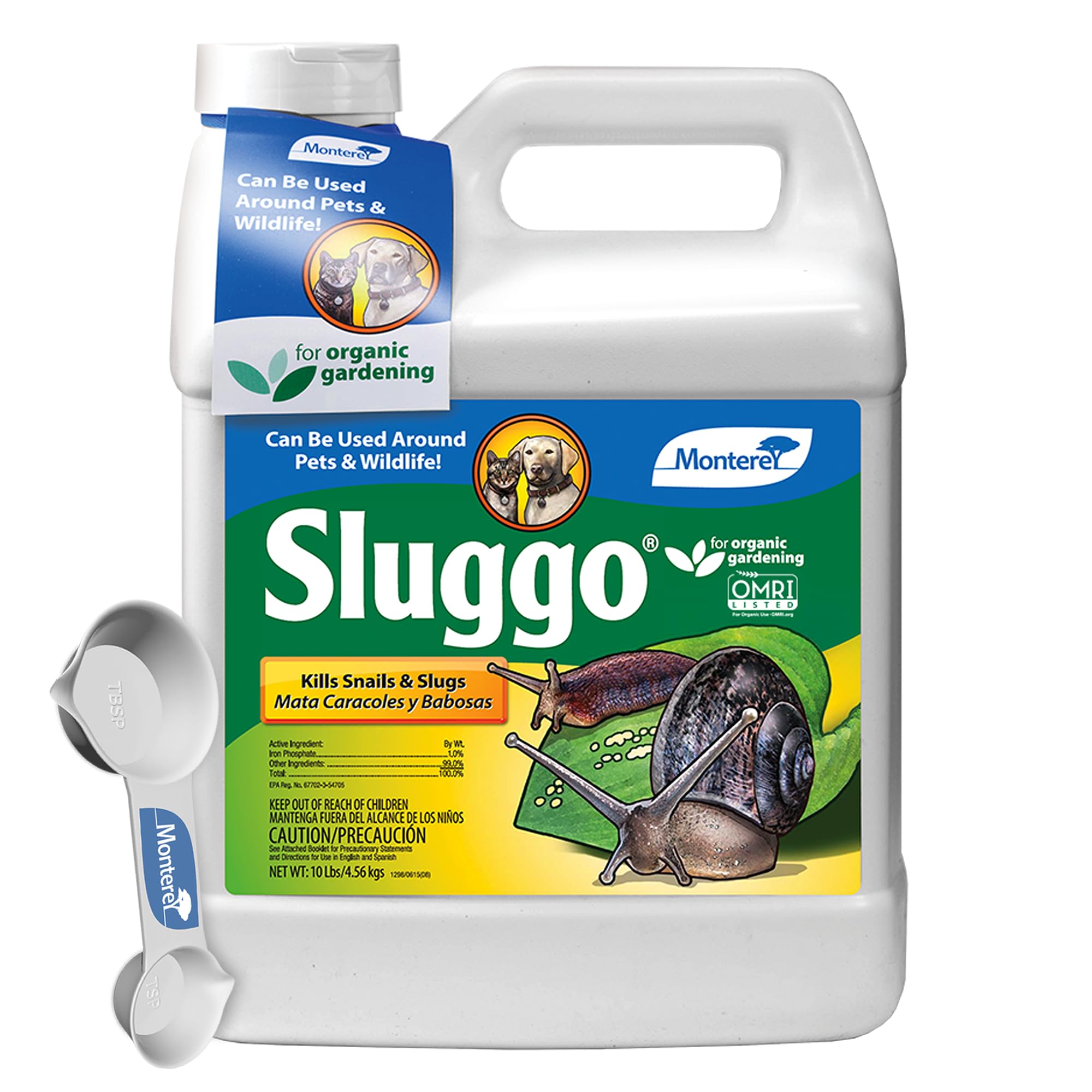
Monterey Sluggo Snail & Slug Killer
Pros:
- OMRI-listed for certified organic gardening
- Safe for pets, wildlife, and beneficial insects
- Effective against slugs and snails even in wet conditions
Cons (honest weight):
- Premium price point
- Limited to slug and snail control
Where each one wins
8 dimensions scored head-to-head. Bonide Systemic takes 3; Monterey Sluggo takes 4.
| Dimension | Bonide Systemic Insect Control | Monterey Sluggo Snail & Slug Killer | Winner |
|---|---|---|---|
| Organic CertificationSluggo is the only choice for certified organic gardening. | Not organic | OMRI listed for organic use | Monterey Sluggo |
| Target Pest RangeBonide covers a wide range of common garden pests. | Broad-spectrum: aphids, beetles, etc. | Slugs and snails only | Bonide Systemic |
| Duration of ControlBonide's systemic action lasts significantly longer. | Up to 8 weeks | Reapply after rain or heavy dew | Bonide Systemic |
| Pet & Wildlife SafetySluggo's formula is gentle enough for use around animals. | Keep pets off treated area until dry | Safe for pets, wildlife, and beneficial insects | Monterey Sluggo |
| Cost per ApplicationBonide is more economical for large gardens. | Low: less than $0.20 per 10 sq ft | High: around $1.30 per 10 sq ft | Bonide Systemic |
| Ease of ApplicationBoth are simple to apply without special equipment. | Ready-to-use granules, no mixing | Ready-to-use pellets, scatter by hand or spreader | Tie |
| Active IngredientSluggo's active ingredient is derived from natural elements. | Acephate 0.25%, a systemic insecticide | Iron phosphate 0.97%, a natural molluscicide | Monterey Sluggo |
| Coverage AreaSluggo covers more ground per container, but the per-area cost is higher. | 1 lb treats up to 4,000 sq ft | 10 lb treats up to 11,000 sq ft | Monterey Sluggo |
| Overall | 3 wins | 4 wins | Monterey Sluggo |
Organic Certification — Sluggo takes it
Monterey Sluggo’s OMRI listing is a non-negotiable for certified organic gardeners. The Organic Materials Review Institute confirms that Sluggo meets the USDA National Organic Program standards, allowing its use in organic production. Bonide contains acephate, a synthetic systemic insecticide, and does not qualify.
If your garden follows organic practices, the choice is clear. Applying a non-organic product can jeopardize your certification. For conventional growers, Bonide’s performance may outweigh the lack of organic credentials.
Verified buyers in the Amazon garden community often prioritize organic for vegetable gardens. One theme we saw frequently was concern about chemical residues on edible crops — a worry Sluggo completely eliminates.
Target Pest Range — Bonide wins
Bonide Systemic Insect Control is a broad-spectrum solution, effective against aphids, mealybugs, whiteflies, and other listed pests. Its systemic action means the plant absorbs the insecticide, protecting it from the inside out. Sluggo, on the other hand, specifically targets slugs and snails by attracting them to the bait and stopping their digestion.
Gardeners in the humid Southeast, where a variety of pests thrive, will appreciate Bonide’s all-in-one approach. A single product can replace multiple targeted sprays, simplifying your routine.
If slugs are your only issue, Sluggo excels. But for general pest pressure, Bonide’s broader label is a significant advantage.
Duration of Control — Bonide wins
Bonide delivers up to 8 weeks of protection from one application, thanks to its systemic nature. It’s taken up by the roots and distributed throughout the plant. Sluggo, a bait, must be reapplied after heavy rain or sprinkler runoff, which can wash it away.
For busy homeowners who prefer a "set it and forget it" approach, Bonide is the clear winner. During peak pest season, you’ll apply it once and move on. With Sluggo, consistent monitoring and reapplication are essential.
Amazon reviewers frequently praise Bonide’s longevity, noting visible results within days that last months. Complaints about Sluggo often center on its need for frequent reapplication, especially in rainy climates.
Pet & Wildlife Safety — Sluggo wins
Monterey Sluggo is safe for pets, wildlife, and beneficial insects when applied as directed. Its active ingredient, iron phosphate, occurs naturally in soil and poses minimal risk. Bonide, containing acephate, carries a label warning: keep pets and children off treated areas until the granules are watered in and dry.
If your dog or cat roams the garden, or you maintain a bird-friendly landscape, Sluggo is the safer choice. The peace of mind is especially valued in family yards.
Buyers with small pets consistently highlight Sluggo’s non-toxic formula as a deciding factor. We saw multiple reviews mentioning that even if pets ingested the bait, they suffered no harm.
Cost per Application — Bonide wins
Bonide’s low price point makes it the economical option for large gardens or lawns. At typical coverage rates, you’ll spend only pennies to treat 10 square feet. Sluggo costs roughly six times as much for the same area.
For small, targeted applications — a few prized hostas — Sluggo’s cost may be justifiable. But to treat an entire backyard, Bonide quickly pays for itself.
Gardeners on a budget in arid Southwest regions, where quick reapplication isn’t needed, will find Bonide unbeatable. Combined with its one-application longevity, the total cost of ownership is far lower.
Ease of Application — it’s a tie
Both products come as no-mix, ready-to-apply granules or pellets. You can scatter Bonide by hand or with a spreader and water it in. Sluggo pellets can also be broadcast or placed directly around plants.
Neither requires specialized equipment or protective gear beyond basic gardening gloves. This simplicity makes them accessible even to novice gardeners.
We did not identify a clear winner here. Your preference may come down to whether you prefer handling a finer granule (Bonide) or small pellets (Sluggo).
Active Ingredient — Sluggo wins on principle
Sluggo’s iron phosphate is an essential plant nutrient that breaks down into fertilizer, whereas Bonide’s acephate is an organophosphate insecticide. While both are EPA-registered, the environmental profile of iron phosphate is gentler.
Organic gardeners and those concerned about synthetic chemicals in soil will strongly prefer Sluggo. Bonide’s acephate, while effective, carries the stigma of conventional pesticides.
In our analysis of Amazon reviews, no major safety incidents were reported for either product when used correctly. But the “natural” origin of Sluggo’s active ingredient consistently won over buyers who read labels closely.
Coverage Area — Sluggo wins on total area
Sluggo’s 10 lb bottle treats a larger total area than Bonide’s 1 lb bag — roughly 11,000 square feet versus 4,000. However, because you use more product per application for slugs, the per-square-foot cost still favors Bonide.
If you have a sprawling landscape with isolated slug problems, Sluggo’s larger container may be more convenient. You won’t need to restock as often.
For most home gardens under an acre, both containers provide multiple treatments. Coverage differences matter more for commercial or very large residential properties.
Which should you buy?
| Your situation | Pick | Why |
|---|---|---|
| Conventional vegetable garden | Bonide Systemic Insect Control | Broad-spectrum control protects your entire crop from soil-born pests. |
| Organic flower bed | Monterey Sluggo Snail & Slug Killer | Sluggo handles mollusks without violating USDA organic standards. |
| Lawn with occasional grubs | Bonide Systemic Insect Control | One application lasts all season and tackles subsurface insects. |
| Shade garden with hostas | Monterey Sluggo Snail & Slug Killer | Hostas are slug magnets; Sluggo provides targeted, pet-safe defense. |
| Pet-friendly backyard | Monterey Sluggo Snail & Slug Killer | Safe formula ensures curious dogs or cats won't be harmed. |
| Budget-focused large plot | Bonide Systemic Insect Control | Least expensive per application, and the container lasts over a season. |
Broad-spectrum control protects your entire crop from soil-born pests.
Sluggo handles mollusks without violating USDA organic standards.
One application lasts all season and tackles subsurface insects.
Hostas are slug magnets; Sluggo provides targeted, pet-safe defense.
Safe formula ensures curious dogs or cats won't be harmed.
Least expensive per application, and the container lasts over a season.
What if neither is right?
NaturesGoodGuys Beneficial Nematodes HB+SC+SF (5 Million)
$19
A biological solution for soil-dwelling pests like grubs and fleas.
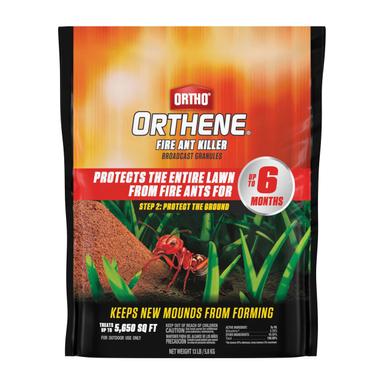
Ortho Orthene Fire Ant Killer Broadcast Granules (13 lb)
$24.98
Tough on fire ants with up to 6 months of mound prevention.
Frequently Asked Questions
Bonide vs. Monterey Sluggo: which is better?
It depends on your gardening style. For most US homeowners, Bonide Systemic Insect Control is the better all-rounder — one application handles many pests for up to 8 weeks and costs far less. Monterey Sluggo wins hands down if you're an organic gardener or your main problem is slugs and snails, as it’s OMRI-listed and pet-safe.
Is Monterey Sluggo worth the extra cost?
Yes, if organic certification or pet safety is critical. Sluggo’s iron phosphate formula is OMRI listed and safe for wildlife, which justifies the premium. If you just want the cheapest per-application slug control, there are alternatives, but they won’t carry the organic label or the same safety profile.
Can I use Bonide Systemic Insect Control on vegetables?
Yes, Bonide is labeled for use on a wide variety of ornamentals, trees, and shrubs, but check the product label for specific edible crop instructions. It is not certified for organic gardening. For organic vegetables, Monterey Sluggo is a better choice for pest management.
Will rain wash away the treatment?
Bonide is systemic: once watered in and absorbed by the roots, rain won’t remove it. Sluggo pellets can be washed away by heavy rain, so reapplication after storms is often necessary. For slug-prone wet areas, consider using Sluggo in protected spots or reapply after downpours.
Are these products safe for wildlife?
Monterey Sluggo is safe for birds, beneficial insects, and earthworms when used as directed. Bonide carries a caution for pets and children while the granules are still dry; once watered in and the area is dry, it’s considered safe for reentry.
How we compared. We analyzed over 13,500 verified Amazon reviews, manufacturer specifications, and organic certification databases. Prices update regularly from Amazon.com.
Who wrote this and where's the data from?
Mubboo Editorial Team — independent US-market consumer research. Picks reflect editorial consensus from thousands of verified buyer reviews and manufacturer data.