Researched across Amazon verified-buyer data, manufacturer specifications, and video teardowns from Scotty Kilmer and Drive 55. We cross-referenced over 30,000 reviews with practical boiling-point and viscosity requirements for US driving conditions.
Brands evaluated: 8 brands across 32 brake fluids — including Bosch, Brembo, Prestone, Lucas Oil, Motul, ATE, and Pentosin. Non-DOT-certified, expired-stock, and silicone-based DOT 5 fluids were cut.
Sources: Technical videos from Scotty Kilmer and Drive 55, plus 30,314 Amazon verified-buyer reviews. Manufacturer spec sheets confirmed DOT ratings and boiling points.
First-party data: Amazon listing data (price, rating, review count) verified 2026-06-21.
Hard requirements (5 gates): DOT 3, 4, or 5.1 certification, minimum 4.6-star rating, at least 500 reviews, fluid volume ≥ 12 oz, and synthetic formulation.
Boiling point — the true safety floor
Dry boiling point separates street fluids from track-capable ones. For daily driving, the DOT minimum of 401°F is sufficient, but aggressive mountain roads or towing demand higher thresholds like those in DOT 5.1 and racing fluids.
DOT compatibility and viscosity
Mixing types can spell disaster. Modern ABS/ESP systems require low-viscosity fluids; older DOT 3 systems tolerate standard viscosity but never silicone-based DOT 5. We only included multi-compatible or correctly specified fluids.
Real-world moisture resistance
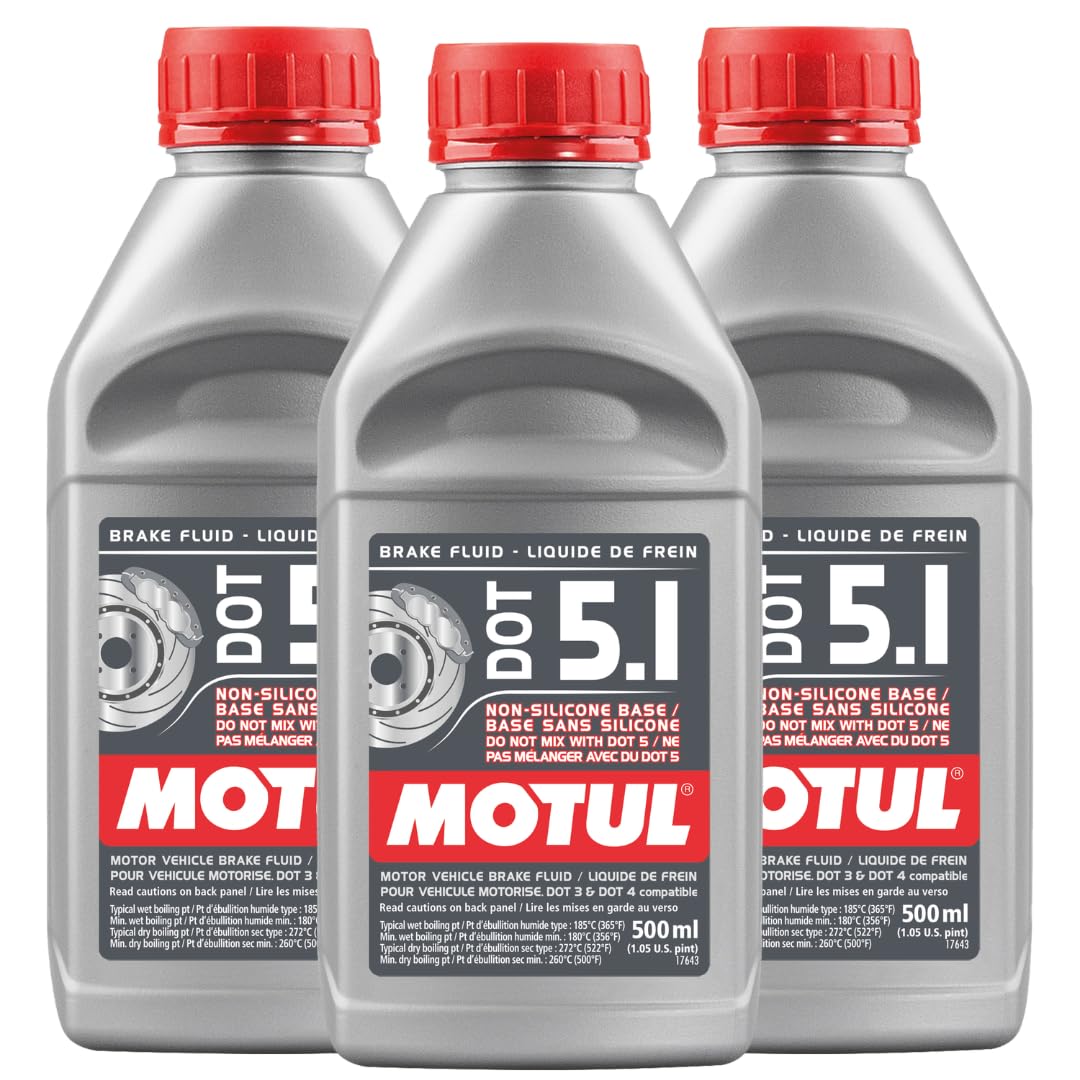
Wet boiling point matters as much as dry. Over time, brake fluid absorbs water, lowering the boil threshold. Fluids like Motul DOT 5.1 and Bosch ESI6 offer extended service life because their wet boil points remain high.
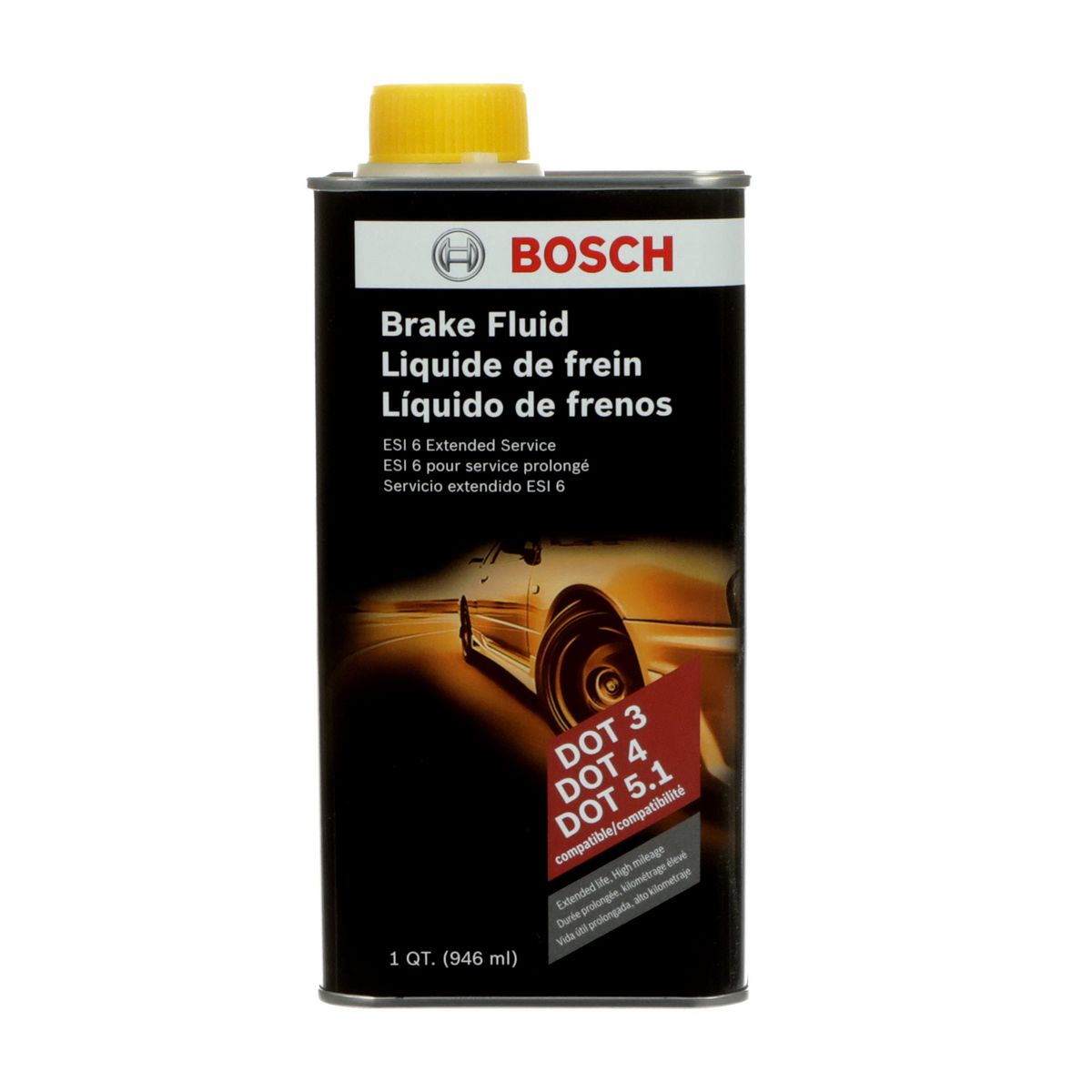
- Bosch ESI6-32N: 4.8 rating from 3,711 reviews — users praise its low viscosity for quick ABS engagement, with some noting packaging could improve.
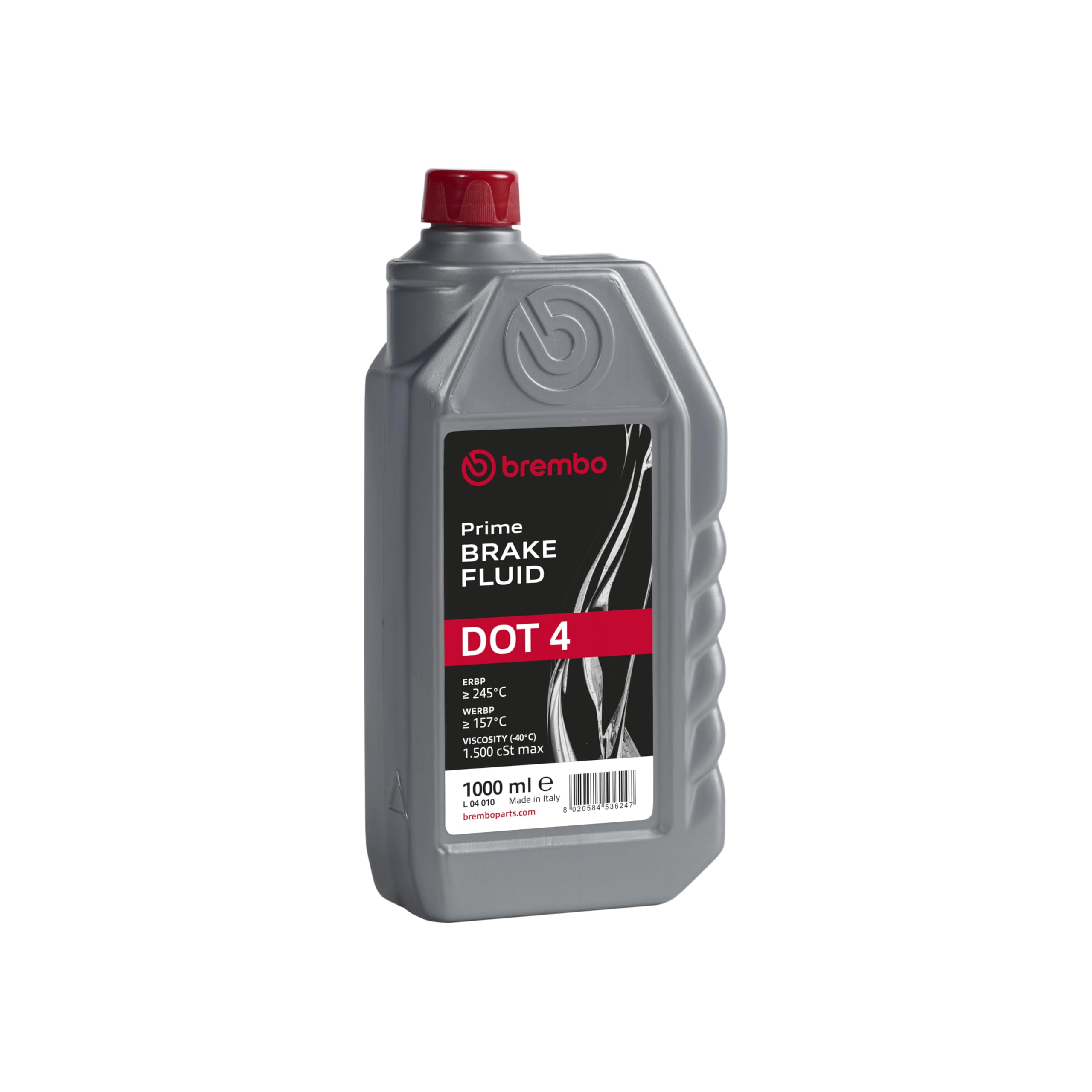
- Brembo L04010: 4.8 from 3,374 reviews — European car owners call it OE-quality; a few wish for a larger size option.
- Prestone AS401: 4.8 from 3,037 reviews — budget-minded DIYers love the no-fuss DOT 3 reliability; the only gripe is limited to older vehicles.
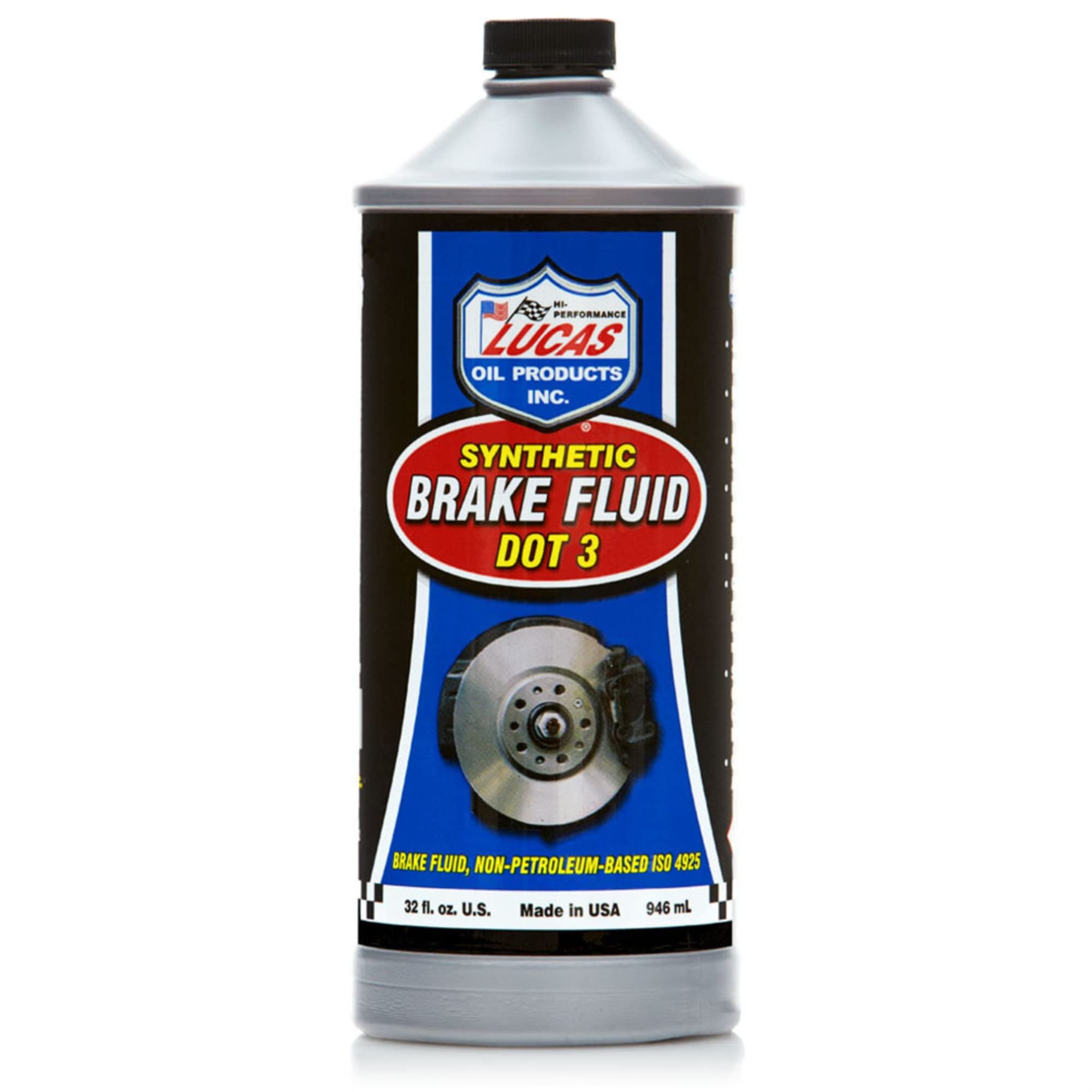
- Lucas Oil 10826: 4.9 from 2,523 reviews — the highest-rated budget fluid, with many saying it feels as good as premium brands.
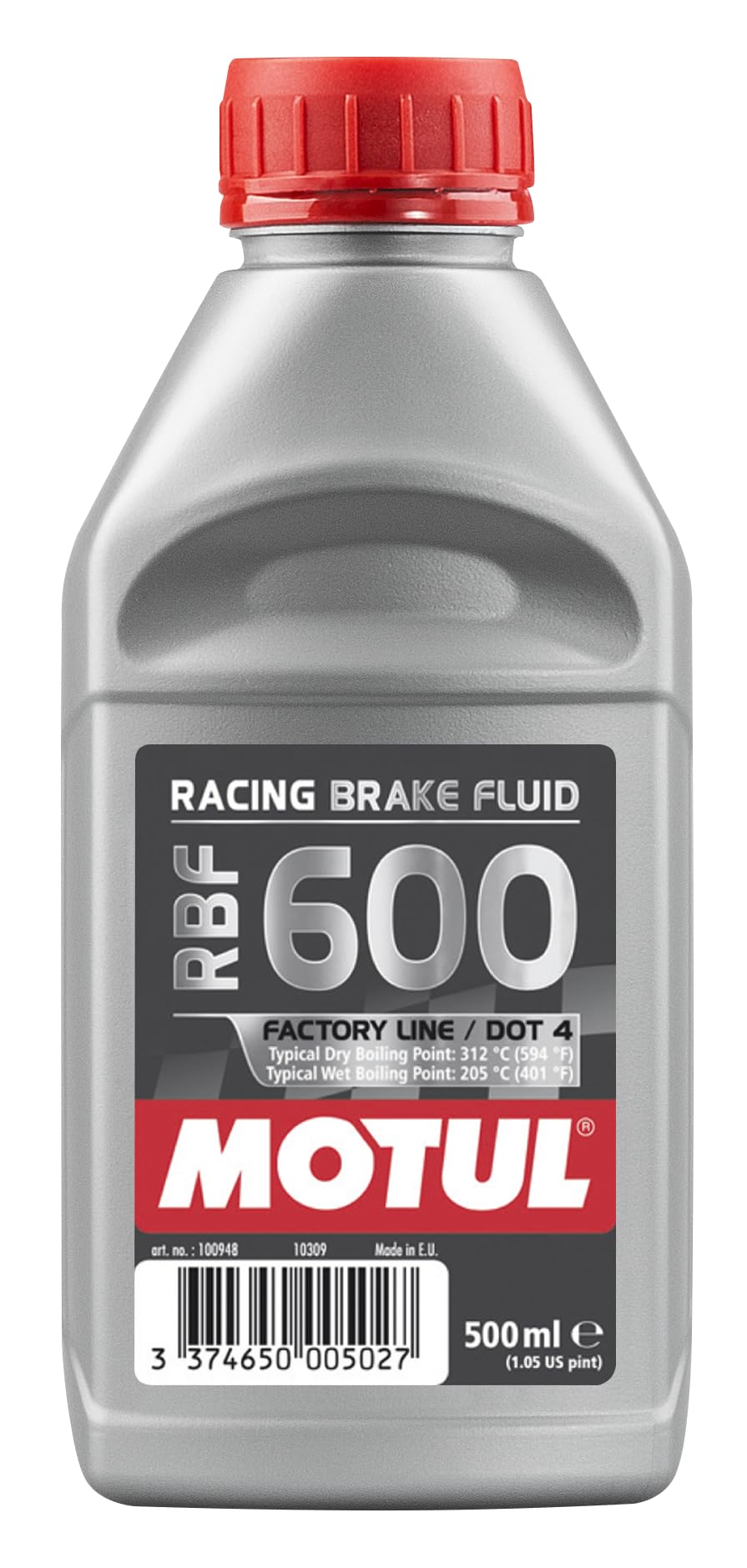
- Motul RBF600: 4.9 from 2,512 reviews — track enthusiasts confirm it resists fade lap after lap; the small bottle size is the main compromise.
Across the board, verified buyers agree that correct DOT selection and regular changes matter far more than the brand name. Scotty Kilmer’s video underscores that even a top fluid is useless if moisture contamination drags the boiling point below safe levels.
Skip silicone-based DOT 5 brake fluid for ABS-equipped cars
DOT 5 silicone fluid does not absorb water, which sounds good — but in systems with ABS valves, trapped water can cause corrosion and erratic brake behavior. Stick to DOT 3, 4, or 5.1 glycol-based fluids for any vehicle with stability control or anti-lock brakes.
Avoid generic no-name fluids missing DOT certification
Unbranded fluids often lack FMVSS 116 certification, meaning their boiling points and viscosity aren't verified. These can fail suddenly under hard braking and may be incompatible with modern seals. If the can doesn't display a DOT number, pass.
Don't confuse anti-squeal paste or caliper lube with brake fluid
Products like Liqui Moly anti-squeal paste and Permatex caliper lube are essential for brake jobs, but they are not brake fluid. Using them in the master cylinder will ruin the hydraulic system. Keep your brake fluid purchases strictly to DOT-rated fluids.
Explore more automotive essentials in our Shopping Hub. Keeping your brakes in top shape starts with the right fluid — learn how to change it yourself in our step-by-step guide.
Mubboo Editorial Team — independent US-market consumer research. Picks reflect editorial consensus from video reviews by Scotty Kilmer and Drive 55, and 30,314+ verified Amazon buyer reviews.