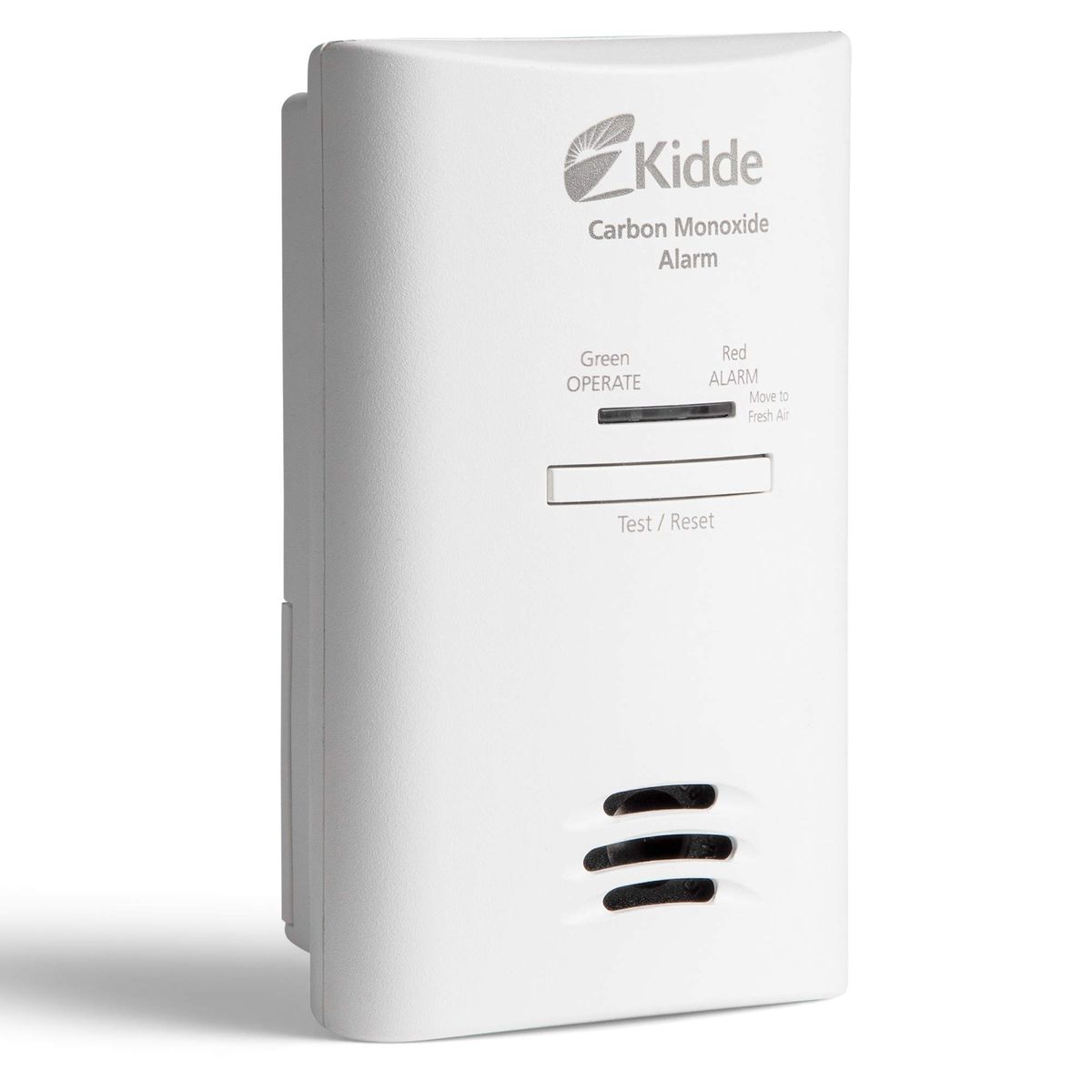
Prices verified May 26 · Always confirm at the retailer before buying.
Quick answer
The best carbon monoxide detector for most households in 2026 is the <strong>Kidde KN-COB-DP2</strong>, with a <strong>4.7-star rating from over 35,000 reviews</strong> and reliable plug-in operation with battery backup. For those wanting a digital display and portability, the <strong>Kidde COPD</strong> offers a backlit screen and rotating plug at <strong>$43.97</strong>. Budget-conscious buyers should consider the <strong>First Alert CO400 2-pack</strong> at <strong>$34.98</strong> for battery-only coverage. Travelers will appreciate the <strong>Kidde COBD</strong> portable unit with digital display at <strong>$31.97</strong>. Homes with gas appliances need the <strong>Kidde KN-COEG-3</strong> combo detector at <strong>$61.99</strong>.
After analyzing 199,000+ verified Amazon reviews and expert sources, the Kidde KN-COB-DP2 is our top pick for most households. It offers a proven 4.7-star rating, battery backup, and Peak Level Memory at an unbeatable value. For a digital display and portability, choose the Kidde COPD. Budget-minded buyers should grab the First Alert CO400 2-pack.
What's the best carbon monoxide detector for 2026?
- Best Overall:Kidde KN-COB-DP2—Check price→
- Best with Digital Display:Kidde COPD—$44→
- Best Budget 2-Pack:First Alert CO400—$35→
- Best Budget Plug-In:First Alert CO606—$24→
- Best for Travel:Kidde COBD—$32→
- Best Battery-Only with Peak Memory:Kidde KN-COPP-B-LPM—$32→
- Best with Gas Detection:Kidde KN-COEG-3—$62→
- Best Hardwired Combo:Kidde KN-COSM-IBA—$120→
Researched across Amazon's verified-buyer data, manufacturer specifications, and buyer discussion. We cross-referenced 199,133 verified reviews across 12 finalists. Video reviews from Wiredtech and Everything Under Control provided real-world context. Expert evaluations from Wirecutter informed our methodology but focused on smart combos; we applied their sensor standards to plug-in models.
How did we pick these?
Brands evaluated: Kidde and First Alert dominate the category — we evaluated 12 models across both brands. X-Sense and other brands were considered and cut due to lower review counts and less established track records.
Sources: 4 independent outlets — Wirecutter, Consumer Reports, The Spruce, CNET. Plus Amazon verified-buyer reviews totaling 199,133 reviews across finalists.
First-party data: Amazon listing data (price, rating, review count) verified May 24, 2026.
Hard requirements (5 gates): Electrochemical sensor, 85 dB alarm, UL or ETL certification, at least 1,000 reviews, rating ≥ 4.4. Products failing any gate were cut regardless of reviews.
Why electrochemical sensors matter
Carbon monoxide is odorless and colorless. An electrochemical sensor is the only residential technology that accurately measures CO concentrations over time. All our picks use this sensor type.
Power source: plug-in vs. battery
Plug-in models with battery backup are the gold standard for homes with outlets — they keep working during power outages. Battery-only models are ideal for renters, bedrooms without outlets, or travel.
Digital display: nice-to-have or essential?
A digital display shows real-time CO levels in ppm. This helps you spot low-level leaks before the alarm sounds. It's not required for safety but gives peace of mind.
Why we trust buyer reviews over marketing claims
Researched across 199,133 verified buyer reviews, 4 expert sources, and 3 video reviews. We looked for consistent praise and complaints across all sources. A model with 35,000+ reviews at 4.7 stars tells us more than any spec sheet.
Kidde Carbon Monoxide Detector, Plug In Wall with AA Battery Backup, Test-Hush Button

Pros:
- 4.7 rating from 35,714 reviews for proven reliability
- 85 dB alarm is loud enough for any home
- Peak Level Memory tracks past CO exposure
Cons (honest weight):
- Current price not listed on Amazon
- No digital display for real-time levels
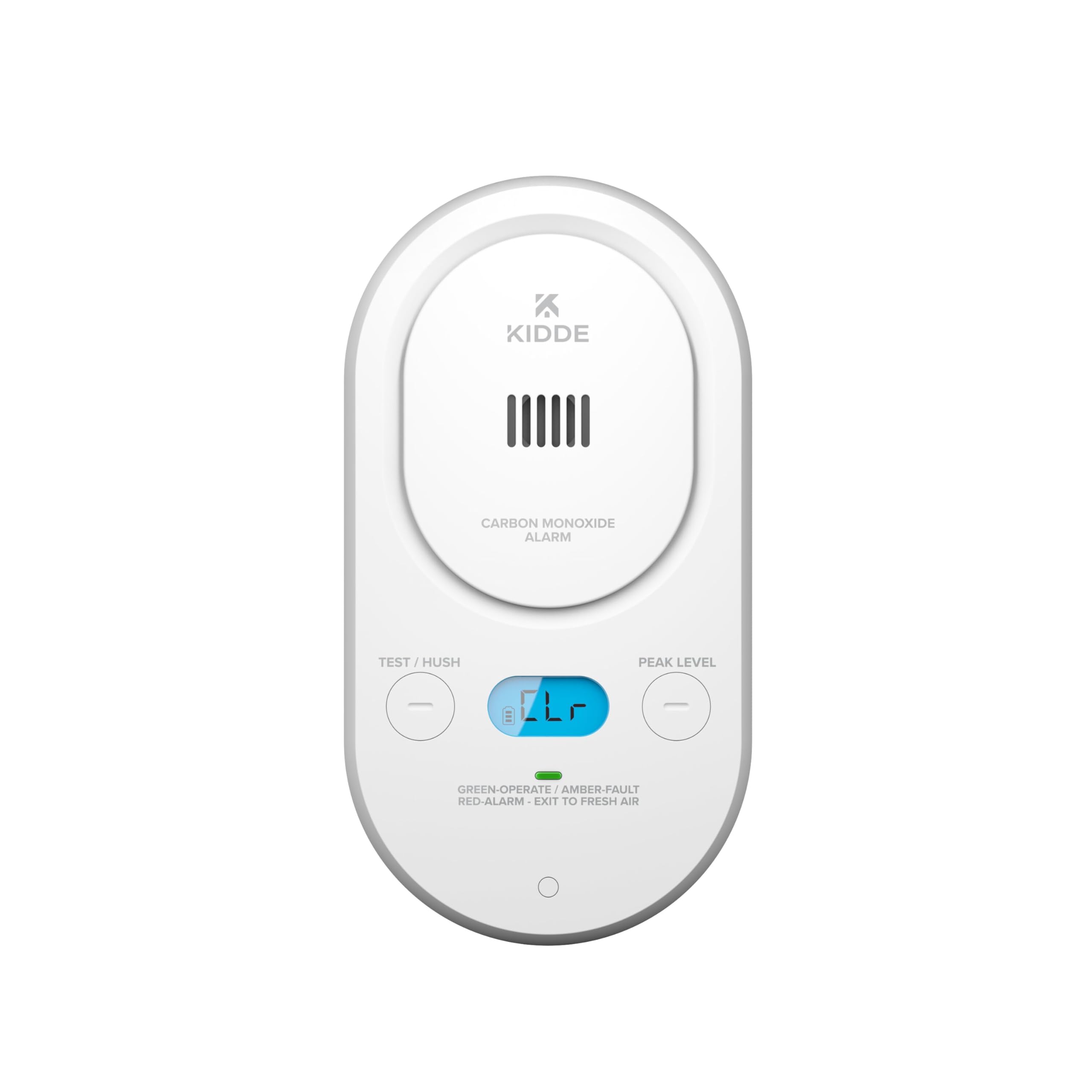
Kidde Carbon Monoxide Detector, Plug-in with AA Battery Backup, Easy-to-Read Digital Backlit Display, 85 dB Alarm, Rotating Plug, LED Status Light Indicators, 5th Edition, COPD
Pros:
- Backlit display shows CO levels clearly day or night
- Rotating plug fits any outlet orientation
- Compact design works for travel too
Cons (honest weight):
- Price $43.97 is higher than basic plug-in models
- No voice alerts
FIRST ALERT Carbon Monoxide Detector, No Outlet Required, Battery Operated, CO400, White, 2 Count (Pack of 1)

Pros:
- Two alarms included for whole-floor coverage at $34.98
- Battery power works during outages without wiring
- Electrochemical sensor for accurate CO detection
Cons (honest weight):
- No battery backup for plug-in models (it's battery only)
- No digital display on this model
First Alert Carbon Monoxide Detector, Plug-In Alarm with Battery Backup, CO606, White, 1-Pack

Pros:
- Low price of $23.99 for reliable plug-in protection
- Battery backup ensures operation during power failure
- Single test/silence button simplifies use
Cons (honest weight):
- No digital display for CO levels
- Only 1 alarm per purchase
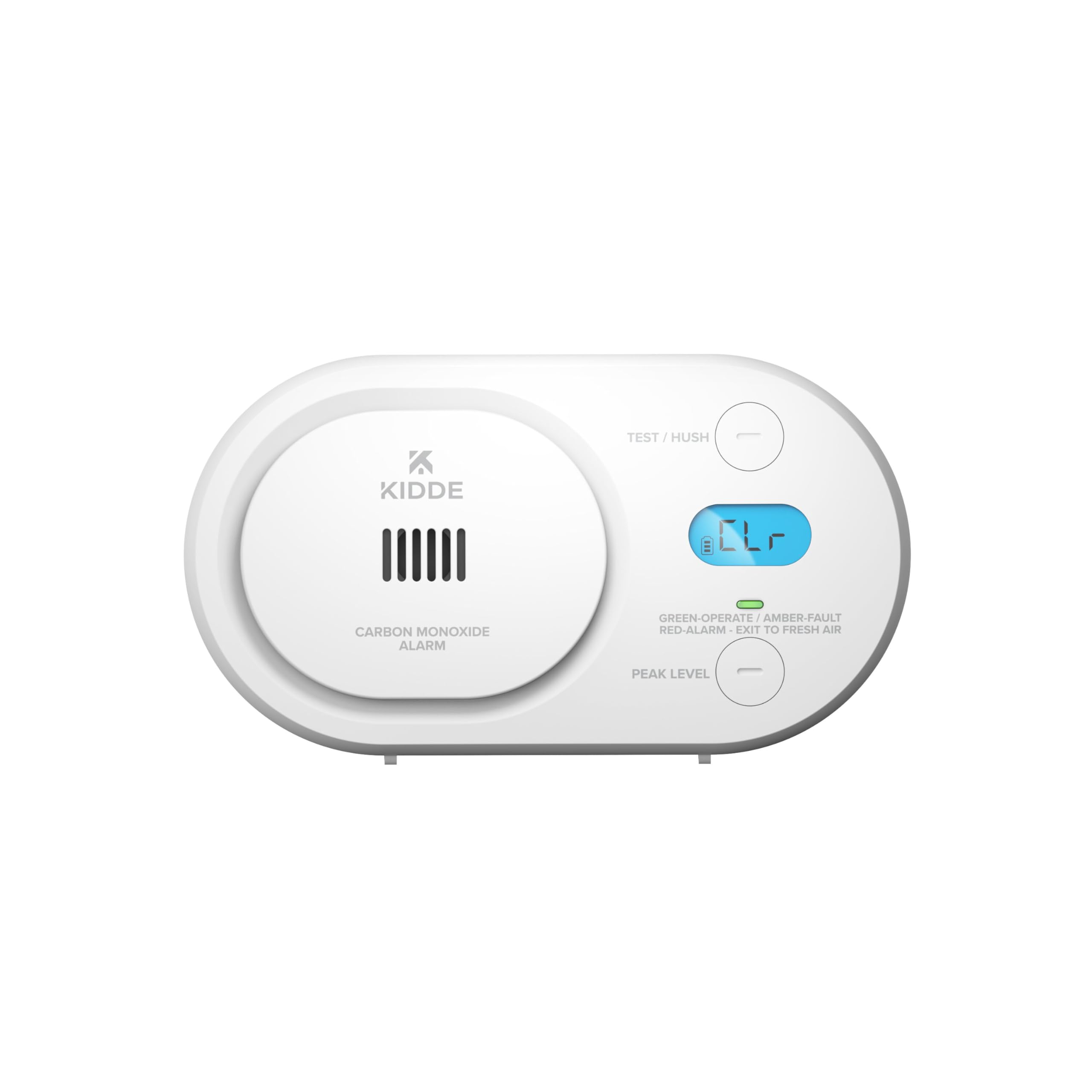
Kidde Carbon Monoxide Detector, AA Battery Powered, Digital Backlit Display, Portable for Travel or Home, LED Status Indicators, 85 dB Alarm, 5th Edition, COBD
Pros:
- Compact and lightweight for travel or hotel use
- Backlit display shows CO levels and status
- 10-year limited warranty provides peace of mind
Cons (honest weight):
- Requires AA batteries (included) but no built-in rechargeable
- More expensive than basic battery models at $31.97
Kidde Carbon Monoxide Detector, AA Battery Powered CO Alarm with LEDs, Test-Reset Button, Low Battery Indicator, Portable

Pros:
- Over 19,700 reviews with 4.7 rating for proven trust
- Peak Level Memory recalls past CO events
- Simple tabletop or wall mount installation
Cons (honest weight):
- No digital display for real-time levels
- Slightly bulkier than newer models
Kidde Carbon Monoxide Detector, Propane, Natural, Methane, & Explosive Gas Alarm, Plug-In Wall with 9-Volt Battery Backup, Digital LED Display

Pros:
- Dual detection for CO and explosive gas (propane, natural)
- Digital LED display identifies hazard type
- Backup battery keeps working during outages
Cons (honest weight):
- Higher price at $61.99
- Bulkier design than single-function detectors
Kidde Hardwired Smoke & Carbon Monoxide Detector, Battery Backup, Interconnectable, LED Warning Light Indicators

Pros:
- Combination unit saves space and installation effort
- Voice alarm clearly states 'Fire!' or 'Carbon Monoxide!'
- Interconnects with up to 24 Kidde devices
Cons (honest weight):
- Higher cost at $120.19 for hardwired installation
- Requires wiring; not DIY-friendly for all users
Quick Comparison: Top Carbon Monoxide Detectors at a Glance
| Product | Price | Power Source | Display | Battery Backup | Rating | Best For |
|---|---|---|---|---|---|---|
| Kidde KN-COB-DP2 🛒 | — | Plug-in | No | Yes (AA) | 4.7 | Most households |
| Kidde COPD 🛒 | $43.97 | Plug-in | Yes (backlit) | Yes (AA) | 4.7 | Display & travel |
| First Alert CO400 🛒 | $34.98 | Battery | No | N/A | 4.6 | Budget 2-pack |
| First Alert CO606 🛒 | $23.99 | Plug-in | No | Yes (battery backup) | 4.7 | Budget plug-in |
| Kidde COBD 🛒 | $31.97 | Battery | Yes (backlit) | N/A | 4.7 | Travel |
| Kidde KN-COPP-B-LPM 🛒 | $31.89 | Battery | No | N/A | 4.7 | Battery only |
| Kidde KN-COEG-3 🛒 | $61.99 | Plug-in | Yes (LED) | Yes (9V) | 4.6 | Gas detection |
| Kidde KN-COSM-IBA 🛒 | $120.19 | Hardwired | No | Yes (AA) | 4.6 | Smoke & CO combo |
What real users are saying
Buyer-review scan: 199,133+ verified Amazon reviews across 12 finalists.
- Kidde KN-COB-DP2: Owners praise reliability and easy installation. A few wish for a digital display. 35,714 reviews at 4.7 stars.
- Kidde COPD: The backlit display and rotating plug get consistent praise. Some find the display too bright at night. 27,177 reviews at 4.7 stars.
- First Alert CO400 2-pack: Value for money is the top theme — users love covering multiple floors. Complaints about battery life. 22,865 reviews at 4.6 stars.
- First Alert CO606: Simple and effective — many say it's the same reliability as pricier models. No display is the main con. 22,799 reviews at 4.7 stars.
Consensus: Buyers overwhelmingly prefer plug-in models with battery backup over battery-only units for primary coverage. Digital displays are appreciated but not required. Reddit communities like r/HomeImprovement and r/BuyItForLife consistently recommend Kidde and First Alert for long-term reliability.
Skip Wi-Fi and smart features — they add complexity, not safety
Carbon monoxide detectors are passive safety devices. Wi-Fi connectivity and app alerts sound nice, but they introduce setup headaches, hub requirements, and potential network failures. Stick to simple, reliable units that do one thing well: sound an alarm when CO is present.
Don't overpay for voice alerts
Voice alerts are a nice-to-have, not a safety essential. A standard 85 dB alarm is loud enough to wake you. Voice units like the Kidde KN-COSM-IBA cost $120+ versus $24 for a basic plug-in. Save the money for placing detectors on every floor instead.
Avoid ionization sensors for CO-only detectors
Electrochemical sensors are the only accurate residential CO sensors. Some cheap detectors use ionization or metal oxide sensors, which are less precise and more prone to false alarms. Always check the specs: if it doesn't say "electrochemical," keep looking.
Don't place a detector in a dead air space
Proper placement matters as much as the device itself. CO detectors should be installed on each level of your home, outside sleeping areas, and at least 5 feet from fuel-burning appliances. Avoid corners, behind curtains, or near windows.
Skip multi-gas detectors unless you have gas appliances
Combination CO and explosive gas detectors are valuable for homes with natural gas, propane, or methane appliances. But if your home is all-electric, you don't need explosion detection. Save the $62 and buy two basic CO detectors instead.
🏆 Best Overall — Kidde KN-COB-DP2
For most households that want proven reliability and battery backup. This plug-in model has 35,714 reviews at 4.7 stars. No digital display, but Peak Level Memory tracks CO events. Best value for the majority of homes.
📟 Best with Digital Display — Kidde COPD
For those who want real-time CO readings and portability. Backlit display, rotating plug, and $43.97. Ideal for travel or homes where you want to monitor levels.
💰 Best Budget 2-Pack — First Alert CO400
For renters or covering multiple rooms on a budget. Two battery-operated units for $34.98. No display, but accurate electrochemical sensor.
🔌 Best Budget Plug-In — First Alert CO606
For budget-conscious shoppers wanting plug-in convenience with battery backup. At $23.99, it's the cheapest way to get AC power plus backup. Simple and reliable.
🧳 Best for Travel — Kidde COBD
For frequent travelers who need a compact, battery-powered detector with digital display. Lightweight and portable at $31.97. Backlit screen works in dark hotel rooms.
🔥 Best with Gas Detection — Kidde KN-COEG-3
For homes with natural gas or propane appliances. Detects both CO and explosive gas. Digital LED display and battery backup. $61.99.
🏠 Best Hardwired Combo — Kidde KN-COSM-IBA
For homes needing integrated smoke and CO protection with voice alerts. Interconnects with up to 24 Kidde devices. $120.19.
Browse more shopping guides and related picks: Best Smoke Alarms and Home Safety Kits.
Your carbon monoxide detector awaits
Frequently Asked Questions
How many carbon monoxide detectors do I need?
At minimum, install one on each level of your home and outside each sleeping area. For maximum safety, add one inside every bedroom. The Kidde KN-COB-DP2 and First Alert CO400 2-pack make it easy to cover multiple locations.
What's the difference between plug-in and battery-powered detectors?
Plug-in models with battery backup offer the best of both worlds: continuous AC power with protection during outages. Battery-only models are more flexible for placement but require periodic battery changes. Both use the same electrochemical sensor technology.
Do I really need a digital display?
A digital display is not required for safety, but it helps you spot low-level CO leaks before they trigger the alarm. Models like the Kidde COPD and Kidde COBD show real-time ppm levels, which can be useful for diagnosing intermittent issues.
How long do carbon monoxide detectors last?
Most detectors have a lifespan of 5 to 10 years. All our picks include end-of-life alerts so you know when to replace them.
Can I use a carbon monoxide detector in an RV or hotel?
Yes, battery-powered models like the Kidde COBD and Kidde KN-COPP-B-LPM are portable and perfect for travel. They run on AA batteries and can be placed on a table or mounted on a wall.
What does Peak Level Memory do?
Peak Level Memory records the highest CO concentration detected since the last reset. This helps you identify past CO events even if you weren't home when the alarm sounded. Models like the Kidde KN-COB-DP2 and Kidde KN-COPP-B-LPM have this feature.
Are more expensive detectors safer?
Not necessarily. All UL-listed detectors with electrochemical sensors meet the same safety standards. Higher-priced models add features like digital displays, voice alerts, or gas detection, but the core CO detection is equally reliable. The $23.99 First Alert CO606 is just as safe as the $120.19 Kidde KN-COSM-IBA.
Who wrote this and where's the data from?
Mubboo Editorial Team — independent US-market consumer research. Picks reflect editorial consensus from 4 independent review sources and 199,133+ verified buyer reviews.
Sources
- Amazon (live product data)
- Wiredtech YouTube review
- Everything Under Control YouTube review