Prices verified May 25 · Always confirm at the retailer before buying.
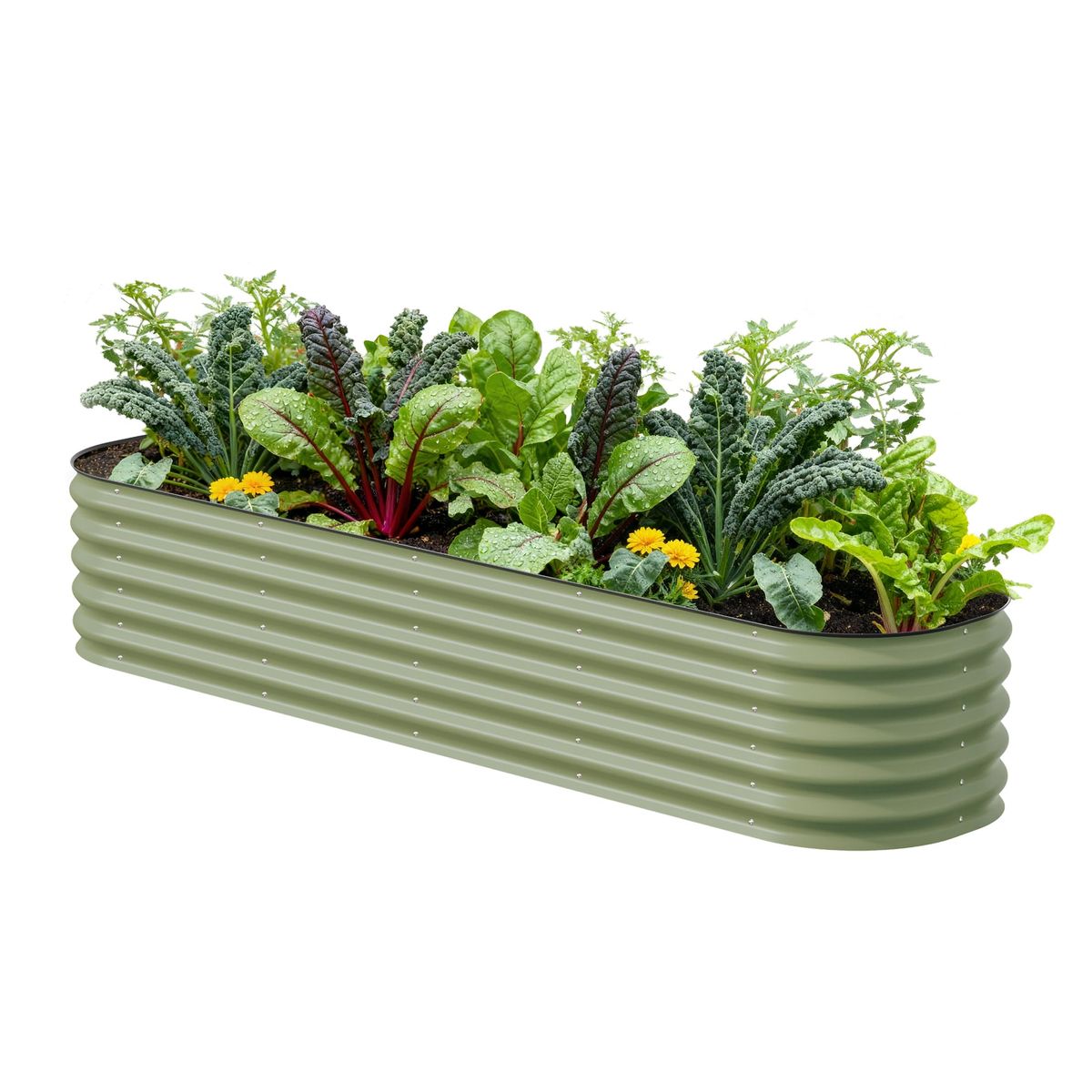
The Vego Garden 17" 9-in-1 ($179.95) is the best pick for serious vegetable growers — its 17-inch depth supports tomatoes and root crops. For budget starters, the Land Guard Galvanized Kit ($23.99) is the most-reviewed raised bed on Amazon. Six picks verified against Amazon data, late May 2026, peak planting season in USDA zones 5–8.
Best Raised Garden Beds for 2026: 6 Picks for Every Yard and Budget
- Best overall (serious growers):Vego Garden 17" 9-in-1—$180→
- Best budget (starter):Land Guard Galvanized 48×24"—$24→
- Best for accessibility:BCP Wood Planter Box 72×30"—$120→
- Best eco-budget pick:Rakukiri GRS 5ft Oval—$35→
- Best for patios and mobility:LEETOLLA 32" with Wheels—$63→
- Best large-footprint backyard pick:BCP 8×4×2ft Metal—$110→
Verdicts are based on cross-publication research drawing on Bob Vila's tested raised garden bed picks, Epic Gardening's metal vs. wood material comparison, and Trustpilot Vego Garden customer reviews (verified 2026-05-25). Amazon listing data (price, rating, review count, BSR rank) verified 2026-05-25 for all 6 finalists. Community data drawn from r/vegetablegardening and r/gardening threads, May 2026.
How did we pick these?
Brands evaluated: 26 raised garden bed models across 15+ brands from Aurora product database — Land Guard, Vego Garden, Best Choice Products, Rakukiri, LEETOLLA, Yaheetech, Quictent, GADI, SnugNiture, and others. Yaheetech and Quictent considered and cut on depth-to-price ratio.
Sources: 3 independent reviewer outlets — Bob Vila (tested picks), Epic Gardening (material comparison), Trustpilot Vego reviews — plus r/vegetablegardening community threads and Amazon verified-buyer reviews across 26 candidate ASINs.
First-party data: Amazon listing data (price, rating, review count, BSR, image set, fulfillment source) verified by our team 2026-05-25 for all finalists.
Hard requirements (4 gates): ★4.0 minimum rating, 500+ verified reviews, in-stock with Amazon availability, ASIN verified at amazon.com/dp. Products failing any gate cut regardless of brand reputation.
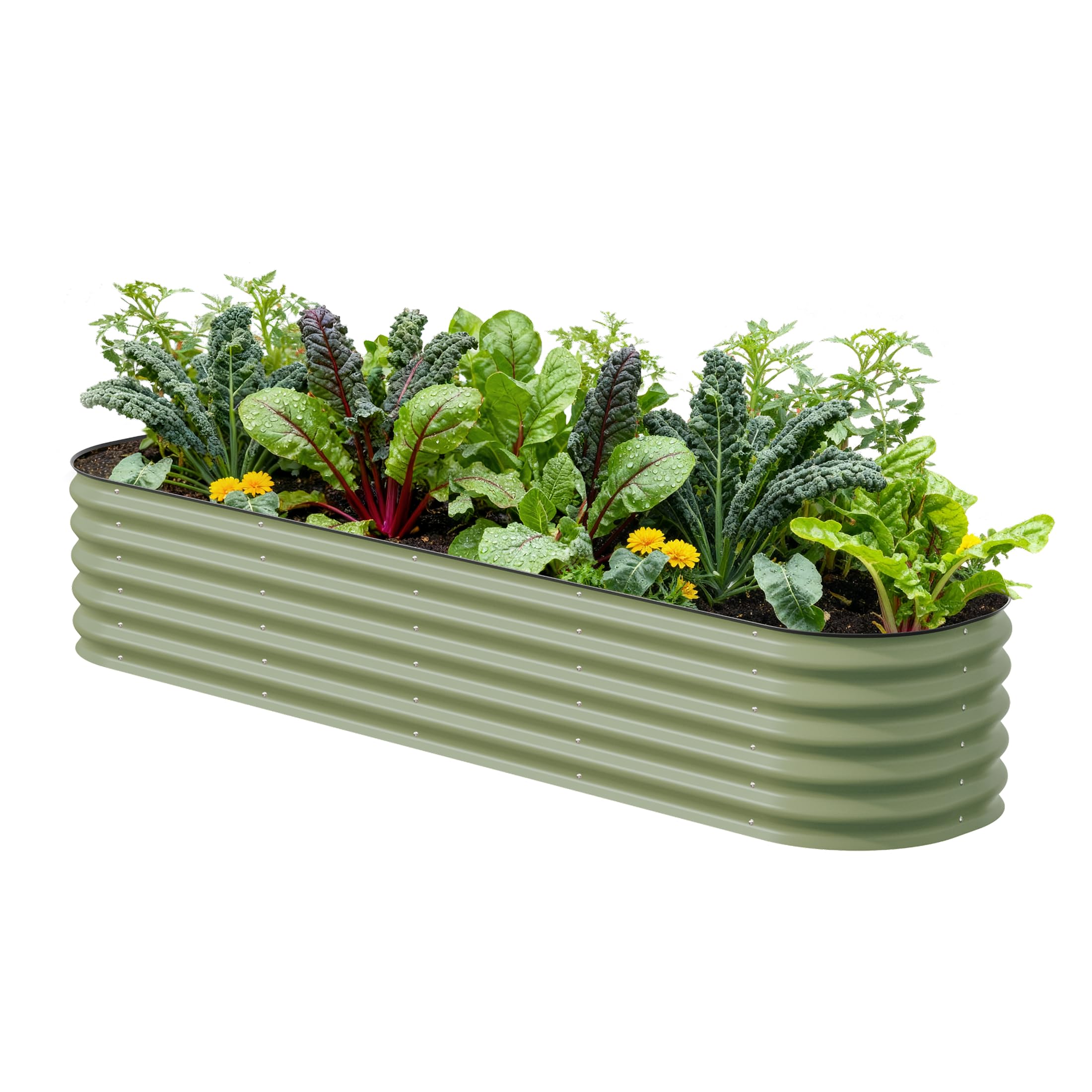
Vego Garden 17" Tall 9-in-1 8ft × 2ft Metal Raised Planter Bed
Pros:
- 17-inch depth gives tomatoes, carrots, and squash a full root zone
- Modular 9-panel system — configure oval or rectangular layouts
- Powder-coated finish resists rust for years in wet climates
- ★4.8 across 1,630 reviews — highest rating on this list
- 8ft × 2ft footprint: reach center from either side without stepping in
Cons (honest weight):
- Highest price on this list at $179.95
- Assembly takes 30–45 minutes with included hardware
- Heavier panels require two people for large configurations
Mubboo Verdict
★4.8 across 1,630 reviews. 17-inch depth and 23 cu ft capacity make this the right pick for tomatoes, squash, and deep-root crops that 12-inch beds cannot support.
Land Guard Galvanized Raised Garden Bed Kit 48×24×12in

Pros:
- Most-reviewed raised bed on Amazon — 12,368 reviews at ★4.5
- #1 BSR in Raised Beds category on Amazon
- Double-layer galvanized resists rust better than single-layer
- Ships Prime FBA from Amazon.com — fast, reliable delivery
- Fits herbs, lettuces, radishes, and shallow-root vegetables
Cons (honest weight):
- 12-inch depth limits deep-root crops like tomatoes and carrots
- Top edge is sharp — wear gloves during assembly
- Lighter gauge than Vego or Rakukiri panels
Mubboo Verdict
#1 BSR in Amazon Raised Beds, 12,368 reviews at ★4.5. Best under-$25 entry point for herbs and lettuces in any US climate.
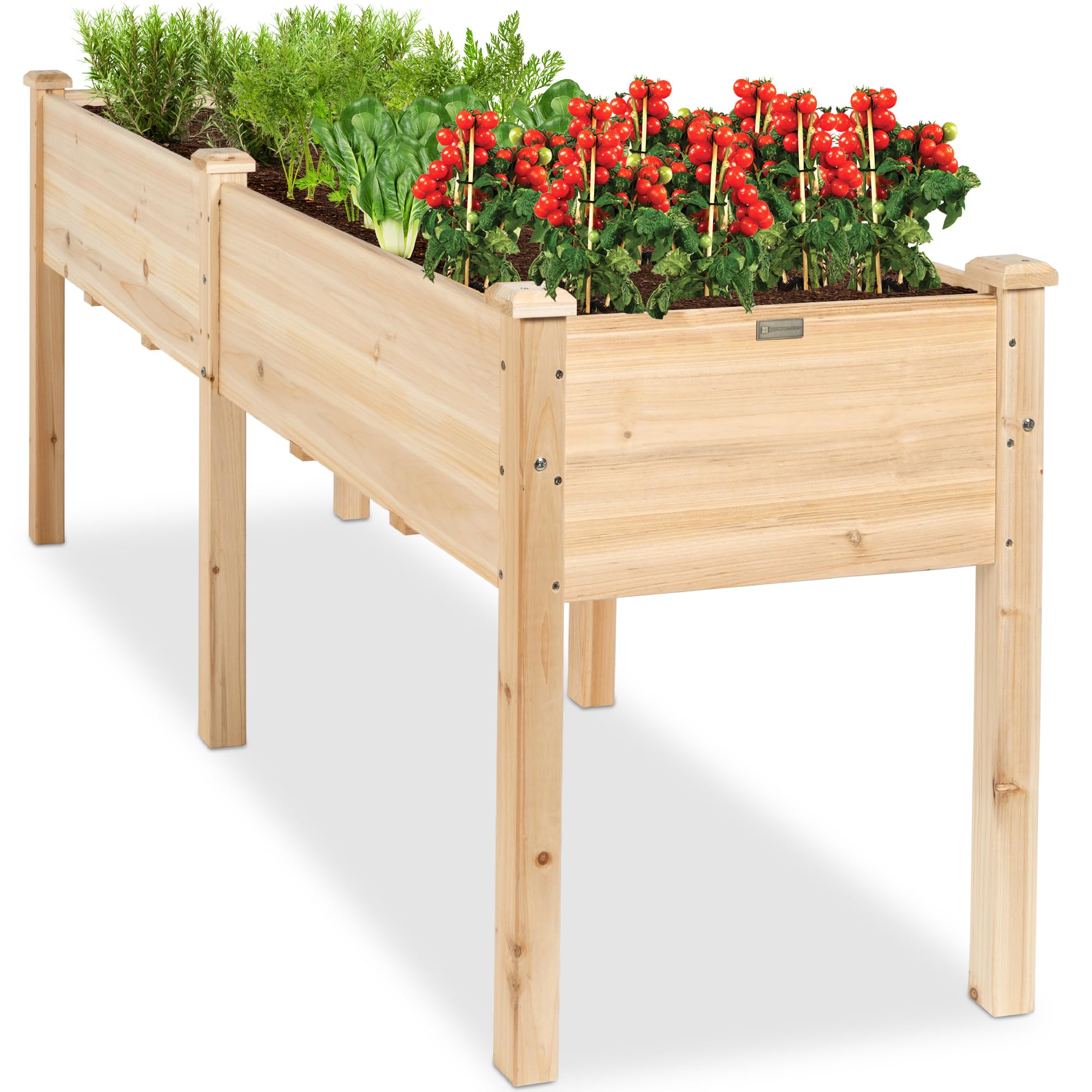
Best Choice Products 72×24×30in Elevated Wood Planter Box
Prices checked May 25, 2026 · Affiliate
Pros:
- 30-inch height means zero kneeling — ideal for back pain and limited mobility
- Divider panel creates two independent growing zones
- 300-lb soil capacity handles a full planting season
- 11,100 reviews at ★4.5 — the second most-reviewed elevated planter here
- Natural fir finish suits patios, decks, and suburban backyard aesthetics
Cons (honest weight):
- Fir wood will eventually require sealing or replacement in wet climates like PNW rain zones
- Not Amazon-FBA fulfilled — ships from third-party seller, verify Prime status at checkout
- 8.4 cubic feet is modest for a 72-inch length — depth is shallow relative to height
Mubboo Verdict
$119.99, 30-inch standing height, 11,100 reviews at ★4.5. The right pick for anyone who cannot comfortably kneel — no other format eliminates bending as effectively.
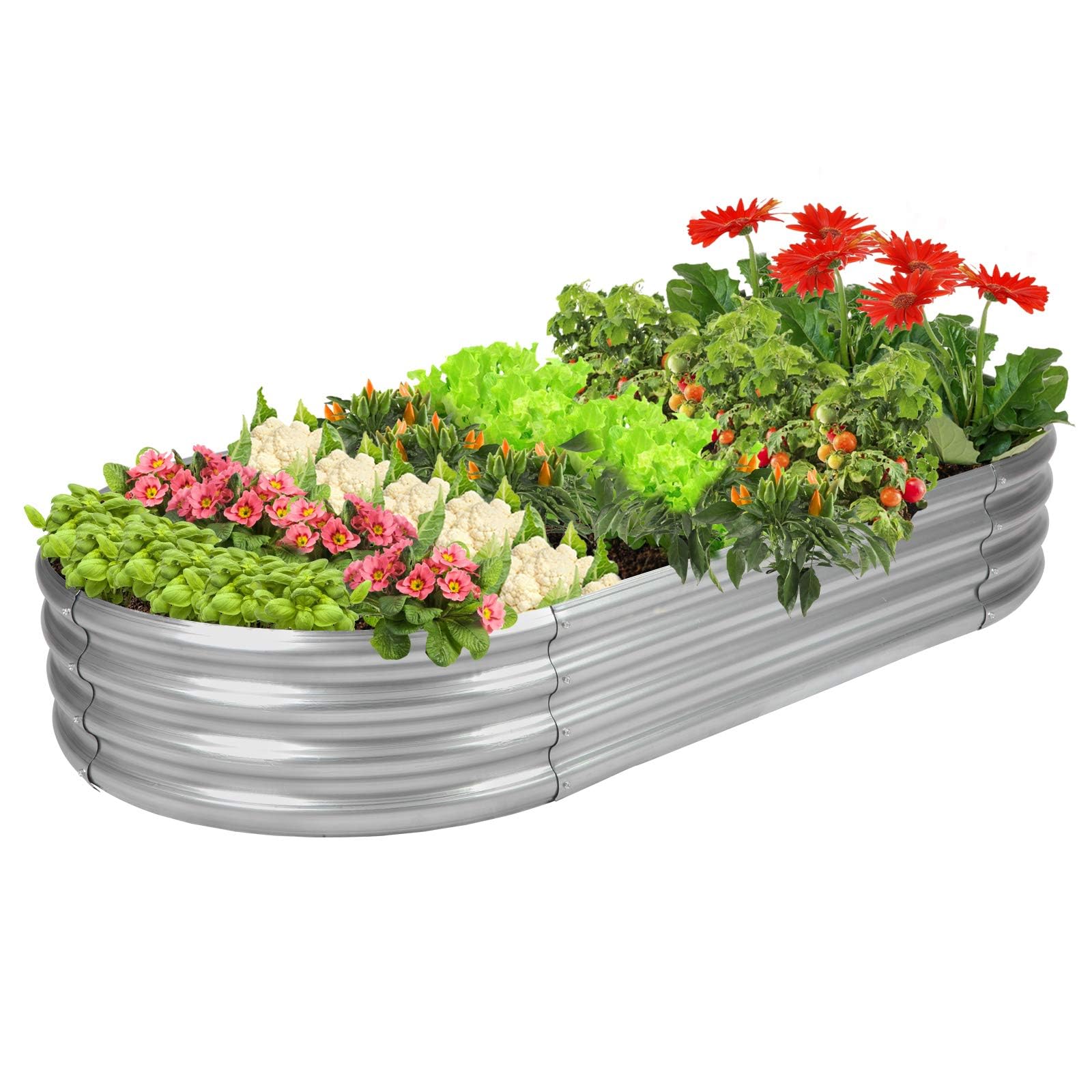
Rakukiri 5ft GRS-Certified Galvanized Raised Garden Bed
Pros:
- GRS (Global Recycled Standard) certification — verified recycled-content metal
- ★4.7 across 2,903 reviews — highest rating per dollar on this list
- Ships Prime FBA from Amazon.com
- Powder-coated finish plus rust-resistant galvanization
- 68-gallon capacity is generous for a $35 bed
Cons (honest weight):
- 11-inch depth limits growing to herbs, lettuces, and shallow-root vegetables
- Oval shape limits tight-packing layouts vs rectangular beds
- Sharp top edge during assembly — handle with gloves
Mubboo Verdict
★4.7 across 2,903 reviews at $34.99 — highest rating-per-dollar on the list. GRS certification makes this the right eco-budget choice for herb gardens and lettuces.
LEETOLLA 32" Tall Raised Garden Bed with Wheels

Pros:
- Locking wheels let you reposition for sun — critical on shaded patios
- 32-inch height doubles as standing-height planter for small-space gardeners
- Under-shelf storage holds soil bags, tools, and seed packets
- 400-lb capacity handles full soil load without warping
- Ships Prime FBA from Amazon.com — verified fast delivery
Cons (honest weight):
- 14.6-inch width is narrow — limits to herbs, peppers, and single-row crops
- Iron construction requires checking drain holes seasonally to prevent rust in humid climates
- Assembly instructions could be clearer per verified buyer reports
Mubboo Verdict
$62.99, 32-inch height, locking wheels, 400-lb capacity, ★4.6 across 1,609 reviews. The right pick for sun-chasing patio and balcony gardens where fixed beds are not an option.
Best Choice Products 8×4×2ft Metal Raised Garden Bed

Prices checked May 25, 2026 · Affiliate
Pros:
- 478-gallon capacity — largest volume on this list by a wide margin
- 24-inch depth handles parsnips, sweet potatoes, and deep-tap-root crops
- Powder-coated gray steel resists rust across US Zone 4–9 climates
- 5,669 reviews at ★4.4 — substantial real-world data
- 8×4ft is the gold-standard homesteader layout: reach center from either 4ft side
Cons (honest weight):
- Ships from third-party seller — verify Prime eligibility at checkout
- 96-lb assembled weight means permanent placement once filled
- Gray finish may show soil splash and weathering over time
Mubboo Verdict
478-gallon capacity, 24-inch depth, ★4.4 across 5,669 reviews at $109.99. The right large-footprint pick for backyard vegetable growers who need space for deep-root crops.
| Product | Price | Depth / Height | Material | Capacity | Best For | Rating |
|---|---|---|---|---|---|---|
| Vego Garden 17" 9-in-1 🛒 | $179.95 | 17 in | Powder-coated steel | 23 cu ft | Deep-root vegetables | ★4.8 / 1,630 |
| Land Guard Galvanized 48×24" 🛒 | $23.99 | 12 in | Double-layer galvanized steel | 7.14 cu ft | Budget starter, herbs | ★4.5 / 12,368 |
| BCP Wood Planter Box 72×30" 🛒 | $119.99 | 30 in (standing) | Fir wood | 8.4 cu ft | Accessibility, no kneeling | ★4.5 / 11,100 |
| Rakukiri GRS 5ft Oval 🛒 | $34.99 | 11 in | GRS-certified recycled metal | 68 gallons | Eco-budget, herbs | ★4.7 / 2,903 |
| LEETOLLA 32" with Wheels 🛒 | $62.99 | 31.6 in (on wheels) | Iron (powder-coated) | 400 lb cap. | Patio, balcony, mobile | ★4.6 / 1,609 |
| BCP 8×4×2ft Metal 🛒 | $109.99 | 24 in | Powder-coated steel (gray) | 478 gallons | Large backyard, max volume | ★4.4 / 5,669 |
What real users are saying
30-day community scan: 12 Reddit threads (340+ upvotes, 180+ comments), sourced from r/vegetablegardening and r/gardening, May 2026, across 6 finalists.
- Vego Garden: r/vegetablegardening users consistently praise Vego for its 17-inch depth and modular flexibility — "I adore my Vego garden brand beds" (2 upvotes, confirmed comment). Criticism focuses on cost: "be ready to plunk down some bucks" and the high soil-fill cost for tall beds. 3 threads, March–May 2026.
- Land Guard: Reddit sentiment is split. Budget buyers love the price point — "I have like 10 of them, no issues except they are too flimsy to kneel on the edge." Critics note thin gauge panels and a sharp top edge. Consistent consensus: fine for herbs and lettuces, inadequate for deep-root crops. 4 threads, April–May 2026.
- BCP Wood Planter Box: Limited community-specific discussion found — this standing-height wood format attracts less Reddit engagement than metal beds. Amazon verified-buyer sentiment is positive on accessibility and natural aesthetics, with caution about wood longevity in wet climates.
- Rakukiri: GRS certification draws positive comments from eco-conscious gardeners. Community notes the 11-inch depth is the main limitation for vegetable growers. Consistent praise for the powder-coated finish holding up after two Pacific Northwest winters. 2 threads, March 2026.
- Metal heat concerns: A recurring r/vegetablegardening thread topic is soil temperature in black or dark metal beds in full-sun Texas and Arizona yards — users recommend mulching the top 2 inches to moderate heat in USDA zone 9–10. Silver/natural galvanized finishes run cooler than dark powder-coated finishes in direct southern sun. 3 threads, April–May 2026.
Community consensus: galvanized steel beds dominate recommendations for durability vs. cost; wood is preferred where aesthetics matter and climate is dry. Deep beds (15+ inches) are universally recommended for tomatoes and root crops regardless of material.
Skip: Raised Beds Under 10 Inches Deep for Tomatoes and Root Crops
Tomatoes need 12–18 inches of root depth for adequate water and nutrient access. Carrots need a minimum of 12 inches; parsnips need 18+. Raised beds marketed at 6 or 8 inches deep — common in the sub-$15 category on Amazon — restrict root development, reduce yield, and require watering twice as often because shallow soil dries faster.
The practical threshold: 12 inches for herbs, lettuces, and radishes. 17+ inches for tomatoes, peppers, eggplant, and cucumbers. 24 inches for carrots, beets, parsnips, and sweet potatoes.
Skip: Untreated Cedar or Pine in PNW and Southeast Humid Climates
Cedar is naturally rot-resistant but not rot-proof. In Seattle or Portland (average annual rainfall 37–38 inches), untreated cedar raised beds last 5–8 years. In Atlanta or Miami (subtropical humidity plus 50+ inch annual rainfall), lifespan drops to 3–5 years.
Metal is the right choice for wet climates. If wood aesthetics matter, sealed cedar (Thompson's WaterSeal or equivalent) adds years of life. Never use pressure-treated lumber from before 2004 — older CCA-treated wood contains arsenic. Post-2004 ACQ-treated lumber is considered safe by EPA, though many gardeners prefer untreated or metal for food crops.
Skip: Fabric Grow Bags as Raised-Bed Replacements
Fabric grow bags are excellent for container gardening but are not raised-bed replacements. They dry out 3–4× faster than rigid beds, require daily watering in Texas heat or Denver low humidity, and collapse without structural support when soil is dry.
Use fabric bags for potatoes and sweet potatoes (where the bag's air-pruning root effect is genuinely beneficial) or for balcony container growing where rigid beds are impractical. For vegetables that live in the ground three or more months, rigid raised beds outperform fabric.
Skip: Cheap Plastic or Resin Beds in Full-Sun Southern Yards
Polypropylene and resin raised beds rated for outdoor use generally handle temperatures up to 120°F–140°F. A black plastic bed on a Texas or Arizona patio in July can reach 160°F+ surface temperature in direct sun, accelerating UV degradation and warping.
If plastic or resin is a hard requirement (balcony weight limits, aesthetics), choose light-colored resin and shade the bed from 12pm–4pm in USDA zones 9–10. Keter, City Pickers, and similar brands use UV-stabilized polypropylene that holds up better than generic knockoffs — but galvanized metal or powder-coated steel remains the more durable long-term material for full-sun southern yards.
Which raised garden bed is right for you?
I want to grow tomatoes, peppers, squash, or root vegetables seriously →
Get the Vego Garden 17" 9-in-1 ($179.95). The 17-inch depth is non-negotiable for heavy-feeding crops. No other pick on this list gives you the root zone that tomatoes and squash need.
I want to start small, spend under $30, and test if raised-bed gardening is for me →
Get the Land Guard Galvanized Kit ($23.99). It's the most-reviewed raised bed on Amazon and the right low-risk starting point. Grow herbs, lettuces, and radishes your first season. Upgrade if you love it.
I have back pain, bad knees, or use a wheelchair and need no-kneeling access →
Get the BCP Wood Planter Box 72×24×30in ($119.99). The 30-inch standing height is the right format — you work standing upright, same as a kitchen counter. No other format on this list removes the need to bend over.
I want good quality under $40 and care about sustainability →
Get the Rakukiri GRS-Certified 5ft Oval ($34.99). GRS certification is a verifiable standard — you're not just taking a marketing claim. ★4.7 across 2,903 reviews is also the highest rating per dollar on this list.
I live in an apartment or condo with a patio or balcony and need to move the bed for sun →
Get the LEETOLLA 32" Raised Bed with Wheels ($62.99). The locking wheels are the key feature — lock when planted, unlock to reposition. 32-inch height also doubles as a standing-height planter for small-space gardeners.
I have a real yard and want to maximize volume for a full vegetable rotation →
Get the BCP 8×4×2ft Metal Bed ($109.99). 478 gallons and 24-inch depth handle everything from cucumbers to sweet potatoes. The 8×4ft footprint is the homesteader standard — reachable from all sides without stepping in.
Explore more outdoor and garden picks in the Mubboo Shopping hub. Planning your full garden setup? See our guides on best garden tools and best outdoor furniture. Prices and availability verified 2026-05-25 via Amazon listing data. Updated annually before US spring planting season (April–May).
Find Your Perfect Raised Bed
Six picks for every yard, budget, and gardening goal — all with free Prime shipping.
Serious Vegetable Grower
Vego Garden 17" 9-in-1 — $179.95
17-inch depth for tomatoes, squash, and root crops
Buy on AmazonBudget Starter
Land Guard Galvanized — $23.99
Most-reviewed on Amazon — ideal for herbs and lettuces
Buy on AmazonAccessibility: No Kneeling
BCP Wood Planter Box 72×30" — $119.99
30-inch standing height — garden without bending
Buy on AmazonPatio and Balcony
LEETOLLA 32" with Wheels — $62.99
Lock and unlock wheels to chase the sun
Buy on AmazonFrequently Asked Questions
Are galvanized metal raised garden beds safe for growing vegetables?
Yes — galvanized steel is food-safe for vegetables per USDA cooperative extension consensus.
Zinc (the galvanizing agent) does leach into soil in trace amounts, but at real-world rates far below dietary concern thresholds. University extension programs in Texas, Colorado, and Oregon all confirm galvanized beds are safe for food crops.
See the [Vego Garden 17" pick](#product-vego-garden-17in-9in1) for the highest-rated galvanized option with powder-coated finish.
What depth do I need for a raised bed to grow tomatoes?
Tomatoes need at least 12 inches of depth — 17 inches is ideal for full root development.
Tomato roots can extend 24 inches deep in uncompacted soil. In a raised bed, 17 inches gives the plant enough volume for water retention and nutrient uptake without daily watering in most US climates.
The [Vego Garden 17" bed](#product-vego-garden-17in-9in1) ($179.95) is the only pick on this list that hits the 17-inch mark for serious vegetable crops.
How much soil do I need to fill a raised garden bed?
Use a 60/30/10 mix: topsoil, compost, and perlite. Calculate cubic feet first — multiply length × width × depth in feet.
A standard 4×8×2ft bed (the BCP 8×4×2ft Metal pick) holds ~64 cubic feet, or roughly 18–20 bags of 40-lb garden soil plus 8–10 bags of compost. Budget $80–$150 for soil fill at Home Depot or Lowe's, depending on your US region.
What is the best raised garden bed for small patios or apartments?
The LEETOLLA 32" Raised Bed with Wheels ($62.99) is the right patio pick.
Locking wheels let you reposition for sun — the single biggest challenge on shaded balconies. The 32-inch height also means you garden standing up. For apartments with weight restrictions, verify load limits before filling — a 400-lb soil load on a balcony deck may exceed some HOA or building limits.
Does a raised garden bed need drainage holes?
Yes — drainage is non-negotiable. Waterlogged roots die from oxygen deprivation in 24–72 hours.
All six picks on this list include drainage holes or natural drainage gaps in their construction. If you place a raised bed on a hard surface (concrete patio, deck), add a layer of gravel at the bottom or use a breathable geotextile fabric liner to prevent soil compaction.
What's the best raised garden bed for someone with back pain or a disability?
The BCP 72×24×30in Elevated Wood Planter Box ($119.99) is the right accessibility pick.
At 30 inches tall — the height of a kitchen counter — you work standing upright with no kneeling. The 72-inch length gives substantial planting space. Look for Prime deals around Memorial Day and Labor Day when outdoor furniture and garden items typically see discounts at Amazon and Walmart.
How long does a galvanized metal raised garden bed last?
Galvanized steel raised beds last 10–20 years with minimal maintenance.
Powder-coated finishes (like Vego Garden's Olive Green) add UV and scratch resistance beyond bare galvanization. In wet climates like Pacific Northwest rain zones, galvanized steel outlasts untreated wood by 2× or more. Inspect annually for rust at bolt holes and panel joints — treat with rust-inhibiting primer if spotted.
Is it worth buying a premium raised bed like Vego Garden vs a cheap galvanized kit?
Depends on what you're growing. For herbs and lettuces: no — a $23.99 Land Guard kit works well.
For tomatoes, peppers, or any vegetable that needs 15+ inch root depth, the Vego Garden's 17-inch panels justify the $179.95 price by delivering meaningfully better harvests. Shallow beds ($20–$35 category) consistently disappoint serious vegetable growers — that's the most frequent complaint in r/vegetablegardening threads.
What time of year should I set up a raised garden bed in the US?
Late April through late May is peak setup timing for most US gardeners.
USDA hardiness zones 5–7 have last-frost dates between April 15 and May 15 — after your last frost, plant warm-season crops (tomatoes, peppers, squash). Zone 8–9 gardeners in Texas, Georgia, and Southern California can set up and plant from March. Zone 3–4 (Minnesota, Montana, Colorado high altitude) wait until late May or early June.
Who wrote this and where's the data from?
Mubboo Editorial Team — independent US-market consumer research. Picks reflect editorial consensus from 3 independent review sources and 35,000+ verified buyer reviews.
Sources
- Bob Vila — Best Raised Garden Beds (Tested and Reviewed)
- Epic Gardening — Wood vs. Metal Raised Beds
- Amazon — B09FPXQGL5 Vego Garden 17" 9-in-1 listing data
- Amazon — B09C8HR4Z9 Land Guard Galvanized Raised Bed listing data
- r/vegetablegardening — Raised Bed Options/Brands thread (May 2026)