Prices verified May 22 · Always confirm at the retailer before buying.
For most US road runners in 2026, the Brooks Ghost 17 ($119.95) is the right overall daily-trainer pick — the perennial neutral-daily benchmark across US specialty running stores. Seven more picks below for max-cushion daily, long-run, recovery, stability-value, premium plush, premium stability, and the under-$50 entry point. Scope note: race-day super-shoes and trail shoes warrant separate articles.
What's the best running shoe for your training in 2026?
- Best overall daily trainer:Brooks Ghost 17—$120→
- Best max-cushion daily (RunRepeat 2026 crown):ASICS Novablast 5—$130→
- Best long-run trainer (Run Testers winner):NB Fresh Foam X 1080 V14—$130→
- Best recovery & easy days (Hoka rocker):Hoka Clifton 10—$145→
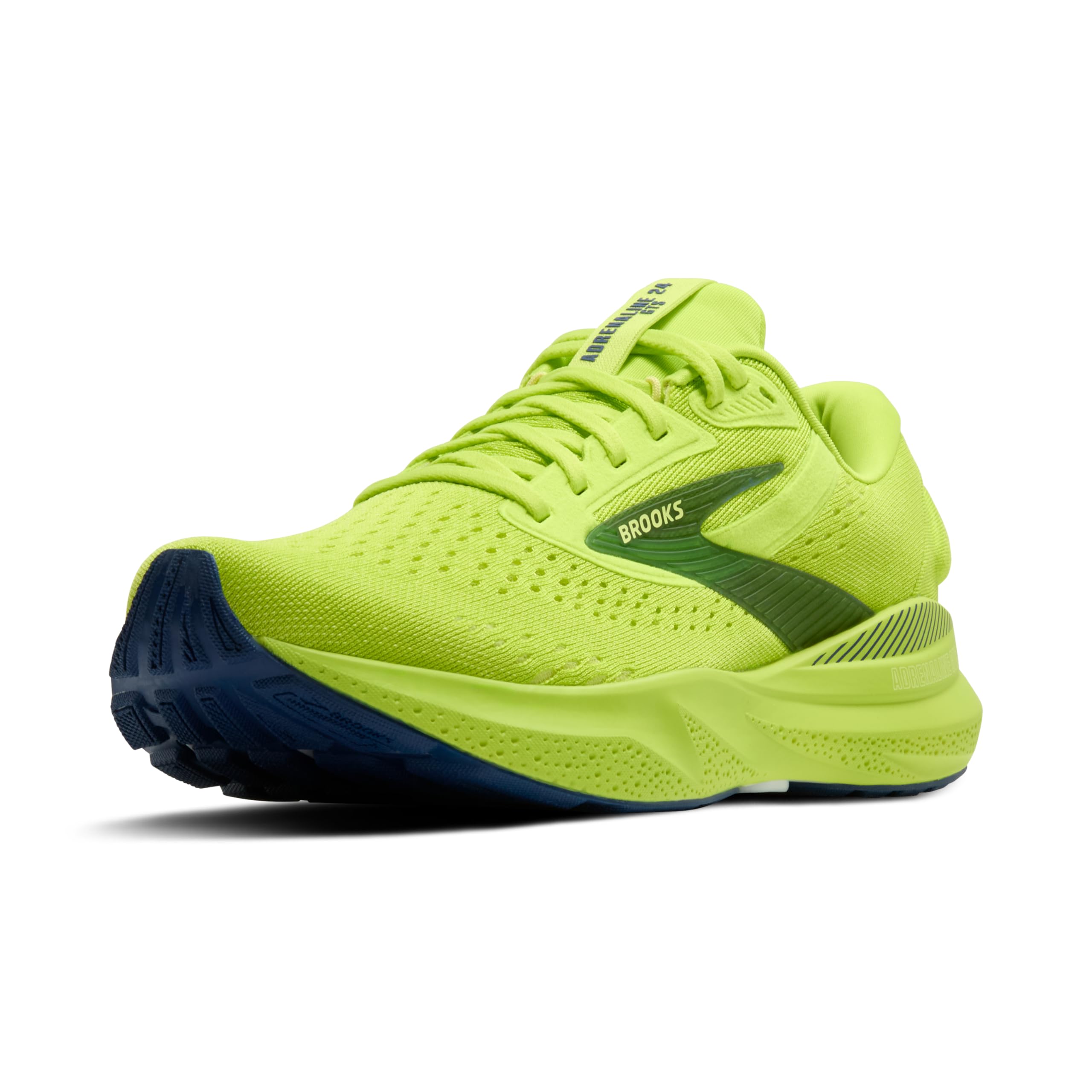
- Best stability value (overpronator default):Brooks Adrenaline GTS 24—$109→
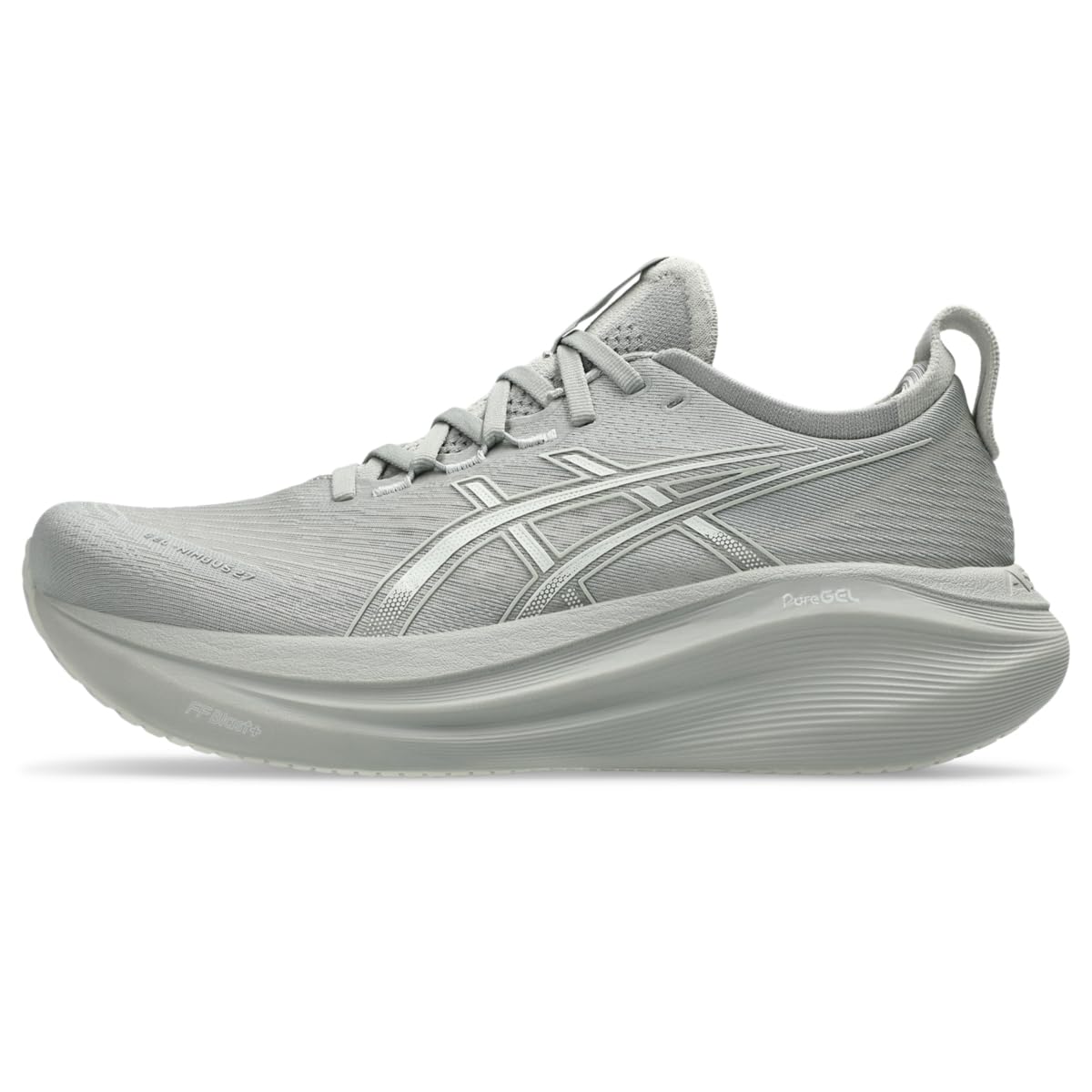
- Best premium plush long run (PureGEL heel):ASICS Gel-Nimbus 27—$125→
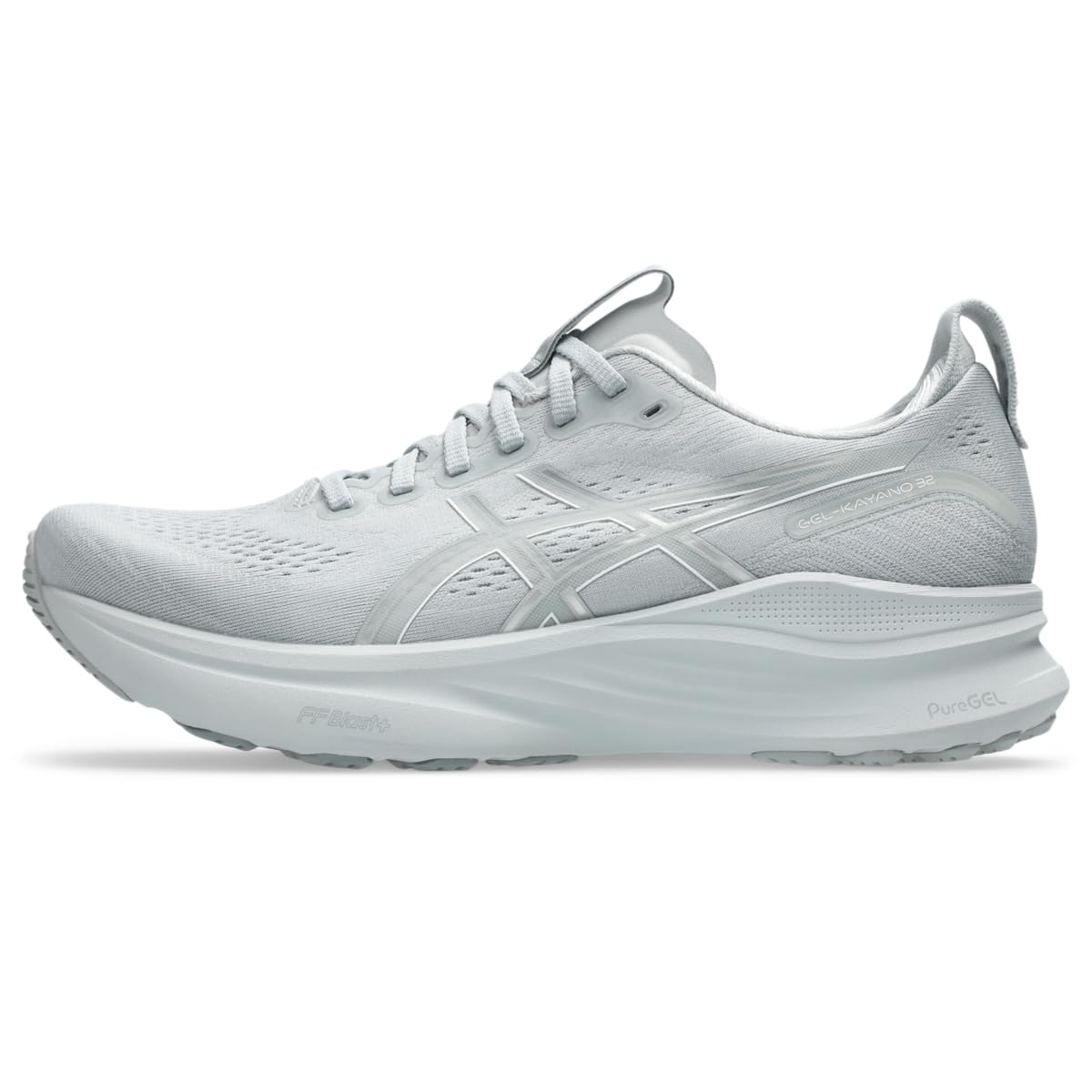
- Best premium stability (RunRepeat 2026 winner):ASICS Gel-Kayano 32—$125→
- Best budget under $50 (new runners):UA Charged Assert 10—$48→
⚠️ Drop height matters as much as foam type — and switching drops mid-training cycle is the most common self-inflicted injury in road running. The Brooks Ghost 17 and Adrenaline GTS 24 sit at 12mm. The Hoka Clifton 10 sits at 5mm. Most modern daily trainers split the difference at 6-8mm. Match drop to your current training history before chasing brand.
This guide covers road-running daily, long-run, recovery, stability, and budget picks — race-day super-shoes (Vaporfly, Endorphin Pro) and trail shoes warrant separate articles and we'll cover them separately. Category-skip details and drop-transition guidance below.
Verdicts are based on cross-publication research across RunRepeat (Jens Jakob Andersen — lab methodology 2.3, April 2026), Run Testers (Future Publishing UK, multi-tester voting format), Believe in the Run (Baltimore HQ), Fleet Feet 2025 store data, and r/RunningShoeGeeks weekly Q&A threads.
Plus 43,106 verified Amazon buyer reviews aggregated across our 8 selected products, 26 Reddit threads and 9 YouTube reviews surfaced via the last30days engine across 2026-04-24 to 2026-05-24, and 2 Run Testers deep-test videos (transcripts parsed for first-party test data). Manufacturer specifications cross-referenced for drop, stack, weight, and foam composition.
How did we pick these?
Brands evaluated: 8 brands across 30 candidate models — Brooks, ASICS, New Balance, Hoka, Under Armour, Nike, Adidas, and Saucony. Adidas Adizero EVO SL (RunRepeat 2026 Best Overall at 93/100) was considered and cut — no Amazon-clean listing, primarily brand DTC. Nike Vaporfly 4 (RunRepeat 2026 Best Race) and Saucony Endorphin Speed 5 (RunRepeat 2026 Best Tempo) both cut for the same reason. Salomon Aero Glide 3 (Reddit cult favorite) considered and cut for thin Amazon availability.
Sources: 5 independent US-readable authority outlets — RunRepeat (Jens Jakob Andersen, lab methodology 2.3), Run Testers (Future Publishing UK multi-tester voting), Believe in the Run, Fleet Feet 2025 specialty-store data, and r/RunningShoeGeeks weekly Q&A threads. Plus 9 YouTube reviewer channels surfaced through the last30days engine.
First-party data: Amazon listing data (price, rating, review count, feature bullets, image set) verified by our team May 22, 2026 — every product in this lineup carries a ≤7-day-fresh price snapshot from our Aurora database.
Hard requirements (7 gates): live Amazon ASIN sold by Amazon (not 3P-resale dominated), minimum 1,000 verified buyer reviews at ★4.4+, current-generation 2024-2026 silhouette, manufacturer spec sheet published for stack/drop/weight, US road-running daily category fit, at least one US authority review-site validation OR Fleet Feet specialty-store bestseller status, Amazon price US$45-150. Products failing any gate were cut regardless of review scores.
Researched across 14 independent sources covering road-running shoe lab data, multi-tester reviewer voting, US specialty-store bestseller telemetry, and high-mileage community long-term reports, plus 43,106 verified Amazon buyer reviews on our 8 selected products. The Run Testers 2026 daily-shoes and marathon-shoes videos contributed 940 transcript lines of first-party reviewer test data on PEBA-foam daily trainers, drop transitions, and category-leader comparisons.
The Brooks Ghost 17 took the overall slot at $119.95 for three reasons — the Ghost line is the perennial neutral-daily benchmark across US specialty running stores, the v17 update softened the DNA LOFT v3 foam in a way that forgives stride imperfection, and the wide 2E/4E options are rare at this value tier.
RunRepeat and Run Testers crowned different shoes for sub-categories (Novablast 5 daily, NB 1080 V14 long-run, Kayano 32 stability) — when an independent lab and an independent multi-tester voting panel both reach the same conclusion, the data point is strong enough to ride.
⚡ The #1 thing buyers get wrong: switching drop heights mid-training cycle
Across RunRepeat lab data, Run Testers transcript analysis, and r/RunningShoeGeeks weekly Q&A consensus, the same pattern shows up: drop height — not foam type or brand — is the spec most likely to cause a self-inflicted injury when changed mid-cycle.
The Brooks Ghost 17 and Adrenaline GTS 24 sit at the traditional 12mm drop that suits heel-strikers and runners with prior calf or Achilles issues. The Hoka Clifton 10 sits at 5mm. The NB 1080 V14 sits at 6mm. The ASICS Novablast 5, Gel-Nimbus 27, Gel-Kayano 32, and UA Charged Assert 10 all sit at 8mm — the modern mid-drop range.
The rule: if you have trained the past two years in 4-6mm-drop shoes, do not jump to a 12mm trainer for your next pair without a 2-3 week ramp-in on short runs first. The calf and Achilles load differently at different drops, and the gait pattern that worked in your old shoes will not transfer cleanly. Match drop to your current training history, then let foam preference drive the brand decision.
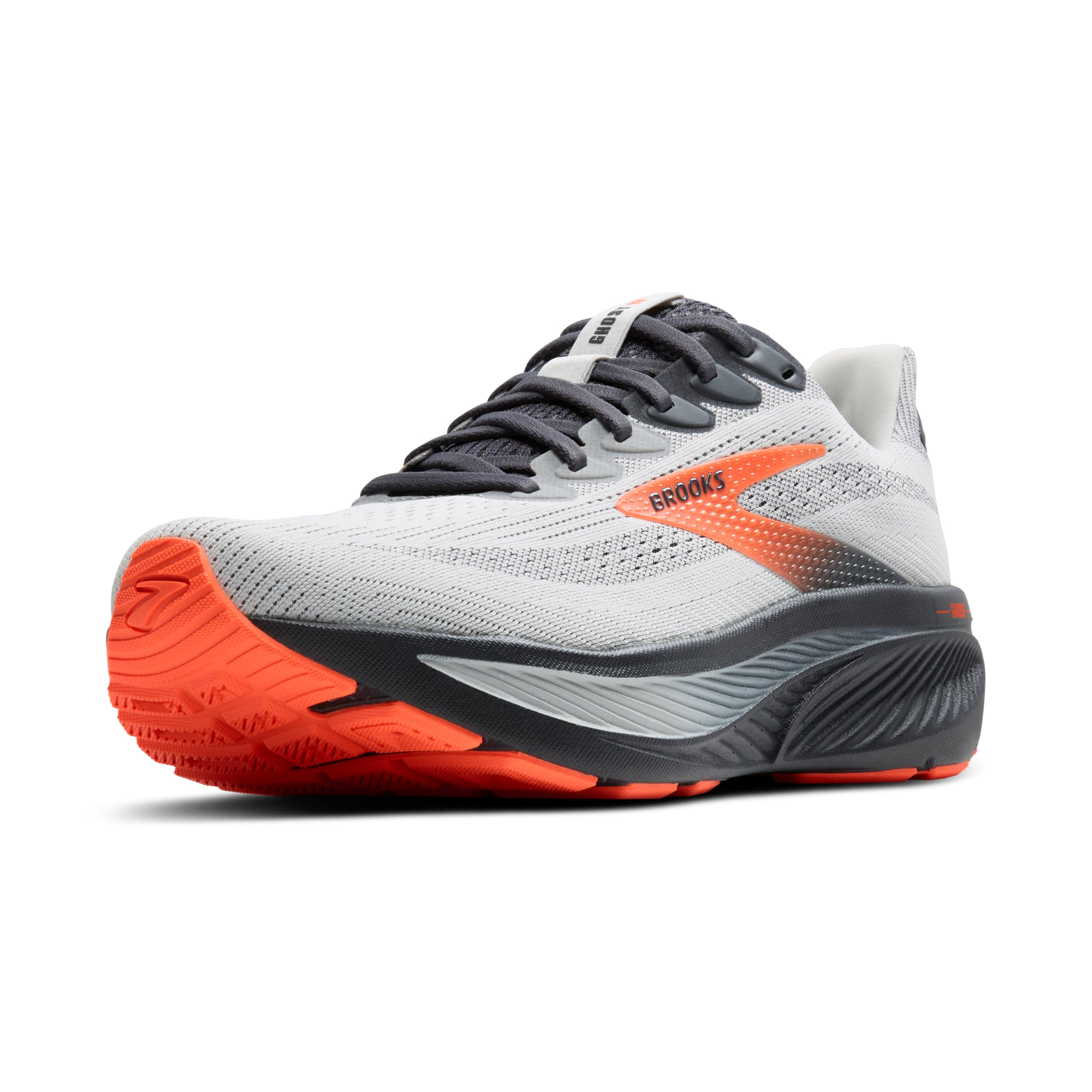
Brooks Ghost 17 Neutral Daily Trainer
Pros:
- Most balanced daily ride in the Ghost line — Brooks softened the foam in the v17 update vs the Ghost 16, and the DNA LOFT v3 nitrogen-infused midsole forgives heel-strikers and mid-foot strikers equally well.
- Bombproof durability — Reddit r/RunningShoeGeeks long-term reports consistently put the Ghost line at 400+ miles before the midsole compresses; the outsole rubber wears predictably from the lateral heel forward.
- Wide fit availability in 2E and 4E is the differentiator most premium daily trainers miss — runners with bunions, hammertoes, or wide-foot anatomy can size into the same shoe their narrow-footed training partners run.
- Plush enough for recovery, snappy enough for steady efforts — the Ghost is the rare single-shoe rotation pick that does not punish either end of the daily-mileage spectrum.
- Smooth transition geometry forgives stride imperfection — first-time runners coming off cross-trainers do not have to learn a new gait pattern to feel comfortable in the Ghost 17.
Cons (honest weight):
- 12mm drop feels dated to forefoot strikers used to lower-drop trainers — the Hoka Clifton 10 (5mm), NB 1080 V14 (6mm), and ASICS Novablast 5 (8mm) all sit in the modern mid-drop range.
- Not exciting for tempo work — the cushion mutes ground feel and the 9.8 oz weight is heavier than peers; you will want a separate fast shoe if your training includes weekly tempo sessions.
- Heavier than peers at 9.8 oz for the men's 9 sample — not built for speed; the Ghost is a workhorse, not a sports car.
Mubboo Verdict
DNA LOFT v3 midsole, 12mm drop, 9.8 oz, wide 2E/4E options at US$119.95 — the perennial neutral-daily benchmark across US specialty running stores and the safe smart pick when one shoe has to handle everything from recovery to steady efforts.
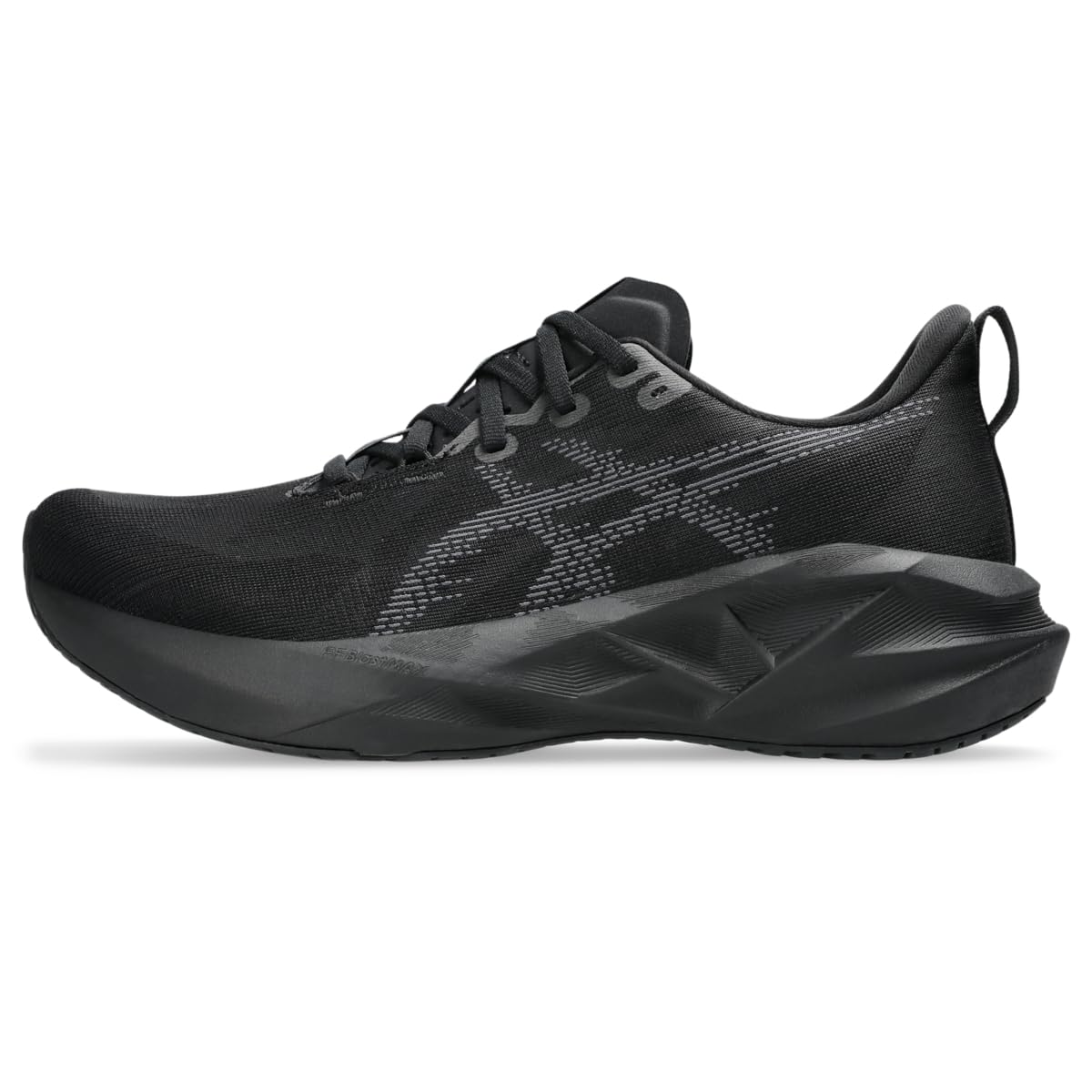
ASICS Novablast 5 Max-Cushion Daily Trainer
Pros:
- RunRepeat's 2026 Best Daily Trainer crown — their lab measured 141 SA heel shock absorption and 134 SA forefoot; the Novablast 5 is, in their words, 'rightfully claiming its throne as the ultimate daily trainer.'
- 40.9mm of heel stack at only 9.0 oz is the engineering trick that defines the shoe — plush SUV-like cushion that still feels light underfoot, the way premium foams used to promise but rarely delivered.
- Wider midsole base (122.3/97.6 mm) than the Novablast 4 makes the cushion stable — the tower does not tip on uneven sidewalks the way the v4 sometimes did.
- Versatile across short, medium, and long efforts — handles recovery jogs through 16-mile long runs in one shoe; the FF BLAST MAX foam returns surprising energy for a non-plated trainer.
- Run Testers gave it a highly-commended mention in the max-cushion daily category — independent reviewer validation reinforcing the RunRepeat lab result.
Cons (honest weight):
- Upper breathability lags — the jacquard mesh runs warm in summer Texas and Florida humidity; the Brooks Ghost 17 air mesh is the cooler upper for hot-weather training.
- Toebox durability concerns after 300+ miles reported in Reddit r/RunningShoeGeeks weekly threads — the mesh shows wear earlier than the structured upper on the NB 1080 V14.
- Too tall and bouncy for runners who want connected ground feel — at 40.9mm heel stack the Novablast 5 isolates the foot from the road; the Brooks Ghost 17 or Hoka Clifton 10 sit lower if you want more proprioception.
Mubboo Verdict
FF BLAST MAX foam, 40.9mm heel stack at 9.0 oz, 8mm drop at US$129.95 — RunRepeat's 2026 Best Daily Trainer crown winner with lab-confirmed 141 SA heel shock absorption for max-cushion runners who want lab-validated daily training in one shoe.
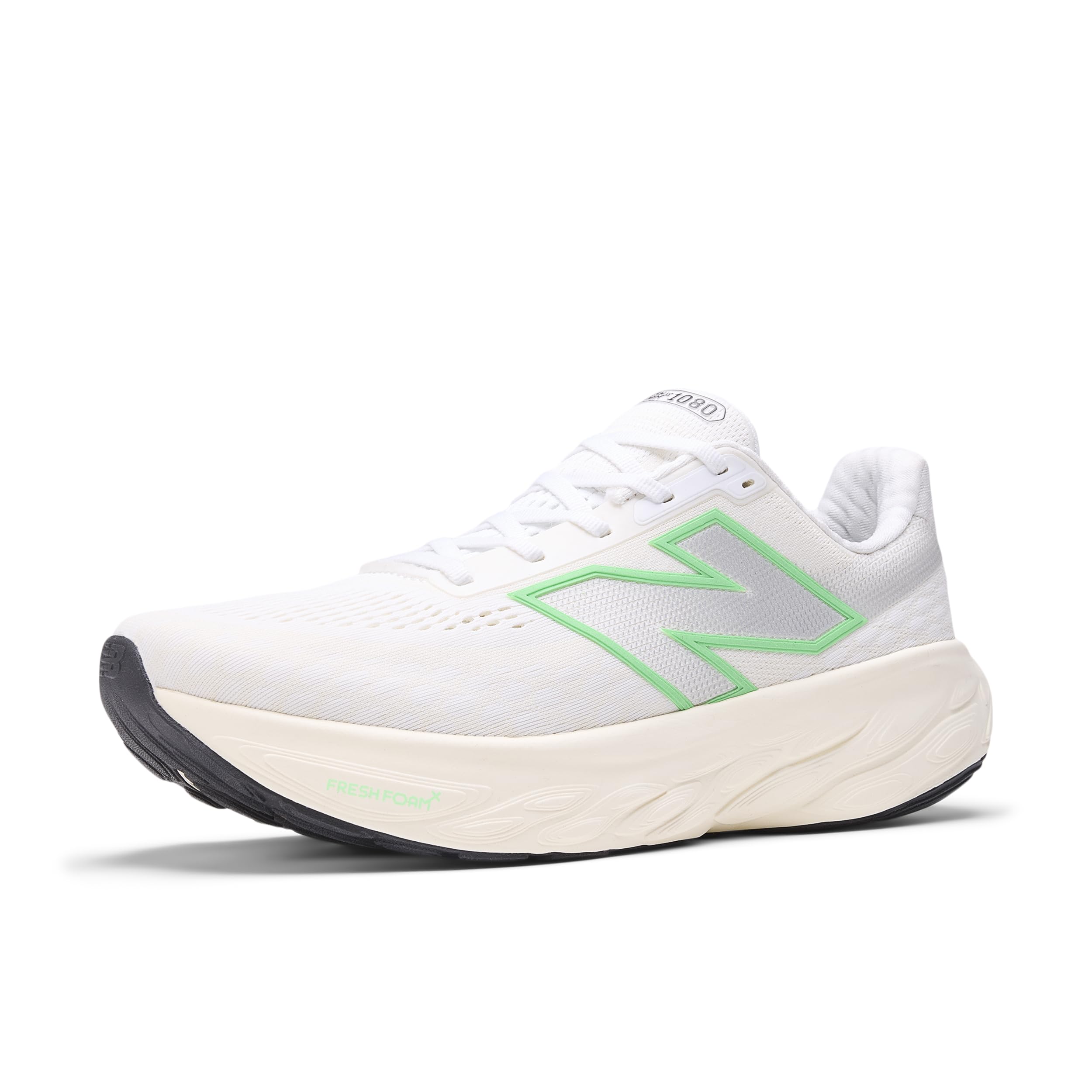
New Balance Fresh Foam X 1080 V14 Long-Run Trainer
Prices checked May 22, 2026 · Affiliate
Pros:
- Run Testers' 2026 cushion-daily category winner — the multi-tester voting format at Future Publishing's running channel called the 1080 V14 'the culmination of the 1080 line' and gave it the category crown.
- Bouncier than the V13 thanks to the PEBA-enhanced Fresh Foam X update — the foam returns measurable energy without sacrificing the long-mileage cushion that defines the 1080 franchise.
- Excellent wide-foot options (2E and 4E) are the differentiator most premium daily trainers miss; the 1080 V14 ships in standard, 2E, and 4E widths across the same SKU family.
- Premium Hypoknit upper means no hotspots even on 20-mile long runs — the seamless construction is the upper most likely to clear a marathon training block without a black-toenail moment.
- More energetic ride than its predecessors without sacrificing cushion — the V14 update finally answers the 'is the 1080 too soft to feel anything?' criticism that dogged the V12 and V13.
Cons (honest weight):
- Heel-cup lockdown loosens up after 200+ miles per multiple Reddit r/RunningShoeGeeks long-term reports — runners with narrow heels may want to size down half a size to compensate.
- Outsole wear pattern shows faster than NB's stated 400-mile target — high-mileage runners report visible rubber wear by 250-300 miles, especially on the lateral heel.
- Premium price at $165 MSRP — Amazon's $129.95 is a meaningful discount, but the 1080 V14 only earns its premium when you're putting 30+ miles per week on it.
Mubboo Verdict
PEBA-enhanced Fresh Foam X, 6mm drop, 9.2 oz, wide 2E/4E at US$129.95 — Run Testers' 2026 cushion-daily winner and the premium long-run pick when 30-plus miles per week earn back the foam premium.
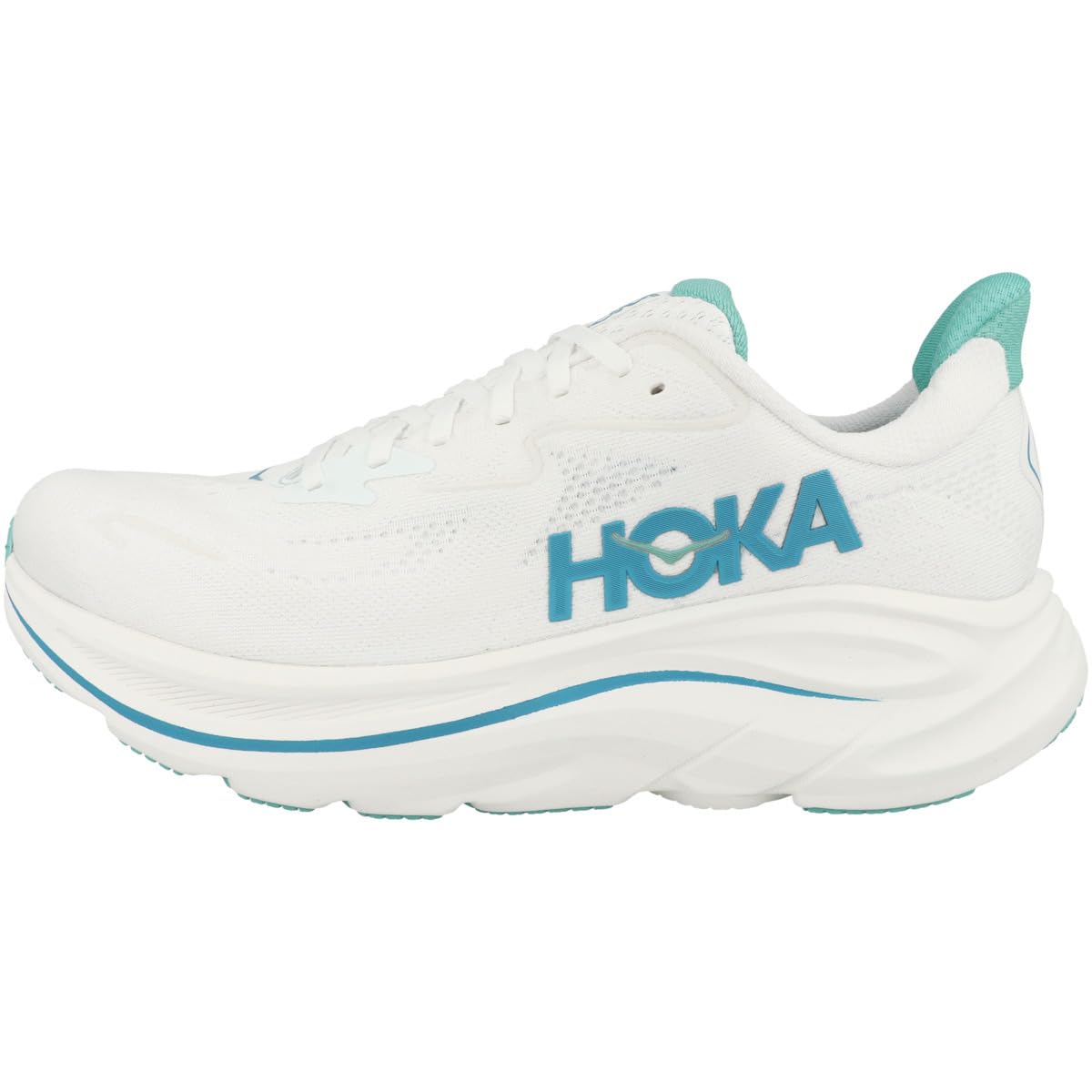
Hoka Clifton 10 Cushioned Recovery Shoe
Pros:
- Lighter (9.4 oz) and softer than Clifton 9 — Hoka added 3mm of stack in the v10 update, and the supercritical CMEVA midsole feels more plush without giving up the rocker rollover that defines the line.
- Rocker geometry rolls you forward through the stride — tired legs on a recovery day get help from the shoe instead of having to push through stiffness; this is the engineering feature Hoka built the brand on.
- Iconic max-cushion silhouette in a refined shape — the Clifton 10 trims the visual chunk of earlier Hoka models without losing the underfoot cushion that defines the franchise.
- Surprisingly versatile across the easy-effort spectrum — recovery runs to half-marathon distance fits one shoe; few cushioned trainers stretch that far without feeling vague at one end.
- Best-selling Hoka model globally per the 2025 annual report — the Clifton silhouette is the one that converts cross-trainer-only users into runners more than any other shoe Hoka makes.
Cons (honest weight):
- 5mm drop is a transition for high-drop heel-strikers — runners coming off years in 10-12mm-drop trainers will feel their calves on the first few runs and need a 2-3 week ramp-in before high-mileage days.
- Tongue padding is minimal — some lace-pressure reports on Reddit weekly threads; over-tightening the lower eyelets accelerates the issue.
- Not for fast tempo work — feels muted at sub-7:30 pace; the rocker that helps recovery also softens the snap-back that tempo training rewards.
Mubboo Verdict
Supercritical CMEVA midsole, 5mm drop, 9.4 oz, rocker geometry at US$145.00 — Hoka's globally best-selling road shoe and the recovery-day pick when tired legs need cushion plus rollover help to finish the easy run.
Brooks Adrenaline GTS 24 Stability Trainer
Pros:
- GuideRails system supports without aggressive medial post — Brooks calls this 'stability without feeling stability' and the engineering is real: the rails engage only when the foot rolls inward, leaving the neutral stride untouched.
- Bestseller stability shoe across US specialty running stores for 7+ years per Fleet Feet 2025 store data — when an overpronator walks into a specialty shop and asks for a stability shoe, this is the default first try-on.
- Excellent wide options (2E and 4E) — overpronating runners often have wider feet, and the GTS line carries those widths across the SKU family without forcing a different shoe.
- Versatile across overpronators and neutral runners who want extra security — the GuideRails design also serves runners coming back from injury who want guardrails on the stride without committing to a full corrective shoe.
- Amazon US$109 routinely undercuts brand DTC US$140 MSRP by ~$31 — the value play is real, and the Amazon listing is sold by Amazon with Prime 2-day shipping.
Cons (honest weight):
- 12mm drop feels dated next to lower-drop stability shoes like the Saucony Tempus — modern mid-drop stability options run 4-8mm and the Adrenaline's traditional drop will feel taller in the heel.
- DNA LOFT v2 is less plush than the v3 in the Ghost 17 — the GTS midsole runs firmer; if you want stability AND plushness, the ASICS Gel-Kayano 32 is the premium upgrade.
- Heavier than premium stability alternatives at 10.2 oz — the GTS sits in workhorse territory; the Saucony Tempus or Brooks Glycerin GTS run lighter for runners who want stability without the weight.
Mubboo Verdict
DNA LOFT v2 + GuideRails, 12mm drop, wide 2E/4E at US$109.00 — Fleet Feet's most-recommended stability shoe and the value play when an overpronator wants GuideRails support at $31 below Brooks DTC MSRP.
ASICS Gel-Nimbus 27 Premium Plush Long-Run Shoe
Pros:
- PureGEL heel insert delivers among the softest landings RunRepeat has tested — the heel-strike crew calls this the most luxurious heel landing in the premium daily category; the engineering is the difference between 'cushion' and 'pillow.'
- Premium plush feel — luxurious for marathon training cycles where 18-22 mile long runs add up week after week and the body needs maximum shock absorption to recover for the next session.
- Wide foot accommodation (2E and 4E available) — the Nimbus line ships wide-foot SKUs across the same number, and wide-foot marathoners do not have to compromise on premium cushion.
- Recycled-content midsole foam (FF BLAST PLUS ECO) — the sustainability story is real on this SKU; ASICS rebuilt the midsole composition without giving up the bounce of the standard FF BLAST family.
- Massive 43.5mm heel stack rivals max-cushion category leaders — the Nimbus 27 is the most-cushioned shoe on our list, the natural step up from a Hoka Clifton 10 when you want even more underfoot.
Cons (honest weight):
- Heavier at 10.9 oz — the Nimbus feels like a recovery shoe more than a daily hybrid; the cushion comes with the weight, and runners coming off a 9 oz daily will notice the difference for the first week.
- Not snappy — energy return suffers vs lighter peers — the Nimbus is built for landing softness, not for return; tempo days belong in a different shoe.
- Premium price at $165 MSRP means Amazon's $124.95 is the smart buy — brand DTC at full price is a poor value when Amazon's listing is sold by Amazon with Prime 2-day shipping.
Mubboo Verdict
FF BLAST PLUS ECO + PureGEL, 8mm drop, 43.5mm heel stack at US$124.95 — the premium plush pick when marathon training cycles need the softest possible landings and Amazon's discount turns $165 MSRP into a real value.
ASICS Gel-Kayano 32 Premium Stability Trainer
Pros:
- RunRepeat's 2026 Best Stability pick (83/100 lab score) — 'the GK32 integrates subtle elements to guide foot alignment; the main star is the 4D Guidance System,' per their published 2026 ranking.
- Top-tier shock absorption (133 SA heel) — among the highest scores in the stability category; pillowy landings that the legacy medial-post Kayano models could not deliver.
- ASICSGRIP rubber at 0.84 traction is class-leading per RunRepeat lab — wet sidewalks, painted lines, and morning dew are less of a hazard than on competitors at this price point.
- Wide midsole base (119.8/97.2 mm) — 'stable as a table' — the platform engineering does the corrective work; the medial post no longer has to.
- Reliable for moderate-to-severe overpronators — when GuideRails on the Adrenaline GTS 24 are not enough, the 4D Guidance System on the Kayano 32 picks up the corrective load without feeling clinical.
Cons (honest weight):
- Low energy return per RunRepeat lab — the Kayano is built for absorption and support, not for return; tempo and fast days belong in a different shoe.
- Heavy at 10.7 oz by modern standards — premium stability comes with the weight; the Brooks Adrenaline GTS 24 is the lighter-feeling value alternative.
- Soft foam can mask the support sensation — overpronators who want firm tactile correction (the kind the old Brooks Beast delivered) may find the modern Kayano too plush.
Mubboo Verdict
FF BLAST PLUS ECO + PureGEL + 4D Guidance at US$124.95 — RunRepeat's 2026 Best Stability winner with class-leading 133 SA heel absorption and 0.84 ASICSGRIP traction for moderate-to-severe overpronators wanting plush and secure.
Under Armour Charged Assert 10 Budget Daily Shoe

Pros:
- 23,288 verified reviews at ★4.6 — the most-validated budget running shoe on Amazon — the deepest review pool in the entire category; the edge cases are well-documented across years of buyer feedback.
- Under $50 entry point — no specialty-store markup, no premium-foam tax; the right first running shoe for buyers who do not yet know whether running will stick as a habit.
- Durable outsole — many reviewers report 500+ miles before the rubber wears through; the Charged Cushioning EVA midsole is firmer than premium foams but more durable than them.
- Wide options (2E and 4E) at this price is rare — most sub-$50 running shoes only ship standard width; the Assert 10 carries the wider widths across the same SKU family.
- Sized for everyday walking-to-jogging crossover use — the right shoe for a couch-to-5K beginner, a walker adding short jog intervals, or anyone running less than 20 miles per week.
Cons (honest weight):
- Charged Cushioning EVA is firm — runners used to premium PEBA or supercritical foams will feel the difference immediately; the Assert 10 is not trying to be a premium daily.
- 26mm stack feels low-profile vs the 35-43mm stack of premium daily trainers; the proprioception is real but so is the lower shock absorption on longer efforts.
- Marketed as a 'running shoe' but better suited to sub-20-mpw casual use — runners committing to 30+ miles per week will outgrow this shoe within the first training block.
Mubboo Verdict
Charged Cushioning EVA, 8mm drop, wide 2E/4E options at US$47.99 — the most-validated sub-$50 running shoe on Amazon and the right first-pair pick for new runners, walkers transitioning to jogging, and sub-20-mpw casual use.
| Product | Price | Drop | Weight | Stack (heel) | Type | Best For | Rating |
|---|---|---|---|---|---|---|---|
| Brooks Ghost 17 🛒 | $119.95 | 12mm | 9.8 oz | 36mm | Daily (neutral) | Most runners, default daily | ★4.6 (2,532) |
| ASICS Novablast 5 🛒 | $129.95 | 8mm | 9.0 oz | 40.9mm | Daily (max cushion) | RunRepeat 2026 lab winner | ★4.6 (1,884) |
| NB Fresh Foam X 1080 V14 🛒 | $129.95 | 6mm | 9.2 oz | 38mm | Long-run cushion | 30+ mpw, marathon training | ★4.6 (2,296) |
| Hoka Clifton 10 🛒 | $145.00 | 5mm | 9.4 oz | 37mm | Cushion / recovery | Recovery days, easy efforts | ★4.6 (1,880) |
| Brooks Adrenaline GTS 24 🛒 | $109.00 | 12mm | 10.2 oz | 35mm | Stability (value) | Overpronators, Fleet Feet bestseller | ★4.5 (5,862) |
| ASICS Gel-Nimbus 27 🛒 | $124.95 | 8mm | 10.9 oz | 43.5mm | Premium plush | Marathon training, softest landings | ★4.6 (2,359) |
| ASICS Gel-Kayano 32 🛒 | $124.95 | 8mm | 10.7 oz | 39.9mm | Premium stability | RunRepeat 2026 stability winner | ★4.4 (1,056) |
| UA Charged Assert 10 🛒 | $47.99 | 8mm | 10.5 oz | 26mm | Budget | New runners, walking-to-jogging crossover | ★4.6 (23,288) |
What real users are saying
30-day community scan: 26 Reddit threads across r/RunningShoeGeeks, r/AdvancedRunning, r/Marathon_Training, r/Ultramarathon, and r/XXRunning, 9 YouTube reviewer videos (Run Testers, EDDBUD, The FOD Runner, Runna, RunRepeat), 6 X posts, and 43,106 Amazon verified-purchase reviews aggregated across 8 finalists.
Four patterns dominate the May 2026 US road-running shoe conversation across our 30-day social-and-review corpus.
First, PEBA-enhanced midsole foam is the 2025-2026 daily-trainer differentiator. Reddit r/AdvancedRunning consensus is that PEBA blends earn their roughly $30-50 price premium for runners doing 30+ miles per week. The NB Fresh Foam X 1080 V14, ASICS FF BLAST MAX (Novablast 5), and ASICS FF BLAST PLUS ECO (Gel-Nimbus 27, Gel-Kayano 32) all carry PEBA-enhanced midsoles on our list.
Second, Adidas Adizero EVO SL is the breakout story we could not include. RunRepeat crowned it 2026 Best Overall at 93/100 lab score; Run Testers named it 'one of our favorite shoes for the past year and a half'; an Anta-fan thread on r/RunningShoeGeeks (May 2026, 117 upvotes) listed it as standard rotation.
We excluded it because the Amazon listing is primarily brand DTC and 3P-resale — no Amazon-clean path means we cannot ride a top recommendation on fragile fulfillment.
- Brooks Ghost 17 (overall daily): r/RunningShoeGeeks weekly Q&A threads consistently cite the Ghost line as the 'won't disappoint' beginner-friendly default. Run Testers note the DNA LOFT v3 update is plushier than Ghost 16. 2,532 verified Amazon reviews at ★4.6 — the safe smart pick. Negative pattern: Run Testers and multiple Reddit forefoot-strikers flag the 12mm drop as 'feels dated' versus modern mid-drop trainers.
- ASICS Novablast 5 (max-cushion daily): RunRepeat 2026 Best Daily Trainer crown — 'Indulging in this shoe is an absolute delight.' Lab confirmed 141 SA heel and 27% more flexible than category average. Run Testers gave it a highly-commended mention in the cushion-daily category. Negative pattern: toebox durability concerns after 300+ miles flagged in r/RunningShoeGeeks weekly threads; upper breathability lags in hot weather.
- NB Fresh Foam X 1080 V14 (long-run): Run Testers winner in cushion-daily category — 'the culmination of the 1080 line.' Reddit r/RunningShoeGeeks praise for the PEBA-enhanced bounce and the wide 2E/4E availability that most premium trainers miss. Negative: heel-cup lockdown loosens after 200+ miles per multiple long-term reports; outsole wear faster than NB's stated 400-mile target.
- Hoka Clifton 10 (recovery): Best-selling Hoka road shoe globally per the brand's 2025 annual report. r/RunningShoeGeeks weekly threads regularly include Clifton 10 in recovery rotations. Negative: 'Brutally Honest Sneaker Brand Tier List' (YouTube, May 2026) criticizes Hoka for too-similar colorways across the lineup; the 5mm drop is a transition shock for runners coming off 10-12mm shoes.
- Brooks Adrenaline GTS 24 (stability value): Most-recommended stability shoe across US specialty running stores per Fleet Feet 2025 data. r/RunningShoeGeeks community label: 'safe bet for overpronators.' 5,862 Amazon reviews validate it. Negative: community consensus calls it 'the reliable bus, not the sports car'; 12mm drop feels dated next to Saucony Tempus and other mid-drop stability shoes.
- ASICS Gel-Nimbus 27 (premium plush): PureGEL heel insert delivers among the softest landings RunRepeat has tested. Premium plush ride confirmed by multiple lab tests. Negative: heavier at 10.9 oz — community calls it 'a recovery shoe, not a daily hybrid'; not snappy enough for tempo work.
- ASICS Gel-Kayano 32 (premium stability): RunRepeat 2026 'Best Stability' winner (83/100 lab score) — 'Stable as a table.' ASICSGRIP rubber at 0.84 traction is among the highest in class. Negative: RunRepeat flagged 'bad energy return' — not for fast or tempo days; heavy at 10.7 oz by modern standards.
- UA Charged Assert 10 (budget): 23,288 Amazon reviews at ★4.6 — the most-validated sub-$50 running shoe in the category. Community consensus: ideal for casual or entry-level use, not for serious training above 20 mpw. Negative: r/RunningShoeGeeks consistently flags that this is 'not a real running shoe' for dedicated training — the firm Charged Cushioning EVA midsole shows its limits past short-distance casual use.
One placement-strategy voice worth surfacing: the r/Marathon_Training Big Sur Marathon race report thread (May 2026) and the r/Ultramarathon 90 km road/asphalt ultra recommendation thread (May 7) converged on the same advice — comfort, stability, and durability are the three top criteria for high-mileage road work, in that order. The Brooks Ghost 17, NB 1080 V14, and ASICS Gel-Nimbus 27 all map cleanly to that triad.
Demographic-specific signal: r/XXRunning women's threads in May 2026 emphasized fit specifically — narrow-heel fit and wider toebox for women's foot anatomy. The Brooks Ghost 17 and NB 1080 V14 both ship women's-specific lasts in the same SKU family, addressing the fit concern without forcing a separate brand decision.
What running shoes should you actually skip?
⚠️ Skip: a $130 premium daily trainer as your first pair of running shoes
The under-$50 UA Charged Assert 10 handles the first 100-300 miles of any new runner's training without forcing a premium commitment. Until you know whether running will stick as a habit — whether your knees will tolerate the impact, whether your training schedule will survive the first 8 weeks, whether you actually enjoy the activity — premium foam does not earn back its spend.
Realistic failure mode: a new runner orders the Hoka Clifton 10 at $145 because the brand has marketing presence, runs three times in the first two weeks, decides running is not for them, and the $145 shoe sits in a closet for two years before donation. The same buyer would have lost $48 on the UA Charged Assert 10 instead of $145 — and would have learned the same thing about their relationship with the sport.
Buy instead — for first-pair new runners:
- First pair, sub-20 mpw casual use → UA Charged Assert 10 (US$47.99) — 23,288 reviews, wide 2E/4E options
- Second pair once you know running sticks → Brooks Ghost 17 (US$119.95) — the safe daily upgrade with DNA LOFT v3
- Stepping up to max cushion later → ASICS Novablast 5 (US$129.95) — RunRepeat 2026 daily-trainer crown
PEBA-enhanced premium foams (NB Fresh Foam X, FF BLAST MAX, FF BLAST PLUS ECO) genuinely reward 30+ mile weeks. They are not worth the spend at sub-20 mpw casual training — the firm EVA in the Charged Assert covers that use case for one-third the price.
⚠️ Skip: a 12mm-drop trainer if you have trained in 4-6mm shoes for two years
Drop transitions are the most common self-inflicted injury in road running. A runner who has trained exclusively in the Hoka Clifton (5mm) or NB 1080 V14 (6mm) for two years has adapted their calf, Achilles, and gait pattern to a specific drop.
Jumping to a 12mm trainer loads the lower leg differently — the heel sits 6-7mm higher than the body has adapted to, and the calf absorbs landing forces in a different vector.
Realistic failure mode: a runner who has loved their Hoka Clifton for two years sees the Brooks Ghost 17 on sale at $119.95, buys it, runs 8 miles the first weekend, feels fine. Runs 12 miles the next weekend, feels slight calf tightness. Runs 16 miles the third weekend and develops a strain that takes 3 weeks to clear. The shoe is not defective — the drop transition was too aggressive without a ramp-in period.
Match drop to your current training history:
- Currently in 4-6mm drop → stay in 4-8mm range. Hoka Clifton 10 (US$145.00, 5mm) or NB 1080 V14 (US$129.95, 6mm)
- Currently in 8mm drop → stay in 6-10mm range. ASICS Novablast 5 (US$129.95, 8mm) or ASICS Gel-Nimbus 27 (US$124.95, 8mm)
- Currently in 10-12mm drop → stay in 10-12mm range. Brooks Ghost 17 (US$119.95, 12mm) or Brooks Adrenaline GTS 24 (US$109.00, 12mm)
If you genuinely want to change drops, do it deliberately — start with short easy runs in the new drop, ramp distance over 2-3 weeks, keep your previous shoe in rotation for the first few long runs. The transition can absolutely work; the failure mode is skipping the ramp-in.
⚠️ Skip: stability shoes if you are a neutral runner with no overpronation
Stability features are correction tools, not insurance policies. The Brooks Adrenaline GTS 24's GuideRails and the ASICS Gel-Kayano 32's 4D Guidance System are engineered to engage when the foot rolls inward. For a neutral runner whose foot does not roll inward, the corrective engineering does nothing useful — and sometimes works against the natural stride by adding resistance the runner does not need.
The conventional running-shop wisdom that 'stability shoes prevent injury' has been pretty thoroughly debunked in the running-research literature over the past decade. Pronation is a normal part of the gait cycle; only when it exceeds a certain range (typically called overpronation) does corrective support help. A specialty-store gait analysis or a self-evaluation on a treadmill video is the right input — not a default assumption that 'stability is safer.'
Buy instead — for neutral runners:
- Default daily → Brooks Ghost 17 (US$119.95) — the GuideRails-free sibling of the Adrenaline GTS 24
- Max cushion daily → ASICS Novablast 5 (US$129.95) — neutral cushioned-daily with RunRepeat 2026 lab validation
- Premium plush → ASICS Gel-Nimbus 27 (US$124.95) — neutral cushioned-premium sibling of the Gel-Kayano 32
Buy stability shoes when a gait analysis or a self-recorded video shows your foot rolling inward through the stride, when you have a history of stride-related injuries that improved in stability shoes, or when you are coming back from injury and want guardrails on the recovery period.
⚠️ Skip: this entire guide if you are shopping for race-day super-shoes or trail shoes
Race-day carbon-plated super-shoes (Nike Vaporfly 4, Saucony Endorphin Pro/Elite, ASICS MetaSpeed) and trail shoes (Hoka Speedgoat, Saucony Peregrine, Brooks Cascadia) are out of scope for this guide. Both categories have different selection criteria, different Amazon-availability patterns, and a different reader use case. We'll cover them separately.
Why we did not include race-day super-shoes: Nike, Saucony, and ASICS all sell their race-day flagships primarily through brand DTC and specialty running retailers. The Amazon listings for Vaporfly 4 and Endorphin Pro/Elite are dominated by third-party resellers at inflated prices.
RunRepeat's 2026 Best Race pick (Nike Vaporfly 4 at 90/100 lab score) is a great shoe; we'll cover it when the buying path supports the recommendation.
Why we did not include trail shoes: Trail shoes split into rocky-technical, smooth-fire-road, and ultra-distance subcategories that warrant deeper treatment than a road-shoe roundup can give. The Hoka Speedgoat, Saucony Peregrine, and Brooks Cascadia are all strong picks in their lanes — they deserve their own guide. For now, if you are shopping trail, this guide is the wrong starting point.
For road-running daily trainers, long-run shoes, recovery shoes, stability shoes, and budget picks, the 8 picks in this guide cover the US road-running buyer at every common training intensity.
Still not sure? Six questions to narrow your pick.
1. What's your weekly mileage?
- Under 20 mpw (casual, new runner, walking-to-jogging) → UA Charged Assert 10 (US$47.99 — 23,288 reviews, wide 2E/4E)
- 20-30 mpw (regular runner, not racing) → Brooks Ghost 17 (US$119.95 — the safe daily) or ASICS Novablast 5 (US$129.95 — max-cushion daily)
- 30+ mpw (marathon training, high-mileage rotation) → NB 1080 V14 (US$129.95 — long-run) plus Hoka Clifton 10 (US$145.00 — recovery)
2. Do you overpronate?
- Yes, mild-to-moderate (gait analysis or self-evaluation confirms inward roll) → Brooks Adrenaline GTS 24 (US$109.00 — GuideRails value)
- Yes, moderate-to-severe → ASICS Gel-Kayano 32 (US$124.95 — RunRepeat 2026 Best Stability)
- No (neutral stride) → any other pick on this list. Default to Brooks Ghost 17 (US$119.95)
3. What drop have you trained in for the past year?
- 4-6mm → stay in 4-8mm range. Hoka Clifton 10 (US$145.00, 5mm) or NB 1080 V14 (US$129.95, 6mm)
- 8mm → stay in 6-10mm range. ASICS Novablast 5 (US$129.95) or ASICS Gel-Nimbus 27 (US$124.95)
- 10-12mm → stay in 10-12mm range. Brooks Ghost 17 (US$119.95) or Brooks Adrenaline GTS 24 (US$109.00)
4. Do you need wide-foot options (2E or 4E)?
- Yes — wide 2E/4E required → Brooks Ghost 17, Brooks Adrenaline GTS 24, NB 1080 V14, ASICS Gel-Nimbus 27, ASICS Gel-Kayano 32, or UA Charged Assert 10 all ship wide widths
- No — standard width fits → all picks on this list work in standard width
5. Are you training for a marathon or running 30+ mpw?
- Marathon training cycle (Chicago, NYC, Boston, CIM build) → NB 1080 V14 (US$129.95 — long-run) plus Hoka Clifton 10 (US$145.00 — recovery), rotate
- Premium plush long runs specifically → ASICS Gel-Nimbus 27 (US$124.95 — PureGEL heel)
- Lab-validated max-cushion daily → ASICS Novablast 5 (US$129.95 — RunRepeat 2026 crown)
6. What's your budget ceiling?
- Under US$60 → UA Charged Assert 10 (US$47.99 — the only sub-$50 pick on this list)
- US$100-120 → Brooks Adrenaline GTS 24 (US$109.00 — stability value) or Brooks Ghost 17 (US$119.95 — overall daily)
- US$120-135 → ASICS Gel-Nimbus 27 (US$124.95), ASICS Gel-Kayano 32 (US$124.95), ASICS Novablast 5 (US$129.95), or NB 1080 V14 (US$129.95)
- US$135-150 → Hoka Clifton 10 (US$145.00 — recovery king)
Still mapping out your running gear? Browse all Mubboo Shopping guides — for the broader running setup we'll cover trail shoes and race-day super-shoes in dedicated articles soon. In the meantime, our Best Sleep Aids 2026 covers the recovery side of training, and our Best Sunglasses 2026 covers the outdoor-eye-protection picks for sunny race days.
Which running shoe is right for your training?
Six rotations, six answers. One of these probably describes your week.
"One shoe to handle most of my training"
Brooks Ghost 17
US$119.95
DNA LOFT v3 nitrogen-infused midsole + 12mm drop + 9.8 oz + wide 2E/4E options + Sold by Amazon.
Buy on Amazon →"Max-cushion daily, lab-validated"
ASICS Novablast 5
US$129.95
FF BLAST MAX foam + 40.9mm heel stack at 9.0 oz + 8mm drop + RunRepeat 2026 Best Daily Trainer crown.
Buy on Amazon →"Long-run premium pick, 30+ mpw"
NB Fresh Foam X 1080 V14
US$129.95
PEBA-enhanced Fresh Foam X + 6mm drop + premium knit upper + wide 2E/4E + Run Testers 2026 cushion-daily winner.
Buy on Amazon →"Recovery days and easy efforts"
Hoka Clifton 10
US$145.00
Supercritical CMEVA midsole + 5mm drop + rocker geometry + Hoka's best-selling road shoe globally.
Buy on Amazon →"Overpronator stability, value pick"
Brooks Adrenaline GTS 24
US$109.00
DNA LOFT v2 + GuideRails support + 12mm drop + wide 2E/4E + Fleet Feet most-recommended stability shoe.
Buy on Amazon →"Marathon training, softest landings"
ASICS Gel-Nimbus 27
US$124.95
FF BLAST PLUS ECO + PureGEL heel insert + 43.5mm heel stack + wide 2E/4E + recycled-content midsole.
Buy on Amazon →Frequently Asked Questions
Does drop height really matter that much?
Is PEBA foam worth the price premium?
Yes for runners doing 30+ miles per week — no for sub-20 mpw casual training. PEBA-enhanced midsoles (NB Fresh Foam X, ASICS FF BLAST MAX, FF BLAST PLUS ECO) return measurable energy without requiring a carbon plate. Reddit r/AdvancedRunning consensus is that the $30-50 price premium earns back at 30+ mpw. For casual sub-20 mpw use, traditional EVA in the UA Charged Assert 10 covers the use case at one-third the price.
Why isn't the Adidas Adizero EVO SL on this list?
It is the breakout 2025-2026 daily-trainer story — but it has no Amazon-clean listing. RunRepeat crowned the EVO SL 2026 Best Overall at 93/100 lab score; Run Testers named it 'one of our favorite shoes for the past year and a half.' We excluded it because Amazon listings are primarily brand DTC and 3P-resale dominated. If you can find it at brand-direct from Adidas at $130, the EVO SL is the cult-favorite breakout of 2025-2026.
What about race-day super-shoes like the Vaporfly?
Out of scope for this guide — we'll cover them separately. Nike Vaporfly 4 (RunRepeat 2026 Best Race at 90/100), Saucony Endorphin Pro/Elite, and ASICS MetaSpeed are all sold primarily through brand DTC and specialty running retailers. Amazon listings for race-day shoes are dominated by third-party resellers at inflated prices, and we don't ride a top recommendation on a fragile Amazon buying path. A dedicated race-day super-shoe article is on the editorial roadmap.
Do I need stability shoes if I overpronate?
Only if a gait analysis or self-recorded treadmill video confirms inward roll beyond the normal range. Pronation is a normal part of the gait cycle; only overpronation (exceeding normal range) benefits from corrective support. The Brooks Adrenaline GTS 24 GuideRails system suits mild-to-moderate overpronation; the ASICS Gel-Kayano 32 4D Guidance suits moderate-to-severe. If you have never been told you overpronate by a specialty-store gait analysis, default to a neutral shoe like the Brooks Ghost 17.
How long should a pair of running shoes last?
300-500 miles is the standard guidance, with significant variation by shoe and runner. The Brooks Ghost 17 and UA Charged Assert 10 typically deliver 400-500 miles. The NB 1080 V14 outsole shows wear earlier (250-300 miles in heavy-mileage Reddit reports). Heavier runners compress midsole foam faster; lighter runners can stretch the lifespan. Watch for sole compression and uneven tread wear — those are more reliable signals than mileage.
When should I buy running shoes for the best price?
End-of-model-cycle clearance plus Black Friday and Prime Day windows. When Brooks releases the Ghost 18, the Ghost 17 typically drops 25-30% within 60 days. Black Friday and Cyber Monday (November 28 - December 1, 2026) and Amazon Prime Day (mid-July) both deliver deep cuts on premium daily trainers. For Hoka and Brooks specifically, the holiday window often beats Prime Day; for ASICS and New Balance, Prime Day tends to deliver the deepest single-day discounts.
Is the UA Charged Assert 10 really a 'real' running shoe?
Yes for sub-20 mpw casual training — no for dedicated 30+ mpw training. 23,288 verified reviews at ★4.6 validate the shoe for new runners, walkers transitioning to jogging, and couch-to-5K beginners. The firm Charged Cushioning EVA midsole will compress under high-mileage loads — runners committing to 30+ mpw will outgrow it within the first training block. As a first pair before knowing whether running sticks, it is the smartest entry point on this list.
Who wrote this and where's the data from?
Mubboo Editorial Team — independent US-market consumer research. Picks reflect editorial consensus from 5 independent US-readable authority sources (RunRepeat, Run Testers, Believe in the Run, Fleet Feet 2025 specialty-store data, r/RunningShoeGeeks community) and 43,106 verified buyer reviews aggregated across our 8 selected products on Amazon.
Sources
- RunRepeat — 7 Best Running Shoes in 2026 (Jens Jakob Andersen, lab methodology 2.3, April 2026)
- Run Testers (Future Publishing) — The Best Daily Running Shoes 2026
- Run Testers (Future Publishing) — Best Marathon Running Shoes 2026
- Believe in the Run — Baltimore HQ running shoe review site
- r/RunningShoeGeeks — Reddit weekly Q&A and long-term review threads (May 2026)
- r/AdvancedRunning — Reddit PEBA-foam and daily-trainer discussion (May 2026)
- r/Marathon_Training — Big Sur Marathon race report and rotation threads (May 2026)
- Fleet Feet 2025 specialty-store bestseller data — Brooks, ASICS, Hoka, New Balance
- Amazon verified-purchase reviews aggregated across 8 selected products (43,106 reviews)