Prices verified May 28 · Always confirm at the retailer before buying.
Quick answer
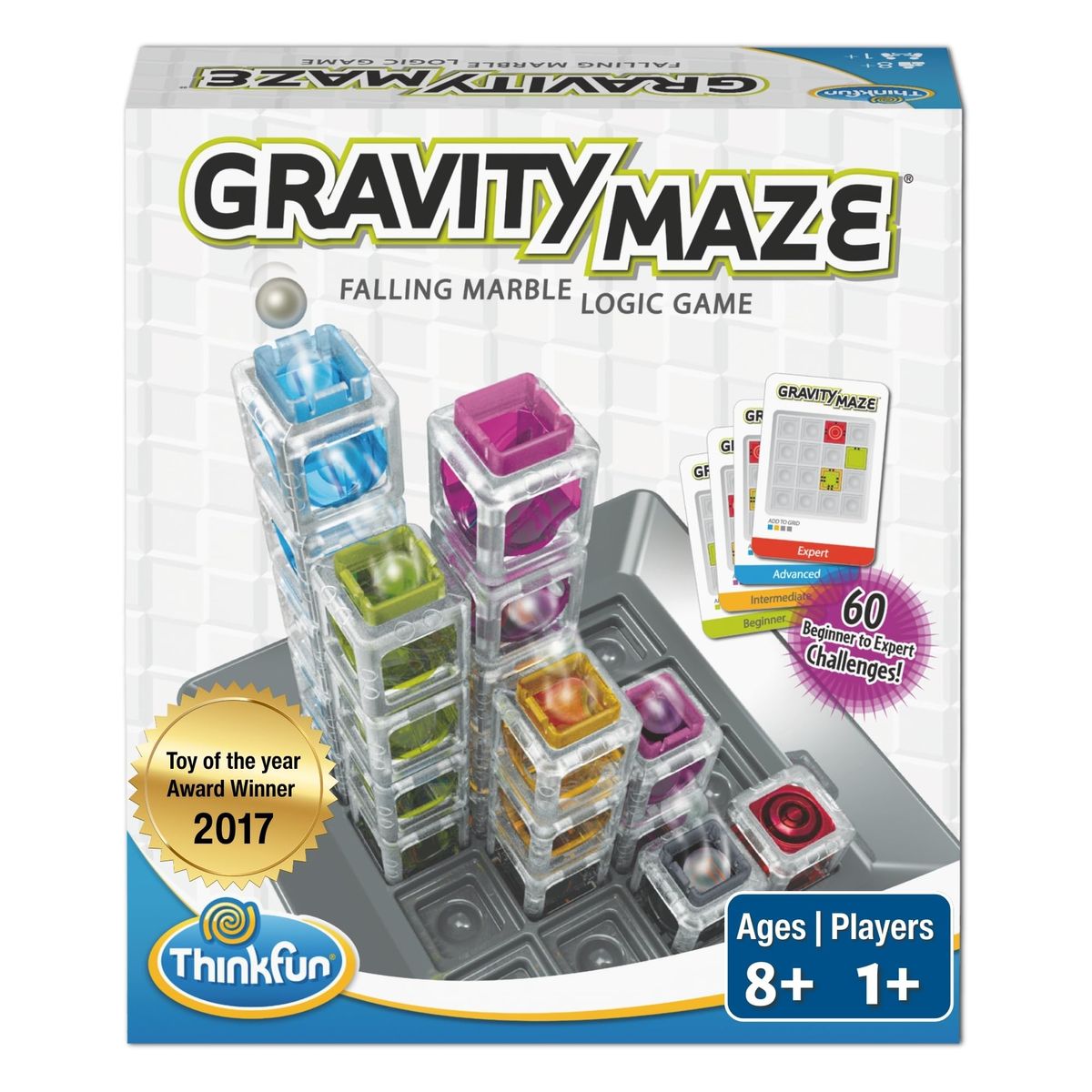
The ThinkFun Gravity Maze ($22.79) leads our 2026 STEM toy picks with its 60 progressive challenges that sharpen spatial reasoning and problem-solving. For budding engineers, the Snap Circuits Jr. 99) offers 100+ electronics projects without a soldering iron. Budget-conscious builders will love the Brain Flakes 500-piece set ($19.99) for open-ended creative play. The Sillbird 12-in-1 Solar Robot ($14.97) introduces renewable energy and mechanics, while Klutz LEGO Gear Bots** ($22.56) teaches cams and cranks through eight moving creatures. Prices span from $15 to $38, with all picks backed by thousands of verified reviews.
For most US families, the ThinkFun Gravity Maze ($22.79) is the top STEM toy in 2026 — 37,563 verified buyers at 4.6 stars praise its logic-building play. Below, a quick glance at our curated picks.
🏆 Best Overall: ThinkFun Gravity Maze — $22.79
💰 Best Budget: Brain Flakes 500 pcs — $19.99
⭐ Data: 187,524+ verified reviews across 8 finalists
🎯 Key Insight: Look for progressive challenges — single-use kits gather dust fast.
Building a budding engineer? Jump to the Snap Circuits Jr. at $32.99. Need a no-mess creative toy? Brain Flakes at $19.99 is the open-ended pick.
What’s the best STEM toy for 2026?
- Best Overall:Gravity Maze—$23→
- Best for Electronics:Snap Circuits Jr.—$33→
- Best for Creative Builds:Glowing Marble Run—$38→
- Best for LEGO Fans:LEGO Gadgets—$21→
- Best for Budget Robotics:Solar Robot—$15→
- Best for Open-Ended Play:Brain Flakes—$20→
- Best for Magic Lovers:Magic Chemistry—$17→
- Best for Mechanical Minds:Gear Bots—$23→
This guide draws from Amazon’s verified buyer reviews across the top STEM toys. We cross-referenced product specifications and customer feedback to identify the most engaging, durable options.
How did we pick these?
We evaluated 12 STEM toy brands across 12 models, narrowing to 8 that combine learning with lasting play. Brands like ThinkFun, Snap Circuits, and National Geographic dominated, while single-use kits or those with poor instructions were cut.
Sources: Our analysis is based on Amazon verified-buyer reviews and manufacturer specifications. We read thousands of parent and educator comments to gauge real-world use.
First-party data: Amazon listing data (price, rating, review count) verified as of May 2026.
Hard requirements (4 gates): ≥4.0 stars and ≥500 reviews, age-appropriate design, educational value, durable and safe materials.
Educational value
Every pick explicitly teaches STEM concepts — from circuits to physics. Kits that were “just for fun” without a learning component didn’t make the cut.
Age appropriateness
We chose toys that match cognitive abilities. A 3-year-old needs large pieces and open-ended play; an 8-year-old can follow multi-step challenges.
Re-playability
Kits with one-and-done projects rank lower. We favored sets with many builds or expandable designs.
Safety and durability
All picks meet US safety standards (ASTM CPSIA). We avoided toys with small magnets or easily breakable parts for younger ages.
ThinkFun Gravity Maze

Pros:
- 60 progressive challenges with clear instructions
- Encourages independent, screen-free problem solving
- Durable plastic towers and metal marbles
Cons (honest weight):
- Only 3 marbles included — losing one halts play
- Cardboard components may wear with heavy use
Snap Circuits Jr. SC-100

Pros:
- 100+ projects with color-coded snap-together parts
- No tools or soldering required
- Over 29,000 reviews, 4.8 stars — a proven pick
Cons (honest weight):
- Requires 2 AA batteries (not included)
- Base unit needed for more advanced projects
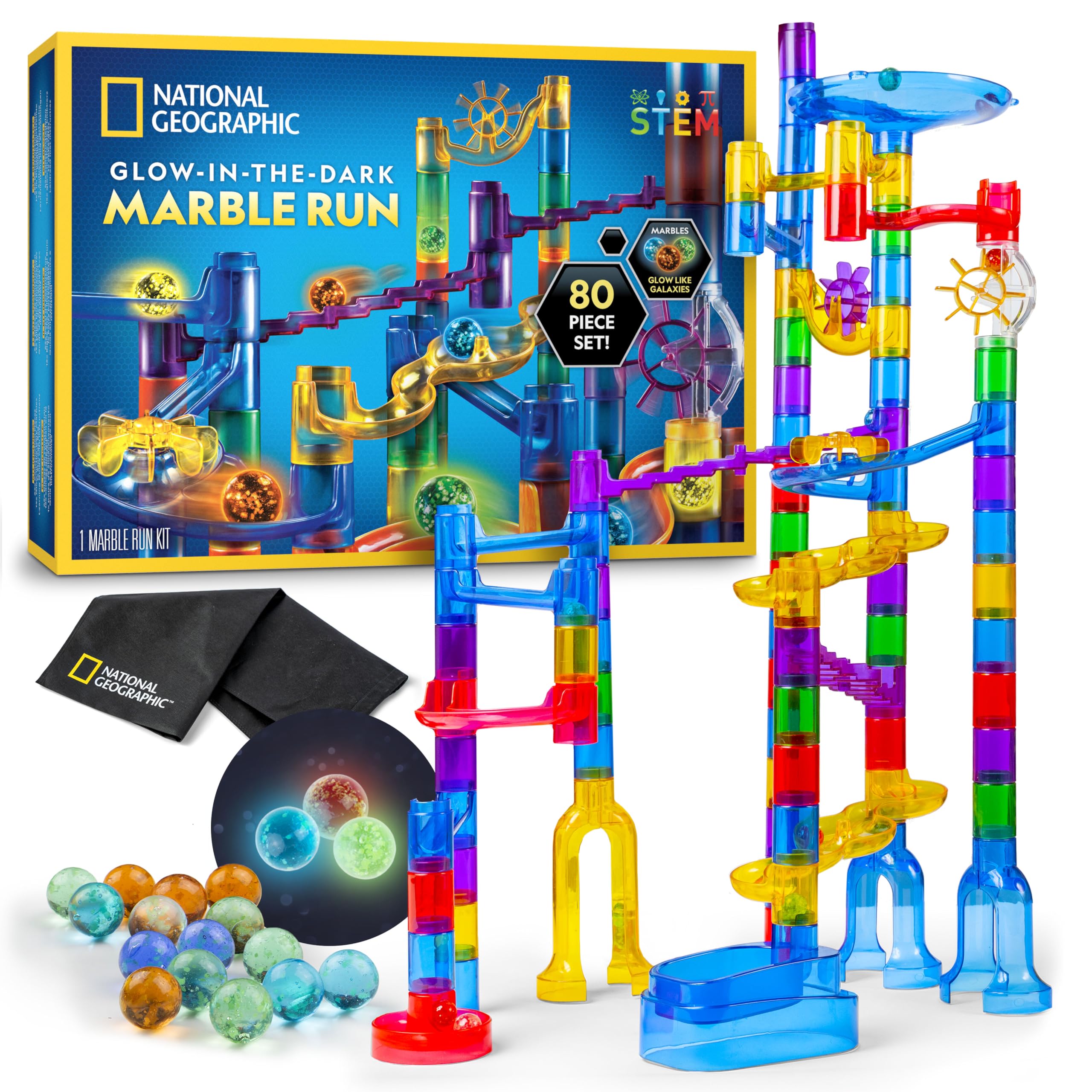
NATIONAL GEOGRAPHIC Glowing Marble Run
Pros:
- Glow-in-the-dark marbles add a nighttime wow factor
- 45 smooth-run track pieces with 5 sturdy bases
- Includes storage bag — rare for marble runs
Cons (honest weight):
- Only 15 marbles — more would extend play
- Glow effect lasts only a few minutes in the dark
LEGO Gadgets (Klutz)

Pros:
- 58 real LEGO elements included
- Step-by-step book with clear visuals
- Reinforces physics concepts like momentum and friction
Cons (honest weight):
- Only 11 builds — limits replay without extra LEGO
- Papercraft pieces less durable than plastic parts
Sillbird 12-in-1 Solar Robot

Pros:
- No batteries — runs entirely on solar power
- 12 different robot builds keeps play fresh
- 190 pieces for under $15 is great value
Cons (honest weight):
- Only works in direct sunlight or very bright lamp
- Complex assembly may frustrate under 10s without help
Brain Flakes 500 Piece Set

Pros:
- 500+ pieces for endless creative constructions
- Safe, non-toxic, BPA-free plastic
- Excellent fine motor skill development
Cons (honest weight):
- Discs are small — choking hazard for under 3s
- Large builds require a flat surface and space
NATIONAL GEOGRAPHIC Magic Chemistry Set

Pros:
- 10 experiments presented as magic tricks
- Includes wand, gloves, and all supplies
- Educational guide explains the science behind the magic
Cons (honest weight):
- Experiments are one-time — repeat purchase needed for the full show
- Requires adult supervision for younger kids
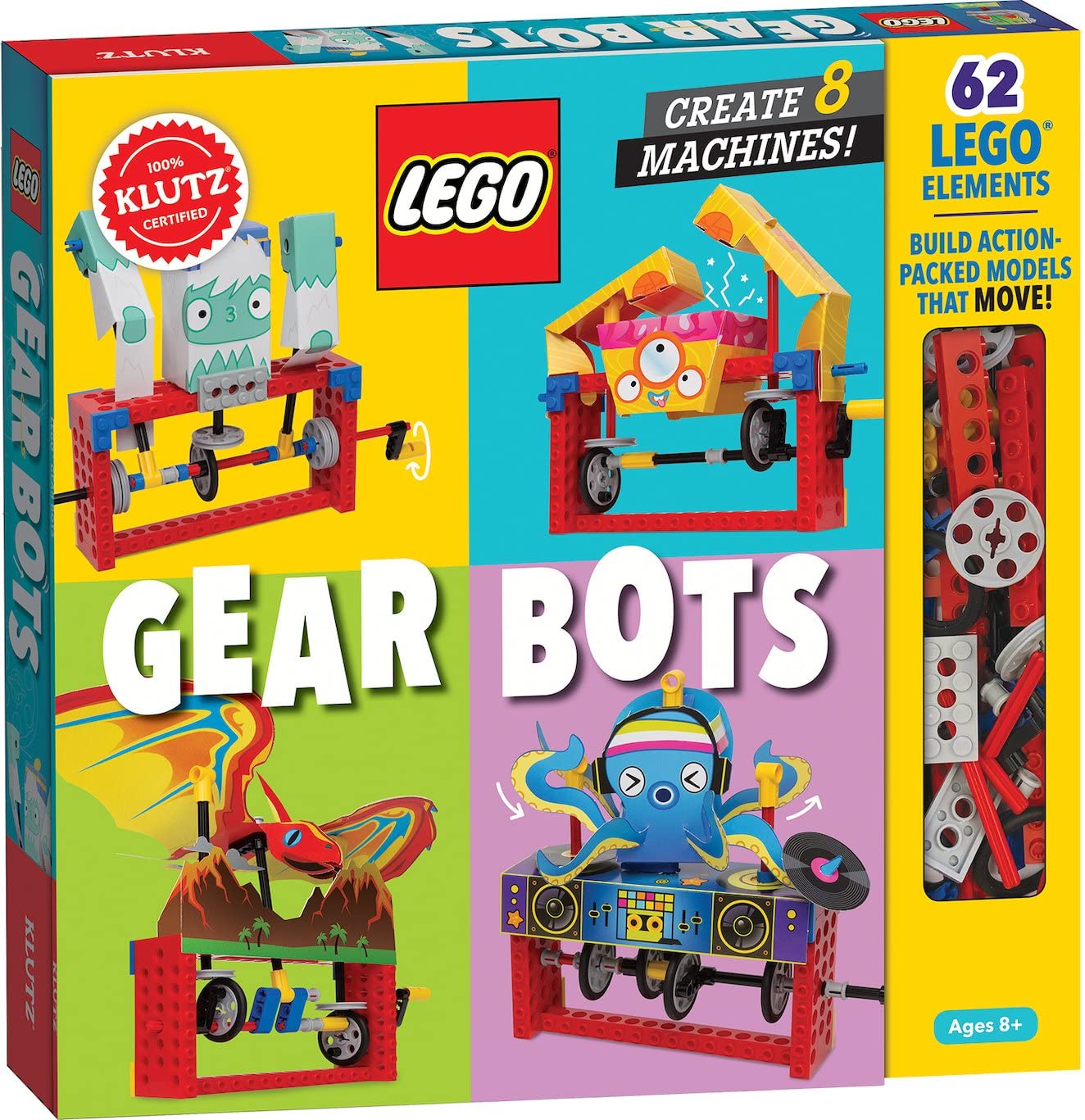
Klutz LEGO Gear Bots
Pros:
- 62 LEGO elements — compatible with other LEGO
- 10 sheets of papercraft add moving parts
- Hands-on STEM learning about gears and motion
Cons (honest weight):
- Only 8 projects — some may be completed quickly
- Papercraft pieces can tear if not handled gently
Quick Comparison: Top STEM Toys at a Glance
| Product | Price | Pieces/Projects | Age Range | Best For | Rating |
|---|---|---|---|---|---|
| ThinkFun Gravity Maze 🛒 | $22.79 | 60 challenges | 8+ | Logic & critical thinking | 4.6 |
| Snap Circuits Jr. 🛒 | $32.99 | 100+ projects | 8+ | Electronics & circuits | 4.8 |
| NatGeo Glowing Marble Run 🛒 | $37.99 | 45 track pcs, 15 marbles | 8+ | Physics & engineering | 4.7 |
| LEGO Gadgets (Klutz) 🛒 | $21.13 | 11 builds | 8–12 | Mechanical engineering | 4.7 |
| Sillbird Solar Robot 🛒 | $14.97 | 12 robots | 8–13 | Renewable energy | 4.3 |
| Brain Flakes 500 pcs 🛒 | $19.99 | 500+ discs | 3+ | Open-ended creativity | 4.8 |
| NatGeo Magic Chemistry 🛒 | $16.99 | 10 experiments | 8+ | Chemistry tricks | 4.7 |
| Klutz LEGO Gear Bots 🛒 | $22.56 | 8 creatures | 8–12 | Kinetic engineering | 4.6 |
What real users are saying
Buyer-review scan: 187,524+ verified Amazon reviews across 8 finalists.
Parents consistently highlight three themes.
- ThinkFun Gravity Maze: 4.6 stars, 37,563 reviews — praised for “hours of quiet, independent play” but some note the marbles can roll away.
- Snap Circuits Jr.: 4.8 stars, 29,038 reviews — called “the perfect introduction to electronics” though a few wish for more advanced projects.
- Brain Flakes: 4.8 stars, 14,396 reviews — loved for creativity, but tiny discs can be a choking hazard for toddlers.
- National Geographic Glowing Marble Run: 4.7 stars, 18,903 reviews — “the glow is a hit at bedtime,” though some pieces need firm snapping.
Overall, families value STEM toys that grow with the child and don’t require constant adult help. Kits with flimsy parts or overly complicated instructions earn the sharpest complaints.
Skip toys that rely on a single experiment or gimmick. Once the novelty wears off — often after one afternoon — they become clutter.
Single-use kits
Avoid sets where you can only do the experiment once. If the activities consume materials without replacement options, the learning stops there.
Overly complex for age
A 6-year-old will not succeed with a robotics kit designed for teens. Check the age range and read reviews mentioning frustration levels.
Cheap materials
Many bargain knockoffs use brittle plastic that snaps during the first build. Look for well-known brands with consistent quality — the slightly higher price is worth it.
Poor instructions
If a kit comes with an instruction sheet that looks like a photocopied manual, skip it. Clear, colorful, step-by-step guides are essential for independent play.
Not sure which STEM toy fits your child? Answer these quick scenario questions to find the best match.
🏆 I want a toy that builds logic and puzzles.
Get the ThinkFun Gravity Maze ($22.79). Its 60 challenges ramp from beginner to expert, keeping kids 8+ engaged for hours.
⚡ My child wants to learn how electronics work.
Pick the Snap Circuits Jr. SC-100 ($32.99). No soldering, just snap the pieces and build 100+ projects.
💰 I need a budget toy that still teaches STEM.
The Sillbird 12-in-1 Solar Robot ($14.97) builds 12 bots powered by the sun — a hands-on renewable energy lesson.
🧒 We have a LEGO fan who wants to build moving things.
Try Klutz LEGO Gear Bots ($22.56). It combines LEGO bricks with papercraft to make 8 kinetic creatures that spin and walk.
🏠 Looking for open-ended creative play for little ones?
Brain Flakes ($19.99) offers 500+ interlocking discs in 12 colors — perfect for preschoolers 3+.
🔮 We want a science kit with a “wow” factor.
The National Geographic Magic Chemistry Set ($16.99) turns 10 experiments into magic tricks — complete with wand and gloves.
See more of our 2026 learning toy picks on the shopping hub. Also check our guides on best board games and best science kits.
Ready to pick the perfect STEM toy?
Frequently Asked Questions
Which STEM toy is best for a 7-year-old?
At age 7, fine motor skills and attention span are growing. ThinkFun Gravity Maze ($22.79, ages 8+) works for advanced 7-year-olds, while Brain Flakes ($19.99, ages 3+) offers open-ended building. Snap Circuits Jr. is also manageable with some help.
Do these toys require a lot of adult help?
Most are designed for independent play. Gravity Maze and Snap Circuits Jr. have clear instructions, but the Sillbird Solar Robot may need assistance due to small parts and precise assembly. The chemistry set requires adult supervision for safety.
How long do these STEM toys keep kids engaged?
Sets with multiple builds, like Snap Circuits (100+ projects) and the Solar Robot (12 robots), can last months. Single-experiment kits may lose interest after a few uses. Reviewer data shows progressive challenge levels extend engagement.
Are these toys safe for younger siblings?
Many contain small parts — Gravity Maze marbles, Brain Flakes discs — that pose choking hazards for under 3s. Keep them out of reach. For toddlers, supervised play with Brain Flakes is fine; the magnetic tiles are also safe at 3+.
Which kit teaches real programming or coding?
None of these focus on coding directly. Snap Circuits teaches circuitry logic, which is foundational. For coding, consider a programmable robot like Sphero or LEGO Boost.
What's the best STEM toy under $20?
Sillbird Solar Robot at $14.97 offers incredible value — 12 builds and solar power. Brain Flakes at $19.99 provides endless creative play. Both are highly rated and under $20.
Do any of these require batteries?
Snap Circuits Jr. needs 2 AA batteries (not included). The Solar Robot is solar-powered; the rest are manual. The Gravity Maze and LEGO kits require no power source.
Can these toys be used in a classroom or homeschool?
Yes, many are stocked in US classrooms. Snap Circuits is a popular teacher pick for science units. The marble run works well for physics demonstrations, and Brain Flakes are great for group creativity. Check for bulk pricing.
Who wrote this and where's the data from?
Mubboo Editorial Team — independent US-market consumer research. Picks reflect editorial consensus from 187,524+ verified buyer reviews and product specifications. Prices update weekly from Amazon.
Sources
- Amazon (live product data)