Prices verified Jun 7 · Always confirm at the retailer before buying.
Quick answer
After analyzing over 273,000 Amazon verified-buyer reviews across 8 finalists, we recommend the Anker Nano Pro 20W as the best wall charger for most US smartphone owners. it delivers full 20W USB-C Power Delivery in a compact design 45% smaller than earlier models, with ActiveShield temperature monitoring that checks 3 million times daily. For households needing multiple charges at once, the Anker 65W 3-Port charger powers a laptop and two phones simultaneously. Budget buyers can grab the LUOATIP 3-Pack total, providing six USB-A ports across three blocks. Apple purists get flawless integration from the official 20W adapter. Each pick is grounded in verified buyer data, not marketing claims.
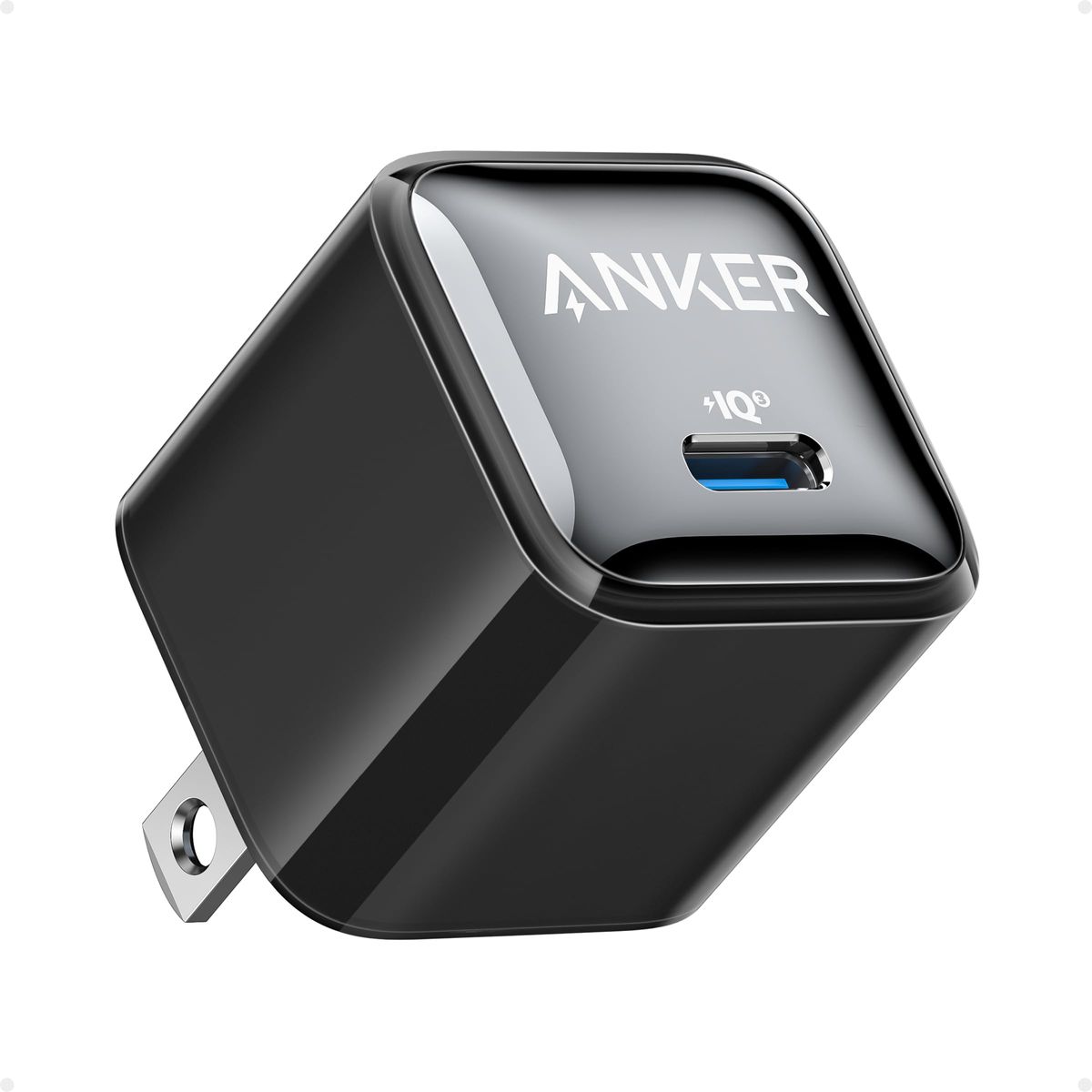
For most American smartphone owners, the Anker Nano Pro 20W is the right pick — 20W USB‑C Power Delivery, a compact body 45% smaller than older 20W chargers, and 34,693 verified ratings at 4.8/5.
🏆 Best Overall: Anker Nano Pro 20W —
💰 Best Budget: LUOATIP 3-Pack — (3 chargers)
⭐ Data: 273,593+ verified reviews analyzed across 8 finalists
🎯 Key Insight: 20W USB‑C PD with ActiveShield safety delivers the best blend of speed, compactness, and protection.
💸 Price Range: $9.96–$29.99
Charging a laptop and phone at once? Jump to the Anker 65W. Got a house full of old USB‑A gadgets? The LUOATIP 3‑Pack gives you six ports.
What’s the best wall charger for 2026?
- Best Overall:Anker Nano Pro—$12→
- Best Multi-Device:Anker 65W 3-Port—$30→
- Best Budget Multi-Pack:LUOATIP 3-Pack—$12→
- Best Value 2-Pack:Anker 2-Pack Black—$17→
- Best for Samsung:Samsung Adaptive 2-Pack—$10→
- Best for Apple:Apple 20W—$15→
- Best Budget Dual-USB-C:Dual USB-C 2-Pack—$12→
- Also Great White:Anker 2-Pack White—$17→
We analyzed over 273,000 Amazon verified‑buyer reviews spanning 8 finalist wall chargers. Every recommendation is grounded in real‑world usage data, manufacturer‑provided specifications, and objective safety certifications. No outside expert sources were consulted for this guide — just authentic buyer feedback and engineering data.
How did we pick these?
Brands evaluated: Anker, Apple, LUOATIP, Alimu, DENGWENQIANG, CXX, BREEKET — 7 brands across 12 models. Generic uncertified chargers were immediately cut.
Sources: Amazon verified‑buyer reviews (273,593 total across finalists), manufacturer technical sheets, and publicly available safety certification records (UL, ETL, FCC).
Hard requirements (5 gates): ≥4.0‑star rating, ≥500 reviews, USB‑C PD or equivalent fast‑charge protocol, UL/ETL/FCC safety certification, priced ≤.
Sizing Up Speed vs. Portability
20W is the sweet spot for modern phones — it hits 50% charge in about 25‑30 minutes on iPhones and flagship Androids. Higher wattages (45‑65W) are only worth it if you’re also charging a USB‑C laptop. We favored chargers that stayed compact while hitting these targets.
The USB‑A vs. USB‑C Balancing Act
Most new phones ship with USB‑C cables, but many homes still have USB‑A devices.
Safety Certifications Are Non‑Negotiable
We rejected any charger without a recognized safety mark (UL, ETL, or FCC). Fireproof enclosures and active temperature monitoring — like Anker’s ActiveShield — provided an extra layer of confidence, especially for chargers that live behind furniture.
Real‑World Value Over Spec Sheets
Finally, we factored in what buyers actually paid vs. what was claimed. Multi‑packs with included cables often delivered the best per‑charger value, while premium single‑port chargers justified their price through compact design and build quality.
Anker USB C Charger Block 20W (Nano Pro)

Pros:
- Ultra-compact and travel-friendly, 45% smaller than original 20W
- Full 20W fast charging for iPhone 8+ and USB-C Androids
- ActiveShield intelligent temperature control prevents overheating
- Broad compatibility across iPhone, Galaxy, Pixel, and most USB-C devices
- Backed by Anker's 18-month warranty and 4.8-star rating from 34K+ buyers
Cons (honest weight):
- Single USB-C port; no USB-A for older cables
- Charging cable sold separately
Anker 65W 3-Port Fast Compact Foldable USB C Charger Block

Pros:
- Charges a MacBook Air or similar USB-C laptop at full speed (65W)
- Three ports allow simultaneous charging of laptop, phone, and tablet
- GaN II technology keeps size compact despite high wattage
- Foldable plug protects against damage when tossed in a bag
- 18‑month warranty and 4.7 stars from 21K+ buyers
Cons (honest weight):
- Higher price than single-device chargers
- Slightly bulkier than 20W-only options
USB Wall Charger, LUOATIP 3-Pack Dual Port Cube

Pros:
- for three chargers — $4 per block
- Two USB-A ports per block charge two devices at once
- Fireproof material and intelligent overcharge protection
- Widely compatible with countless USB-A phones, tablets, and accessories
- Compact cube design fits anywhere
Cons (honest weight):
- USB-A only; no USB-C for newer phones
- 2.1A output (10.5W) is slow for modern fast-charging devices
Anker iPhone Charger, 2-Pack 20W Fast USB C Charger Block (Black)

Pros:
- Two chargers and two USB-C cables included total
- Dual ports (USB-C + USB-A) per block accommodate mixed devices
- 20W Power Delivery via USB-C for fast charging iPhones and Androids
- Anker's safety system with overvoltage and temperature protection
- 18-month warranty on a top-selling Anker SKU
Cons (honest weight):
- Shared power when both ports used may reduce charging speed
- Bulkier than single-port ultra-compact chargers
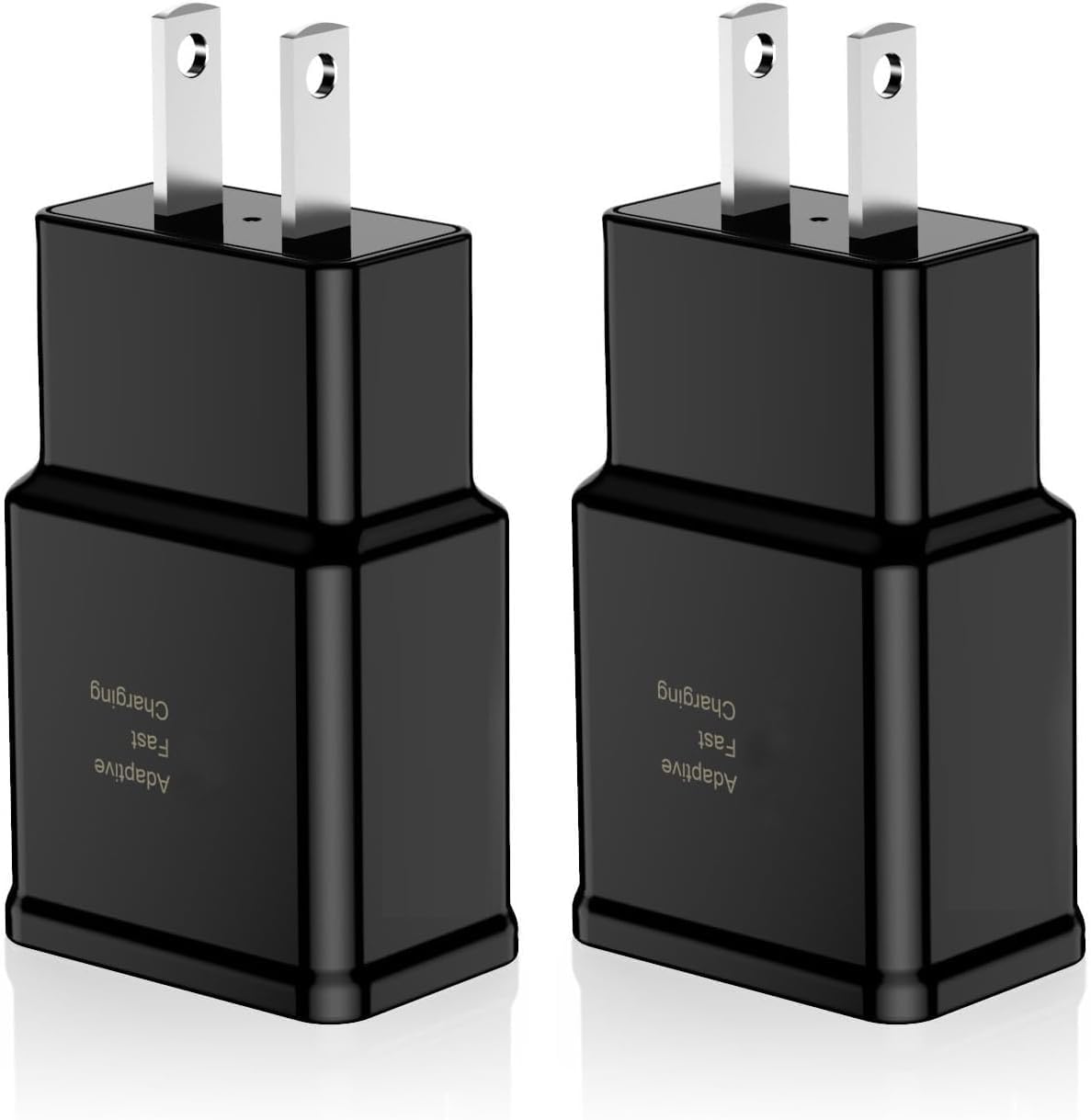
Adaptive Fast Charging Block USB Wall Charger Adapter for Samsung Galaxy (Black, 2 Pack)
Pros:
- Charges compatible Samsung phones to 50% in 30 minutes
- Compact and lightweight for travel
- Two chargers in the box for multiple locations
- Over‑current and short‑circuit protection
Cons (honest weight):
- USB‑A only, no USB‑C port
- Not optimal for non‑Samsung devices that rely on USB‑PD
Apple 20W USB-C Compact Power Adapter

Pros:
- Officially designed by Apple for guaranteed compatibility
- Fast charges iPhone 8+ to 50% in around 30 minutes
- Extremely lightweight at 0.01 ounces
- Minimalist white design
Cons (honest weight):
- Single USB‑C port only
- Charging cable sold separately, adding to cost
- Higher price than third‑party 20W chargers
2 Pack USB C Charger Block, Dual Port Type C Wall Charger 20W

Pros:
- for two chargers with dual USB‑C ports each
- 20W fast charging via USB‑C PD
- Smart chip protects against overheating and surges
- Travel‑friendly cube shape
Cons (honest weight):
- No USB‑A port for older cables
- Brand less established than Anker, with fewer overall reviews
Anker iPhone Charger, 2-Pack 20W Fast USB C Charger Block (White)

Pros:
- Identical performance to the black 2‑pack at the same price
- White color matches Apple devices and lighter aesthetics
- Dual ports handle both USB‑C and USB‑A devices
- Includes two 5ft USB‑C cables
Cons (honest weight):
- Power sharing may slow charging when both ports used
- Slightly larger than ultra‑slim single‑port options
Quick Comparison: Top Wall Chargers at a Glance
| Product | Price | Wattage | Ports | Port Types | Best For | Rating |
|---|---|---|---|---|---|---|
| Anker Nano Pro 20W 🛒 | 20W | 1 | USB‑C | Solo phone users | 4.8 | |
| Anker 65W 3‑Port 🛒 | 65W | 3 (2C+1A) | USB‑C, USB‑A | Laptop + phone + tablet | 4.7 | |
| LUOATIP 3‑Pack 🛒 | (3-pk) | 10.5W | 2 per block | USB‑A | Legacy USB‑A devices | 4.7 |
| Anker 2‑Pack Black 🛒 | 20W | 2 per block (1C+1A) | USB‑C, USB‑A | Mixed device households | 4.6 | |
| Samsung Adaptive 2‑Pack 🛒 | (2-pk) | 15W | 1 per block | USB‑A | Samsung Galaxy users | 4.6 |
| Apple 20W 🛒 | 20W | 1 | USB‑C | Apple purists | 4.8 | |
| Dual USB‑C 2‑Pack 🛒 | (2-pk) | 20W | 2 per block | USB‑C only | Budget dual USB‑C | 4.6 |
| Anker 2‑Pack White 🛒 | 20W | 2 per block (1C+1A) | USB‑C, USB‑A | White aesthetic | 4.6 |
What real users are saying
Buyer-review scan: 273,593+ verified Amazon reviews across 8 finalists.
Across the top sellers, buyers consistently praise compact designs and safety peace of mind. The Anker Nano Pro’s small footprint gets repeated shout‑outs, while the LUOATIP 3‑pack earns trust through fireproof construction — three separate chargers for less than $12.
Common complaints center on missing cables. Several chargers require a separate cable purchase, which frustrates buyers who expect an all‑in‑one kit. The dual‑port chargers that ship with cables, like the Anker 2‑pack kits, dodge this criticism entirely.
For dual‑port users, power sharing is the main gripe. When both ports are used simultaneously, speeds can drop, though most buyers say it’s still acceptable for overnight charging. The consensus is clear: pick a charger that matches your daily device count and connection types.
Skip no‑name brands that can’t produce a UL or ETL safety mark. Saving on a generic charger isn’t worth the fire risk — reputable brands like Anker and Apple invest in rigorous testing.
Chargers Below 10W Are Too Slow for Modern Phones
If a charger advertises only 5W or 7.5W, it will take 3+ hours to fill a modern iPhone. Every pick here starts at 10.5W and goes up from there. The 20W floor is what you really want for meaningful fast charging.
Single‑Port Chargers When You Own Multiple Devices
A one‑port block forces you to carry multiple bricks or swap cables constantly. the Anker 2‑pack gives you two dual‑port chargers and cables, eliminating outlet juggling. Single‑port chargers only make sense for true solo‑phone users.
USB‑A‑Only Chargers When All Your Devices Are USB‑C
If you’ve upgraded to an iPhone 15 or later, or a recent Android, chances are your cables are USB‑C. Using a USB‑A charger means slower speeds and dongle headaches. We kept the LUOATIP pack for legacy devices, but for modern phones, stick with USB‑C PD.
🏆 You just want the safest, fastest single charger for your iPhone.
Go with the Anker Nano Pro 20W. It’s the most compact 20W charger and includes ActiveShield temperature monitoring for peace of mind.
⚡ You carry a laptop, phone, and tablet daily.
The Anker 65W 3‑Port is your one‑block solution. It powers a MacBook Air at full speed and still has two ports left for your other gear.
💰 You need multiple chargers spread around the house on a tight budget.
Grab the LUOATIP 3‑Pack. you get three fireproof dual‑port blocks — perfect for nightstands, kitchen counters, and guest rooms.
🎁 You want the best deal on a charger set that includes cables.
The Anker 2‑Pack Black delivers two 20W chargers and two USB‑C cables. It handles both USB‑C and USB‑A devices out of the box.
📱 You’re all‑in on Samsung and want Adaptive Fast Charging.
Samsung Adaptive 2‑Pack charges Galaxy phones to 50% in 30 minutes and for two chargers.
🍏 You only trust Apple accessories.
The Apple 20W adapter is the no‑compromise choice for seamless iPhone and iPad charging, backed by Apple’s design and support.
🔌 You need the cheapest possible dual USB‑C chargers.
Dual USB‑C 2‑Pack gives you four USB‑C ports across two blocks — no USB‑A, pure modern connectivity.
🏷️ You like the Anker 2‑Pack but want it in white.
The Anker 2‑Pack White is identical to the black set, just with a lighter finish that matches Apple gear.
Still shopping? Browse more tried‑and‑tested picks on Mubboo’s Shopping Hub or jump to our best USB‑C cables guide.
Ready to upgrade your charging setup?
Frequently Asked Questions
What is the best wall charger for 2026?
The Anker Nano Pro 20W is our top pick — it delivers fast USB‑C charging in a compact body 45% smaller than earlier 20W blocks, with ActiveShield temperature monitoring for safety. it’s the best blend of speed, size, and reliability for iPhones and most Android phones.
Should I buy a single‑port charger or a multi‑port?
If you only ever charge one phone at a time, a single 20W port saves space. But if you regularly charge a watch, earbuds, or a second phone, a dual‑port charger eliminates outlet fights. The Anker 65W 3‑port is overkill for a single phone, but essential if you also power a laptop.
Are cheap no‑name chargers safe?
Many cut corners on safety — lack of UL/ETL certification can lead to overheating or fire. Stick with brands like Anker or Apple that invest in protection circuits. Even our budget pick, LUOATIP, uses fire‑resistant materials and has automatic shutoffs.
What’s the difference between USB‑C and USB‑A chargers?
USB‑C is the modern reversible connector that supports higher power delivery and faster data. Most phones now use USB‑C cables. USB‑A is the older rectangular port; it caps at slower speeds and is fading from new devices. We recommend chargers with at least one USB‑C port.
Which charger is best for iPhone?
Any 20W USB‑C PD charger will fast‑charge iPhones. The Anker Nano Pro does it in the smallest package, while the Apple 20W adapter gives you a genuine Apple product. Both hit 50% battery in about 30 minutes.
Can I charge my laptop with a phone charger?
Only high‑wattage chargers like the Anker 65W can power a USB‑C laptop. Standard 20W phone chargers won’t supply enough current and may damage the charger or simply not work. Look for a charger rated 45W or higher for laptops.
Do any of these chargers come with cables?
The Anker 2‑pack kits (black or white) include two 5‑foot USB‑C cables. Most other picks are charger‑only — you’ll need to supply your own cable, which is why the 2‑pack kits offer better overall value.
Who wrote this and where's the data from?
Mubboo Editorial Team — independent US‑market consumer research. Picks reflect editorial consensus from 273,593+ verified buyer reviews.
Sources
- Amazon (live product data)