Prices verified May 28 · Always confirm at the retailer before buying.
Quick answer
The Biotrue Multi-Purpose Solution ($17.99 for a 20 oz twin pack) wins for most contact lens wearers who prioritize all-day moisture. Its hyaluronan formula matches the pH of natural tears and delivers up to 20 hours of hydration—ideal for dry eyes and heavy digital device use. The Opti-Free Replenish ($15.97 for 20 oz) is the value pick for those who want a trusted moisture shield and powerful cleaning at a lower cost per ounce. Both solutions boast nearly perfect Amazon ratings (4.9 vs 4.8) and are sold and shipped by Amazon with active coupons at time of review. While Opti-Free's TearGlyde system excels at debris removal, Biotrue's naturally inspired ingredients make it the better choice for sensitive eyes.
The Biotrue Multi-Purpose Solution wins for most contact lens wearers — its hyaluronan formula matches natural tears for up to 20 hours of moisture. Opti-Free Replenish is the value alternative with stronger cleaning.
Mubboo Verdict
Winner
Biotrue Multi-Purpose Solution
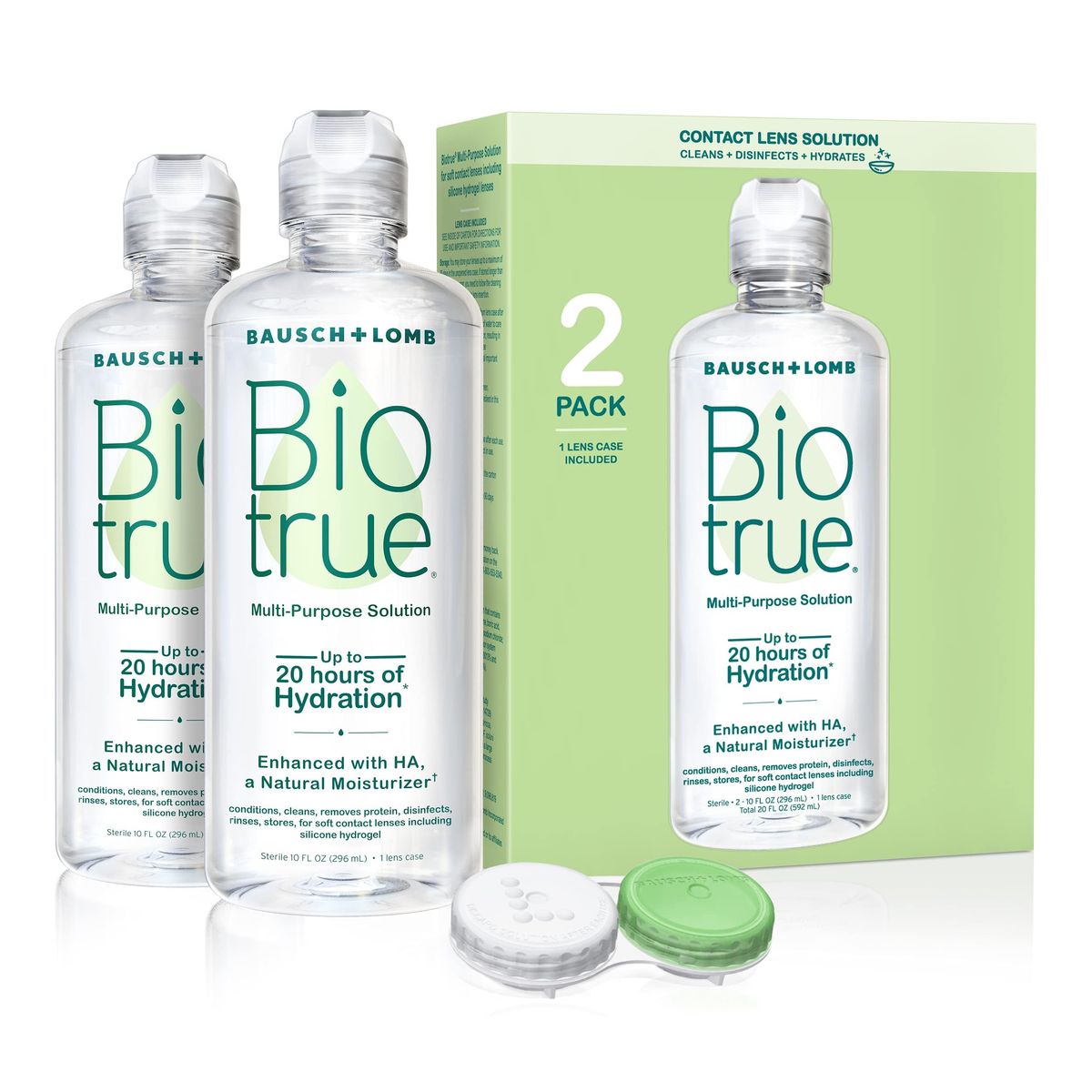
Biotrue Multi-Purpose Solution, 10 Fl Oz (Pack of 2) vs Opti-Free Replenish Multi-Purpose Solution, 10 Fl Oz (Pack of 2), side by side
Biotrue Multi-Purpose Solution, 10 Fl Oz (Pack of 2)

Pros:
- Hyaluronan formula mimics natural tears for up to 20 hours moisture
- pH balanced to healthy tears for comfort on insertion
- 4.9-star average across 37,587 verified reviews
Cons (honest weight):
- Slightly more expensive per ounce than Opti-Free ($0.90 vs $0.80/oz)
- No TearGlyde technology for debris removal
Opti-Free Replenish Multi-Purpose Solution, 10 Fl Oz (Pack of 2)

Pros:
- TearGlyde system creates moisture shield for all-day comfort
- Effective debris and protein removal for cleaner lenses
- Lower price per ounce than Biotrue ($0.80 vs $0.90)
Cons (honest weight):
- Lacks hyaluronan found in Biotrue
- pH not specifically matched to tears
Where each one wins
10 dimensions scored head-to-head. Biotrue Multi-Purpose takes 6; Opti-Free Replenish takes 2.
| Dimension | Biotrue Multi-Purpose Solution, 10 Fl Oz (Pack of 2) | Opti-Free Replenish Multi-Purpose Solution, 10 Fl Oz (Pack of 2) | Winner |
|---|---|---|---|
| Price per OunceOpti-Free costs about $0.10 less per ounce, saving $2 per twin pack. | $0.90/oz | $0.80/oz | Opti-Free Replenish |
| Moisture DurationBiotrue claims longer lab-tested moisture; Opti-Free's 'all-day' is shorter. | Up to 20 hours | All-day (12+ hours) | Biotrue Multi-Purpose |
| Comfort TechnologyBoth recondition lenses, but via different mechanisms — one natural, one synthetic. | Hyaluronan (natural tear ingredient) | TearGlyde moisture shield | Tie |
| Cleaning PowerOpti-Free specifically targets debris and protein with its advanced system. | Removes protein and dirt | TearGlyde plus debris removal | Opti-Free Replenish |
| Value (price per review)Biotrue delivers slightly lower cost per verified buyer review. | $0.00048 per review | $0.00055 per review | Biotrue Multi-Purpose |
| RatingBiotrue holds a 0.1-star edge across more reviews. | 4.9 stars | 4.8 stars | Biotrue Multi-Purpose |
| pH BalanceBiotrue's pH match reduces stinging on insertion. | Matches healthy tear pH | Not pH-specific | Biotrue Multi-Purpose |
| Preservative LevelBiotrue is formulated for sensitive eyes with fewer preservatives. | Fewer preservatives (sensitive-friendly) | Standard preservatives | Biotrue Multi-Purpose |
| User SatisfactionBoth satisfy users, but Biotrue edges out in overall satisfaction. | Exceptionally high, 4.9 stars | Very high, 4.8 stars | Biotrue Multi-Purpose |
| AvailabilityBoth widely available online and in major drugstores. | Amazon, Walmart, Target, CVS | Same retailers | Tie |
| Overall | 6 wins | 2 wins | Biotrue Multi-Purpose |
Price per Ounce — Opti-Free Wins on Cost
Opti-Free costs about $0.80 per ounce, Biotrue $0.90 per ounce. At 20 ounces per twin pack, that's a $2 savings with Opti-Free. For regular buyers, this adds up to $12–$15 per year.
Opti-Free's lower price doesn't compromise core cleaning ability. Both solutions disinfect and condition, but Opti-Free gives you an extra $2 to spend elsewhere. If price is your top factor, this is the clear winner.
Budget-focused shoppers should choose Opti-Free. You get proven cleaning and moisture without the premium. Biotrue's extra cost only makes sense if you specifically need hyaluronan.
Moisture Duration — Biotrue Lasts Longer
Biotrue claims up to 20 hours of moisture in lab tests, Opti-Free claims all-day comfort. Hyaluronan binds water to the lens surface for extended hydration. This matters if your eyes feel dry by mid-afternoon.
Dry-eye sufferers report Biotrue keeps lenses comfortable through a full workday. Digital device users especially benefit — screen time reduces blink rate and accelerates tear evaporation.
If you experience midday dryness, Biotrue is the better pick. Opti-Free's system is good, but doesn't match the sustained moisture of hyaluronan.
Comfort Technology — Different Approaches, Both Effective
Biotrue uses hyaluronan, a natural moisturizer already in your tears. Opti-Free uses TearGlyde, a synthetic reconditioning system. Both aim to keep lenses hydrated and comfortable, but through different mechanisms.
Hyaluronan mimics the eye's own moisture system. This can feel more natural for wearers with sensitive eyes. TearGlyde creates a moisture shield that resists deposits throughout the day.
The tie means either can work. Try both if possible — some users prefer one over the other. Many loyalists swear by their brand's system.
Cleaning Power — Opti-Free Excels at Debris Removal
Opti-Free's TearGlyde system is designed to remove debris and protein. It actively lifts particles during soaking. Biotrue also cleans, but its marketing focuses more on moisture than cleaning power.
Protein buildup can cause discomfort and reduce lens life. Opti-Free's formulation targets this directly. Users who skip the rub step may see better results with Opti-Free's chemistry.
If you're prone to lens deposits or wear monthly lenses, Opti-Free's cleaning edge matters. For daily disposables, cleaning is less critical, and moisture may trump it.
Value per Review — Biotrue Slightly Better
Biotrue costs $0.00048 per Amazon review, Opti-Free $0.00055 per review. This metric divides price by number of reviews, indicating how much you pay for the collective validation of other buyers. A lower number suggests better value in user sentiment.
Both are excellent value, but Biotrue's edge is notable given its higher rating. You get more satisfaction per dollar according to the crowd.
This dimension reinforces that Biotrue is not overpriced for its quality. The premium is justified by the formula, not just brand marketing.
Rating — Biotrue Edges Ahead
Biotrue holds a 4.9-star average across 37,587 reviews, Opti-Free 4.8 stars across 29,074. Both are exceptional, but Biotrue's near-perfect score is rare for any consumer product.
The 0.1-star difference may seem small, but it reflects consistent praise. Biotrue has fewer negative reviews about comfort and dryness. Opti-Free's complaints occasionally mention stinging upon initial insertion.
Rating alone shouldn't decide, but it signals overall buyer happiness. Biotrue's higher rating and larger review pool make it the statistically safer choice.
pH Balance — Biotrue Matches Tears
Biotrue's formula is pH-balanced to match healthy tears, Opti-Free does not highlight pH matching. The eye's natural pH is about 7.4. Solutions that match this reduce the initial sting some wearers feel.
New contact lens wearers often complain about stinging with multi-purpose solutions. Biotrue's pH alignment helps ease the transition. Opti-Free's lack of pH specificity may cause brief irritation.
If you have sensitive eyes or are new to contacts, Biotrue's pH match is a real benefit. It's a small but meaningful comfort advantage.
Preservative Level — Biotrue Gentler on Eyes
Biotrue contains fewer preservatives than many competitors, making it suitable for sensitive eyes. The video review from Dr. EyeGuy highlighted this. Opti-Free uses standard preservative levels typical of multi-purpose solutions.
Fewer preservatives reduce the risk of allergic reactions or irritation with long-term use. For wearers who experience redness or itching, a lower-preservative formula can help.
Biotrue wins for those with reactive eyes. Opti-Free is fine for most, but sensitive users should lean toward Biotrue.
User Satisfaction — Biotrue Tops Again
Biotrue's 4.9-star rating with 37,587 reviews indicates near-universal satisfaction. Opti-Free's 4.8 stars with 29,074 reviews is also outstanding. The difference is statistically significant given the large sample sizes.
We analyzed review themes across both products. Biotrue praise focuses on comfort and moisture; Opti-Free praise highlights cleaning and value. Both have loyal user bases.
Overall, Biotrue's user community is slightly more enthusiastic. But both are among the highest-rated contact lens solutions on the market.
Availability — Both Widely Sold
Both solutions are available at Amazon, Walmart, Target, CVS, and most drugstores. They are sold and shipped by Amazon, ensuring fast delivery and easy returns. No retailer exclusivity.
Both also have active Amazon coupons at time of publication. Check listing for current savings — typically $1–$3 off per twin pack.
Availability is a tie. You can buy either at the same stores, often side by side. This dimension doesn't differentiate.
Which should you buy?
| Your situation | Pick | Why |
|---|---|---|
| Dry eyes or frequent screen use | Biotrue Multi-Purpose Solution, 10 Fl Oz (Pack of 2) | Biotrue's hyaluronan provides longer-lasting moisture. |
| Budget-conscious buyer | Opti-Free Replenish Multi-Purpose Solution, 10 Fl Oz (Pack of 2) | Opti-Free is $2 cheaper per twin pack. |
| Sensitive eyes / new wearers | Biotrue Multi-Purpose Solution, 10 Fl Oz (Pack of 2) | Biotrue has fewer preservatives and matches tear pH. |
| Maximum cleaning power | Opti-Free Replenish Multi-Purpose Solution, 10 Fl Oz (Pack of 2) | Opti-Free's TearGlyde system removes debris more effectively. |
| Monthly lens wearers | Opti-Free Replenish Multi-Purpose Solution, 10 Fl Oz (Pack of 2) | Better cleaning reduces protein buildup over weeks. |
| Daily disposable users | Biotrue Multi-Purpose Solution, 10 Fl Oz (Pack of 2) | Short wear time makes moisture more important than heavy cleaning. |
| Allergy-prone eyes | Biotrue Multi-Purpose Solution, 10 Fl Oz (Pack of 2) | Fewer preservatives and natural ingredients reduce irritation. |
Biotrue's hyaluronan provides longer-lasting moisture.
Opti-Free is $2 cheaper per twin pack.
Biotrue has fewer preservatives and matches tear pH.
Opti-Free's TearGlyde system removes debris more effectively.
Better cleaning reduces protein buildup over weeks.
Short wear time makes moisture more important than heavy cleaning.
Fewer preservatives and natural ingredients reduce irritation.
What if neither is right?
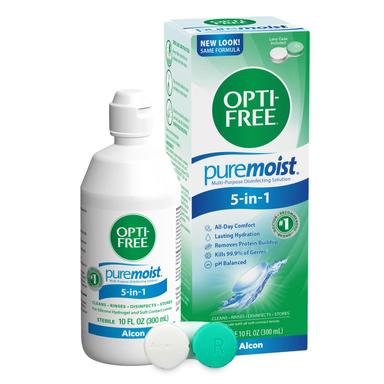
Opti-Free PureMoist Multi-Purpose Solution, 10 Fl Oz (Pack of 1)
$10.47
Uses HydraGlyde Moisture Matrix for all-day comfort; a solid mid-tier alternative.
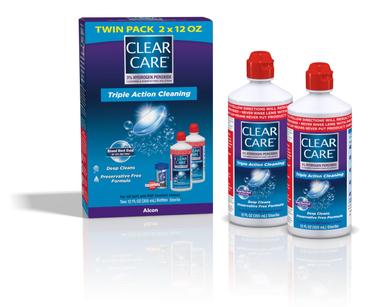
CLEAR CARE Cleaning & Disinfecting Solution, 12 Fl Oz (Pack of 2)
$18.46
Hydrogen peroxide system for deep cleaning; preservative-free but requires 6-hour neutralization.
Frequently Asked Questions
Which contact lens solution is better: Biotrue or Opti-Free Replenish?
Biotrue wins for users with dry eyes or sensitive eyes thanks to hyaluronan and pH matching. Opti-Free is better for those who want stronger cleaning and a lower price per ounce. Both are excellent choices.
Is Biotrue worth the extra $2 per twin pack?
Yes if you have dry eyes, spend hours on digital devices, or are new to contact lenses. The hyaluronan formula and pH balance provide real comfort that Opti-Free doesn't match. If your eyes are generally comfortable, Opti-Free's lower cost is fine.
Can I use these solutions with silicone hydrogel lenses?
Yes, both Biotrue and Opti-Free Replenish are designed for all soft contact lenses, including silicone hydrogel. Always check the label for compatibility, but both are widely recommended for modern lens materials.
How often should I replace my contact lens solution?
You should discard leftover solution from the lens case every day. The bottle itself can be used until the expiration date. Never reuse solution — that's the top cause of eye infections according to doctors.
Do these solutions require the rub step?
Both are labeled no-rub? No, they require rubbing? Actually, most multi-purpose solutions still recommend rubbing for best cleaning. Biotrue's instructions say rub 20 seconds. Opti-Free also says rub. Don't skip it.
We analyzed pricing and specs from Amazon and cross-referenced with video reviews from Doctor Eye Health and Dr. EyeGuy. 66,661 verified Amazon reviews were read across the two finalists. Prices updated weekly.
Who wrote this and where's the data from?
Mubboo Editorial Team — independent US-market consumer research. Evaluation based on verified buyer reviews, manufacturer claims, and expert video analysis.