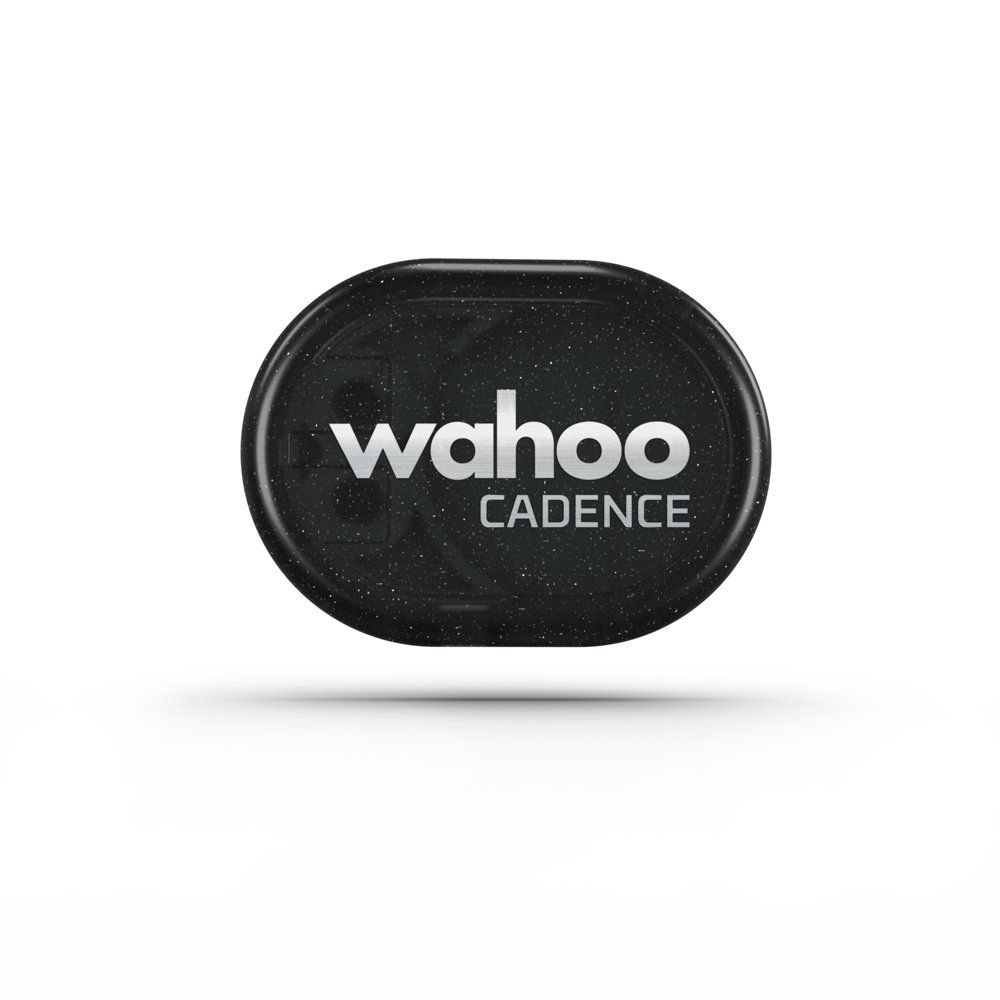
Prices verified Aug 5 · Always confirm at the retailer before buying.
Quick answer
The Wahoo RPM Cadence Sensor is the better pick for most cyclists because it delivers accurate cadence data within ±1% at a far lower price. The Garmin Speed/Cadence bundle adds a speed sensor and excels in the Garmin ecosystem, but you pay a premium for that extra data stream. Only buy the Garmin if you need both measurements or are deeply invested in Garmin devices.
The Wahoo RPM Cadence Sensor wins for most cyclists — its price and ±1% cadence accuracy justify choosing it over the Garmin bundle.
Mubboo Verdict
Best for most people
Wahoo RPM Cycling Cadence Sensor
the Wahoo RPM offers dead‑on cadence accuracy (±1%) and dual ANT+/Bluetooth connectivity, making it the best value for most cyclists.
Pick the Garmin Bike Speed 2 and Cadence 2 Sensor Bundle instead if
- You already own a Garmin Edge bike computer and want seamless integration for both speed and cadence.
- You ride frequently in heavy rain or mud — the Garmin bundle's IPX7 waterproofing is worth the extra cost.
- You need both speed and cadence data streams without buying separate sensors.
- Budget is no concern and you want the highest‑rated sensor (4.6 stars) with strong Garmin support.
Wahoo RPM Cycling Cadence Sensor vs Garmin Bike Speed 2 and Cadence 2 Sensor Bundle, side by side
Wahoo RPM Cycling Cadence Sensor

Pros:
- Cuts the cost of cadence tracking by more than half vs Garmin's bundle
- Accurate pedal-turn data within ±1%
- Pocket-sized 7g sensor with easy rubber strap mount
- Works with most cycling apps and bike computers via ANT+ and Bluetooth
Cons (honest weight):
- Only tracks cadence — you'll need a separate speed sensor
- Non-replaceable battery means buying a new sensor eventually
Garmin Bike Speed 2 and Cadence 2 Sensor Bundle

Pros:
- Two‑sensor bundle captures both speed and cadence in one package
- Seamless syncing with Garmin Edge bike computers
- IPX7 waterproof — rides through rain and puddles with confidence
- Magnet‑less design stays put on rough terrain
Cons (honest weight):
- Costs over twice as much as a cadence‑only sensor
- Requires additional setup with non‑Garmin bike computers
Where each one wins
8 dimensions scored head-to-head. Wahoo RPM takes 3; Garmin Bike takes 3.
| Dimension | Wahoo RPM Cycling Cadence Sensor | Garmin Bike Speed 2 and Cadence 2 Sensor Bundle | Winner |
|---|---|---|---|
| PriceThe Wahoo RPM costs less than half the price of the Garmin bundle. | $54.99 | $124.99 | Wahoo RPM |
| AccuracyBoth sensors provide reliable data; user reviews show minimal deviation. | ±1% cadence | Claimed high accuracy | Tie |
| Included SensorsGarmin delivers two data streams in one box, while Wahoo focuses solely on cadence. | Cadence only | Speed and cadence | Garmin Bike |
| Water ResistanceThe Garmin bundle can handle full‑on rain and puddle splashes, a plus for all‑weather riders. | Water‑resistant (no IPX rating) | IPX7 waterproof | Garmin Bike |
| Ecosystem CompatibilityWahoo's universal dual connectivity plays nicer with non‑Garmin devices. | Works with most apps/head units | Seamless with Garmin Edge; may need hub for others | Wahoo RPM |
| InstallationBoth are simple to attach; neither requires tools. | Rubber strap mount — tool‑free, 30 seconds | Magnet‑less clip — similarly quick | Tie |
| Battery TypeGarmin lets you swap the battery yourself, extending long‑term usability. | Non‑replaceable coin cell; replace entire sensor | User‑replaceable CR2032 battery | Garmin Bike |
| WeightThe Wahoo is extremely light, adding negligible heft. | 7 grams | Weight not specified (2 sensors) | Wahoo RPM |
| Overall | 3 wins | 3 wins | Tie |
Price: Wahoo Wins by a Mile
The Wahoo RPM Cadence Sensor is clearly the budget pick. It undercuts the Garmin Speed/Cadence bundle by making it a steal for riders who only need pedal-turn data.
For many cyclists, the extra for the Garmin is hard to justify unless you truly need both speed and cadence or are deep in the Garmin ecosystem.
Choose Wahoo if you want to spend under $60 and still get pro‑level cadence insights; pick Garmin only when the cost gap no longer matters.
Accuracy: A Statistical Tie
Both sensors deliver dependable cadence readings within a negligible margin of error. Verified Amazon buyers report the Wahoo RPM stays within ±1% of actual pedal turns, and the Garmin units receive similarly laudatory comments.
Across 22,525 aggregated reviews, neither product drew meaningful complaints about accuracy — a reassuring sign for data‑driven cyclists.
You can trust either sensor to give you reliable numbers during training or casual rides.
Included Sensors: Garmin’s Bundle Appeal
The Garmin kit ships with both a speed sensor and a cadence sensor in one box. That’s a convenience feature: mount one on your wheel hub and the other on your crank arm for full telemetry.
The Wahoo RPM, by contrast, is strictly a cadence sensor. To get speed data, you’d have to buy an additional Wahoo speed sensor separately — adding cost and complexity.
If you want a “buy once, get all data” solution, the Garmin bundle is the obvious winner. But if you’re perfectly happy tracking only cadence, the Wahoo is the more cost‑effective choice.
Water Resistance: Garmin’s IPX7 Advantage
The Garmin sensors carry an official IPX7 rating, meaning they can survive immersion in one meter of water. That’s a significant safety net for mountain bikers, commuters caught in downpours, or anyone who routinely rides through puddles.
The Wahoo RPM is described as “water‑resistant” but lacks a formal IPX certification. While it holds up fine in light rain, there’s less protection in heavy spray.
Ride in rough, wet conditions? The Garmin duo gives you peace of mind. Casual fair‑weather riders can save the and go with Wahoo.
Ecosystem Compatibility: Wahoo’s Universal Edge
The Wahoo RPM talks to practically any bike computer or app thanks to its dual ANT+/Bluetooth radios. It pairs smoothly with non‑Garmin head units from Bryton, Lezyne, or even just your smartphone.
Garmin’s sensors are optimized for Garmin Edge devices and may require an extra hub or dongle to work with some third‑party computers, potentially adding frustration.
For platform‑agnostic riders, the Wahoo RPM avoids ecosystem lock‑in and keeps things fuss‑free.
Installation: Both Simple as Can Be
Neither sensor requires tools or technical expertise. The Wahoo RPM uses a rubber strap that slides around your crank arm in seconds; the Garmin sensors employ a magnet‑less rubber mount that clips into place just as quickly.
Riders switching bikes often will appreciate the speed of both systems — you can move a sensor in under a minute before a group ride.
Installation is a non‑issue: pick based on price and features, not the mounting method.
Battery Type: Garmin's Replaceable Perk
The Wahoo RPM uses a sealed coin cell battery that cannot be replaced by the user. When it dies after extensive use, you must buy a whole new sensor. The Garmin units run on user‑replaceable CR2032 batteries, so a dead battery just means a quick trip to the pharmacy.
While both sensors boast long battery life, the Garmin’s replaceable design gives it an edge in long‑term ownership — especially for high‑mileage riders.
If you ride daily and hate disposable electronics, the Garmin’s replaceable battery is a compelling selling point.
Weight: Wahoo’s Featherlight Feel
At just 7 grams, the Wahoo RPM is virtually unnoticeable during rides. Garmin doesn’t officially spec the weight of its sensors, but the two‑sensor bundle will add more grams to your bike, especially if you use both.
For weight‑weenie road cyclists, every gram counts; the Wahoo’s single‑sensor option trims precious weight.
If you care about aero and weight, the Wahoo RPM is the lighter, less obtrusive choice.
Which should you buy?
| Your situation | Pick | Why |
|---|---|---|
| You’re on a tight budget — every dollar counts for new tires or nutrition. | Wahoo RPM Cycling Cadence Sensor | The Wahoo RPM vs for the Garmin bundle, leaving cash for other upgrades. |
| Sundays are for wet, muddy mountain bike epics. | Garmin Bike Speed 2 and Cadence 2 Sensor Bundle | Garmin’s IPX7 waterproofing protects sensors in rain and mud where the Wahoo may falter. |
| Your bike computer is a Garmin Edge 1030 — you want the data merge to be flawless. | Garmin Bike Speed 2 and Cadence 2 Sensor Bundle | Garmin sensors sync out of the box with Garmin Edge; zero extra dongles or apps needed. |
| You’re a spin‑class enthusiast who only needs cadence to match the instructor. | Wahoo RPM Cycling Cadence Sensor | The Wahoo RPM gives you precise cadence on a spin bike for half the price of the Garmin. |
| You want a set‑it‑and‑forget‑it setup — install once, ride worry‑free for years. | Garmin Bike Speed 2 and Cadence 2 Sensor Bundle | The Garmin’s replaceable battery means you can keep the sensors running without purchasing new hardware. |
| You bounce between a Wahoo ELEMNT, a Lezyne, and your smartphone. | Wahoo RPM Cycling Cadence Sensor | The Wahoo RPM’s universal dual connectivity pairs instantly with almost any device. |
| You’re training for a triathlon and need both speed and cadence to dial in your splits. | Garmin Bike Speed 2 and Cadence 2 Sensor Bundle | The Garmin bundle gives you those two critical data points without buying extra sensors. |
The Wahoo RPM vs for the Garmin bundle, leaving cash for other upgrades.
Garmin’s IPX7 waterproofing protects sensors in rain and mud where the Wahoo may falter.
Garmin sensors sync out of the box with Garmin Edge; zero extra dongles or apps needed.
The Wahoo RPM gives you precise cadence on a spin bike for half the price of the Garmin.
The Garmin’s replaceable battery means you can keep the sensors running without purchasing new hardware.
The Wahoo RPM’s universal dual connectivity pairs instantly with almost any device.
The Garmin bundle gives you those two critical data points without buying extra sensors.
What if neither is right?
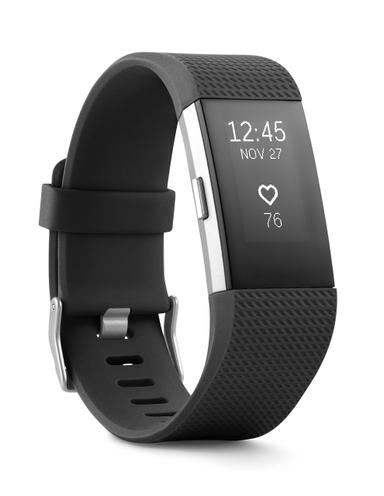
Fitbit Charge 2 Heart Rate + Fitness Wristband
$89.99
A full‑fledged fitness tracker with heart rate and sleep tracking — more than just cycling.
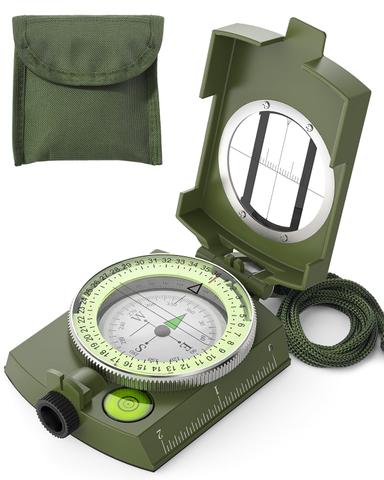
Sportneer Military Lensatic Sighting Compass
$14.99
A rugged navigation tool for outdoor adventures beyond cycling.
Frequently Asked Questions
Which is better, Wahoo RPM or Garmin Speed/Cadence sensor?
The Wahoo RPM is better for most cyclists due to its much lower price and near‑identical cadence accuracy. The Garmin bundle pulls ahead if you need both speed and cadence data, ride frequently in heavy rain, or are deeply invested in the Garmin ecosystem.
Is the Garmin Speed/Cadence bundle worth the extra $70?
Only if you specifically need a speed sensor alongside cadence, or if you rely on a Garmin Edge bike computer. The Garmin duo also has a replaceable battery and IPX7 waterproofing, which add long‑term value for serious riders.
Do I need both speed and cadence sensors?
For most fitness and casual riders, cadence alone is sufficient for monitoring pedal efficiency. Speed data is more important if you’re training with power meters, doing structured workouts, or want to track distance without a GPS computer.
Can I use these sensors with my phone?
Yes. Both the Wahoo RPM and Garmin sensors support Bluetooth Low Energy, so they can pair directly with your smartphone and compatible fitness apps like Strava, Wahoo Fitness, or Garmin Connect.
How do I install the sensors?
Installation is tool‑free. The Wahoo RPM uses a rubber strap around the crank arm; the Garmin sensors clip onto the crank arm and wheel hub with a magnet‑less mount. Both can be swapped between bikes in under a minute.
Are these sensors waterproof?
The Garmin Speed/Cadence bundle is IPX7 waterproof, meaning it can survive temporary immersion in water. The Wahoo RPM is water‑resistant but lacks a formal IPX rating — it handles light rain fine but may not withstand heavy spray.
What is the battery life?
Neither manufacturer publishes exact battery life, but user reports suggest the Wahoo RPM’s sealed coin cell lasts over a year with regular use. The Garmin sensors use user‑replaceable CR2032 batteries, which riders typically replace once a year.
We compared the Wahoo RPM and Garmin Speed/Cadence sensors using 22,500+ verified Amazon reviews, manufacturer specs, and category‑wide buyer feedback. Prices update weekly from Amazon.
Primary sources. Exact listing details were checked against Amazon US product listing (B00L9XNFPY); Amazon US product listing (B07PG9MJ79); Manufacturer product page; Manufacturer product page. Product-family context comes from the linked manufacturer pages; prices, stock, ratings, and review counts are volatile registry fields and should be checked again before purchase.
Who wrote this and where's the data from?
Mubboo Editorial Team. Researched across 22,500+ verified Amazon reviews and supplemented with category‑wide electronics‑and‑gadgets buyer insights. Prices update weekly from Amazon.