The Adhesive Bandage Guide: Find the Right One for Every
Based on 37,000+ verified Amazon reviews and real-world usage
By Mubboo Editorial Team · Updated Aug 7, 2026 · 7 min read
At a Glance
- Price range
- $3.97 – $17.99
- Data
- 37,127 verified reviews across 6 top picks
- Best for
- Kids' boo-boosWaterproof wound protectionBlister preventionTattoo aftercare
- Skip if
- You only need a basic adhesive strip for minor paper cuts — a standard fabric bandage is enough.
Types Explained
Standard Bandages
Fabric or plastic strips with a small absorbent pad, designed for minor cuts and scrapes.
- Widely available and affordable
- Trusted brands with decades of use
- Easy to apply and remove
- Not waterproof
- Limited size options in basic packs
Best for: Everyday minor cuts and scrapes, especially for kids
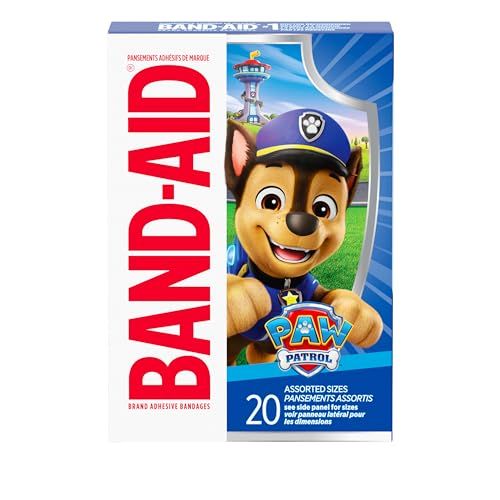
Example: Band-Aid Paw Patrol (low-priced pick)
Waterproof Film Dressings
Transparent, adhesive film that seals out water and dirt while allowing wound monitoring.
- Completely waterproof for showers and swimming
- Transparent to check healing progress
- Stays on for multiple days
- Higher per-unit cost
- Adhesive may irritate sensitive skin
Best for: Wounds that need protection from water or frequent monitoring
Example: Nexcare Tegaderm (mid-priced pick)
Character Bandages
Bandages with popular cartoon or character prints, designed to appeal to children.
- Reduces anxiety in kids
- Same quality as standard bandages
- Affordable
- Small pack size
- Not waterproof
Best for: Young children who need extra comfort after a fall
Example: Band-Aid Peppa Pig (low-priced pick)
Self-Adherent Wraps
Cohesive bandage that sticks to itself without adhesive, ideal for animals or awkward areas.
- No sticky residue on skin or fur
- Flexible and breathable
- Reusable
- Not sterile for human open wounds
- Narrow width for large areas
Best for: Pet first aid, securing dressings, or padding for sensitive areas
Example: AUPCON Vet Wrap (mid-priced pick)
Blister Care
Hydrocolloid gel bandages that cushion and absorb fluid to promote faster healing of blisters.
- Cushions the blister from friction
- Creates optimal healing environment
- Variety packs cover multiple foot areas
- More expensive per bandage
- May not stick well on hairy skin
Best for: Foot blisters from new shoes, running, or hiking
Example: Promifun Hydrocolloid Blister Bandages (high-priced pick)
What Actually Matters
| Factor | Importance | Best brand |
|---|---|---|
Waterproofing Needs to survive a 10-minute shower Not all 'waterproof' claims hold up; look for sealed edges and high Amazon ratings. | Must-have | Nexcare Tegaderm |
Adhesive Strength Should stay on 24+ hours Poor adhesive leads to frequent changes and potential infection. Band-Aid consistently performs best in reviews. | Must-have | Band-Aid |
Material Type Fabric for breathability; plastic for visibility; foam for cushioning Material determines comfort and wear time. Fabric is best for active areas. | Must-have | Band-Aid |
Size Variety Pack should include at least 3 sizes A mix of sizes means you're prepared for different cuts without multiple packs. | Nice-to-have | — |
Brand Trust Choose brands with thousands of positive reviews Trusted brands like Band-Aid and Nexcare consistently meet sterility and adhesive standards. | Must-have | Band-Aid |
Antibacterial properties Most wounds heal fine without added antibacterials; proper cleaning with soap and water is more important. | Marketing BS | — |
Budget Tiers & Top Picks
What to buy at each price point — and exactly where spending more stops paying off.
Under $5
$3.97 - $4.99Band-Aid Paw Patrol Adhesive Bandages
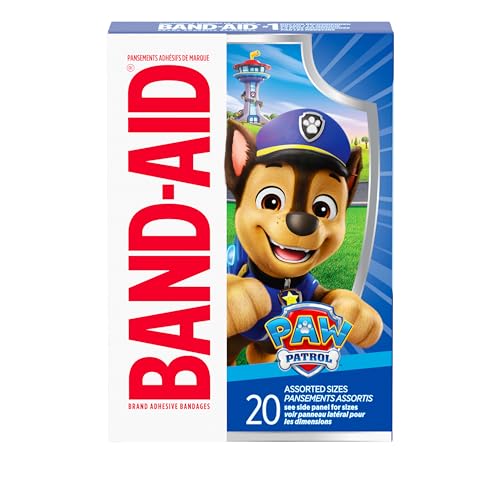
Stop paying more: At under $5, you get the most trusted brand for kids' bandages; spending more doesn't improve quality here.
When to upgrade: Need water resistance? Step up to the $9 Nexcare Tegaderm.
Mid-Range $5–$10
$5 - $10Nexcare Tegaderm Waterproof Transparent Dressing

Stop paying more: The $9 Tegaderm is the go-to for waterproof dressings; beyond this, you're paying for specialty uses.
When to upgrade: For blister-specific care, consider the $17 Promifun hydrocolloid pack.
Premium $10–$20
$10 - $20Promifun Hydrocolloid Gel Blister Bandages

Stop paying more: At $17, you're paying for advanced hydrocolloid technology that speeds healing; don't go higher unless you need specialized supplies.
When to upgrade: For tattoo aftercare, the $18 Flatoedu transparent film is a better fit.
Common Mistakes to Avoid
Using waterproof bandages on dry wounds
Sealing a dry wound with waterproof film can trap moisture and lead to maceration. Only use waterproof dressings when exposure to water is likely.
Cost of getting it wrong: Prolonged healing time and potential for infection.
Applying vet wrap directly to human open wounds
Vet wrap is not sterile and lacks a non-adherent pad. Always place a sterile gauze pad between the wrap and the wound.
Cost of getting it wrong: Risk of infection; spending a small amount on a proper sterile bandage is cheaper than a doctor visit.
Choosing the cheapest bandage without checking adhesive
Some low-cost bandages use weak adhesive that peels off within hours. Read reviews for adhesive strength; a few extra cents per bandage saves multiple reapplications.
Cost of getting it wrong: Up to $10 wasted on bandages that don't stick.
Find Your Match
What's the wound type?
Frequently Asked Questions
What's the best adhesive bandage for sensitive skin?
Look for hypoallergenic adhesives and materials like soft fabric or silicone. Band-Aid offers a range of sensitive-skin options that use gentle adhesive. Avoid plastic bandages with strong chemical glues. If irritation occurs, remove the bandage immediately and give the skin time to breathe.
How do I choose a waterproof bandage that actually stays on?
Select a transparent film dressing like Nexcare Tegaderm, which creates a seal around the wound. Ensure the skin is clean and dry before application, and press firmly around the edges. For active use, look for 'showerproof' or 'waterproof' claims verified by high review counts.
Are hydrocolloid bandages better for blisters than regular bandages?
Yes, hydrocolloid bandages are specifically designed for blisters. They cushion the area, absorb fluid, and promote faster healing by maintaining a moist environment. Regular bandages can stick to the blister and cause pain upon removal. Promifun offers a variety pack with different sizes.
Can I use vet wrap on human wounds?
Vet wrap is not sterile and is not intended for direct use on open human wounds. It can be used as a secondary wrap over a sterile pad to secure a dressing. For human cuts, always start with a sterile adhesive bandage or sterile gauze.
How often should I change a bandage?
Change the bandage daily or whenever it becomes wet, dirty, or loose. For wounds that are healing well, a fresh, clean bandage promotes a sterile environment. For blisters, leave hydrocolloid bandages in place until they start to peel on their own.
What's the difference between fabric and plastic bandages?
Fabric bandages are flexible, breathable, and conform to moving parts, making them ideal for fingers and joints. Plastic bandages are clear and water-resistant, best for short-term wear where visibility is not needed. For active use, fabric often holds better.
What size bandage do I need for a cut?
The bandage pad should be slightly larger than the wound itself. For small cuts, a standard 3/4" x 3" strip works. Larger abrasions need broader coverage, like a 2" x 4" pad. Always choose a size that allows the adhesive to stick to healthy skin around the wound.
How we wrote this guide
We analyzed 37,127 verified Amazon reviews across six top products, cross-referenced specifications, and evaluated real-world performance to build this guide. Prices update weekly from Amazon.
About this guide
Mubboo Editorial Team. Picks based on independent analysis of verified buyer reviews and manufacturer specs. Prices update weekly from Amazon.