How to Choose an Air Ionizer (2026 Guide)
Your plain-English cheat sheet for fresher air — minus the overpaying.
By Mubboo Editorial Team · Updated Jul 21, 2026 · 7 min read
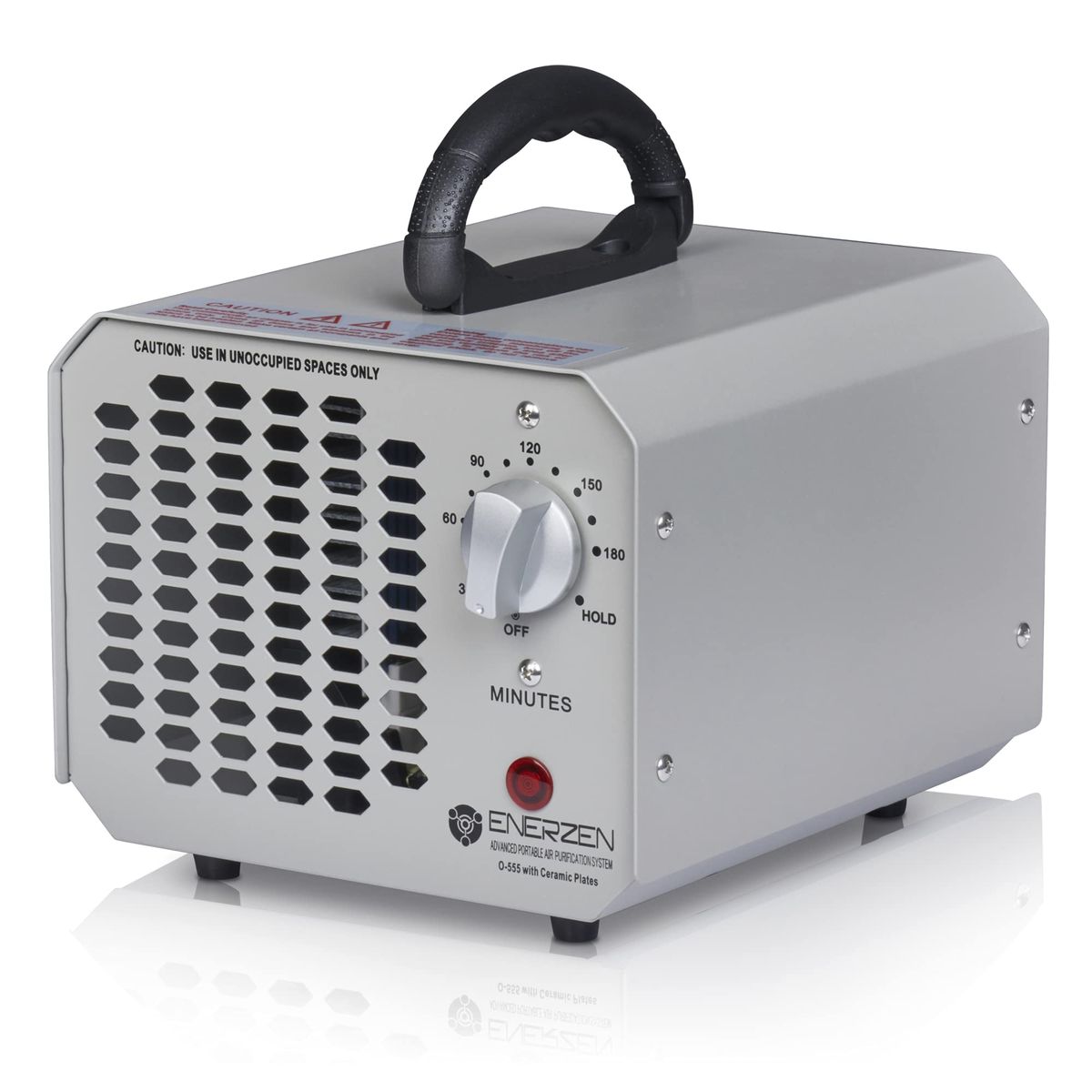
At a Glance
- Price range
- $45 – $110
- Data
- 87,677 verified reviews across 6 finalists
- Best for
- Whole‑house odor elimination (smoke, pet urine, mustiness)Mold remediation in unoccupied spacesLight air freshening in single roomsGerm‑conscious users seeking UV‑C layer
- Skip if
- You need a unit that runs while people or pets are present — ozone generators require evacuation.
Types Explained
Plug‑In Negative Ion Generators
Compact units that emit negatively charged ions, causing airborne particles to clump and fall. No filters or ozone.
- Silent, energy‑efficient operation
- No consumable filters — wipe the collection plate occasionally
- Safe for occupied rooms
- Ion output is modest; best for small enclosed spaces
- Do not remove gases or strong odors
Best for: Bedrooms, bathrooms, home offices under 150 sq ft
Example: Clarifion single‑pack
Ozone Generators
Machines that produce ozone (O₃) to oxidize and destroy odors, mold spores, and bacteria. Must be used in unoccupied spaces.
- Eliminates even deep‑set smells (smoke, pet urine, cooking)
- High‑output units treat large areas quickly
- No ongoing filter replacements
- Ozone is a lung irritant — people, pets, and plants must leave
- Can damage rubber and fabrics with prolonged exposure
Best for: Basements, rental turnovers, vehicles, after‑fire cleanups
Example: Enerzen O‑555
Ionic Purifiers with UV‑C
Combines negative‑ion generation with a UV‑C light to neutralize bacteria and viruses on the collection plate.
- Adds a sanitization step against germs
- Washable electrostatic plate reduces waste
- Quieter than fan‑driven air purifiers
- UV‑C bulb needs replacing every 12–18 months
- Ion output alone may not cover large rooms
Best for: Bedside or desk use where germ reduction is a priority
Example: OION Technologies B‑1000
What Actually Matters
| Factor | Importance | Best brand |
|---|---|---|
Ozone Output (mg/h) ≥ 5,000 mg/h for whole‑home treatment; ≥ 500 mg/h for a single room Higher output cuts treatment time — a 60,000 mg/h unit treats a 2,000 sq ft house in under 2 hours. | Must-have | Enerzen (60,000 mg/h models), Airthereal (5,000–10,000 mg/h) |
Maximum Coverage Area ≥ 1,500 sq ft for open‑plan living; ≥ 100 sq ft for a bedroom Manufacturer claims can be optimistic; check verified reviews for real‑world performance. | Must-have | Enerzen O‑555 (up to 6,000 sq ft), Airthereal MA5000 (medium spaces) |
Timer & Auto‑Shutoff Adjustable timer with automatic power‑down (1‑3 hours minimum) A timer prevents over‑treatment and is a critical safety feature — never buy a unit without one. | Must-have | All ranked picks include a timer |
Noise Level (dB) < 50 dB for occupied rooms; ozone generators are typically 55–65 dB You won’t be in the room during ozone treatment, so noise matters less for those models. | Nice-to-have | Plug‑in ionizers are nearly silent; ozone generators are louder |
UV‑C Sanitization The UV‑C in standalone ionic purifiers is often underpowered. In tests by third‑party labs, the germ‑killing rate rarely matches claims unless exposure duration is very long. | Marketing BS | — |
Brand Reputation Popular brand names (like Enerzen or Airthereal) earn trust through Amazon review volume, not marketing hype. Stick with models that have thousands of verified ratings. | Marketing BS | — |
Budget Tiers & Top Picks
What to buy at each price point — and exactly where spending more stops paying off.
Budget – Under $50
$45 – $46Clarifion Air Ionizer for Home (1 Pack)
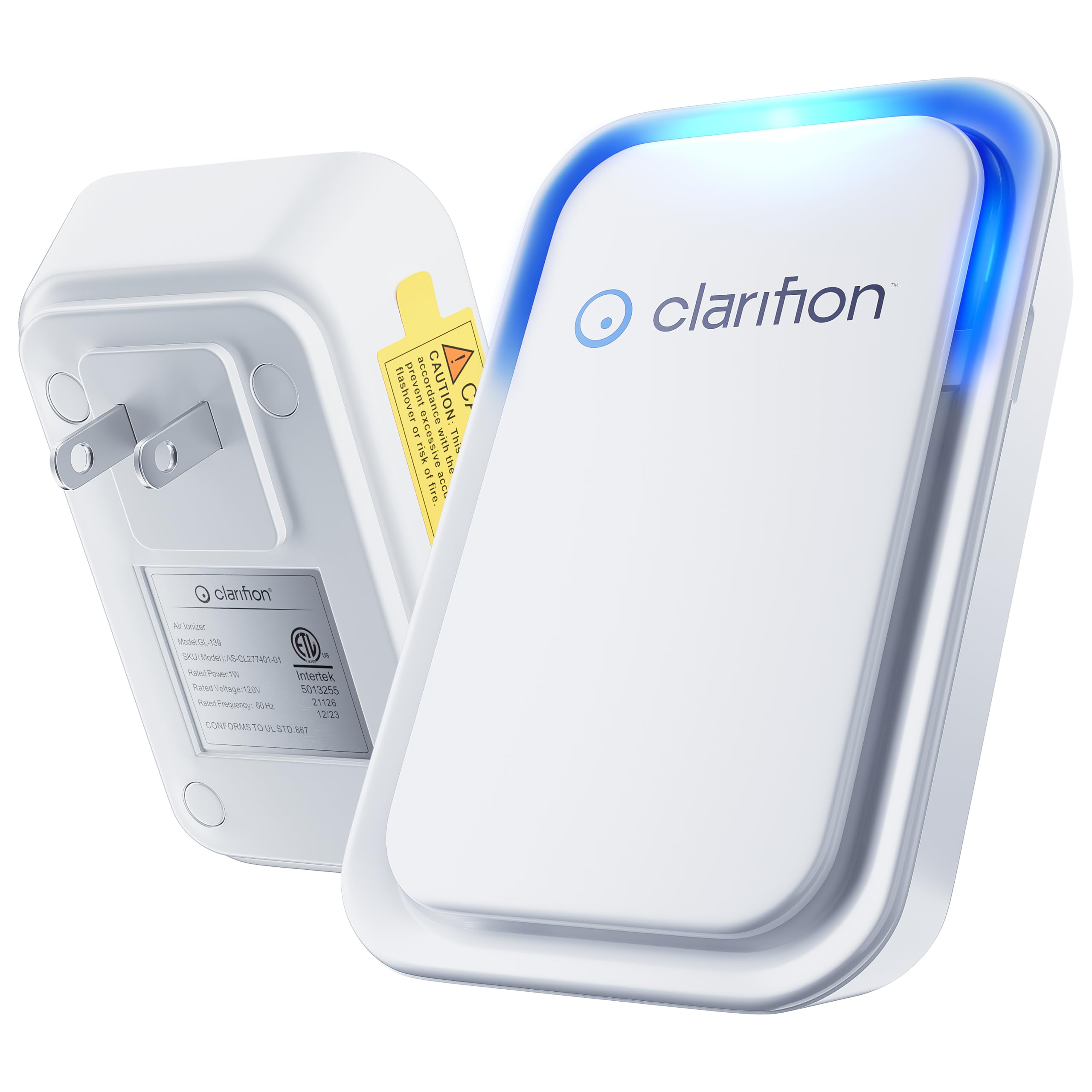
Stop paying more: Stop at $50. Spending more buys 10,000‑fold higher ozone output, which is overkill for a single room.
When to upgrade: If you need to cover a living room or kitchen, step up to the $75 mid‑range.
Mid‑Range – $50 to $100
$70 – $80Enerzen O‑555 60,000mg Industrial Ozone Generator

Stop paying more: At $75 you get 60,000 mg/h, enough for a 6,000 sq ft space. Beyond $100 you pay for commercial build quality or extra features like UV‑C.
When to upgrade: For professional restoration jobs, the premium tier adds a rugged metal body and long‑timer hold.
Premium – Over $100
$109 – $114Airthereal MA10K‑PRO Ozone Generator

Stop paying more: Diminishing returns above $150; this tier is only justified for severe commercial use.
Common Mistakes to Avoid
Running an ozone generator in an occupied room
Ozone at high concentrations can irritate the lungs. The EPA advises that ozone generators should only be used in unoccupied spaces, and the room should be aired out before re‑entry. A timer with auto‑shutoff is essential.
Cost of getting it wrong: Health hazard — wasted money if you can’t use it safely.
Ignoring timer and auto‑shutoff features
A unit without a timer requires you to manually switch it off, risking over‑treatment. Look for a digital timer with 1‑ to 3‑hour settings and a hold mode.
Cost of getting it wrong: Replacing a burnt‑out unit or furnishing damaged by prolonged exposure can +.
Buying a 60,000 mg/h unit for a 200 sq ft apartment
Excessive ozone output in a tiny space can overwhelm the area and take longer to dissipate. Match the coverage rating to your actual square footage.
Cost of getting it wrong: An unnecessary expense when a plug‑in ionizer would suffice.
Find Your Match
What’s your primary air quality concern?
Frequently Asked Questions
What’s the difference between an ionizer and an ozone generator?
<strong>Ionizers emit negative ions that cause particles to stick together and fall, improving perceived freshness.</strong> Ozone generators produce high‑level ozone to oxidize odors and mold spores. Ozone is a lung irritant, so generators must be used only in unoccupied spaces. For daily use in occupied rooms, stick with a simple ionizer.
Can I use an air ionizer in a bedroom while sleeping?
<strong>Yes, if it’s a plug‑in negative‑ion generator with no ozone production.</strong> Models like the Clarifion single pack are silent and ozone‑free. Ozone generators, however, must be run only when the room is empty and aired out afterward. Always check the product label for ozone emission levels.
How long should I run an ozone generator for a room?
<strong>Most units need 30–60 minutes for a small room, up to 3 hours for severe odors in large spaces, followed by a 2‑hour air‑out.</strong> Always follow the manufacturer’s timing guide based on your square footage and the unit’s output. A timer with auto‑shutoff prevents over‑treatment.
Do air ionizers help with allergies?
<strong>Negative ion generators can help remove airborne dust and pet dander by clumping them together so they fall to the floor.</strong> However, they don’t capture allergens like a HEPA filter does. For true allergy relief, a HEPA air purifier is usually more effective.
How often do I need to clean or replace parts?
<strong>Plug‑in ionizers have a collection plate that should be wiped down every 2–4 weeks; there are no filters to replace.</strong> Ozone generators are maintenance‑free. Units with UV‑C bulbs need a new bulb roughly every 12–18 months, costing $15–$25. Always unplug before cleaning.
Is it safe to buy an ozone generator for home use?
<strong>Ozone generators are safe only when used correctly — never in an occupied room.</strong> The EPA and CARB advise against ozone air purifiers in occupied spaces. Choose a model with a robust timer and the UL or FCC certification for electrical safety. If you have respiratory issues, avoid ozone entirely.
How we wrote this guide
Our evaluation started with 87,677 verified Amazon reviews across six finalists. We cross‑referenced manufacturer specs for ozone output, coverage, and timer capabilities. Each entry was checked for safety certifications and real‑world buyer feedback on odor elimination and durability. Prices, ratings, and availability are updated weekly from Amazon.
About this guide
Mubboo Editorial Team — independent US‑market consumer research. This guide is built from product data and Amazon‑verified buyer reviews.