How to Choose the Right Amino Acid Supplement (2026 Guide)
Backed by 264,000+ Amazon reviews and expert video research — find the best amino acid for muscle, mood, or gut
By Mubboo Editorial Team · Updated Jul 21, 2026 · 7 min read
At a Glance
- Price range
- $6.92 – $27.99
- Data
- 264,073+ verified Amazon reviews analyzed across 6 top amino acid supplements.
- Best for
- Building muscle strengthStress and moodHeart and circulationImmune and skin healthLiver detoxGut health and recovery
- Skip if
- You only need a general multivitamin — amino acid supplements are for specific targeted needs.
Types Explained
Muscle & Strength Amino Acids
Amino acids like creatine that support muscle energy, power, and strength, ideal for athletes and gym-goers.
- Clinically researched for strength gains
- Often in powdered form for easy dosing
- Generally affordable per serving
- May cause bloating or water retention
- Requires consistent daily intake for best results
Best for: Strength training, sprinting, muscle building
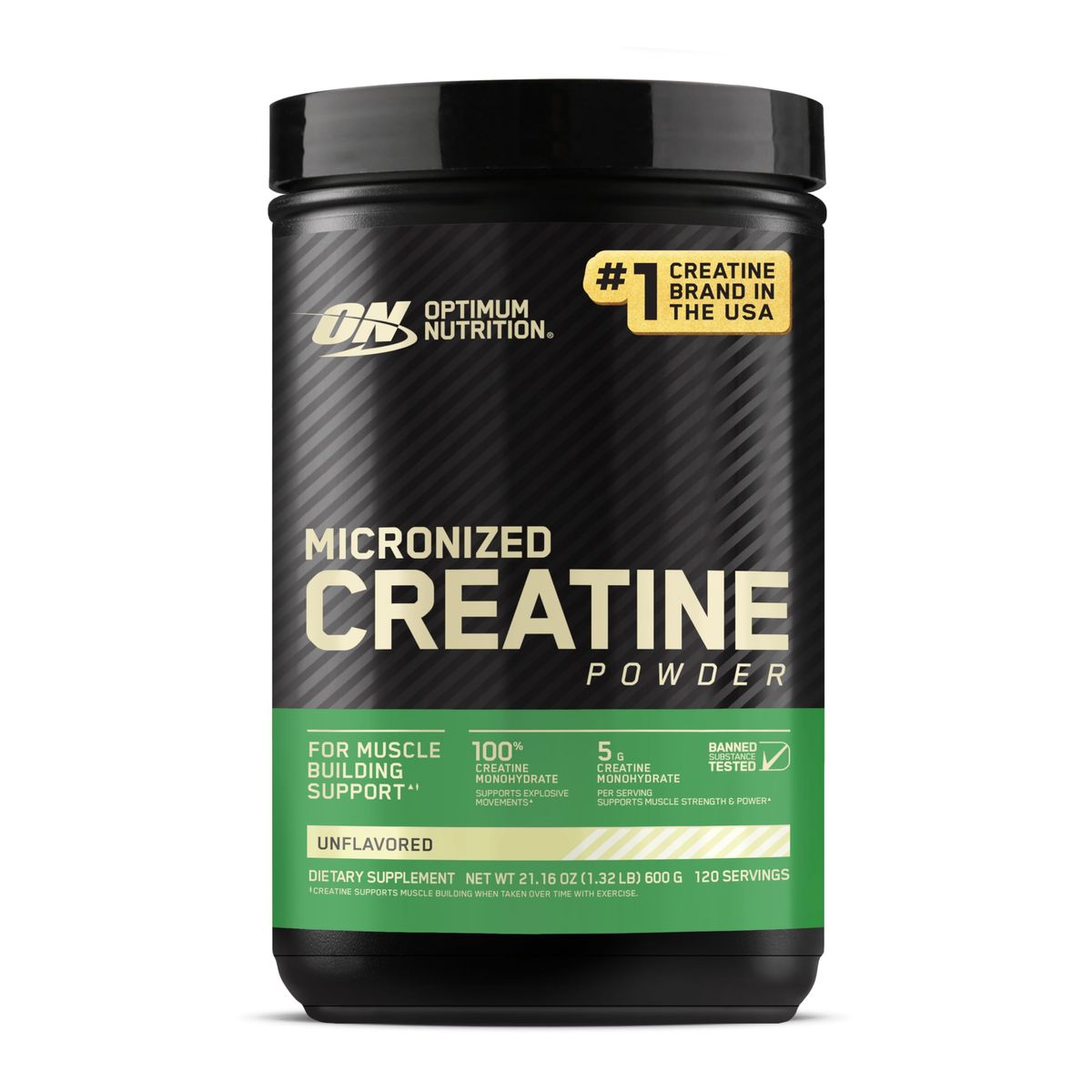
Example: Optimum Nutrition Creatine (from $27.99)
Stress & Relaxation Amino Acids
Amino acids like L-theanine that promote relaxation and focused calm without drowsiness, typically taken for anxiety or sleep support.
- Non-drowsy calm
- May improve focus when combined with caffeine
- Vegetarian-friendly capsules common
- Effects can be subtle
- Not for muscle building
Best for: Work anxiety, focus, jittery caffeine users
Example: Nature's Trove L-Theanine 200mg (from $9.98)
Gut Health & Recovery Amino Acids
Glutamine is the most abundant amino acid in the body, crucial for intestinal lining repair and muscle recovery after intense exercise.
- Supports intestinal permeability (leaky gut)
- Helps reduce muscle soreness
- Large tubs offer 100+ servings
- Unflavored powder needs mixing
- Can clump in humidity
Best for: Digestive issues, post-surgery recovery, hard-training athletes
Example: Nutricost L-Glutamine Powder (from $22.95)
Antioxidant & Detox Amino Acids
N-acetylcysteine (NAC) is a precursor to glutathione, the body's master antioxidant, used for liver health, respiratory support, and detoxification.
- Stimulates natural antioxidant production
- May thin mucus and support lung function
- Often paired with selenium for added benefits
- Requires daily dosing for cumulative effect
- Not suitable for people with sulfur sensitivity
Best for: Liver support, chronic respiratory conditions, aging defense
Example: NOW Foods NAC 600 mg with Selenium (from $9.80)
What Actually Matters
| Factor | Importance | Best brand |
|---|---|---|
Third-party purity testing Look for NSF, USP, or Informed-Choice certifications Without testing, you may be ingesting heavy metals or contaminants. Reputable brands publish lab results. | Must-have | Optimum Nutrition (tested for purity and label accuracy) |
Dosage per serving Creatine: ≥ 5g; L-Theanine: ≥ 200mg; Lysine: ≥ 1000mg; NAC: ≥ 600mg Check the amount of active ingredient, not just total powder weight. Some blends use fillers that reduce effective dose. | Must-have | NOW Foods (accurate label claims verified by reviews) |
Form: capsule vs powder Powder is more cost-effective per gram; capsules are convenient for travel. If you're taking multiple grams daily, powder saves money. For occasional use, capsules are easier. | Nice-to-have | Nutricost (powder) / Nature's Trove (capsules) |
Price per serving Less than $0.25 per effective dose Calculate cost per clinically effective dose, not per container. A cheap tub with a low dose per scoop may actually be expensive. | Nice-to-have | NOW Foods L-Lysine (/serving) |
Brand reputation and review count ≥ 4,000 verified reviews and 4.2+ stars Trusted brands with thousands of reviews are generally safer bets than obscure newcomers. | Nice-to-have | Optimum Nutrition (104k+ reviews) |
Proprietary blends with hidden amounts Avoid blends that don't disclose individual amino acid amounts — you might be getting trace amounts instead of therapeutic doses. | Marketing BS | — |
Budget Tiers & Top Picks
What to buy at each price point — and exactly where spending more stops paying off.
Budget (< $10)
$6.92 – $9.98NOW Foods L-Lysine 1000 mg Double Strength

Stop paying more: Stop at $10. The $7 NOW Lysine provides effective immune support, and spending more in this tier gets you only marginal extras or smaller quantities.
When to upgrade: If you need a multi-purpose amino acid or larger supply, step up to mid-tier options like glutamine powder for gut health at $23.
Mid-Range ($10 – $25)
$9.80 – $24.99Nutricost L-Glutamine Powder (500 Grams)
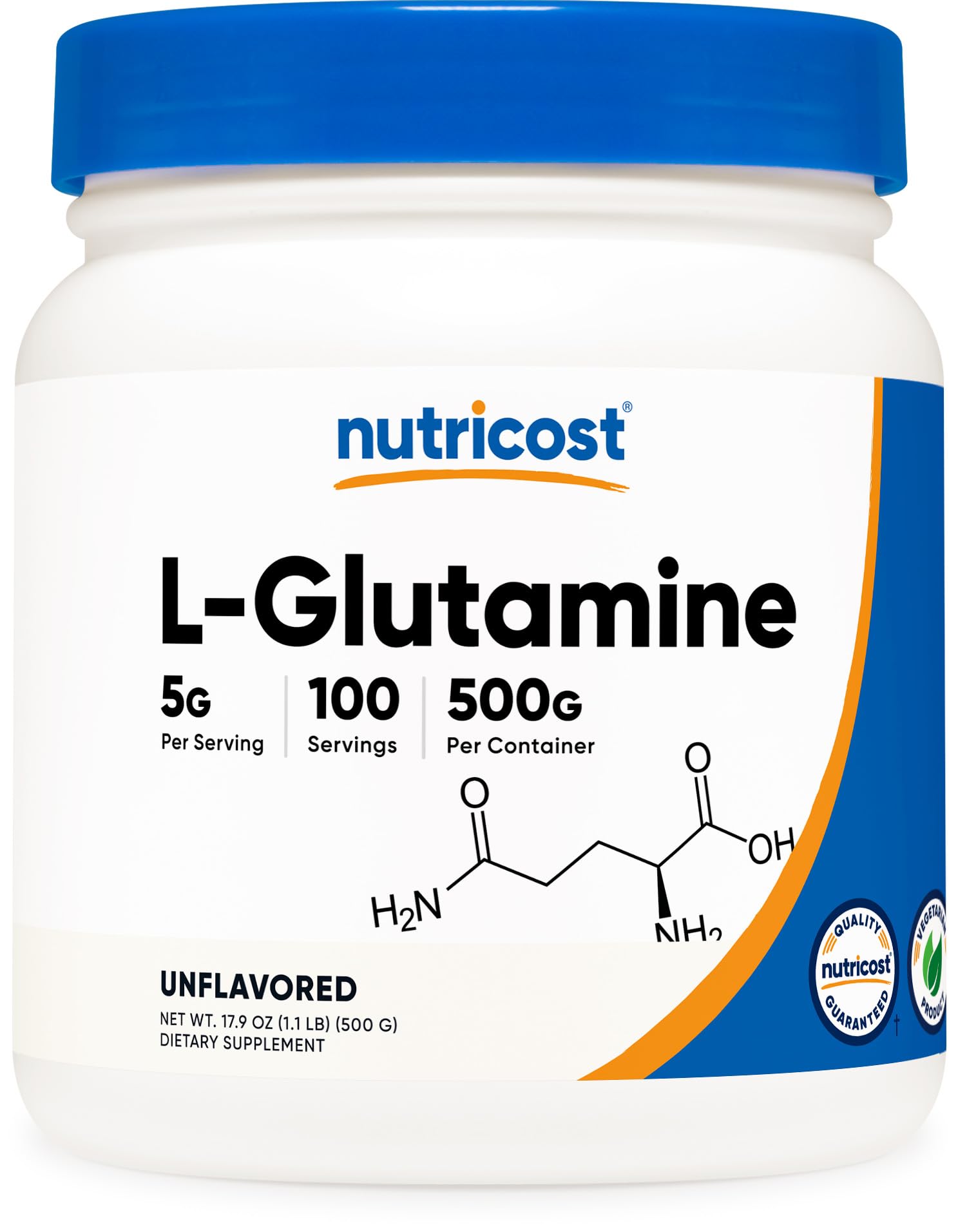
Stop paying more: Stop around $25. Glutamine powder offers 100+ servings, and most single-amino powders max out here. You're getting excellent value per gram.
When to upgrade: For the most researched muscle-building supplement, step up to premium for pure creatine monohydrate at around $28.
Premium ($25+)
$25.00 – $27.99Optimum Nutrition Creatine Monohydrate Powder

Stop paying more: Stop at $30. Creatine monohydrate is the best-studied fitness supplement, and spending more on fancy forms like creatine HCl or ethyl ester rarely provides extra benefits.
When to upgrade: No need to upgrade further; instead, combine with budget options like lysine or theanine for a custom stack that covers multiple goals.
Common Mistakes to Avoid
Taking amino acids without a specific goal
Buying a random amino acid blend because it sounds healthy wastes money. Different supplements target different systems: creatine for power, glutamine for gut, lysine for skin.
Overpaying for capsules when powder is available
Capsules are convenient but often cost 2–3x more per gram of active ingredient. For supplements like glutamine or creatine where you take grams daily, powder is the smarter buy.
Falling for 'proprietary amino acid blends' with hidden amounts
Blends that list 'Amino Acid Complex 1000 mg' without specifying individual amounts may contain mostly cheap filler like glycine or alanine, not the effective compound you need.
Inconsistent dosing
Many amino acids need daily intake to build up effects — skipping doses reduces benefits. This is especially true for glutamine's gut repair and NAC's antioxidant support.
Find Your Match
What's your main goal?
Frequently Asked Questions
How do I choose the right amino acid supplement?
Start with your health goal. For muscle, choose creatine. For calm, L-theanine. For gut repair, glutamine. For immunity, lysine. For detox, NAC. Then pick a form (powder for value, capsules for convenience) and a reputable brand with thousands of reviews.
How much should I spend on amino acid supplements?
Most effective single-amino supplements cost $6–$28 per container. Budget picks like lysine offer great immune support; premium creatine is worth it for athletes. Spending more than monthly on a single amino acid is rarely necessary unless buying in bulk.
What should I avoid when buying amino acid supplements?
Avoid proprietary blends that don’t disclose exact amounts — you may be getting filler. Skip brands without third-party testing. Don’t buy amino acids you don’t need; a general multivitamin is enough if you eat a balanced diet, unless you have a specific deficiency or goal.
Are there any side effects to taking amino acid supplements?
Common side effects include digestive upset (creatine can cause bloating, glutamine may cause gas). NAC can trigger sulfur-smelling gas. L-theanine is generally well-tolerated. Always start with the lowest effective dose and consult a doctor if you take medication or have liver/kidney issues.
Can I take multiple amino acid supplements together?
Yes, many people combine, for example, creatine for strength and L-theanine for focus. However, avoid blending too many without clear purpose — they may compete for absorption. For gut health, glutamine is often taken separately from meals. Check for overlapping ingredients.
How long does it take to see results from amino acid supplements?
Creatine may boost strength within a week of loading, though full saturation takes a month. L-theanine's calm effect can be noticed within 30-60 minutes. Glutamine and NAC require consistent daily use for 2-4 weeks to build up benefits. Lysine for skin may take weeks to show.
Are amino acid supplements regulated by the FDA?
The FDA does not review supplements for safety and effectiveness before they're sold. That's why third-party testing from NSF or USP is important. Look for brands that voluntarily test for purity and label accuracy.
How we wrote this guide
Our team analyzed over 264,000 verified Amazon reviews, cross-referenced product specifications, and watched video breakdowns from health experts like Doctor Youn to select the top amino acid supplements for different goals.
About this guide
Mubboo Editorial Team — picks are based on analysis of 264,000+ verified buyer reviews, product specifications, and video research. No affiliate partnerships influence our recommendations.