The Antioxidant Guide That Cuts Through the Noise — What Works and What’s Waste
From CoQ10 to Alpha Lipoic Acid, Here’s How to Pick the Right Supplement for Your Health
By Mubboo Editorial Team · Updated Jul 21, 2026 · 7 min read
At a Glance
- Price range
- $9.74 – $54.60
- Budget pick
- Puritan's Pride CoQ10 100mg ($9.74 · 4.7★)
- Data
- 238,824+ verified reviews across 6 top antioxidants
- Best for
- Overall antioxidant supportBrain healthHeart healthEye healthImmune healthBudget-conscious buyers
- Skip if
- You're expecting a miracle cure — antioxidants support health but aren't a substitute for a balanced diet and exercise.
Types Explained
Alpha Lipoic Acid (ALA)
A potent antioxidant that works in both water and fat, supporting energy production and nerve health.
- Broad-spectrum antioxidant activity
- Supports blood sugar management
- Available in high potencies (600mg)
- May cause stomach upset
- Can interact with medications
Best for: General antioxidant seekers, diabetics
Example: Nutricost Alpha Lipoic Acid 600mg
CoQ10 (Ubiquinone / Ubiquinol)
An enzyme found in every cell, crucial for energy production and heart health.
- Essential for heart function
- Supports exercise performance
- Widely studied
- May interact with blood thinners
- Absorption varies by formulation
Best for: Heart health, statin users, those over 40
Example: Qunol Ultra CoQ10 100mg
Colloidal Silver / Immune Support
A suspension of silver particles that may support immune health.
- Highly rated for immune support
- Affordable
- Controversial efficacy
- Risk of argyria if overused
Best for: Short-term immune boost
Example: Sovereign Silver Bio-Active Silver Hydrosol
Eye Health (Lutein / Zeaxanthin)
Carotenoids that protect the eyes from blue light and oxidative stress, especially for aging.
- Targeted for macular health
- Gentle on stomach
- Not a broad antioxidant
- Benefits only for eye-related
Best for: Adults 50+, screen-heavy users
Example: Ocuvite 50+ Eye Supplement
Nootropic / Cognitive Blends
Combinations of antioxidants with other brain-boosting compounds for mental clarity.
- Multi-ingredient synergy
- May improve focus and memory
- Higher cost
- Blends may hide underdosed ingredients
Best for: Cognitive enhancement, students
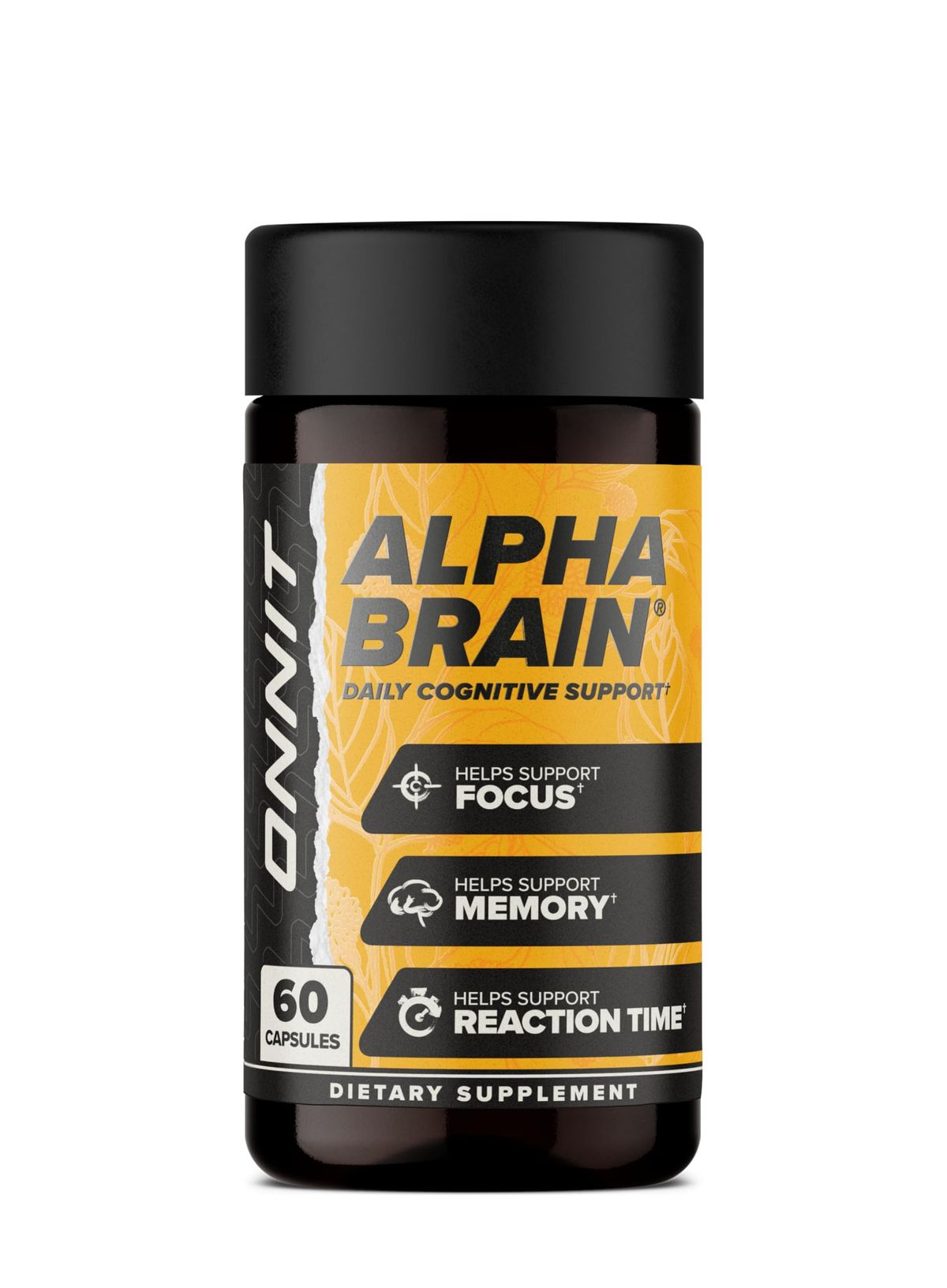
Example: ONNIT Alpha Brain
What Actually Matters
| Factor | Importance | Best brand |
|---|---|---|
Antioxidant Type Match the type to your goal: CoQ10 for heart, ALA for general, lutein for eyes. Don’t buy a general multi‑antioxidant if you need targeted support. As YouTube dermatologists note, vitamin C and resveratrol are great for skin, but for internal health, targeted forms like ALA or CoQ10 may be more impactful. | Must-have | Qunol (CoQ10) or Nutricost (ALA) |
Dosage 100mg CoQ10, 600mg ALA, 10mg lutein — follow clinical research. Underdosed supplements won’t deliver benefits, and overdosing may increase side effects. | Must-have | Nutricost (600mg ALA) or Puritan’s Pride (100mg CoQ10) |
Third-Party Testing Look for USP, NSF, or ConsumerLab verification. Since the FDA doesn’t pre‑approve supplements, independent testing ensures purity and potency. | Must-have | Qunol (often third‑party tested) |
Form (Capsule vs. Liquid vs. Softgel) Liquids may absorb faster; softgels often improve CoQ10 uptake. Personal preference and absorption factors matter — liquids for immediate effect, capsules for convenience. | Nice-to-have | Qunol (proprietary absorption) |
Brand Reputation and Reviews ≥4.0 rating and thousands of reviews. A high volume of consistent positive reviews reduces the chance of a bad batch. Avoid brands with few reviews or mixed reports on side effects. | Must-have | Sovereign Silver (46K reviews, 4.7) |
Price Per Serving Budget CoQ10 can be under $0.10/serving; premium cognitive blends run over $0.50/serving. Calculate cost per day, not just bottle price — especially for daily use. | Must-have | Puritan’s Pride CoQ10 (excellent value) |
Fillers & Additives Avoid maltodextrin, artificial colors, and unnecessary binders if sensitive. Check the label; some brands use fillers that cause digestive issues for sensitive individuals. | Nice-to-have | ONNIT (clean label) |
Synergistic Ingredients Combining antioxidants with other nutrients can enhance effect; e.g., CoQ10 with vitamin E. Blends can be convenient, but ensure each ingredient is at a therapeutic dose. | Nice-to-have | ONNIT (blend) |
Brand Premium Paying more for a celebrity‑endorsed brand doesn’t equal better results. Generic store brands often contain the same active ingredients. | Marketing BS | — |
UV Sterilization / Special Purity Claims Claims of ‘bio‑energized’ or ‘laser‑enhanced’ antioxidants are marketing fluff. Stick to established manufacturing standards. | Marketing BS | — |
Budget Tiers & Top Picks
What to buy at each price point — and exactly where spending more stops paying off.
Under $20
$9.74 – $19.99Puritan's Pride CoQ10 100mg
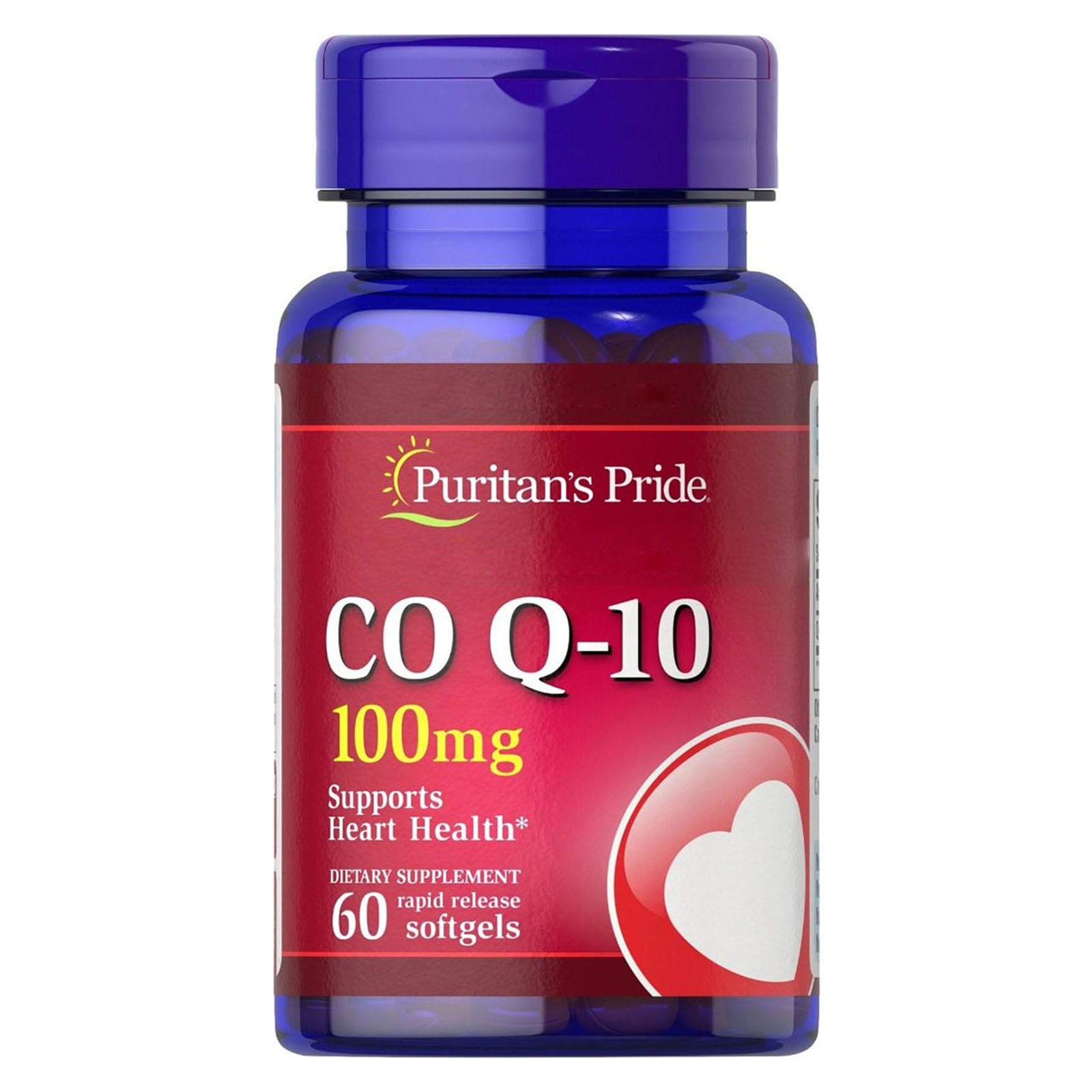
Stop paying more: Don’t spend more than $15 in this tier; the Puritan’s Pride CoQ10 at $9.74 delivers 100mg with high ratings. Paying extra gets you the same active ingredient with no proven benefit.
When to upgrade: If you want better absorption or ubiquinol form, step up to the $30‑$35 range for Qunol.
Mid‑Range ($20 – $35)
$23.47 – $34.98Nutricost Alpha Lipoic Acid 600mg

Stop paying more: The best value for a pure, high‑dose antioxidant. Nutricost delivers 600mg ALA, meeting clinical recommendations, for under $25. Spending more in the mid‑range usually buys a combination formula or brand premium, not more ALA.
When to upgrade: If you need heart‑specific support, consider a CoQ10 like Qunol for better absorption.
Premium ($40 – $55)
$54.60ONNIT Alpha Brain Nootropic
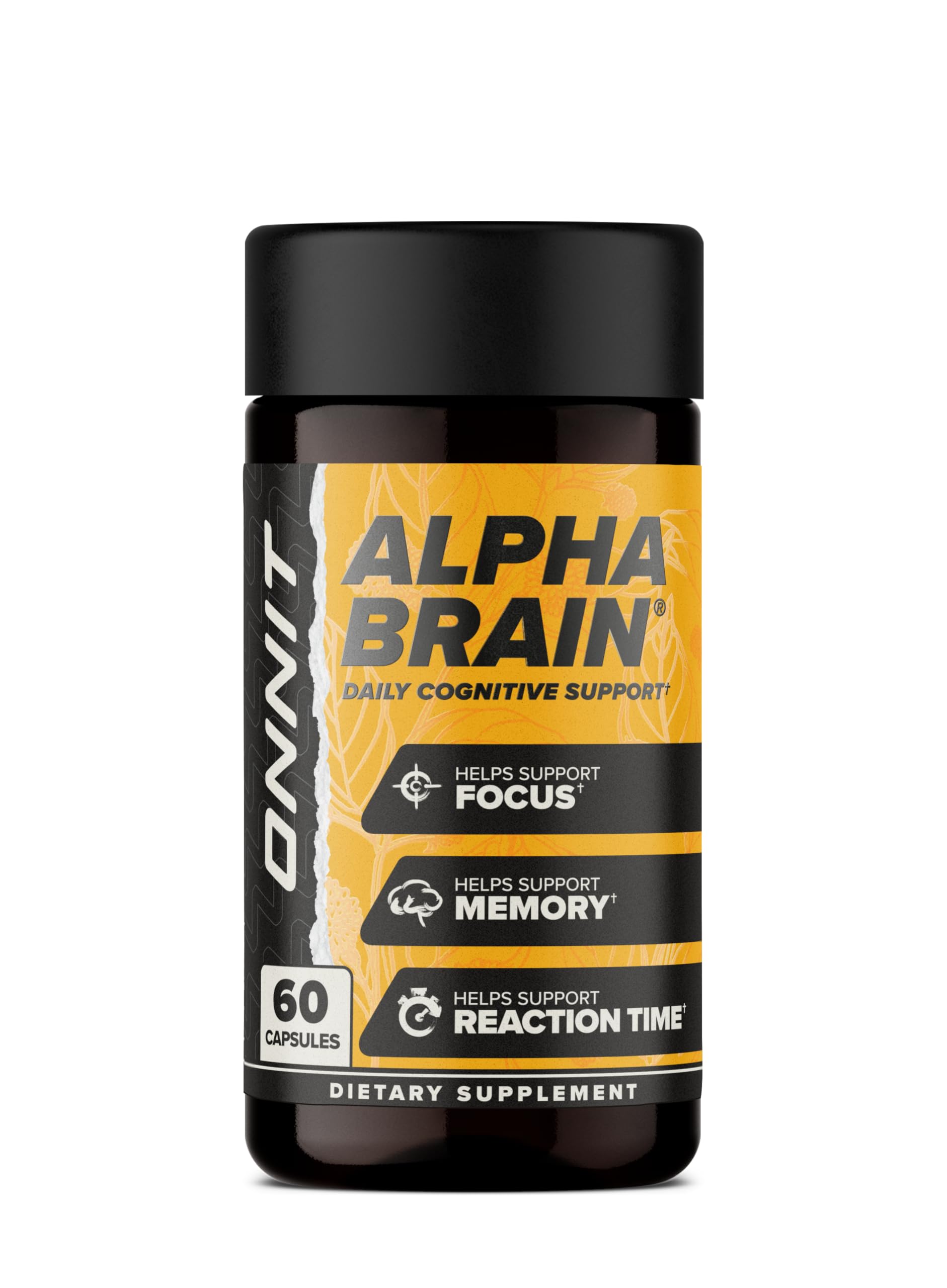
Stop paying more: For targeted brain health, ONNIT’s formula combines ALA with other nootropics. At $54.60, it’s an investment, but with 72,969 reviews it’s the most popular in this category. Don’t spend more than this — anything higher is marketing.
Common Mistakes to Avoid
Buying a proprietary blend without knowing individual dosages
Blends often show a ‘brain health complex’ but hide the amounts of each ingredient. You might get a sprinkle of effective antioxidants and lots of filler.
Cost of getting it wrong: Spending + on a supplement that underdoses key ingredients.
Ignoring absorption factors
Standard CoQ10 (ubiquinone) is poorly absorbed by some. Choosing a ubiquinol form or a product with proven absorption like Qunol can make a 3x difference.
Cost of getting it wrong: Wasting $10‑$30 per month on a form your body can’t absorb effectively.
Assuming more expensive means better quality
Premium price tags often reflect marketing, not superior ingredients. A Puritan’s Pride CoQ10 with 4.7 stars is just as effective as a brand.
Cost of getting it wrong: Overspending by $20‑$40 per month for the same active ingredient.
Not checking for common allergens or dietary preferences
Softgels often contain gelatin (not vegetarian). Some brands use soy or gluten in fillers. Always check ‘Other Ingredients’ if you have restrictions.
Cost of getting it wrong: Having to buy a second bottle after discovering the first is unsuitable.
Taking antioxidants on an empty stomach
Many antioxidants are fat‑soluble and need dietary fat for absorption. Taking them with a meal boosts effectiveness and reduces stomach upset.
Cost of getting it wrong: Reduced benefit leading to ineffective supplementation.
Find Your Match
What's your primary health goal?
Frequently Asked Questions
What's the best antioxidant for heart health?
Research supports 100–200 mg daily, especially if you take statins. Look for ubiquinone or ubiquinol in a readily absorbable form like softgels.
How much should I spend on an antioxidant supplement?
You can get a quality daily antioxidant for as little as /month, while specialized blends run +. Focus on cost per serving and third‑party testing rather than price alone.
Are expensive antioxidant blends worth the extra cost?
For targeted needs like cognitive support, a well‑formulated blend can be worth it if it contains researched dosages. For general health, a single‑ingredient supplement at a lower price is often sufficient.
What should I avoid when buying antioxidant supplements?
Steer clear of proprietary blends that hide individual ingredient amounts, products with unnecessary fillers or artificial colors, and supplements making exaggerated claims.
Do I need to take antioxidants with food?
Yes, many antioxidants are fat‑soluble, so taking them with a meal containing healthy fats can improve absorption and reduce stomach upset.
Can I get enough antioxidants from diet alone?
A diet rich in colorful fruits and vegetables provides many antioxidants.
How we wrote this guide
We synthesized 238,000+ verified Amazon reviews, manufacturer specifications, and insights from dermatologists on YouTube to identify what matters in antioxidant supplements. Our picks reflect a balance of clinical evidence, customer satisfaction, and value per serving.
About this guide
Mubboo Editorial Team — synthesizing product data and buyer insights for unbiased US shopping guides. Prices update weekly from Amazon.