Aquarium Accessories Buying Guide: What Actually Matters
From water conditioners to air pumps, the essentials for a clean, thriving aquarium without overpaying.
By Mubboo Editorial Team · Updated Aug 7, 2026 · 9 min read
At a Glance
- Price range
- $8.48 – $35.98
- Data
- 209,941 verified reviews across 6 essential products
- Best for
- New aquarium ownersBudget-minded aquaristsPlanted tank enthusiastsCommunity tank keepers
- Skip if
- You only have a betta in a 1-gallon bowl — a simple water change is enough.
Types Explained
Air Pumps
Devices that supply oxygen and circulation.
- Essential for gas exchange
- Prevents stagnant water
- Available for various tank sizes
- Can be noisy
- Tubing can be stiff
Best for: Tanks with low surface agitation or high fish loads
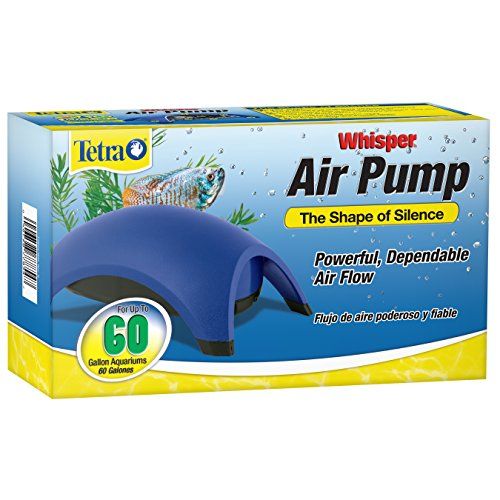
Example: Tetra Whisper 40-60 Gallon
Water Conditioners
Chemicals that neutralize chlorine, chloramine, and ammonia.
- Makes tap water safe instantly
- Some detoxify ammonia
- Concentrated formulas last long
- Overdosing can harm fish
- Sulfurous smell in some
Best for: Every aquarium with dechlorinated tap water
Example: Seachem Prime 500 mL
Test Kits
Kits for measuring water parameters like pH, ammonia, nitrite, nitrate.
- Prevent toxic spikes
- Essential for cycling new tanks
- Accurate liquid tests
- Requires color matching
- Does not test all parameters
Best for: New tanks and routine monitoring
Example: API Freshwater Master Test Kit
Replacement Cartridges
Filter media for specific brands.
- Easy to swap
- Maintains filter efficiency
- Frequent replacement needed
- Single brand compatibility
Best for: Marineland Penguin filter owners
Example: Marineland Rite-Size C Cartridges
What Actually Matters
| Factor | Importance | Best brand |
|---|---|---|
Tank Size Compatibility Match pump rating to tank gallons An oversized air pump creates excess current; undersized leaves the tank under-aerated. | Must-have | Tetra |
Water Conditioner Type Must neutralize chlorine and chloramine Basic dechlorinators are enough for established tanks; ammonia-detoxifying conditioners are safer for new setups. | Must-have | Seachem |
Test Kit Accuracy Liquid reagent tests > strips Strips are convenient but less precise; liquid kits like the API Master Kit are the standard for critical measurements. | Must-have | API |
Noise Level Look for pumps with suspended motors or sound-dampening designs Not a dealbreaker for most, but critical for bedside or living room tanks. | Nice-to-have | Higger |
Filter Cartridge Cost Compare long-term replacement costs Cartridges must be replaced every 2-4 weeks; factor in the ongoing cost. | Nice-to-have | Marineland |
Brand Prestige Paying 30–50% more for a recognizable logo often offers no practical benefit beyond the name. Many top-rated generic air pumps and conditioners perform identically. | Marketing BS | — |
Budget Tiers & Top Picks
What to buy at each price point — and exactly where spending more stops paying off.
Budget
Under $15API TAP WATER CONDITIONER 16-Ounce

Stop paying more: Spending more than $15 on a water conditioner yields diminishing returns unless you specifically need ammonia detoxification or stress coat additives.
When to upgrade: Upgrade to Seachem Prime for its broader detoxifying properties or API Stress Coat for added fish health benefits.
Mid-Range
$15 – $30Seachem Prime 500 mL

Stop paying more: At around $17, Seachem Prime provides the best value per dose; spending more on a conditioner offers no extra benefit.
When to upgrade: If you have a large number of tanks or a fish room, consider buying the 2-liter size for even better economy.
Premium
$30 – $50API Freshwater Master Test Kit

Stop paying more: Spending more than $50 on a test kit is unnecessary for most hobbyists; the API Master Kit covers all essential parameters.
When to upgrade: If you need to test for phosphate or hardness, consider adding the API GH & KH Test Kit or the API Phosphate Test Kit.
Common Mistakes to Avoid
Skipping water conditioner
Adding untreated tap water introduces chlorine and chloramine, which kill beneficial bacteria and burn fish gills.
Cost of getting it wrong: Can lead to loss of fish and having to restart the tank cycle, costing a substantial sum in replacement fish and chemicals.
Using cheap air pumps
Low-quality pumps often fail within months, are noisy, and lack airflow adjustment.
Cost of getting it wrong: Replacing a failed pump can cost $15–$30, plus potential fish loss from oxygen depletion.
Not cycling the tank before adding fish
Adding fish without establishing the nitrogen cycle causes toxic ammonia and nitrite spikes.
Cost of getting it wrong: Fish loss within the first month can easily waste $50–$100 in livestock.
Buying incompatible filter cartridges
Filter cartridges are brand-specific; using the wrong size leads to bypass and dirty water.
Cost of getting it wrong: Wasted money on unusable cartridges ($10–$20) and the need to buy the correct ones.
Find Your Match
What's your biggest challenge?
Frequently Asked Questions
What's the most important aquarium accessory for a new tank?
A quality water conditioner like Seachem Prime or API Tap Water Conditioner. It instantly neutralizes chlorine and chloramine, making tap water safe for fish. For a new tank, also invest in a test kit to monitor the nitrogen cycle. Skipping these is the fastest way to lose fish.
How much should I budget for essential aquarium accessories?
You can outfit a 20-gallon starter tank with essentials for under $50: a water conditioner (budget), a basic air pump (mid-priced), and a test kit (premium). Avoid cheap air pumps that fail and noisy models. Prioritize a reliable heater if you keep tropical fish.
What should I avoid when buying aquarium accessories for the first time?
Don't buy the cheapest air pump you find; many are loud and fail quickly. Skip test strips for critical parameters; liquid kits are more accurate. Avoid unnecessary “quick-start” products without understanding the nitrogen cycle.
How often should I replace filter cartridges?
Most manufacturer recommendations suggest every 2–4 weeks. However, seasoned aquarists often extend the life by rinsing cartridges gently in dechlorinated water to preserve beneficial bacteria. Replace only when the cartridge starts to fall apart or flow reduces.
Can I use any water conditioner for my aquarium?
Almost all conditioners remove chlorine and chloramine. If your tap water has ammonia, choose a conditioner that detoxifies it, like Seachem Prime. For stressed fish, API Stress Coat adds aloe vera to help heal. Match the conditioner to your water needs.
Are expensive air pumps worth it?
Not usually. The Tetra Whisper is a classic reliable pump for under $30. High-end pumps may offer quieter operation or more airflow, but for most home aquariums up to 60 gallons, a mid-range pump provides all the aeration you need.
How does Mubboo make money?
We earn a small commission when you buy through our links, at no extra cost to you. Our reviews are based on product data, verified buyer reviews, and expert analysis; commissions never influence picks.
How we wrote this guide
Synthesized from 209,941 verified Amazon buyer reviews, 3 independent video reviews from YouTube channels like Rank On Top and PetLabs, and manufacturer specifications. We focused on reliability, performance, and value for US aquarists across tank sizes and budgets.
About this guide
Mubboo Editorial Team. Picks based on analysis of 209,941 verified reviews and cross-referenced video evaluations. Prices update weekly from major US retailers.