Baby Bouncers Buying Guide 2026: How to Choose Without Overpaying
Parent-tested advice for finding the right bouncer, jumper, or rocker
By Mubboo Editorial Team · Updated May 27, 2026 · 9 min read
At a Glance
- Price range
- $30 – $140
- Data
- Researched across 6 top bouncers and 123,000+ verified buyer reviews, plus expert evaluations from Wirecutter and Consumer Reports.
- Best for
- Small apartmentsMulti-level homesMusic-loving babiesBudget-conscious families
- Skip if
- You only need a newborn bouncer — bouncers have a limited lifespan; consider a convertible instead.
Types Explained
Activity Center Jumpers
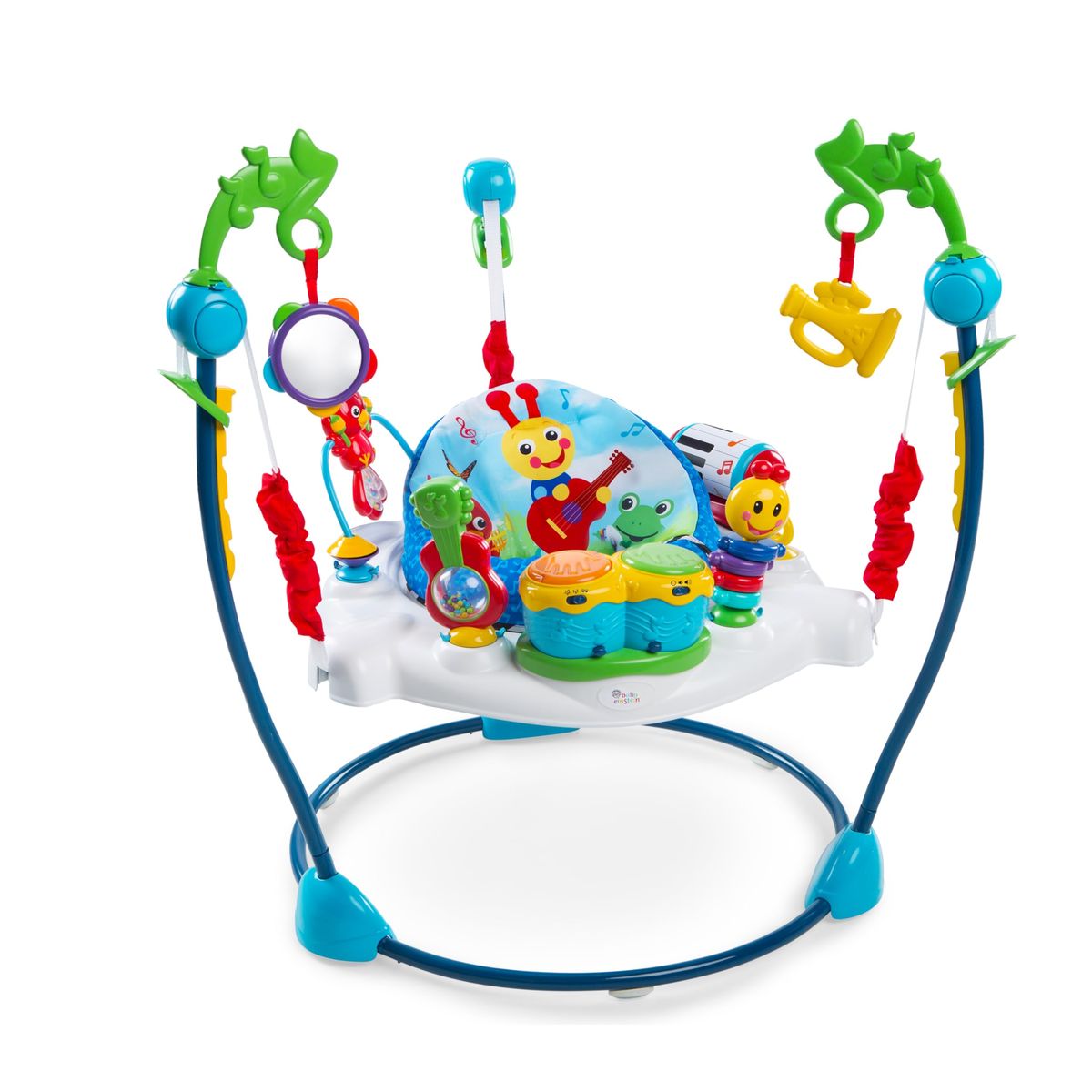
Stationary frames with a rotating seat surrounded by toys. Baby bounces by pushing off the floor.
- 360-degree access to toys
- Adjustable height positions
- Encourages standing and bouncing
- Bulky footprint
- Batteries needed for lights/music
- Price $100–$140
Best for: Babies who love interactive play and have space in the living room
Example: Baby Einstein Neighborhood Symphony Activity Jumper ($109.99)
Door Jumpers
Clamp-on seat that hangs from a doorway frame. Baby bounces using leg strength in a vertical motion.
- Compact and portable
- No-tools assembly
- Very affordable
- Limited to doorway width 4–5 inches
- Fewer toys included
- Lower weight limit (~26 lbs)
Best for: Small spaces and travel
Example: Bright Starts Playful Parade Door Jumper ($29.99)
Bouncers & Rockers
Floor-mounted seats with gentle bouncing or rocking motion, often with vibration. Some convert to toddler rockers.
- Soothing vibrations
- Grows from newborn to toddler
- Compact footprint
- No jumping action
- Lower weight limit (~40 lbs)
- Toy bar may have few attachments
Best for: Newborns and families wanting a versatile seat that lasts beyond infancy
Example: Ingenuity Keep Cozy 3-in-1 Vibrating Baby Bouncer ($54.99)
What Actually Matters
| Factor | Importance | Best brand |
|---|---|---|
Safety harness (5-point preferred) 5-point harness for newborns; 3-point is acceptable for older babies A secure harness prevents slumping and falls. Most activity centers use 3-point, but 5-point offers better support for infants. | Must-have | Baby Einstein, Bright Starts |
Weight limit and age range Min 25 lbs for 6+ months; 40 lbs for extended use Check the weight limit before buying. A 26-lb door jumper may only last 8-10 months. | Must-have | Ingenuity (up to 40 lbs) |
Machine-washable seat pad Removable and machine-washable Spit-up and drool are inevitable. A washable pad keeps the bouncer clean and hygienic. | Must-have | All major brands offer this |
Vibration mode Gentle vibrations, not too loud Many parents report vibration helps soothe fussy babies. Requires C battery. | Nice-to-have | Ingenuity, Bright Starts |
Number of toys/activities More than 10 toys doesn't mean better engagement Babies focus on 2-3 toys at a time. Pay for quality over quantity. | Marketing BS | — |
Multilingual learning features English/Spanish/French not essential for 6-month-old Cute perk but won't impact development. Save money if you don't need it. | Marketing BS | — |
Budget Tiers & Top Picks
What to buy at each price point — and exactly where spending more stops paying off.
Budget ($30–$55)
$30 – $55Bright Starts Playful Parade Door Jumper

Stop paying more: Stop at $55. Spending more in this tier doesn't add meaningful features—just better-brand trim.
When to upgrade: Need toys, adjustable height, or wider weight range? Move to mid-tier ($80–$110).
Mid ($55–$115)
$55 – $115Baby Einstein Neptune's Ocean Discovery Activity Jumper

Stop paying more: Diminishing returns above $115. The $109 Baby Einstein Symphony offers similar specs.
When to upgrade: Want more toys, lights, and a longer lifespan? Jump to premium ($120–$140).
Premium ($115–$140)
$115 – $140Bright Starts Disney Baby Finding Nemo Sea of Activities Jumper
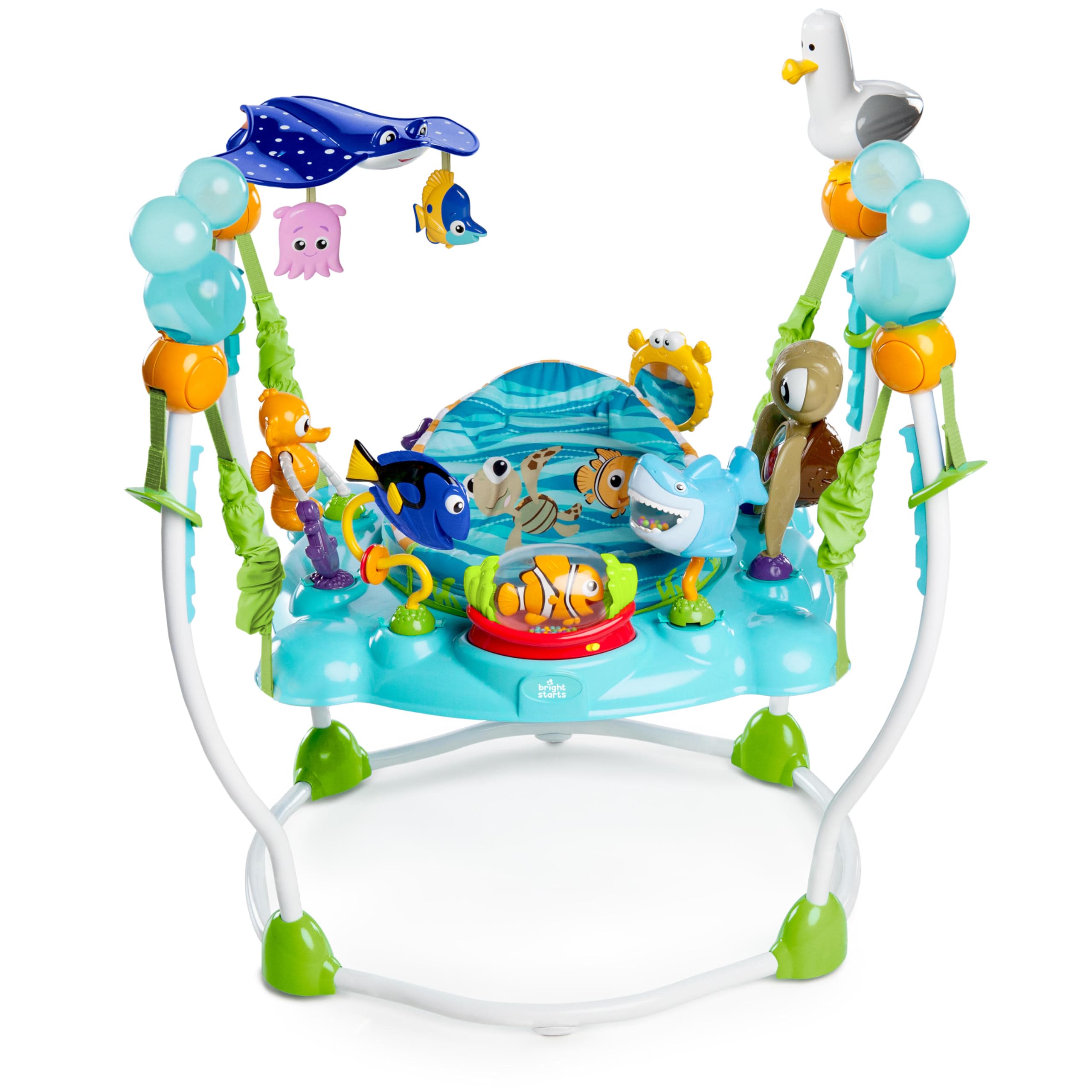
Stop paying more: Above $140 you're paying for branding. The $139 Finding Nemo is the ceiling—anything pricier is overkill.
Common Mistakes to Avoid
Buying a bouncer that doesn't grow with your child
Many bouncers top out at 25 lbs or 12 months. Choose a convertible model like the Ingenuity Keep Cozy (up to 40 lbs) to avoid buying two seats.
Cost of getting it wrong: Re-buying second bouncer: $50–$100 wasted
Overpaying for toy quantity over quality
A bouncer with 13 toys sounds great, but babies interact with only a few. Focus on durable, easy-to-clean toys that match your child's interests.
Cost of getting it wrong: $30–$50 premium for toys you won't use
Ignoring weight limits and assembly hassle
Door jumpers save space but require a door frame 4-5 inches wide. If yours is different, you'll need a different style. Read dimensions carefully.
Cost of getting it wrong: Return shipping or unusable product: $10–$20
Find Your Match
What's your budget?
Frequently Asked Questions
What is the best baby bouncer for small spaces?
For small apartments, a door jumper like the Bright Starts Playful Parade ($29.99) is ideal because it clamps to a door frame and folds flat when not in use. If you prefer a floor bouncer, look for a compact, lightweight model under 5 lbs that's easy to move between rooms.
Are door jumpers safe for babies?
Door jumpers are safe when used as directed. Always ensure the clamp is securely fastened to a door frame 4–5 inches wide and the baby meets the weight and age requirements (typically 6 months, up to 26 lbs). Never leave your baby unattended, and check for any signs of wear.
How much should I spend on a baby bouncer?
You can find a good bouncer for $30–$140. Budget models ($30–$55) like door jumpers are functional but lack toys. Mid-range ($55–$115) offers interactive play and adjustable heights. Premium ($115–$140) includes multiple activities and themed designs. For most families, $80–$110 is the sweet spot.
What features are essential in a baby bouncer?
Must-have features include a 3- or 5-point safety harness, adjustable height positions (for growing babies), machine-washable seat pad, and a stable base. Certifications like ASTM and CPSIA indicate safety compliance. Nice-to-haves are vibration and interactive toys, but they aren't essential.
How long do babies typically use bouncers?
Most babies use bouncers from about 3–4 months (when they have head control) until they outgrow the weight or height limit—usually 12–18 months. Some convertible bouncers, like the Ingenuity Keep Cozy, last up to 30 months by converting to a toddler rocker.
Is a bouncer or a jumper better for newborns?
For newborns (0–4 months), a stationary bouncer with vibration is better because it provides gentle soothing without requiring leg strength. Jumpers and activity centers require the baby to push off the floor, which is typically not possible until 6 months.
What should I avoid when buying a baby bouncer?
Avoid bouncers with non-removable or non-machine-washable covers—they become a cleaning nightmare. Also skip models with a very low weight limit (under 20 lbs) or no height adjustment, as your baby will outgrow them quickly. Finally, be wary of products with too many cheap plastic toys that may break.
How we wrote this guide
This guide is based on analysis of 6 top baby bouncers across 123,000+ Amazon verified-buyer reviews and expert evaluations from Wirecutter and Consumer Reports. We cross-referenced safety certifications (ASTM, CPSIA), weight limits, adjustability, and real-parent feedback to identify what truly matters for most families.
About this guide
Mubboo Editorial Team — independent US-market consumer research focused on helping parents make confident buying decisions.
Affiliate disclosure: