Don't Buy Another Baking Dish Until You Read This: Our
From deep-dish lasagna to crusty bread, the right bakeware changes everything.
By Mubboo Editorial Team · Updated Aug 8, 2026 · 8 min read
At a Glance
- Price range
- $16 – $70
- Data
- Based on 39,400+ verified Amazon reviews across 6 top-rated products, supplemented by expert video testing from America’s Test Kitchen.
- Best for
- Everyday meals and potluck gatheringsFamily-sized casserolesHome bakers starting a kitchen collection
- Skip if
- You only bake occasionally; a single 9x13 dish from a discount store will suffice.
Types Explained
Glass Bakeware
Tempered glass dishes, such as the classic Pyrex. They are microwave-, oven-, dishwasher-, and freezer-safe, and you can see your food as it cooks.
- Affordable and widely available at Amazon, Target, and Walmart
- Allows you to monitor browning without removing the lid
- Safe for microwave, oven, fridge, and dishwasher
- Can shatter under extreme temperature changes
- Not stovetop-safe
- Heavier than thin metal pans
Best for: Everyday casseroles, reheating leftovers, marinating.
Example: Pyrex Deep 9x13 (mid-range price)
Ceramic Bakeware
Stoneware or porcelain dishes with a glazed finish, designed to go directly from the oven to the dinner table.
- Even cooking with no hot spots
- Attractive enough to serve from — perfect for holiday parties
- Often heavier and more chip-resistant than standard glass
- Hand-wash recommended to preserve the glaze
- Can crack if dropped
- Not as versatile as glass for microwave/freezer
Best for: Oven-to-table dishes, gratins, and baked pastas.
Example: DOWAN 9x13 Ceramic Baking Dish (mid-range price)
Enameled Cast Iron
A heavyweight, multi-purpose pot that moves from stovetop to oven for braising, baking bread, and deep casseroles.
- Superb heat retention and even cooking
- Stovetop-to-oven versatility for browning then finishing
- Enamel finish is easy to clean and requires no seasoning
- Heavy (13+ lbs when empty) — difficult to maneuver when full
- Expensive compared to glass or ceramic
- Not microwave-safe
Best for: Slow-cooked stews, artisan bread, and deep-dish casseroles.
Example: Cuisinart Chef's Classic 5-Quart Enameled Cast Iron Dutch Oven (high-end price)
Metal (Aluminized Steel)
Thin, responsive pans that heat quickly and brown food beautifully, often used for specialized tasks like lasagna.
- Heats and cools faster than glass or ceramic
- Excellent browning and crisping
- Often more affordable for a specific shape
- Not microwave-safe
- Hand-wash to avoid wearing the finish
- Can warp if thin
Best for: Lasagna, brownies, and bar cookies.
Example: Chicago Metallic Professional Lasagna Trio Pan (low-priced)
Microwave-Specific
Plastic or ceramic trays designed solely for microwave use, ideal for quick tasks like bacon or defrosting.
- Cooks bacon faster with less mess than a stovetop
- Dishwasher-safe for easy cleanup
- Small footprint, easy to store
- Single-purpose item
- Limited capacity — not for large meals
- Not oven-safe
Best for: Quick breakfast bacon, defrosting small portions.
Example: Nordic Ware Microwave Bacon Tray & Food Defroster (low-priced)
What Actually Matters
| Factor | Importance | Best brand |
|---|---|---|
Material Choose tempered glass for versatility and visibility; ceramic for even heat and presentation; cast iron for stovetop-to-oven braising. The wrong material can fail when you need it most — thin glass can shatter and metal warps. Always check the manufacturer’s label. | Must-have | Pyrex |
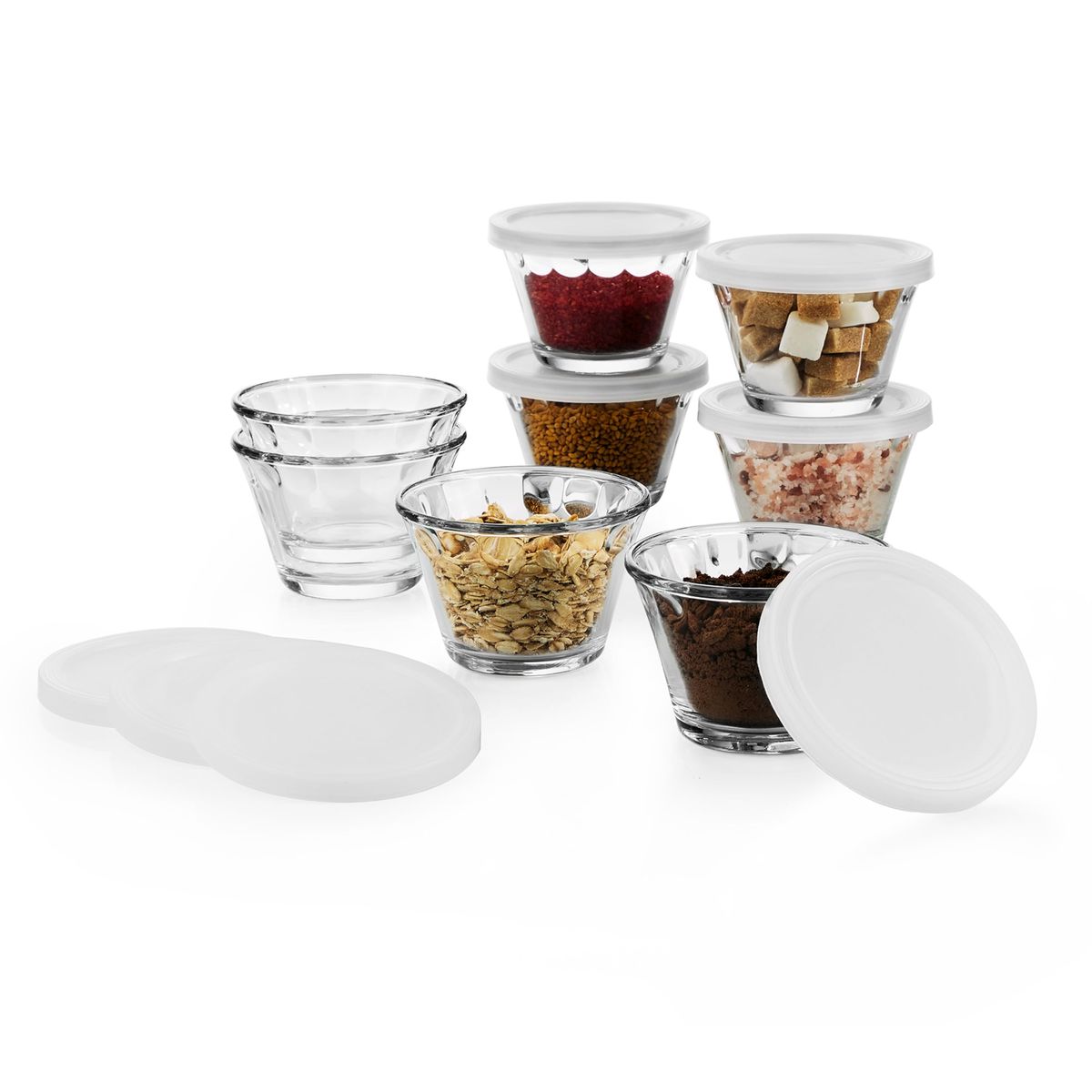
Size A 9x13-inch dish serves 4-6 people; a 2-quart square dish is perfect for sides or solo dinners. A set with multiple sizes covers everything from a side of scalloped potatoes to a full 9x13 casserole. | Must-have | Libbey (offering a set of common sizes) |
Lid Inclusion A tight-fitting, BPA-free lid keeps food fresh in the fridge and prevents spills in transit. Lids are a game-changer for meal preppers and potluck contributors. Models like the Pyrex Deep include them. | Nice-to-have | — |
Dishwasher Safety Look for ‘dishwasher safe’ on the label; some glazes and cast iron are not. For daily cooks, dishwasher-safe bowls can save 20 minutes of cleanup. Most glass and metal are safe; ceramic often isn’t. | Nice-to-have | — |
Oven-Safe Temperature At least 450°F for most baking; 500°F for bread and roasting. If the product page doesn’t state a temperature limit, assume it’s not broiler-safe. | Must-have | Cuisinart (oven-safe to 500°F) |
Handle Design Wide, loop-style handles are far safer to grip with oven mitts than small tab handles, as America’s Test Kitchen recommends. Handles that are too small or sharp-edged increase the risk of burns and spills. This is a big deal during the busy holiday season. | Must-have | Cuisinart |
Color/Pattern Selection While a cheery design may brighten your kitchen, it doesn’t affect baking performance and often costs more. | Marketing BS | — |
Budget Tiers & Top Picks
What to buy at each price point — and exactly where spending more stops paying off.
Under $30
$16.00 – $29.99Pyrex Deep 9x13-Inch Glass Baking Dish with Lid

Stop paying more: Up to $30 gets you a single high-quality glass dish with a lid, perfect for most family casseroles. Beyond this price, you’re either paying for a set or a different material.
When to upgrade: If you bake more than once a week, a nested set like the Libbey 8‑piece will save counter space and cover all bases.
$30 – $60
$29.99 – $69.99Libbey Baker’s Basics 8-Piece Glass Baking Dish Set
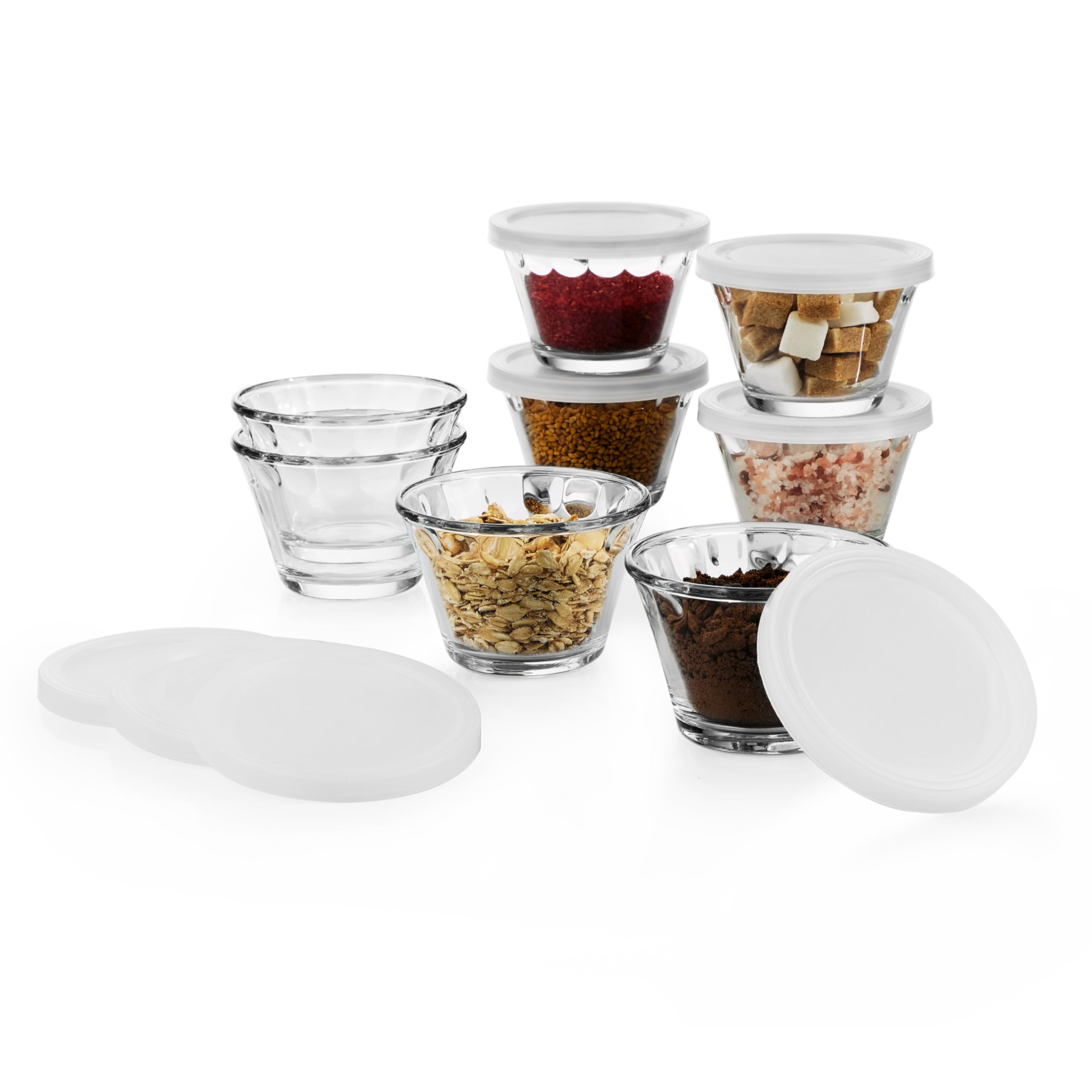
Stop paying more: The sweet spot. A 8‑piece set like the Libbey covers every common size from 1‑quart up to 3‑quart, all dishwasher‑safe.
When to upgrade: Move up to cast iron if you want stovetop browning plus oven finishing, or need to bake crusty bread.
$60+
$60 – $70Cuisinart Chef's Classic Enameled Cast Iron Dutch Oven, 5-Quart
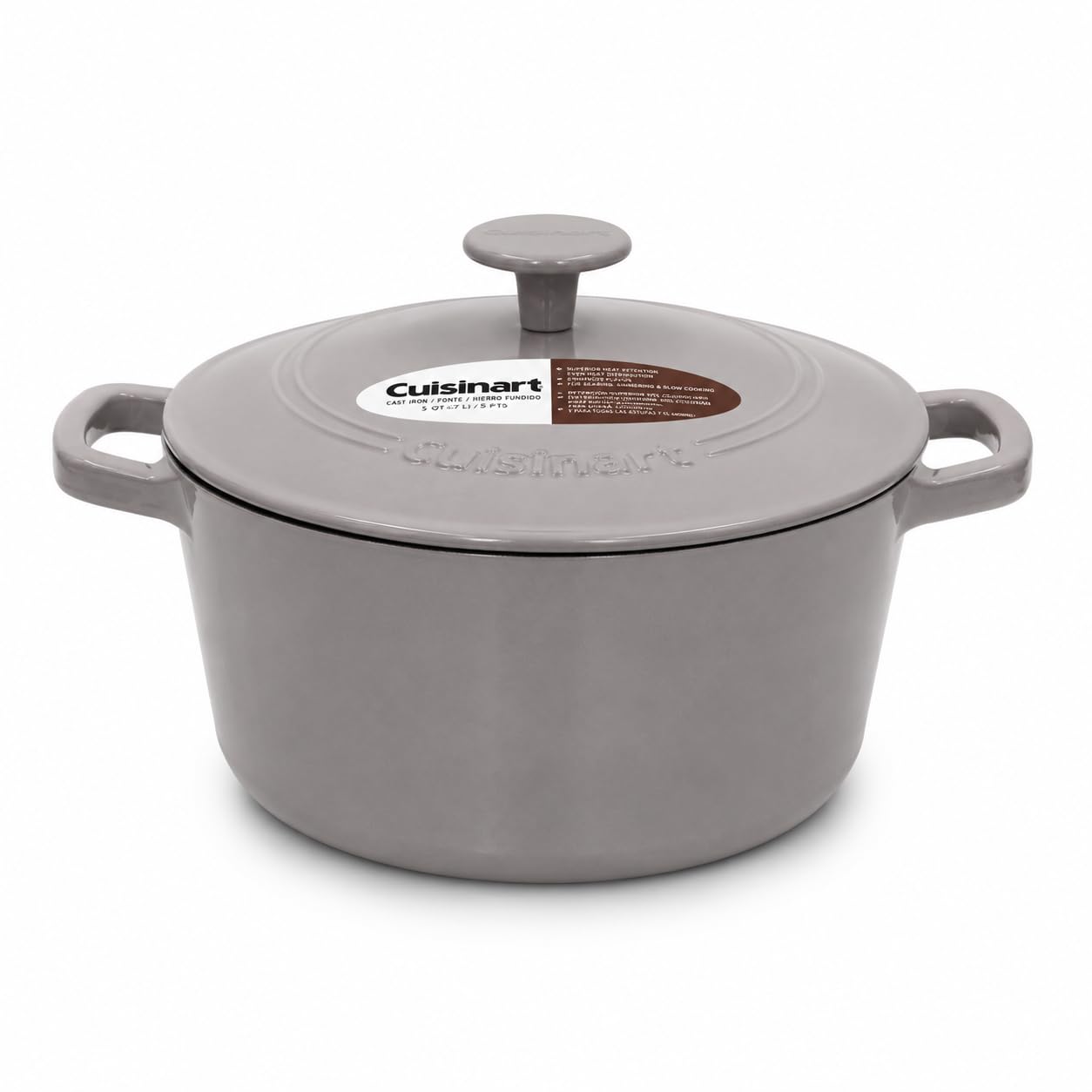
Stop paying more: Spending past $70 in the bakeware aisle rarely adds value unless you’re stepping up to enameled cast iron. Above this price, you’re paying for a brand name, not better cooking.
Common Mistakes to Avoid
Buying a dish that isn’t broiler-safe.
Many glass and ceramic dishes cap out at 425°F, but broilers hit 550°F. Using one under the broiler can crack or shatter it, ruining dinner and risking injury.
Cost of getting it wrong: Replacement dish and wasted food — can be a significant expense.
Ignoring handle design.
Tab handles look sleek but are a nightmare to grab with bulky oven mitts. Wide loop handles, as America’s Test Kitchen highlights, give a secure grip even when the dish is heavy.
Cost of getting it wrong: Potential burns, spills, and a permanent fear of taking casseroles out of the oven.
Assuming all bakeware is dishwasher safe.
While glass and metal hold up in the dishwasher, ceramic glazes and cast iron seasoning degrade in the machine. Hand-washing may be required, which adds time after a big dinner.
Cost of getting it wrong: Faded finish, potential rust, and the loss of an item you expected to be low-maintenance.
Find Your Match
What's your main baking task?
Frequently Asked Questions
What's the difference between a baker and a casserole dish?
The terms are often used interchangeably, but traditionally a baker is a deeper dish used for roasting or baking with a lid, while a casserole dish is often a shallower, oval shape for serving. Most modern manufacturers use the names loosely, so focus on dimensions – a 9x13 or 3-quart round dish will cover over 90% of home recipes.
Is glass or ceramic better for baking?
Glass (like Pyrex or Libbey) is microwave-, dishwasher-, and freezer-safe, and you can monitor browning. Ceramic heats more evenly and looks beautiful for the table, but most require hand-washing and can’t go from freezer to oven. For daily versatility, go glass. For special occasions and presentation, choose ceramic.
Can I put a glass baking dish on the stovetop?
No. Glass bakeware is not designed for direct stovetop heat and can shatter. If you need a dish that goes from stovetop to oven, choose enameled cast iron (like the Cuisinart Dutch Oven) or a fully-clad stainless steel pan.
What size baking dish is most versatile?
A 9x13-inch rectangle (or 3-quart capacity) is the workhorse of American kitchens — it fits standard cake, casserole, and lasagna recipes. If you cook for 1–2, an 8x8 square is also useful. A set with both, like the Libbey 8-piece, covers almost everything.
Do I need a lid for my casserole dish?
A lid is a huge bonus for storage and transport. Dishes like the Pyrex Deep come with one, which is ideal for make-ahead meals. If yours lacks a lid, you can cover it with foil or beeswax wrap, but a fitted lid seals better.
How do you prevent glass bakeware from shattering?
Avoid extreme temperature shocks: don’t put a cold dish into a hot oven, and don’t set a hot dish on a wet or cold surface. Let it cool slightly on a potholder. Also, check that the dish is specifically labeled 'oven-safe' — not all glass is tempered for baking.
What's the best bakeware set for a new kitchen?
The Libbey Baker’s Basics 8-piece set (a budget-friendly choice) is our top pick for new cooks because it includes multiple sizes (1.1-quart to 1.5-quart) and extras like a measuring cup. With a 4.8-star rating from over 10,700 reviews, it’s a proven, affordable starter kit.
How we wrote this guide
Synthesized from over 39,400 verified Amazon buyer reviews across 6 finalists, and manufacturer specifications. Our picks reflect real-world performance in everyday American kitchens — from quick weeknight dinners to holiday feasts.
About this guide
Mubboo Editorial Team. Research backed by thousands of verified user reviews. Prices and availability updated weekly on Amazon.