Balance Board Buying Guide 2026: How to Choose Without Overpaying
From wobble boards to rocker boards — what matters for core strength, rehab, and fun
By Mubboo Editorial Team · Updated May 27, 2026 · 9 min read
At a Glance
- Price range
- $21 – $128
- Data
- 30,866 verified Amazon reviews across 6 finalists
- Best for
- Core strength & rehabStanding desk useKids' play & developmentSurfing/snowboard practice
- Skip if
- You only need a soft anti-fatigue mat for standing — a balance board requires active engagement.
Types Explained
Wobble Board
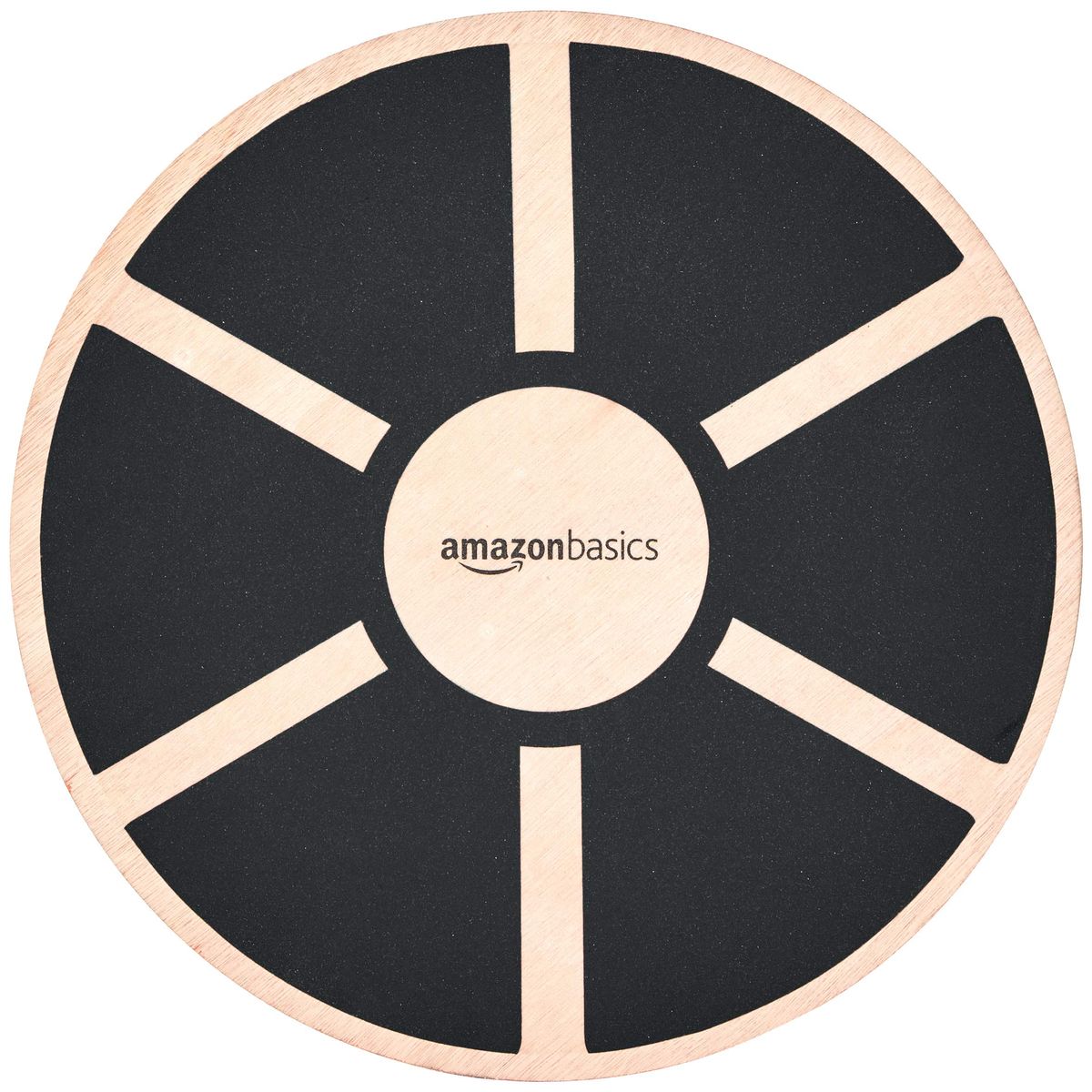
A round board with a hemispherical base that tilts in all directions, offering 360° balance training.
- Full range of motion
- Compact and portable
- Great for beginners
- Limited difficulty progression
- Small surface may not fit both feet
Best for: General balance improvement and rehab
Example: Amazon Basics Wood Wobble Board ($21)
Rocker Board
A long, curved board that rocks along one axis, often used for kids' play, yoga, or standing desk work.
- Can bear multiple users
- Versatile for play and exercise
- Large surface area
- Takes up more floor space
- Only side-to-side motion
Best for: Family use, yoga, and standing desk fidgeting
Example: Gentle Monster Wooden Rocker Board ($50)
Roller Balance Board
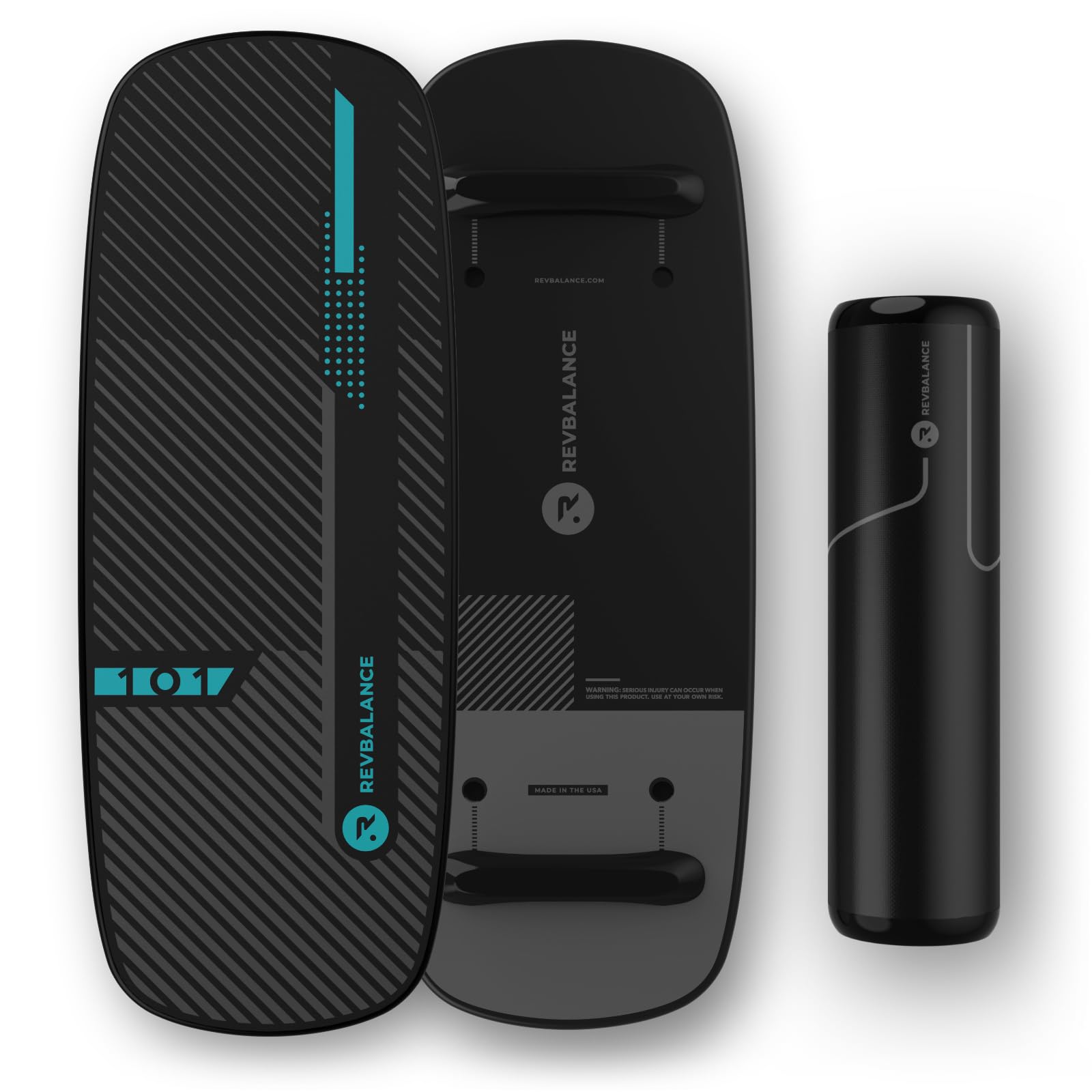
A flat board on a cylindrical roller, allowing forward/backward motion with adjustable stoppers for difficulty.
- Highly adjustable difficulty
- Mimics surfing/snowboarding
- Challenging for advanced users
- Larger storage footprint
- Steeper learning curve
Best for: Board sport training and athletic conditioning
Example: Yes4All Wood Balance Board with Adjustable Stoppers ($71)
What Actually Matters
| Factor | Importance | Best brand |
|---|---|---|
Surface stability and slip resistance Textured or rubberized top surface; non-slip base A slip-free surface prevents injuries during intense exercise or standing desk use. | Must-have | Amazon Basics (non-slip wood) |
Weight capacity At least 265 lbs for most adults; 350+ for shared use Overloading a board can cause cracking or instability. Check the limit before buying. | Must-have | Gentle Monster (480 lbs) |
Size and portability Compact (<18" diameter) for travel; larger for stability Smaller boards fit under a desk or in a bag. Larger boards offer more surface area but are harder to store. | Must-have | StrongTek (17.5"x13.5") |
Adjustability for progressive difficulty Removable stoppers or multiple angle settings If you plan to progress beyond basic wobbling, adjustable stoppers let you increase challenge safely. | Nice-to-have | Revbalance (magnetic stops) |
Massage spikes or texture for foot stimulation Massage spikes on the Yes4All plastic board are a nice bonus but not essential. Most users won't notice a difference in balance training. | Marketing BS | — |
Budget Tiers & Top Picks
What to buy at each price point — and exactly where spending more stops paying off.
Under $30 (Budget)
$21 – $31Amazon Basics Wood Wobble Balance Trainer Board

Stop paying more: Stop at $30. There's no meaningful quality improvement until the $35–$50 range.
When to upgrade: If you outgrow the small surface area, step up to the Gentle Monster rocker board for more versatility.
$35 – $70 (Mid-Range)
$35 – $71Gentle Monster Wobble Balance Board, Wooden Rocker

Stop paying more: Diminishing returns above $60 unless you need adjustable stops or premium materials.
When to upgrade: If you're training for board sports, the Yes4All wood board ($71) adds adjustable stoppers.
Over $70 (Premium)
$71 – $130Revbalance 101 v2 Balance Board Sports Trainer
Stop paying more: Spending above $130 is unnecessary unless you require ultra-high weight capacity or specific sport simulation.
When to upgrade: The Revbalance is the top-tier option; no need to upgrade further.
Common Mistakes to Avoid
Buying a board too small for your feet
Many cheap wobble boards are under 16 inches wide. Adults with size 10+ feet may not fit comfortably, reducing stability.
Cost of getting it wrong: Replacing with a larger board — $20–$50 wasted.
Ignoring weight capacity for shared use
A board rated for 265 lbs may fail if two kids or a heavy adult uses it repeatedly. Check the limit before buying.
Cost of getting it wrong: Board breakage could cause injury and require a $50–$130 replacement.
Getting a board without adjustable stoppers for advanced training
Fixed stoppers limit progression. If you plan to improve, a board with removable stoppers (like the Yes4All wood or Revbalance) saves you from buying a second board.
Cost of getting it wrong: Buying a second advanced board later — $70–$130 extra.
Find Your Match
What's your primary use?
Frequently Asked Questions
Which balance board should I buy for a standing desk?
The StrongTek Professional Wooden Balance Board ($34) is ideal for office use — compact, slip-resistant, and quiet. The Gentle Monster rocker board also works if you prefer more surface area.
What's the best wobble board for core strength?
The Amazon Basics Wood Wobble Board ($21) is a great start for core training. For progressive difficulty, the Revbalance 101 v2 ($128) offers adjustable magnetic stops to increase the challenge.
Which balance board is best for kids?
The Gentle Monster Wooden Rocker Board ($50) holds up to 480 lbs and encourages open-ended play, making it perfect for families. It's also used in Montessori settings.
What is the most durable balance trainer for surfers?
The Yes4All Wood Balance Board with Adjustable Stoppers ($71) is built from 15-ply pressed wood and includes emery paper grip tape. The Revbalance 101 v2 ($128) is another excellent choice with a lifetime warranty.
What is the best budget balance board under $30?
The Amazon Basics Wood Wobble Board ($21) is the top pick — 4.6 stars from 15,000+ reviews, non-slip surface, and supports up to 265 lbs.
How much should I spend on a balance board?
For basic wobble training, $20–$35 gets you a solid board. For family use or yoga, budget $40–$60. For advanced sports training with adjustable stops, expect to pay $70–$130. There's little reason to spend more.
What should I avoid when buying a balance board?
Avoid boards with slick surfaces — they're dangerous. Also skip boards under 16 inches if you have larger feet. Non-removable stoppers limit progression, so look for adjustable stoppers if you plan to advance.
How we wrote this guide
We analyzed 30,866 verified Amazon reviews across 6 balance boards and cross-referenced expert verdicts from Wirecutter, Tom's Guide, and video reviews. Our methodology focused on stability, weight capacity, size, adjustability, and value for money.
About this guide
Mubboo Editorial Team — independent US-market consumer research. Picks reflect editorial consensus from 3 expert review sources and over 30,000 verified buyer reviews.