Balance Trainer Buying Guide 2026: How to Choose Without Overpaying
Find the right balance trainer for your workout—pad, disc, roller, or BOSU.
By Mubboo Editorial Team · Updated Jun 21, 2026 · 7 min read
At a Glance
- Price range
- $18 – $140
- Data
- 98,144 verified reviews across 6 finalists
- Best for
- Improving stability and core strengthPhysical therapy and rehabHome gyms with limited space
- Skip if
- You only need muscle recovery—then a foam roller like the Yes4All is a better target.
Types Explained
Foam Roller
A dense cylindrical roller used for self-myofascial release and muscle recovery.
- Deep tissue massage
- Improves flexibility
- Durable
- Not for dynamic balance training
- Can be painful on sensitive areas
Best for: Post-workout recovery and muscle knots
Example: Yes4All High-Density Foam Roller (36")
Balance Pad
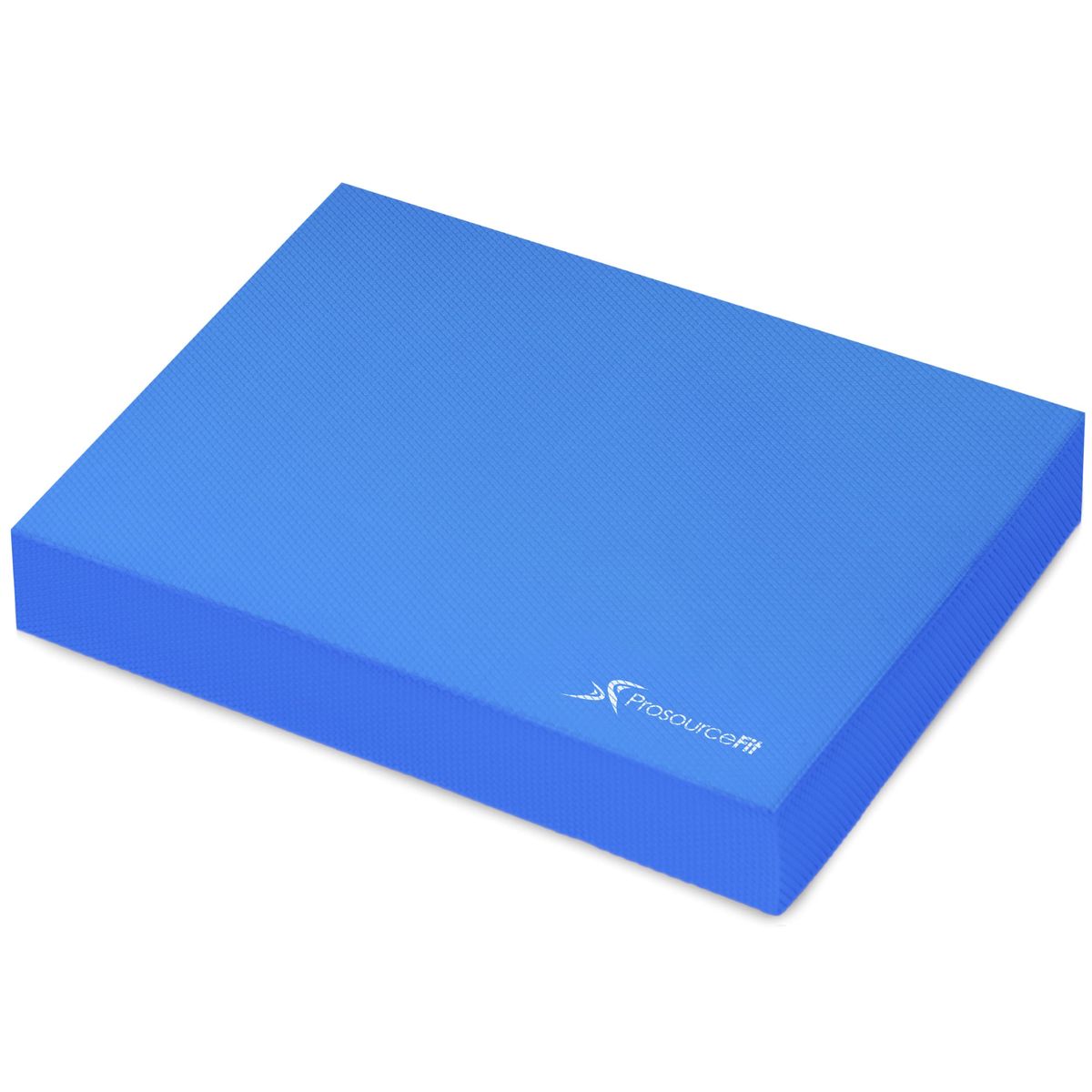
A firm foam pad that creates an unstable surface for standing exercises and planks.
- Low impact, quiet
- Improves ankle stability
- Compact and lightweight
- Limited to static exercises
- May compress over time
Best for: Beginners and rehab patients
Example: ProsourceFit Exercise Balance Pad
BOSU Trainer
A half-dome stability ball mounted on a rigid platform, used for dynamic balance, strength, and cardio.
- Versatile for a full-body workout
- Engages core constantly
- Adjustable inflation
- Expensive entry price
- Requires significant storage space
- Pump may be unreliable
Best for: Athletes and advanced users seeking a challenge
Example: BOSU Original Balance Trainer (65 cm)
Balance Disc
An inflatable cushion used for seated or standing balance exercises.
- Extremely portable
- Affordable and simple
- Can be used on a chair for active sitting
- Limited stability challenge for advanced users
- May need re-inflation
Best for: Core activation in small spaces
Example: ProsourceFit Core Balance Disc (14")
What Actually Matters
| Factor | Importance | Best brand |
|---|---|---|
Durability High-density foam or heavy-duty PVC A balance trainer that dents or flattens out won't offer consistent challenge. | Must-have | ProsourceFit and BOSU |
Firmness Level Foam pads should be firm enough to stand without excessive sink Too soft feels like a pillow and offers no training effect; too hard can cause pain. | Must-have | ProsourceFit (pad) and Yes4All (roller) |
Size/Storage Measure your workout area; pads and discs under 16" are easy to tuck away A BOSU ball is over 2 feet wide—ensure you have a permanent spot for it. | Must-have | ProsourceFit (compact) |
Versatility Look for tools that allow both standing and plank variations A BOSU doubles as a weight bench and cardio step, saving money over multiple tools. | Nice-to-have | BOSU |
Multi-density Foam Patterns Grid patterns feel different but don't scientifically improve recovery—a smooth roller at half the price does the same job. | Marketing BS | — |
Brand Prestige Paying double for a logo doesn't buy double the relief. Many off-brands use identical foam densities. | Marketing BS | — |
Budget Tiers & Top Picks
What to buy at each price point — and exactly where spending more stops paying off.
Under $25
$18 – $25ProsourceFit Core Balance Disc
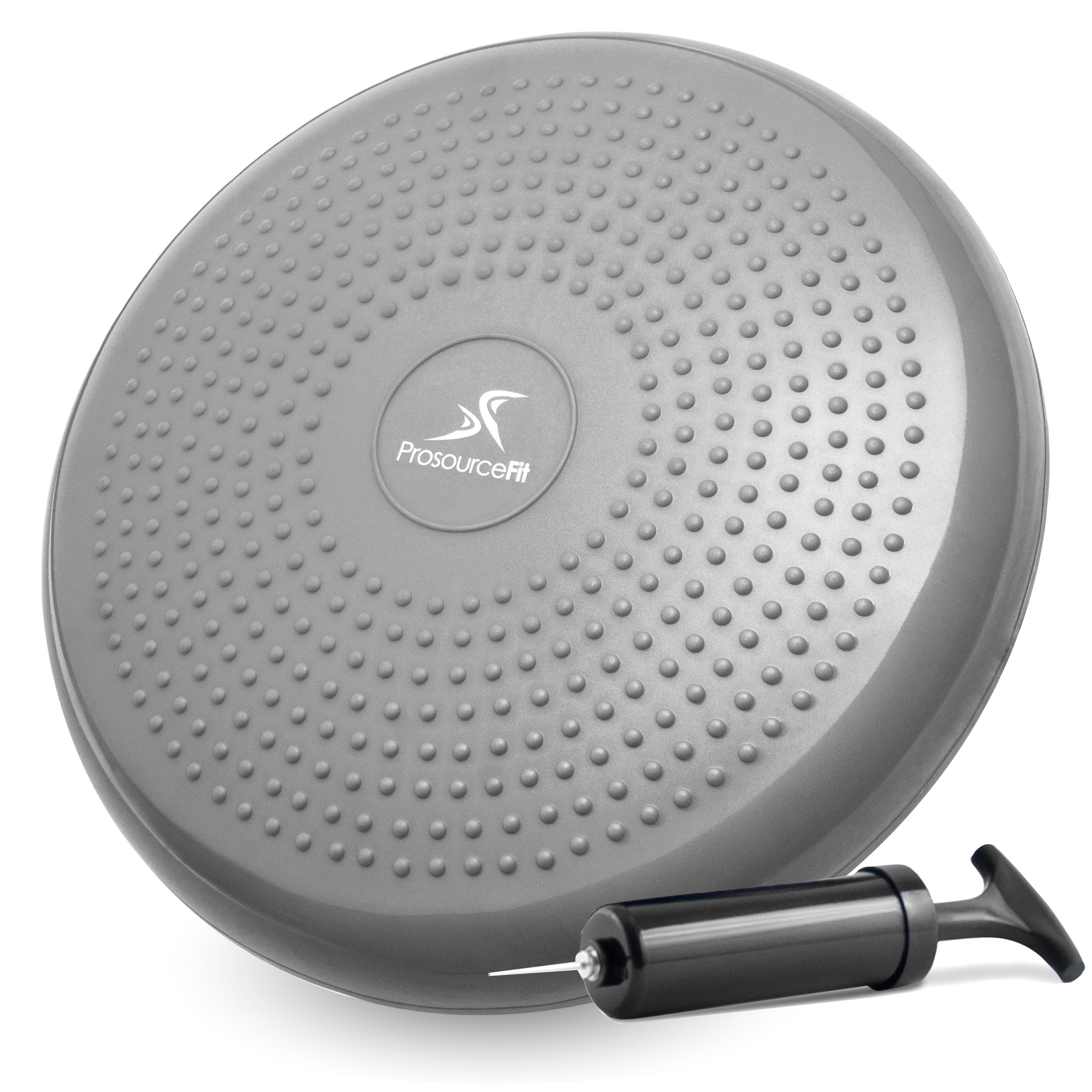
Stop paying more: Don't overspend in this tier. The disc delivers core work and portability for under $20—more expensive discs don't offer meaningful upgrades.
When to upgrade: When you're ready for standing balance exercises, step up to a foam pad.
$25 – $50
$25 – $40ProsourceFit Exercise Balance Pad

Stop paying more: The balance pad is the sweet spot for most users—effective and compact. Paying above $40 here often adds bulk without proportional benefit.
When to upgrade: For a full-body dynamic workout, invest in a BOSU.
Over $100
$130 – $140BOSU Original Balance Trainer
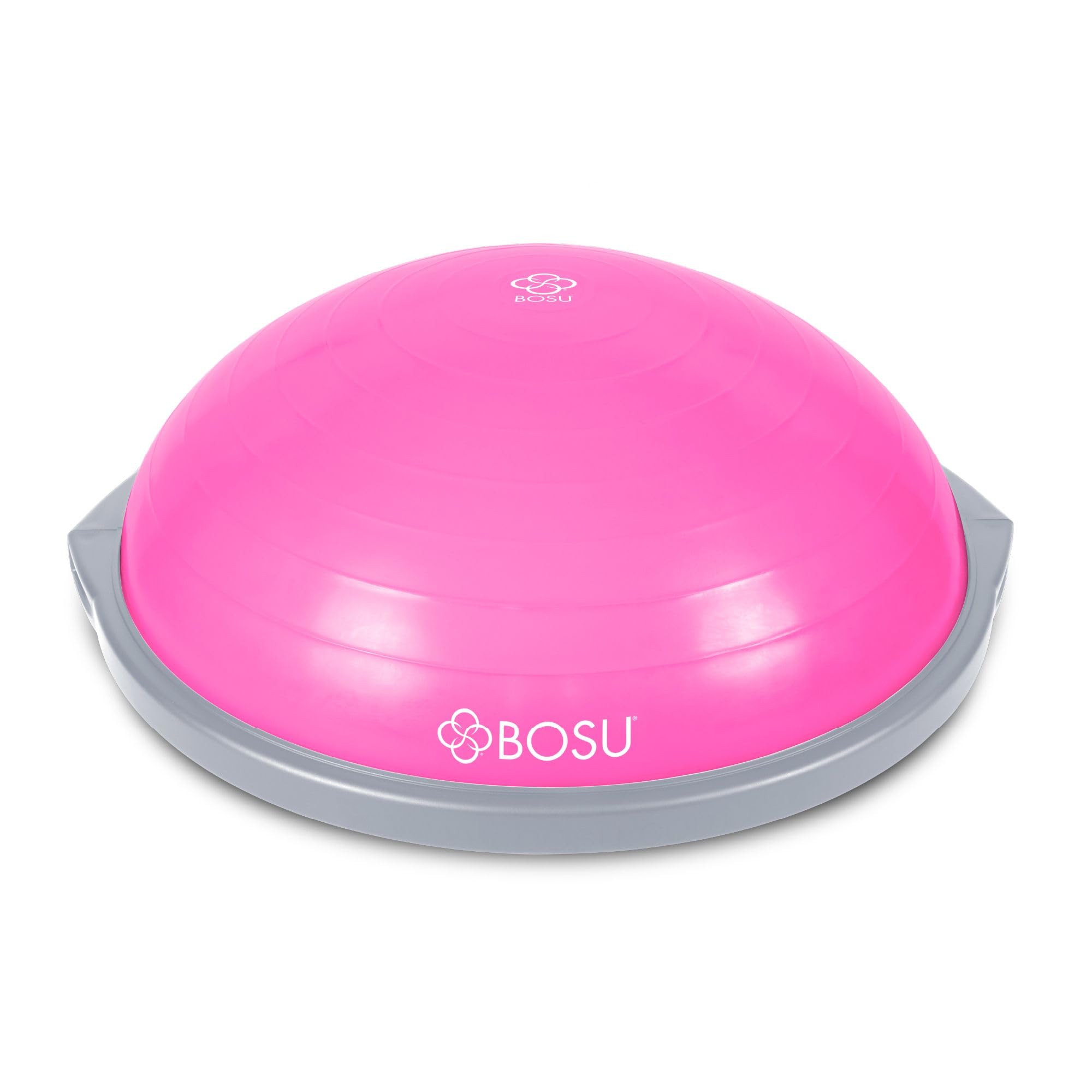
Stop paying more: The BOSU is the investment piece. Cheaper knock-offs lack the dome's rebound consistency; stick with the original.
When to upgrade: Already have a BOSU? No immediate upgrade needed—it's a lifetime tool.
Common Mistakes to Avoid
Buying a foam roller for balance training
Foam rollers are designed for muscle recovery, not for standing balance exercises. They roll unpredictably and can cause injury if you try to stand on them.
Cost of getting it wrong: You'll end up buying a balance pad anyway—an extra expense and clutter.
Underestimating the firmness you need
A soft foam pad feels comfortable but doesn't engage stabilizer muscles effectively; a very hard one can cause joint pain. Most users need a medium-firm density.
Cost of getting it wrong: Wasted money on a too-soft pad that becomes a yoga prop instead of a trainer.
Ignoring storage requirements
BOSU balls and long foam rollers take up significant floor space. If you store them in a closet, will you bother to set them up each time?
Cost of getting it wrong: A BOSU gathering dust in a closet is wasted effort and money.
Find Your Match
What's your primary goal?
Frequently Asked Questions
Which balance trainer is best for beginners?
A foam balance pad like the ProsourceFit provides a stable but slightly unstable surface to build ankle strength. It's forgiving and simple—just stand, hold, and progress to single-leg. Start with 15-second holds and gradually increase.
Which foam roller should I buy for muscle recovery?
For all-over back and leg work, a 36-inch high-density roller like the Yes4All covers more area. If you need targeted relief on trigger points, the TRIGGERPOINT Grid's multi-density zones offer more precision. Both are under $40.
What’s the best balance trainer for physical therapy?
Physical therapists often recommend firm foam pads for post-injury rehab because they demand stability without sudden movement. The ProsourceFit Balance Pad is a popular choice due to its consistent firmness and low price.
Are BOSU balls worth the money?
If you'll use it several times per week for varied workouts, the BOSU outlasts cheaper copies and supports dynamic push-ups, squats, and cardio. If it'll only be used for basic standing, a pad costs far less.
What balance board should I buy?
A balance board with a roller is great for athletes, but for general fitness, a balance pad or disc is safer. The BOSU offers 360-degree instability without the risk of slipping off a roller.
How much should I spend on a balance trainer?
A high-quality pad or disc costs under $30 and lasts years. If you need a full-body dynamic tool, expect to invest for a BOSU. Avoid cheap no-name inflatable domes that leak quickly.
Can I use a balance trainer for strengthening ankles?
Yes. Standing on an unstable surface like a pad or disc forces your ankle stabilizers to engage. Practice balancing on one leg with eyes closed to amplify the effect.
How we wrote this guide
Our editorial team researched across six finalists and 98,144 verified Amazon reviews. We also scanned video analysis from fitness reviewers to cross-validate key benefits. We then scored products on versatility, firmness, space requirements, and value to build this guide.
About this guide
Mubboo Editorial Team. Picks rooted in aggregate buyer feedback, expert testing videos, and manufacturer specifications. Prices update regularly from Amazon.