Bed Sheets Buying Guide 2026: How to Choose Without Overpaying
Picked from 2.4M+ verified reviews across 6 top Amazon sheet sets
By Mubboo Editorial Team · Updated May 28, 2026 · 8 min read
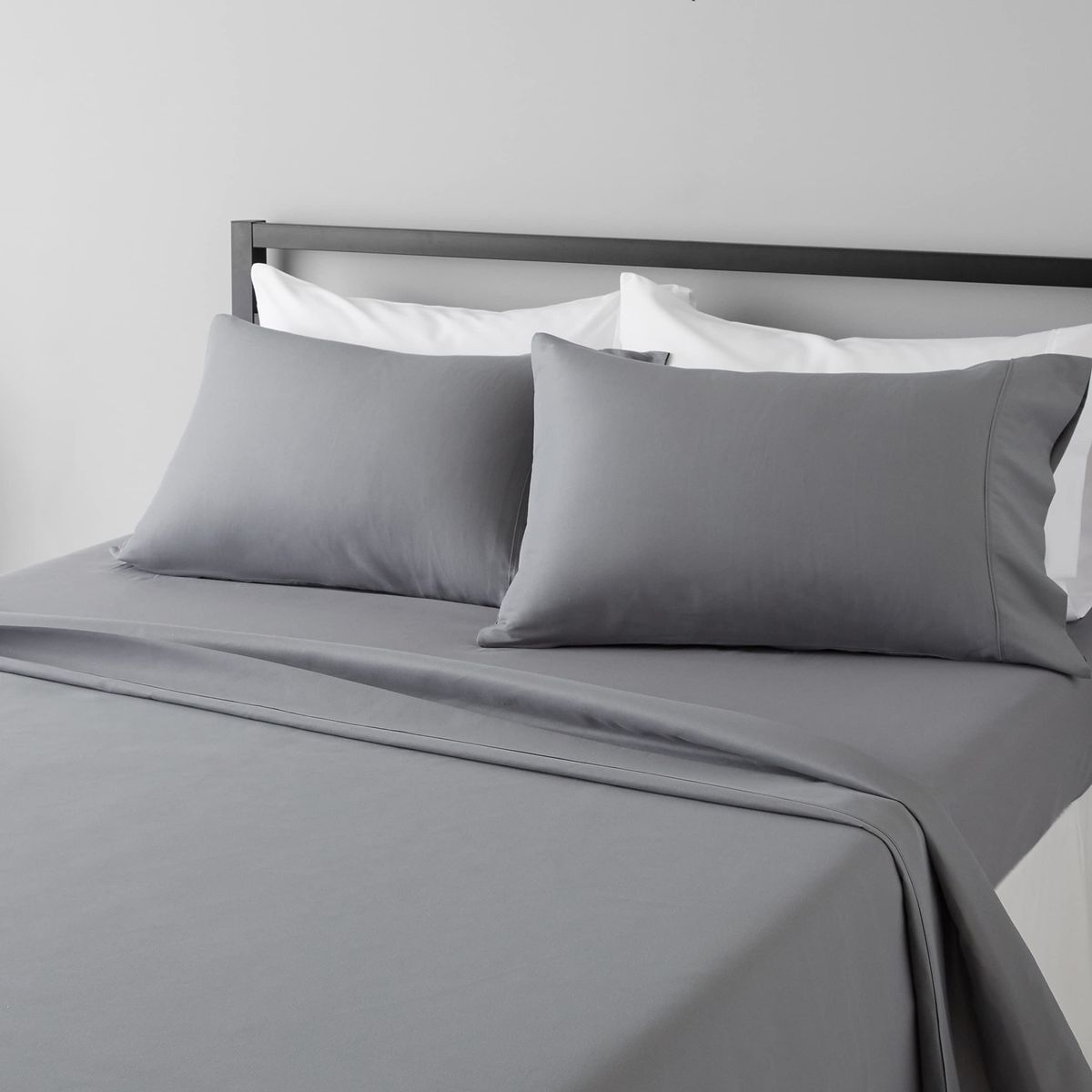
At a Glance
- Price range
- $15 – $37
- Data
- 2,425,416 verified Amazon reviews across 6 finalists
- Best for
- Budget-conscious householdsAll-season comfort seekers
- Skip if
- You prefer natural cotton fibers or need deep pockets beyond 16 inches
Types Explained
Brushed Microfiber
Double-brushed polyester yarns create an ultra-soft, wrinkle-resistant fabric that is lightweight and breathable. Most affordable and easy-care option.
- Very soft
- Machine washable
- Resists wrinkles and fading
- Affordable
- May trap heat for some
- Not as breathable as cotton
- Can pill over time
Best for: Budget shoppers, guest rooms, dorm rooms
Example: Amazon Basics Queen Sheet Set ($16.99)
Cotton Percale
A crisp, cool weave that gets softer with each wash. Often preferred by hot sleepers for its breathability.
- Breathable and cooling
- Gets softer over time
- Crisp feel
- Durable
- Can feel rough initially
- Prone to wrinkling
- Higher price point
Best for: Hot sleepers, those who prefer a crisp feel
Example: L.L.Bean 280-Thread-Count Pima Cotton Percale Sheet Set (Wirecutter top pick)
Cotton Sateen
A satin-like weave that produces a smooth, silky, and drapey fabric. Often has a subtle sheen.
- Smooth and silky
- Wrinkle-resistant
- Luxurious feel
- Can pill over time
- May feel warm
- More expensive than microfiber
Best for: Those who want a luxurious, silky feel
Example: JCPenney Wrinkle Guard 400TC Cotton Sheet Set (Wirecutter runner-up)
What Actually Matters
| Factor | Importance | Best brand |
|---|---|---|
Material 100% polyester microfiber or cotton Microfiber is budget-friendly and easy care; cotton breathes better but costs more. | Must-have | Mellanni (microfiber), L.L.Bean (cotton) |
Thread Count 200-400 for cotton; irrelevant for microfiber Higher thread count numbers are often inflated by twisting multiple fibers. A 1800-count microfiber set is not better than a 200-count percale. | Marketing BS | — |
Pocket Depth At least 14 inches Measure your mattress thickness. Most modern mattresses are 12-16 inches; a 14-inch pocket is the safe minimum. | Must-have | CGK Unlimited (16-inch pockets) |
Cooling & Breathability Moisture-wicking or percale weave Hot sleepers should prioritize breathable weaves or dedicated cooling fabrics. Microfiber can trap heat; percale cotton is naturally cooler. | Nice-to-have | CGK Unlimited (cooling microfiber) |
Durability & Warranty Lifetime warranty or at least 5-year track record A strong warranty signals confidence. Mellanni's lifetime promise is rare at this price point. | Nice-to-have | Mellanni (lifetime warranty) |
Budget Tiers & Top Picks
What to buy at each price point — and exactly where spending more stops paying off.
Under $20
$15 – $17Utopia Bedding Queen Sheet Set
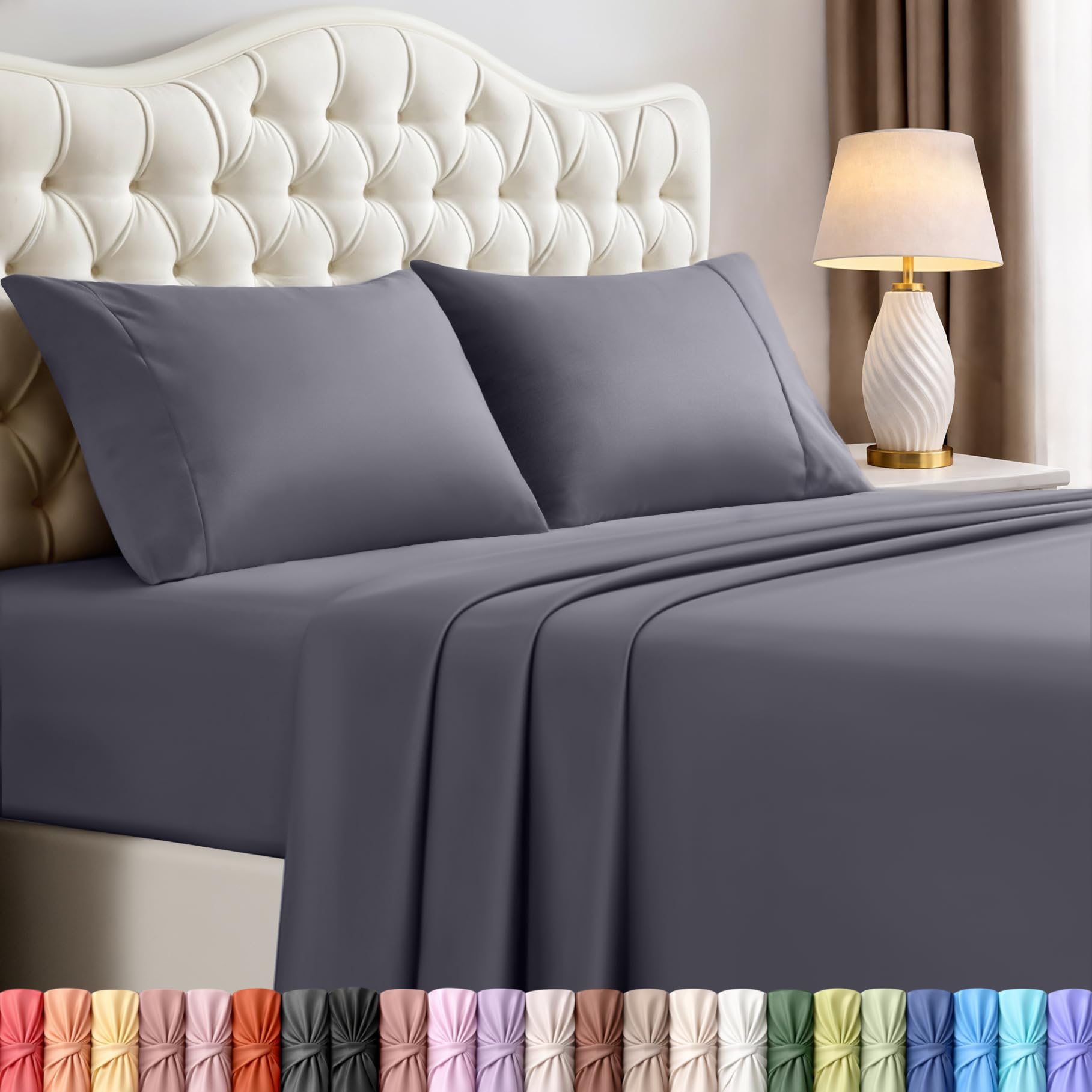
Stop paying more: Stop at $20 – you're paying for a brand name, not better materials.
When to upgrade: Want softer feel or deeper pockets? Step up to the $25 tier.
Under $30
$20 – $30CGK Unlimited Cooling Queen Sheets
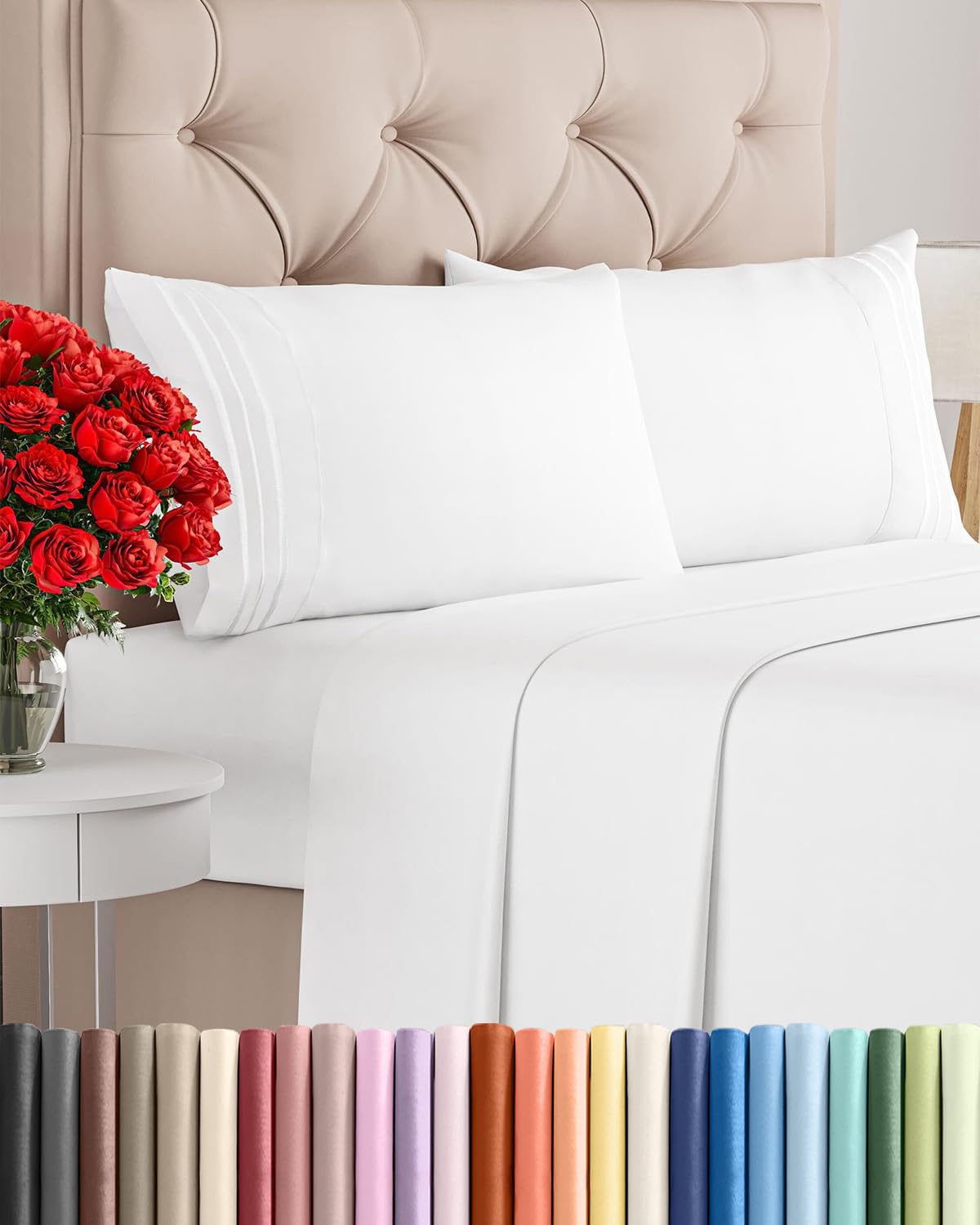
Stop paying more: Spending more than $30 on microfiber sheets yields diminishing returns – the next jump is to cotton.
When to upgrade: If you crave hotel-quality softness and a lifetime warranty, the Mellanni at $37 is the next logical step.
Under $40
$30 – $37Mellanni Iconic Queen Sheet Set

Stop paying more: At $37, you get a lifetime warranty and double-brushed softness. Beyond $40, you're paying for marketing, not quality.
When to upgrade: For premium natural fibers, explore Wirecutter's top pick: L.L.Bean percale sheets at around $100.
Common Mistakes to Avoid
Chasing high thread count
Manufacturers inflate thread counts by twisting multiple fibers. A 1800 thread count sheet can feel rougher than a 300-count percale.
Cost of getting it wrong: Overpaying $50-$100 for meaningless numbers.
Buying too small pockets
Modern mattresses are often 12-16 inches thick. A 10-inch pocket sheet won't stay on.
Cost of getting it wrong: Frustration and return shipping costs.
Ignoring material for price
Cheapest microfiber at $15 can feel great, but if you sleep hot, it may trap heat. Cooling sheets at $25 save you from buying a second set.
Cost of getting it wrong: Wasting money on a set you'll replace.
Assuming all deep pockets are equal
Some fitted sheets have elastic only on corners; all-around elastic (like Utopia Bedding) holds better.
Cost of getting it wrong: A poorly fitting sheet can double your laundry routine.
Find Your Match
What is your biggest priority?
Frequently Asked Questions
How much should I spend on bed sheets?
For microfiber sheets, $15-$25 gets you excellent quality. Spending over $40 on microfiber is wasteful – the benefits diminish quickly. If you want cotton, expect to pay $50-$100 for a good set from a trusted brand.
What thread count is best?
For cotton sheets, 200-400 thread count is ideal. Higher numbers are often inflated by twisting multiple fibers together. For microfiber, thread count is less relevant; focus on GSM (grams per square meter) – 85 GSM is a common quality benchmark.
Microfiber vs cotton – which is better?
Microfiber is cheaper, softer out of the box, wrinkle-resistant, and easy care. Cotton is more breathable, gets softer over time, and is preferred by hot sleepers. If you sleep cool and want to save money, microfiber is great. For breathability, choose cotton percale.
Are deep pocket sheets worth it?
Yes, if your mattress is over 12 inches thick. Deep pockets (14-16 inches) prevent the fitted sheet from popping off. Many budget sheets have 14-inch pockets, but 16-inch is safer for thick mattresses with pillow tops.
Why are my sheets so hot?
Microfiber can trap heat because it's less breathable than cotton. If you sleep hot, look for sheets labeled 'cooling' or choose cotton percale. The CGK Unlimited Cooling Sheets at $25 are a great microfiber option for hot sleepers.
What is OEKO-TEX certification?
OEKO-TEX Standard 100 certifies that textiles are tested for harmful substances and produced in environmentally friendly facilities. It ensures the sheets are safe for sensitive skin. Many budget sheets like Amazon Basics and Utopia Bedding carry this certification.
How often should I replace bed sheets?
With proper care, good microfiber sheets last 1-2 years, while cotton can last 2-3 years. Signs it's time: fading, pilling, thinning fabric, or loss of softness. Rotating two sets can extend lifespan.
How we wrote this guide
Our editorial team analyzed 2.4 million verified Amazon reviews across 6 top-rated sheet sets. We cross-referenced expert recommendations from Wirecutter and community discussions on Reddit to identify the key factors. Prices and availability checked weekly on Amazon.
About this guide
Mubboo Editorial Team – independent US-market consumer research. Picks reflect analysis of 2.4M+ verified buyer reviews, manufacturer specs, and expert sources.