How to Choose the Right Bottles for Homebrewing
Glass, plastic, or flip-top? Find the perfect bottling option for your brew.
By Mubboo Editorial Team · Updated Aug 9, 2026 · 8 min read
At a Glance
- Price range
- $7 – $34
- Data
- Over 53,000 verified reviews analyzed across 6 finalists.
- Best for
- Standard homebrew batchesSmall-batch experimentsBrew-in-a-bag mashing
- Skip if
- You only brew in kegs and don't need bottles.
Types Explained
Glass Flip-Top Bottles
Reusable glass bottles with a hinged ceramic or plastic cap and rubber gasket that create an airtight seal.
- Excellent carbonation retention
- Easy to clean and sanitize
- Reusable for years
- Heavier and breakable
- Requires replacing gaskets over time
Best for: Natural bottle-conditioning of beer
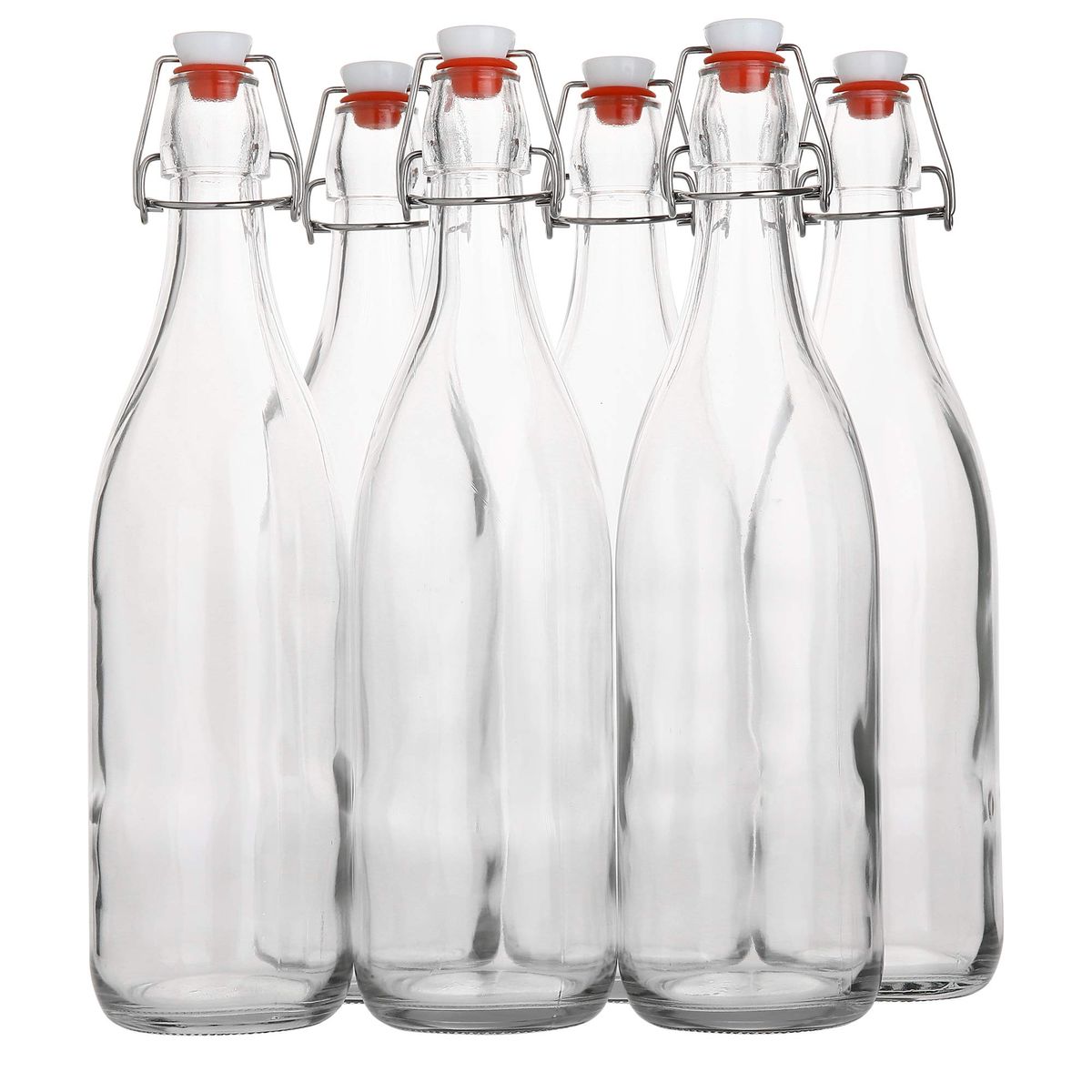
Example: AYL 1L Flip Top Glass Bottles
Plastic Bottles
Lightweight, shatterproof containers often sold in bulk for juicing or other beverages; can be used for bottle-conditioning.
- Unbreakable
- Often lower per-bottle cost
- Lightweight for transport
- May absorb odors and flavors
- Not all are rated for carbonation pressure
- Can scratch and harbor bacteria
Best for: Short-term storage or non-conditioned beverages
Example: SUPERLELE 12oz Plastic Juice Bottles
Brew Bags
Fine nylon mesh bags used for steeping specialty grains or performing brew-in-a-bag (BIAB) all-grain mashing.
- Reusable and machine washable
- 250-micron fine mesh for clear wort
- Cost-effective alternative to a false bottom
- Not a bottling solution
- Mesh can stain over time
Best for: All-grain brewers using the brew-in-a-bag method
Example: Bellamei Brew Bags
What Actually Matters
| Factor | Importance | Best brand |
|---|---|---|
Airtight Seal Must hold pressure for carbonation Swing-top gaskets or crown caps must be intact; a small leak results in flat beer. | Must-have | AYL |
Material (Glass vs Plastic) Glass is preferred for long-term storage Glass won't retain odors and is easier to sanitize; plastic is shatterproof but may absorb flavors. | Must-have | YEBODA |
Bottle Size Match your batch volume: 1L fills roughly 5 per gallon Using uniform sizes simplifies priming sugar calculations; 12oz and 1L are common homemade choices. | Must-have | AYL |
UV Protection (Amber Glass) Amber glass blocks light that can skunk beer; clear glass is fine if bottles are stored in the dark. | Nice-to-have | — |
Included Accessories Funnels and extra gaskets are nice bonuses, but they don't improve the bottle itself; focus on the seal and glass quality. | Marketing BS | — |
Budget Tiers & Top Picks
What to buy at each price point — and exactly where spending more stops paying off.
Budget (Under $25)
$20 – $25YEBODA Clear Glass Beer Bottles 16oz 6-Pack

Stop paying more: At this price, you get 6 standard-sized glass bottles; spending more gets you a bundled 12-pack that lowers the per-bottle cost.
When to upgrade: Step up to the mid-range for a 12-pack of smaller bottles or larger 1L flip-tops.
Mid-Range ($25 – $30)
$25 – $30AOZITA 12 Pack 8.5oz Flip Top Glass Bottles
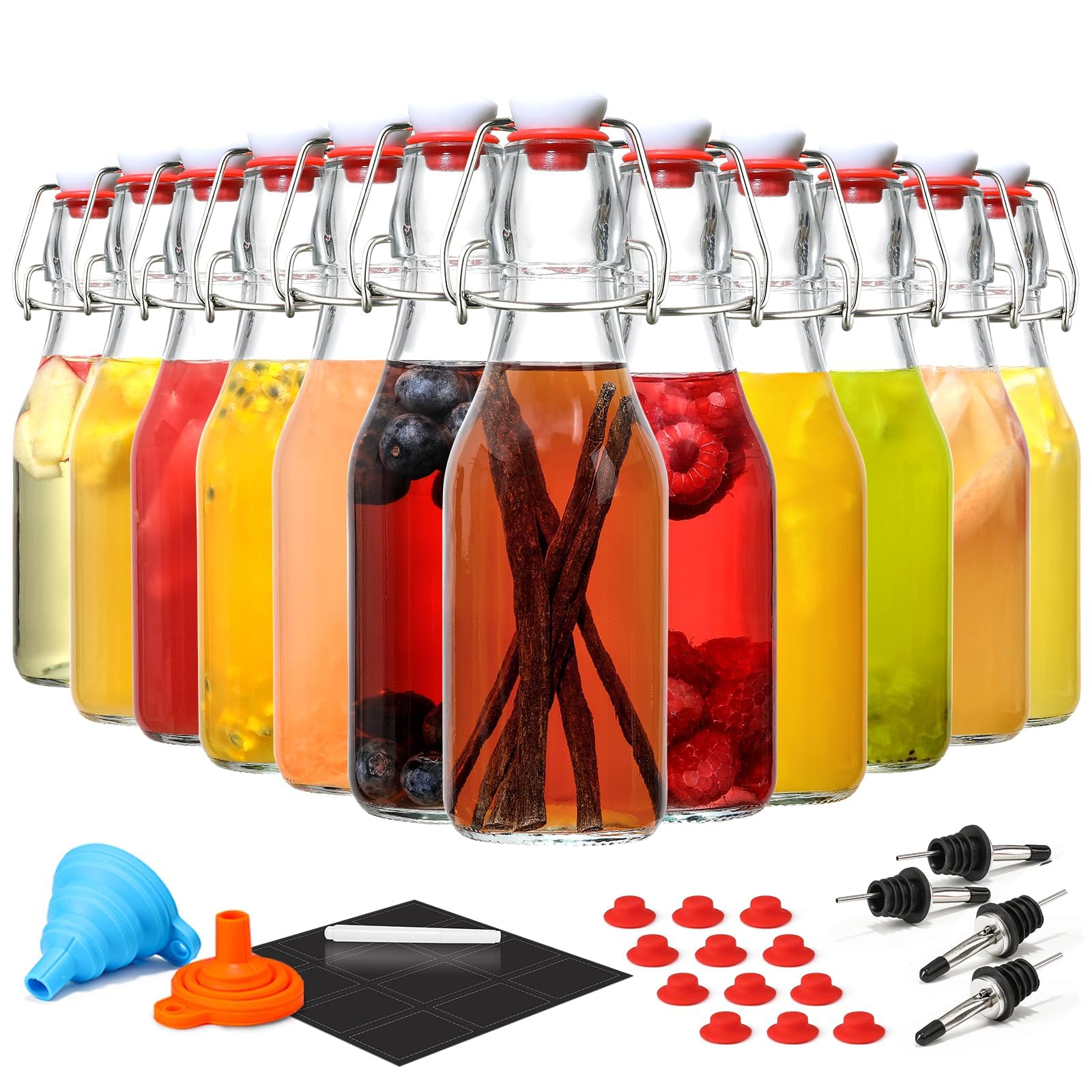
Stop paying more: At $28 for 12 bottles, the per-bottle cost is low. Moving to a 1-liter bottle will give you more beer per bottle at a higher total pack cost.
When to upgrade: If you want larger bottles, the premium tier offers 1-liter flip-tops.
Premium ($30+)
$30 – $35AYL Flip Top Glass Bottle 1L 6-Pack

Stop paying more: For a 5-gallon batch you'll need about 15 bottles, costing roughly $85 total; the convenience of fewer bottles, easy-clean flip tops, and lifetime reuse makes this the top pick.
When to upgrade: No direct upgrade; this tier represents the best value for standard homebrewing.
Common Mistakes to Avoid
Buying too many small bottles
8-ounce bottles require more sanitizing and capping for a full batch, adding hours to bottling day.
Cost of getting it wrong: Extra caps, sanitizer, and time wasted.
Using non-food-grade containers
Containers not rated for acidic liquids can leach chemicals or retain odors, ruining beer flavor permanently.
Cost of getting it wrong: Wasted ingredients and potential health risk.
Skipping the pressure check on swing tops
Old or cracked rubber gaskets lead to slow CO₂ leaks and flat, oxidized beer weeks later.
Cost of getting it wrong: Loss of carbonation — each bottle wasted costs a modest amount in ingredients.
Find Your Match
What's your typical batch size?
Frequently Asked Questions
What is the best bottle for homebrewing?
For most brewers, 1-liter glass flip-top bottles like the AYL are ideal. They hold a generous serving, the swing cap seals carbonation well, and they're easy to clean. Glass avoids plastic flavors and withstands bottle-conditioning pressure better than thin plastic.
How many bottles do I need for a 5-gallon batch?
It depends on bottle size: plan on about 53 12oz bottles, 40 16oz bottles, or roughly 19 1-liter bottles. Having a few extras ready avoids scrambling if you undercount.
Are plastic bottles good for beer?
They can work for short-term storage if rated for carbonation, but glass is preferred. Plastic may absorb cleaning agents or hop oils, and scratches harbor bacteria. For bottle-conditioning, thick PET plastic rated for pressure is safer.
Can I reuse swing-top bottles indefinitely?
Yes, as long as the glass isn't chipped. Replace the rubber gaskets every 5–10 batches or when they show cracks. A bag of replacement gaskets costs a few dollars and keeps every seal tight.
Do I need amber glass bottles to prevent skunking?
Not strictly necessary if you store bottles in a dark closet. Amber glass blocks UV light that reacts with hop compounds; if your fermentation area has fluorescent lights, amber adds protection.
How do I clean homebrew bottles?
Soak in PBW or OxiClean to remove labels and gunk, rinse, then sanitize with Star San right before bottling. A bottle brush reaches corners. Never use dish soap — residue kills head retention.
How we wrote this guide
Synthesized from over 53,000 verified buyer reviews, Reddit homebrewing discussions, and expert video sources. Prices update weekly from Amazon. We focused on seal integrity, material durability, and batch compatibility.
About this guide
Mubboo Editorial Team. Picks based on cross-referenced buyer experiences and manufacturing specs. We don't run hands-on lab tests — instead we amplify what real brewers report after dozens of batches.