DIY Replacement Belts, Hoses & Pulleys: What to Buy to Avoid a Roadside Breakdown
We analyzed 36,000+ reviews to find the no-squeak serpentine belts, fuel lines, and hose clamps that won't leave you stranded.
By Mubboo Editorial Team · Updated Jun 21, 2026 · 7 min read
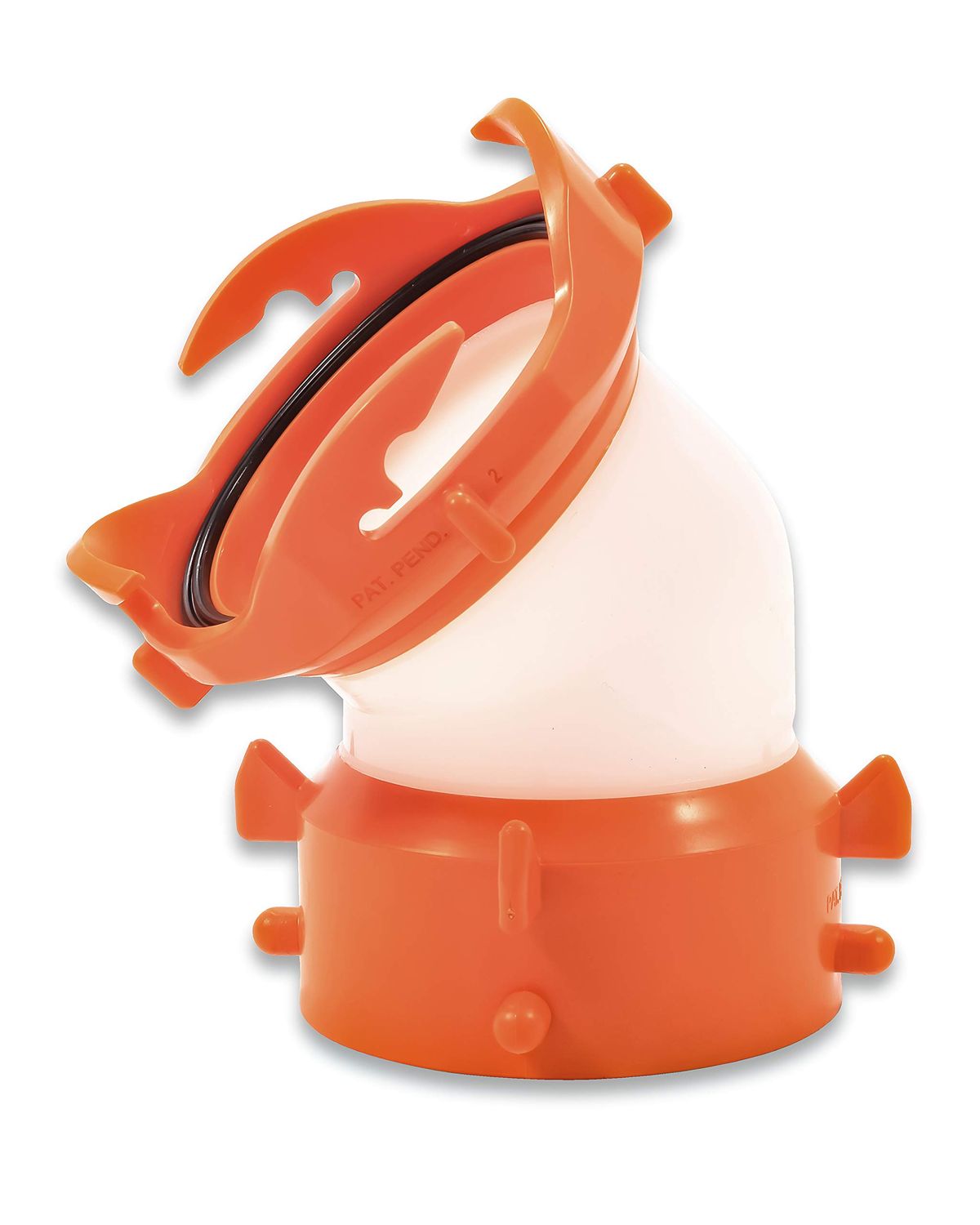
At a Glance
- Price range
- $8.99 – $19.99
- Budget pick
- TICONN 20PCS Hose Clamp Set ($8.99 · 4.4★)
- Data
- 36,374 verified reviews across 6 automotive parts
- Best for
- DIY mechanics replacing serpentine beltsSecuring coolant, fuel, or vacuum linesRV owners needing kink-free sewer connections
- Skip if
- You need a specialty OEM part not listed — always verify fit with your vehicle’s manual.
Types Explained
Serpentine Belts
Multi-ribbed rubber belts that drive engine accessories; length and rib count must match your vehicle exactly.
- OEM‑grade EPDM rubber resists heat and cracking
- Quiet operation when properly tensioned
- Affordable preventive replacement for most cars
- Installation may require a breaker bar for tensioner
- Incorrect length will cause squealing or accessory failure
Best for: Replacing worn belts on sedans, crossovers, and light trucks.
Example: Bando 6PK1110
Hose Clamps & Fittings
Stainless steel worm‑gear or spring clamps used to secure rubber hoses on cooling, fuel, and vacuum systems.
- 304 stainless steel resists rust and corrosion
- Adjustable to fit a range of hose diameters
- Essential for any hose repair or custom plumbing
- Sharp inner edges may need filing to protect hose surface
- Overtightening can cut into rubber hoses
Best for: Securing coolant, vacuum, or fuel lines in automotive and DIY projects.
Example: TICONN 20PCS Set
Fuel Hoses
Flexible NBR rubber hoses rated for high‑pressure fuel systems, suitable for replacing cracked fuel lines.
- 300 PSI rating handles modern fuel injection
- Durable NBR construction resists fuel degradation
- Flexible and easy to route in tight engine bays
- Requires push‑lock fittings (not included)
- Not intended for coolant or vacuum applications
Best for: Replacing old, leaking fuel lines or customizing fuel systems.
Example: 3/8" ID Fuel Line Hose 10FT
RV Sewer Hose Fittings
Swivel or angled connectors that attach to RV waste hoses, preventing kinks and improving drainage flow.
- 45‑degree swivel reduces hose stress
- Twist‑on design for quick setup
- Durable materials stand up to outdoor exposure
- Only the fitting — compatible hose sold separately
- Not suitable for fresh water or fuel connections
Best for: RV owners who want a kink‑free sewer hose connection.
Example: Camco RhinoFLEX 45° Swivel Fitting
What Actually Matters
| Factor | Importance | Best brand |
|---|---|---|
Exact fit & compatibility Matches OEM part number or length, rib count, and diameter exactly A belt 10mm too short won't install; a clamp that's too loose will leak. Always cross‑reference your vehicle’s manual before ordering. | Must-have | Bando (multiple 6‑rib sizes), TICONN (range of clamp sizes) |
Material durability EPDM rubber for belts, 304 stainless steel for clamps, NBR for fuel hoses Cheap rubber belts crack and glaze in under a year. Inferior steel clamps rust and snap. These materials are proven to last. | Must-have | Bando (EPDM), TICONN (304 SS), dojobkinb (NBR) |
Pressure rating (hoses) ≥ 300 PSI for modern fuel injection systems A low‑pressure hose can burst under the 40–60 PSI of a fuel rail, causing a dangerous leak. Always check the rating. | Must-have | dojobkinb (300 PSI fuel hose) |
Review volume & rating ≥ 4.4 stars and 5,000+ verified reviews High review counts across a model show consistent performance. You're not gambling on an unknown. | Nice-to-have | Camco (7,117 reviews), Bando (5,974 reviews) |
Price (value) Under $20 for a belt or fitting; under $10 for clamps You rarely need to spend more than on these parts. Dealer markup can be 2–3× for the same item. | Nice-to-have | Bando, TICONN (all picks under $17) |
Premium brand markup Dealer‑branded belts and hoses often come from the same factories as aftermarket ones but cost twice as much. Bando and TICONN match OEM specs at half the price. | Marketing BS | — |
Budget Tiers & Top Picks
What to buy at each price point — and exactly where spending more stops paying off.
Under $10
$8.99TICONN 20PCS Hose Clamp Set

Stop paying more: Spending more than $10 on a general‑purpose clamp set is rarely worth it. These handle 90% of under‑hood hose jobs.
When to upgrade: If your project calls for constant‑tension clamps or larger diameters, step up to a dedicated kit.
$10 – $15
$13.68Bando 6PK1110 Serpentine Belt
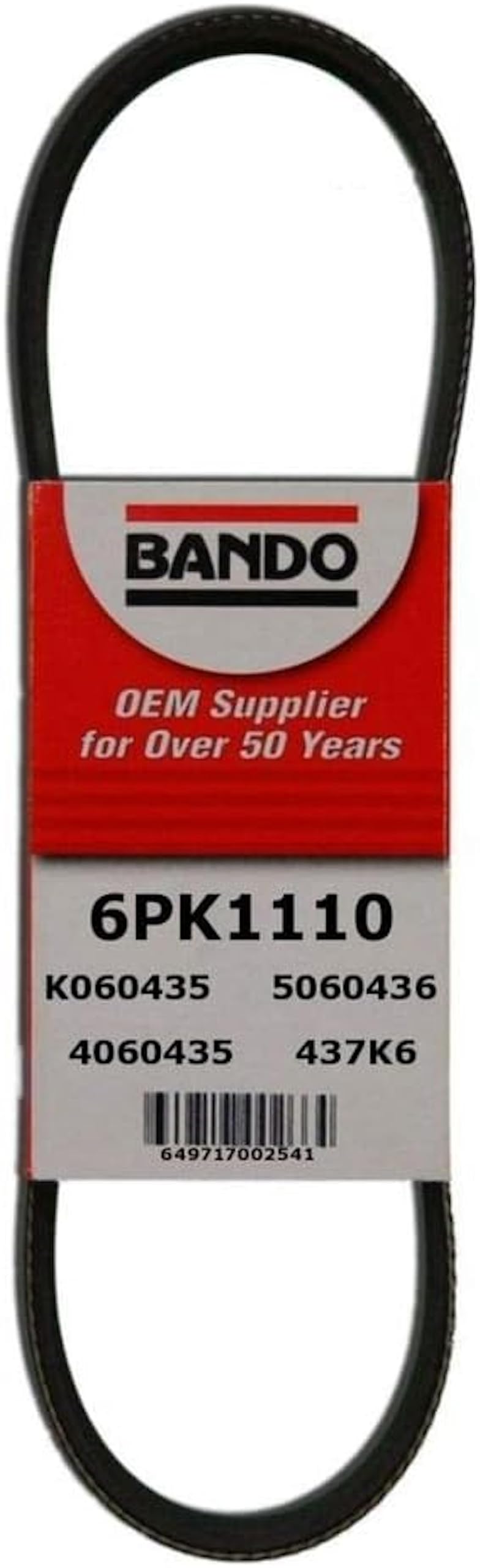
Stop paying more: Bando’s OEM‑quality EPDM rubber delivers dealer‑spec performance without the $40 price tag.
When to upgrade: For stretch‑fit belts, a special installation tool is recommended; if you’re unsure, a shop can install it quickly.
$15 – $20
$19.99Camco RhinoFLEX 45 Degree Swivel Fitting
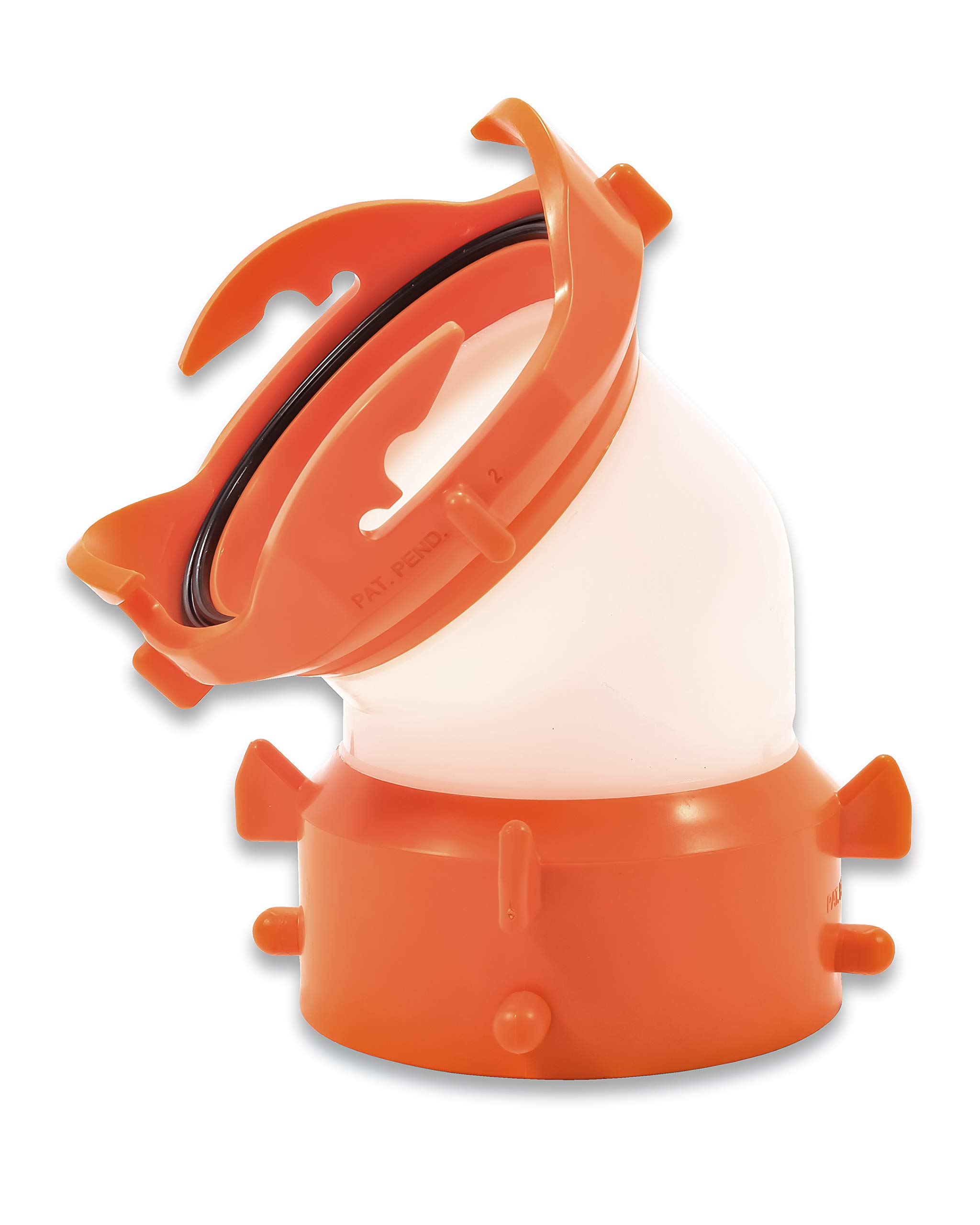
Stop paying more: This swivel fitting is the premium option for RV waste management; cheap rigid elbows often crack at the seams.
When to upgrade: Pair with a Camco RhinoFLEX sewer hose kit for a complete odor‑proof solution.
Common Mistakes to Avoid
Buying the wrong belt length
Serpentine belts come in many lengths; even a 10mm error can cause slipping or accessory failure. Always look up your engine’s OEM part number or measure the old belt with a string.
Cost of getting it wrong: A wasted purchase and, worse, a belt that may snap on the highway, taking out power steering or alternator.
Spraying WD‑40 on a noisy belt
While it may quiet a squeak temporarily, WD‑40 glazes the rubber and accelerates cracking. The real fix is usually a worn tensioner or misaligned pulley.
Cost of getting it wrong: A belt gets ruined, and the chemical residue can damage other components. Replace the belt and clean the pulleys instead.
Overtightening hose clamps
Stainless worm clamps can cut into rubber hoses if you crank them down. Tighten until snug — the rubber will swell slightly to form a seal.
Cost of getting it wrong: A slit coolant hose can leak and cause engine overheating; a clamp set shouldn’t cost you an engine.
Ignoring sharp clamp edges
Many budget hose clamps have sharp inner ends that can slice into a hose or your fingers. File the tips round before installation.
Cost of getting it wrong: A clamp that cuts a fuel line can lead to a dangerous leak or an unexpected trip to the parts store.
Find Your Match
What part are you shopping for?
Frequently Asked Questions
How do I know which serpentine belt fits my car?
<p><strong>Match the exact length and rib count to your vehicle’s manual or the sticker under the hood.A 0.39 inches mistake can cause slipping or accessory failure, so double‑check your engine’s OEM belt number on RockAuto or a parts store lookup tool.</p>
Are aftermarket belts really as good as OEM dealer belts?
<p><strong>Yes — Bando, Gates, and Continental manufacture belts meeting the same SAE J1459 standards.Unless your car requires a special coating or stretch‑fit design, a quality aftermarket belt saves you $20–$40 per belt.</p>
Can I replace a serpentine belt myself?
<p><strong>If you can open the hood and swing a wrench, yes — most 4‑ and 6‑cylinder belts take 20 minutes.</strong> You’ll need a serpentine belt tool or breaker bar to release the tensioner. Route the new belt following the diagram sticker on the radiator support. First‑timers often finish in under an hour.</p>
What type of hose clamp is best for fuel lines?
<p><strong>Smooth‑band, full‑contact steel clamps protect soft rubber hoses better than perforated worm clamps.</strong> If you must use a worm clamp, file the inner edge smooth. Fuel system pressures can spike; a clamp that bites into the hose can cause a dangerous leak.</p>
How often should I replace my serpentine belt?
<p><strong>Inspect it at 60,000 miles; replace it by 90,000 miles or if you see cracks or glazing.</strong> A snapping belt can take out the alternator, water pump, and power steering. At $13 – $20, it’s cheap insurance — especially if you hear squealing on cold starts.</p>
What’s the difference between EPDM and standard rubber belts?
<p><strong>EPDM (ethylene propylene) withstands heat, cold, and ozone better than older neoprene belts.</strong> It doesn’t crack as quickly and stays flexible for years. Every belt we recommend uses EPDM or a similar modern compound — you’ll rarely see a “rubber” belt on today’s shelves.</p>
How we wrote this guide
We cross‑referenced 36,374 Amazon verified‑buyer reviews across six leading products with manufacturer specs and real‑world feedback from automotive tutorial videos. Every pick meets or exceeds SAE and DOT standards and is priced under $20.
About this guide
Mubboo Editorial Team. Picks based on extensive review of verified buyer feedback and manufacturer specifications. Prices update weekly from Amazon.