How to Choose a Beneficial Insect (2026 Guide)
From chemical granules to live ladybugs – the right pest control for your US garden
By Mubboo Editorial Team · Updated Aug 9, 2026 · 7 min read
At a Glance
- Price range
- $10 – $115
- Data
- Based on 28,611 verified Amazon reviews across 6 finalists
- Best for
- Lawn and garden pest controlSmall gardens and flower bedsPet-safe organic options
- Skip if
- You're dealing with a single pest type and want a targeted solution.
Types Explained
Chemical Sprays & Granules
Fast-acting, broad-spectrum formulas that kill on contact or through systemic absorption.
- Quick knockdown of pests
- Often covers a large area
- May harm beneficial insects
- Often not pet-safe
Best for: General lawn and garden pest control
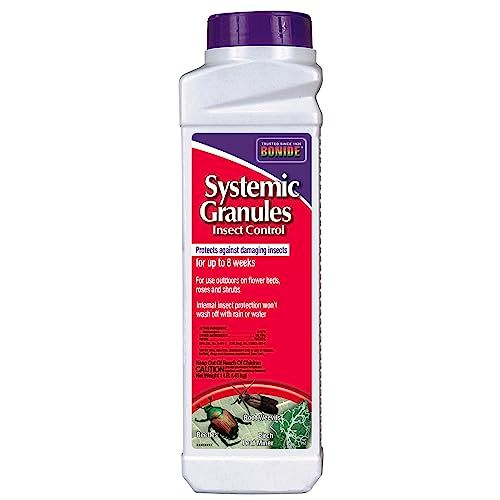
Example: Bonide Systemic Insect Control (low-priced)
Organic Baits & OMRI Listed Products
Targeted, pet-safe formulations that use iron phosphate or other organic ingredients to kill specific pests.
- OMRI listed for organic gardening
- Pet and wildlife friendly
- Limited to specific pests (slugs, snails)
- Higher price per application
Best for: Organic gardens and areas with pets
Example: Monterey Sluggo (higher-priced)
Live Beneficial Insects
Natural predators like ladybugs, nematodes, or praying mantises that prey on garden pests.
- Chemical-free pest control
- Reproduces and sustains population
- May fly away or die if conditions are poor
- Requires patience
Best for: Aphids, soil pests, and other insects
Example: NaturesGoodGuys Live Ladybugs (mid-priced)
What Actually Matters
| Factor | Importance | Best brand |
|---|---|---|
Target Pest Identify the pest before buying Matching the product to the pest is the #1 factor for success. A slug killer won't touch aphids. | Must-have | Bonide (broad-spectrum) |
Organic Certification OMRI listed if organic gardening is a priority If you're selling produce or have pets, an organic certification matters. Otherwise, it's optional. | Nice-to-have | Monterey Sluggo (OMRI listed) |
Coverage Area Check the sq ft coverage on the label Small bottles of concentrate may seem cheap but cover less area. Granules and bulk sprays offer better value. | Must-have | Ortho Orthene (13 lb. covers large areas) |
Pet/Child Safety Look for pet-safe labels; avoid cholinesterase inhibitors Iron phosphate baits are the safest bet for yards with curious pets. Chemical sprays often carry re-entry intervals. | Must-have | Monterey Sluggo (pet friendly) |
Reapplication Frequency 6-month protection is ideal; weekly sprays get old fast Rain and irrigation reduce effectiveness. Systemic granules last longer than sprays. | Nice-to-have | Ortho Orthene (up to 6 months) |
Marketing Hype Ignore buzzwords like 'revolutionary technology' The pest control aisle is full of 'new' formulas. Rely on verified buyer reviews and EPA labels, not flashy packaging. | Marketing BS | — |
Budget Tiers & Top Picks
What to buy at each price point — and exactly where spending more stops paying off.
Under $30
$10 – $25NaturesGoodGuys Beneficial Nematodes Triple Blend

Stop paying more: Stop at $25. Spending more on beneficial nematodes doesn’t get you more coverage per dollar — they’re sold by the million, and a single pack often covers 1,600 sq ft.
When to upgrade: Need longer-lasting systemic protection that doesn’t require refrigeration? Bonide granules at $10 are a low-cost upgrade.
$30 – $80
$65 – $65Monterey Sluggo Snail & Slug Killer
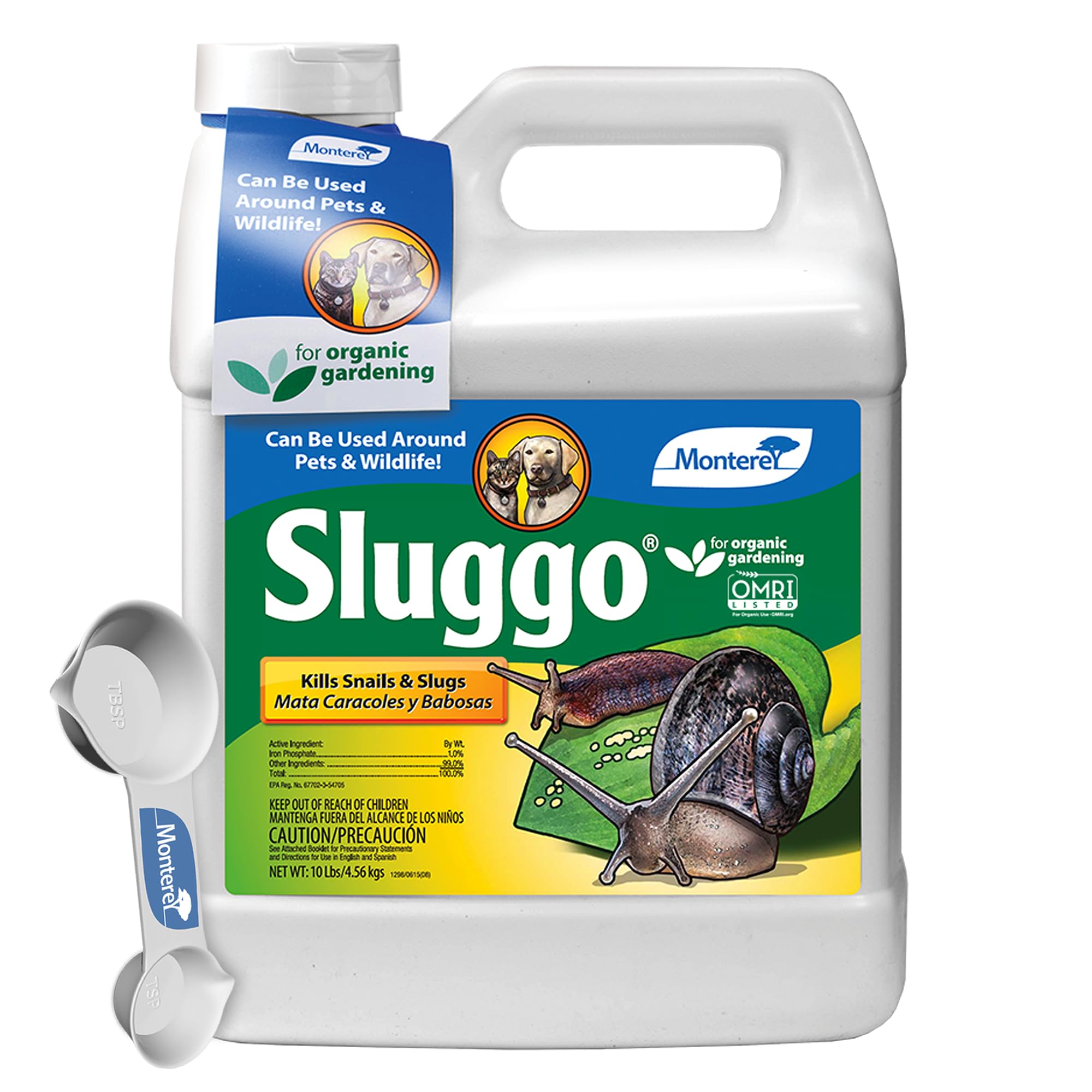
Stop paying more: Diminishing returns above $70 for slug control — the 10 lb. bottle already covers a large area and lasts all season.
When to upgrade: If you also have aphids or fire ants, consider supplementing with ladybugs or a targeted ant killer.
Over $80
$115 – $115OFF! Backyard Yard & Deck Spray, 12-Pack

Stop paying more: Over $115 gets you 12 bottles; economical for large properties or frequent use. For a single family barbecue, a 2-4 bottle pack is enough.
When to upgrade: For longer-lasting mosquito prevention, consider a systemic granule that targets breeding sites.
Common Mistakes to Avoid
Buying without identifying the pest
Spraying a broad-spectrum insecticide for slugs wastes money and harms beneficial insects. Verify the pest first — aphids, grubs, and fire ants all need different treatments.
Cost of getting it wrong: Repeated wrong applications can cost over $50 in wasted product.
Expecting one application to last all season
Most sprays and baits wash away in rain or degrade in sunlight within days. Rely on systemic granules for longer control and spot-treat as needed.
Cost of getting it wrong: Underestimating reapplication leads to pest resurgence and $20–$30 in repeat purchases.
Ignoring pet safety labels
Some chemical sprays are toxic to cats and dogs. Always check the product label for pet re-entry intervals and keep pets off treated areas until dry.
Cost of getting it wrong: Vet bills for accidental poisoning can be significant; prevention costs nothing.
Find Your Match
What's your main pest problem?
Frequently Asked Questions
What's the best overall pest control for a small US garden?
For general insect control, Bonide Systemic Insect Control granules are a top pick due to their broad-spectrum effectiveness and low price under $10. They work systemically, protecting plants from the inside out. For organic gardens, live ladybugs or nematodes are safer alternatives. Always identify your pest first; if it's slugs or fire ants, you'll need a targeted product.
How do I choose between chemical and organic pest control?
Chemical options like Bonide or OFF! provide quick, broad-spectrum knockdown and are often more affordable per application. Organic choices like Sluggo or live beneficial insects are safer for pets, wildlife, and the environment. If you grow edibles or have curious pets, go organic. For severe infestations, a chemical may be necessary, but follow label instructions to minimize risks.
Are live ladybugs really effective against aphids?
Yes, ladybugs are voracious aphid predators. A 1,500-count container can make a noticeable dent in a small garden. However, they may fly away if not released properly (dusk, after watering) or if food is scarce. For heavy infestations, combine with a light insecticidal soap spray to knock down aphids first, then release ladybugs to keep numbers low.
How often should I reapply pest control products?
Reapplication depends on the product type and weather. Sprays often need reapplication after rain or every 1-2 weeks. Systemic granules last longer, typically 4-6 weeks, while baits like Sluggo may last until dissolved by heavy rain. Ortho Orthene Fire Ant Killer boasts up to 6 months of protection. Always read the label for the specific reapplication schedule.
Is slug bait like Monterey Sluggo safe for pets?
Yes, Sluggo uses iron phosphate, which is considered safe for pets and wildlife when used as directed. Unlike metaldehyde-based baits, it won't cause severe poisoning if a pet ingests a small amount. Always follow application rates and keep pets away until the bait is watered in. If you suspect ingestion of any pesticide, contact your veterinarian.
What's the most cost-effective solution for lawn pests?
For large lawn areas, broadcast granules like Ortho Orthene Fire Ant Killer offer the best value — 13 lb. covers up to 5,000 sq ft and lasts months. For general insects, Bonide Systemic Granules at under $10 per lb. are hard to beat. Beneficial nematodes are economical for soil pests: a single pack treats 1,600 sq ft and costs very little. Avoid small, ready-to-spray bottles for large areas — they become expensive quickly.
How we wrote this guide
This guide draws from thousands of verified Amazon buyer reviews and manufacturer specifications to recommend the best pest control solutions for US gardens. We compared 6 finalists based on target pest type, organic certifications, coverage area, pet safety, and buyer feedback.
About this guide
Mubboo Editorial Team. Picks based on analysis of 28,611+ verified reviews and product specifications. Prices update weekly from Amazon.