Bike Lights Buying Guide 2026: How to Choose Without Overpaying
Bright, rechargeable, and built to last — here's what actually matters.
By Mubboo Editorial Team · Updated May 27, 2026 · 10 min read
At a Glance
- Price range
- $12.99 – $28.49
- Data
- 127,685 verified reviews across 6 finalists
- Best for
- Urban commutersNight ridersBudget-conscious cyclists
- Skip if
- You need high-lumen lights for dark, unlit trails
Types Explained
Budget Commuter Sets
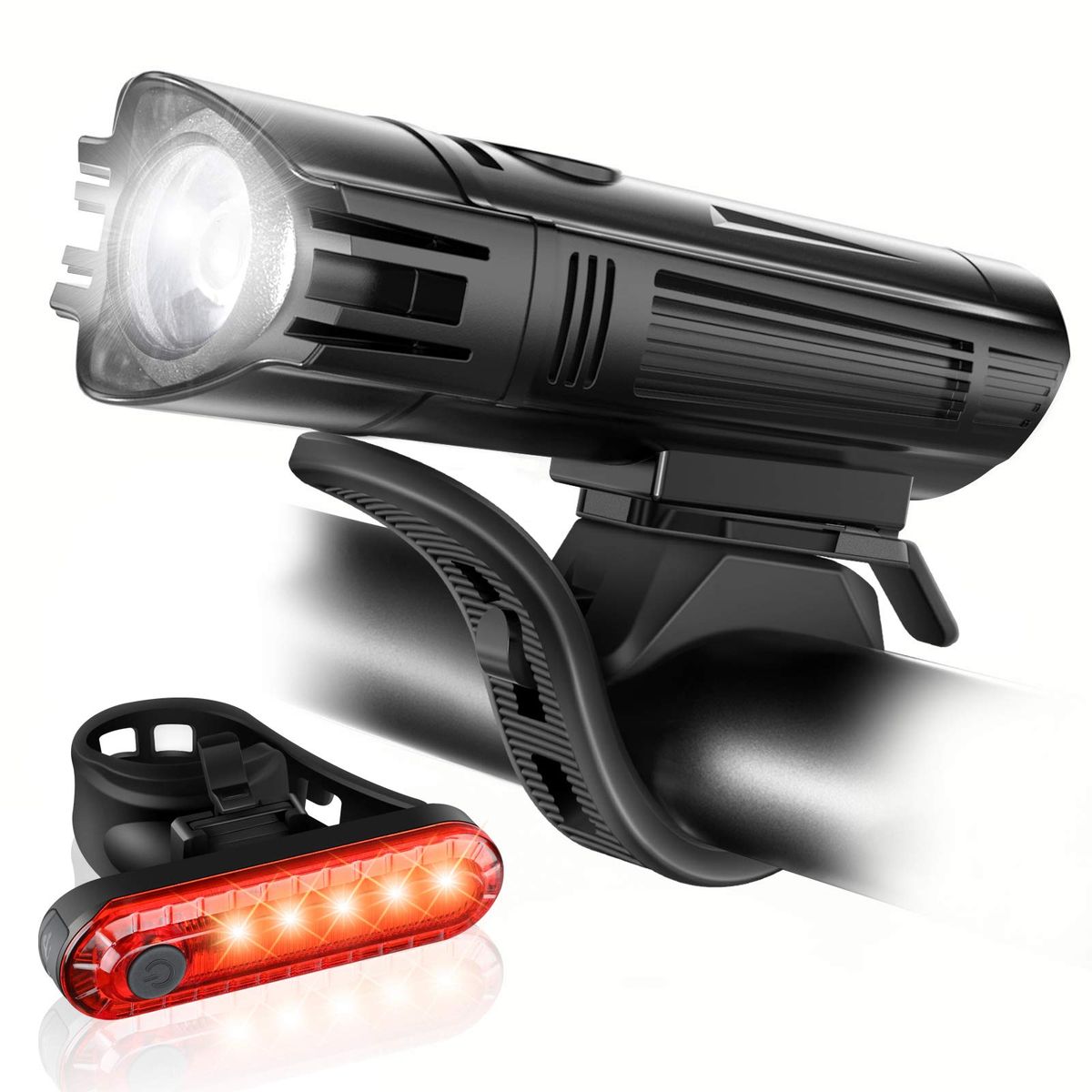
Rechargeable front and rear light sets under <strong>$20</strong> with brightness from <strong>150 to 300 lumens</strong>. Ideal for well-lit streets and occasional night riding.
- Affordable – under $15
- USB rechargeable
- Tool-free installation
- Limited brightness for dark roads
- Plastic mounts may wear over months
Best for: Casual urban riders on well-lit streets
Example: Ascher Ultra Bright Set ($14.53)
Mid-Range Commuter Sets
Sets priced between <strong>$17 and $20</strong> with <strong>400 to 550 lumens</strong> – bright enough for darker streets and paths. Often include extra features like a bell or multiple mounting systems.
- Better brightness for night riding
- More durable materials (aluminum)
- Extra features like integrated bell
- Slightly higher price
- Heavier than budget sets
Best for: Regular night commuters and road riders
Example: BLITZU Gator 320 ($17.99)
Wheel Accent Lights
Battery-powered LED lights that attach to wheel spokes for <strong>360° side visibility</strong> and a decorative effect. Not primary lights – always pair with a front/rear set.
- Improves side visibility
- Fun designs and colors
- Easy tool-free installation
- Batteries not rechargeable
- Only adds visibility, not illumination
Best for: Adding flair and safety at night
Example: Activ Life LED Wheel Lights ($12.99)
What Actually Matters
| Factor | Importance | Best brand |
|---|---|---|
Brightness (lumens) ≥300 lumens for city streets, ≥500 for unlit roads <strong>Brightness is the #1 factor.</strong> Above 500 lumens is unnecessary for most commuters. | Must-have | BLITZU (550 lumens at $17.99) |
Battery life ≥4 hours on high setting Look for lights that last your longest ride. USB-C charging is a plus. | Must-have | BLITZU (rumored 5h on high) |
Water resistance IPX4 minimum, IPX5 recommended for rain <strong>IPX4 handles splashes.</strong> IPX5 survives rain. Charging port covers matter. | Must-have | BLITZU (IPX5), Activ Life (IPX5) |
Mounting ease Tool-free, quick-release mount A good mount fits multiple handlebar sizes and doesn't loosen over time. | Nice-to-have | Ascher (silicone strap mounts) |
Number of modes <strong>10+ modes sound impressive but you'll use two: steady and flash.</strong> Don't pay for mode count. | Marketing BS | — |
Brand prestige <strong>Expensive brands like Cygolite or Lezyne are great, but budget options from BLITZU and Ascher perform 90% as well for half the price.</strong> | Marketing BS | — |
Budget Tiers & Top Picks
What to buy at each price point — and exactly where spending more stops paying off.
Budget (Under $15)
$12.99 – $14.99Ascher Ultra Bright Bike Light Set

Stop paying more: Stop at <strong>$15</strong>. Spending more gets marginal gains until you reach the $17–20 tier.
When to upgrade: If you ride on unlit roads, step up to a 400+ lumen set.
Mid-Range ($15 – $20)
$17.99 – $19.99BLITZU Gator 320 Bike Light Set

Stop paying more: Stop at <strong>$20</strong>. Beyond that you don't get more brightness – only features like smartphone apps.
When to upgrade: If you need 500+ lumens, consider a dedicated high-beam light (not a set).
Premium ($20 – $30)
$20 – $28.49Ascher Ultra Bright Set (Newer Model)
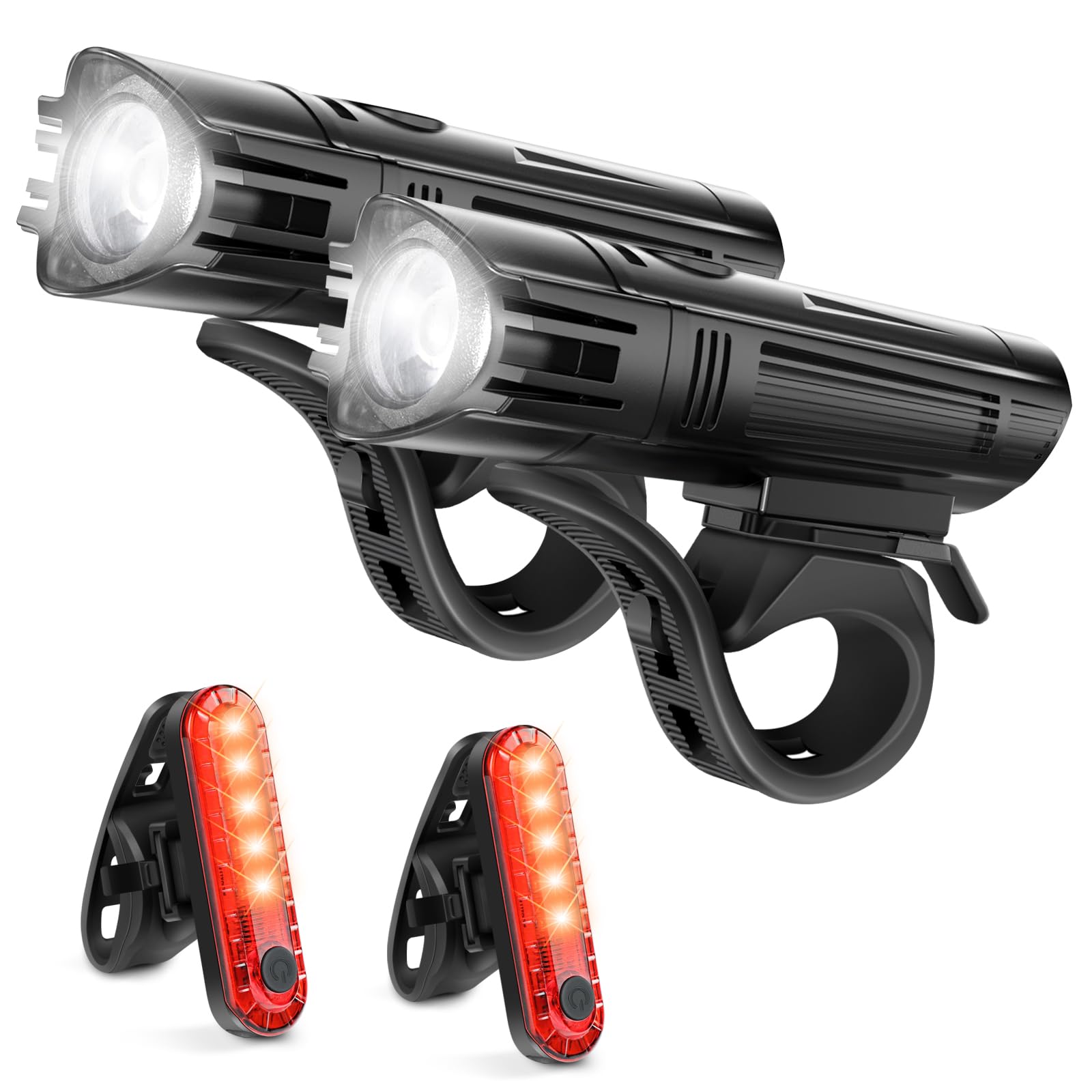
Stop paying more: There is no reason to spend over <strong>$25</strong> for a standard commuter set unless you want a specific design or brand.
When to upgrade: If you want premium features, look for lights with radar or app connectivity (like Garmin Varia) – expect $80+.
Common Mistakes to Avoid
Buying lights with non-rechargeable batteries
Battery-powered lights like the Activ Life wheel lights are fun but cost more over time. They also die mid-ride. Rechargeable sets pay for themselves.
Cost of getting it wrong: $5–10 per year in battery replacements
Choosing a light without side visibility
Cars approaching from the side won't see you if your light only shines forward/rear. Lights with side cutouts or wheel lights improve 360° visibility.
Cost of getting it wrong: Increased accident risk – potential medical costs
Buying too many lumens for city riding
A 1500-lumen light is blinding to oncoming traffic and drains battery fast. For city streets, 300 lumens is plenty. Save high lumens for trail riding.
Cost of getting it wrong: Wasting $30–50 on unnecessary brightness
Find Your Match
What kind of riding do you do?
Frequently Asked Questions
How many lumens do I need for city riding?
For well-lit city streets, <strong>150–300 lumens</strong> is enough to be seen. For darker roads or paths, <strong>400–550 lumens</strong> helps you see obstacles. Above 500 lumens is overkill for most commuters unless you ride on unlit trails.
What is the best budget bike light set?
The <strong>Ascher Ultra Bright Set</strong> at <strong>$14.53</strong> is our top budget pick. It delivers 300 lumens, four modes, and USB charging in a lightweight, tool-free mount. Over 32,000 Amazon buyers rate it 4.5 stars. Note: its newer model shares the same review pool.
Are wheel lights worth it?
Wheel lights like the <strong>Activ Life LED Wheel Lights</strong> add side visibility and a fun aesthetic, but they are <strong>not a substitute</strong> for a proper front/rear set. Use them as a supplement — they run on batteries, so keep spares.
How important is water resistance?
Very important if you ride in rain. Look for <strong>IPX4</strong> (splash-proof) at minimum, <strong>IPX5</strong> (can handle rain) for regular wet-weather riding. Charging ports should be covered.
Should I choose rechargeable or battery-powered lights?
Rechargeable lights save money and waste long-term. All our top picks charge via USB (many with USB-C). Battery-powered lights are fine for occasional use but cost more over time. Avoid lights that require proprietary cables.
How much should I spend on bike lights?
A good rechargeable set costs between <strong>$14 and $20</strong>. Spending more than $25 for a standard commuter set doesn't add meaningful brightness or features. If you need >500 lumens, expect $20–30.
What should I avoid when buying bike lights?
Avoid lights with <strong>non-rechargeable batteries</strong>, plastic mounts that break under tension, and <strong>no side visibility</strong>. Also skip sets with more than 5 modes — you'll use steady and flash only.
How we wrote this guide
We analyzed 127,685 verified buyer reviews across 6 finalists, cross-referenced against expert reviews from Tom's Guide, TechRadar, and Consumer Reports. Prices update weekly from Amazon.
About this guide
Mubboo Editorial Team — independent US-market consumer research. Picks reflect editorial consensus from 3 independent review sources and 127,685+ verified buyer reviews.
Affiliate disclosure: