Bikes Buying Guide 2026: How to Choose Without Overpaying
Expert advice for every rider—from training wheels to fat tires
By Mubboo Editorial Team · Updated Aug 9, 2026 · 8 min read
At a Glance
- Price range
- $78 – $650
- Budget pick
- COSTWAY 12 Inch Kids Bike ($78.84)
- Data
- Based on over 4,300 verified Amazon reviews across 6 models
- Best for
- Riders seeking all‑terrain capabilityParents buying a first bike for a toddler
- Skip if
- You need a competitive road racing bike—these picks focus on casual, recreational, and kids' use.
Types Explained
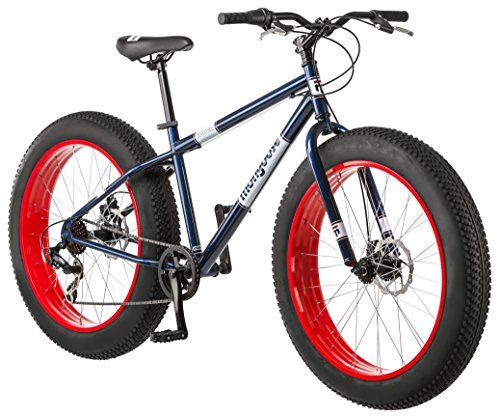
Fat Tire Bike
Wide 3‑4 inch tires for sand, snow, and rough terrain.
- Excellent flotation on soft surfaces
- Stable at low speeds
- Heavier and slower on pavement
Best for: Beach, snow, and off‑road adventurers
Example: Mongoose Dolomite (high-end)
BMX Bike
Small 20‑inch wheels and a strong frame for tricks and park riding.
- Nimble and responsive for stunts
- Durable chromoly frame
- Single‑speed limits cruising
Best for: Park and street trick riders
Example: Mongoose Legion L80 (mid-range)
Kids Bike (with training wheels)
Small wheels (12‑18 inches) with removable training wheels for beginners.
- Low standover height for safety
- Training wheels provide stability
- Limited gearing and speed
Best for: Toddlers and young children learning to pedal
Example: COSTWAY 12‑inch (budget-friendly)
What Actually Matters
| Factor | Importance | Best brand |
|---|---|---|
Wheel size and tire width ≥3 inches wide for soft terrain Wider tires provide flotation; 4‑inch fat tires handle sand and snow, while 2‑inch tires are better for pavement. | Must-have | Mongoose (fat tire models) |
Frame material Steel for durability, aluminum for lighter weight Steel frames are strong but heavy; aluminum reduces weight for easier carrying. | Must-have | Mongoose (chromoly and steel) |
Brake type Disc brakes for off‑road, coaster brakes for kids Mechanical disc brakes offer better stopping power in wet conditions; coaster brakes are intuitive for young riders. | Must-have | Mongoose (mechanical disc brakes) |
Gearing 7‑speed for varied terrain Multi‑speed bikes tackle hills and headwinds; single‑speed is fine for flat neighborhoods. | Nice-to-have | — |
Suspension On bikes under $500, cheap suspension adds weight with minimal benefit. Rigid frames with fat tires or proper technique work better. | Marketing BS | — |
Color and design Bikes are tools, not fashion. A flashy paint job doesn't improve performance; focus on fit and components. | Marketing BS | — |
Budget Tiers & Top Picks
What to buy at each price point — and exactly where spending more stops paying off.
Budget (Under $100)
$78 – $96COSTWAY 12 Inch Kids Bike
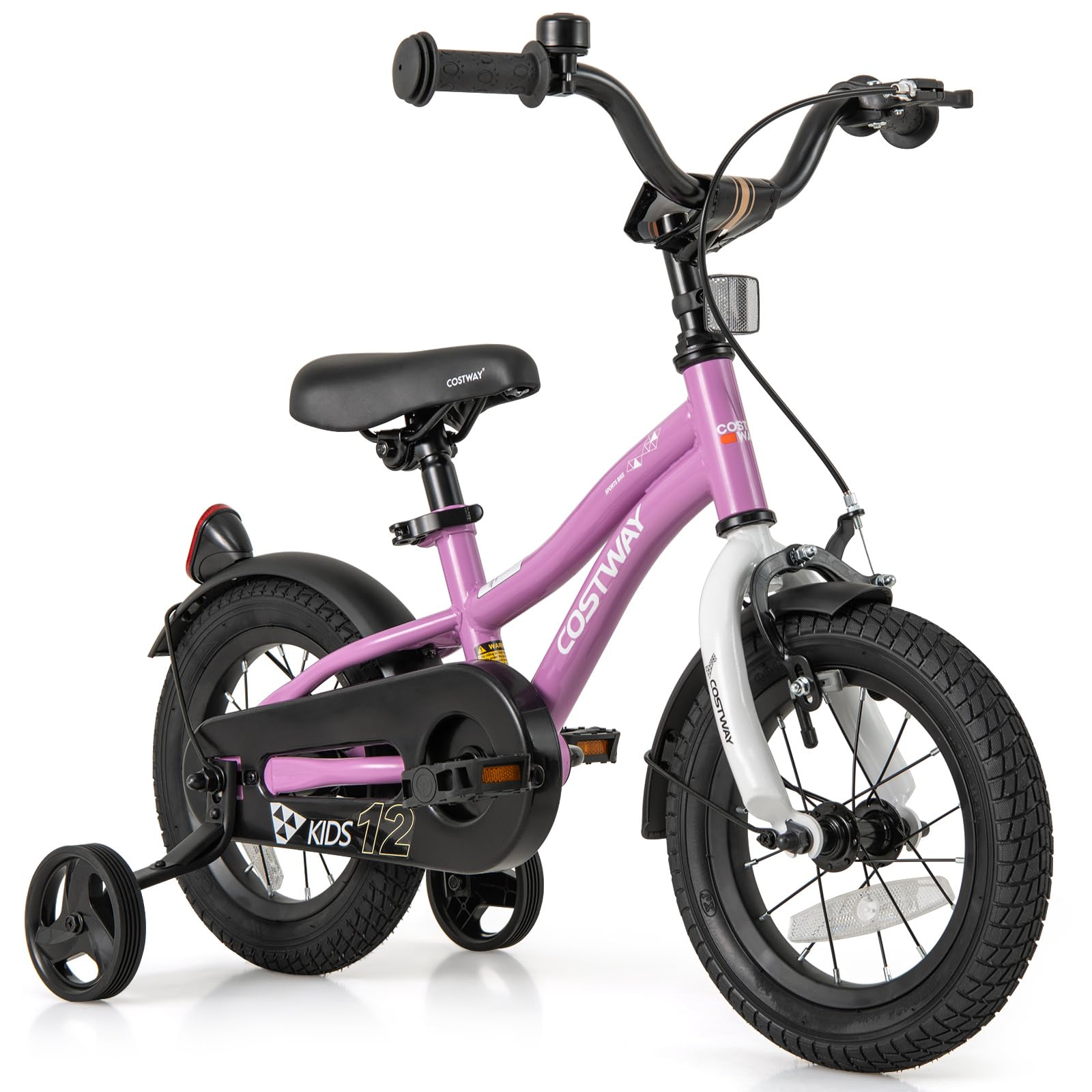
Stop paying more: At this price, training wheels and dual brakes are standard; spending more won't get you a better kids' bike.
When to upgrade: When your child outgrows 12‑inch wheels, move to a 14‑inch or larger bike.
Mid‑Range ($100 – $400)
$119 – $350Mongoose Legion L80 Freestyle BMX Bike

Stop paying more: Beyond $400, you enter premium fat tire and full‑suspension territory, but for BMX and basic mountain bikes, $350 gets a sturdy chromoly frame.
When to upgrade: If you need fat tires for sand/snow or gears for varied terrain, step up to a bike over $500.
Premium ($400 – $700)
$650Mongoose Dolomite Fat Tire Mountain Bike
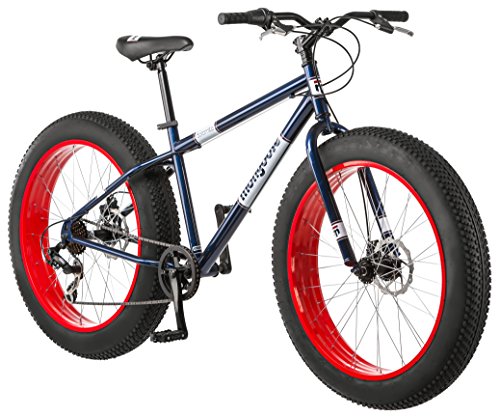
Stop paying more: At $650, you get fat tires and a steel frame; beyond this, you're paying for lighter materials and advanced suspension.
When to upgrade: If you want a lighter bike with full‑suspension, look at bikes $1,000+, but for most casual riders, the Dolomite is more than capable.
Common Mistakes to Avoid
Buying without a test ride or size check
A bike that feels right in the store may be too tall or too heavy after a mile. Always sit on the bike and take a short ride if possible.
Cost of getting it wrong: Return shipping or resale loss of up to $100.
Ignoring assembly requirements
Many bikes arrive partially assembled; improper assembly can lead to brakes that don't work or wheels that come loose. Factor in $50–$100 for professional assembly if you're not handy.
Cost of getting it wrong: Safety risk and additional repair costs averaging a modest amount.
Choosing a bike solely on looks
A stylish checkered kids bike with no reviews may have poor welds or cheap components. Prioritize brand reputation and reviews over aesthetics.
Cost of getting it wrong: Buying a bike that falls apart within months, costing double.
Forgetting to buy a helmet and lights
Safety gear is just as important as the bike. A certified helmet ($25‑$50) and a basic light set ($15‑$30) are essential for every ride.
Cost of getting it wrong: Potential medical bills from a preventable accident.
Find Your Match
What type of riding will you do?
Frequently Asked Questions
What size bike should I get for a 5‑year‑old?
A 12‑inch or 14‑inch bike with training wheels is ideal for most 5‑year‑olds, depending on their height. The COSTWAY 12‑inch model is a good starting point, while the 14‑inch offers room to grow. Always check the standover height; your child should be able to put both feet flat on the ground while seated.
Are fat tire bikes good for street riding?
Fat tire bikes can ride on pavement, but their wide knobby tires create more rolling resistance, making them slower and less efficient than standard tires. They're best for soft terrain like sand or snow; if you mainly ride streets, a bike with narrower tires will be faster and easier to pedal.
How much should I spend on a first kids' bike?
For a first pedal bike, aim to spend under $100. Models like the COSTWAY 12‑inch offer training wheels and dual brakes at this price point, providing a safe introduction to cycling without a large investment. Avoid spending more until you're sure your child enjoys riding.
Is it safe to assemble a bike myself?
If you're comfortable with basic tools, many bikes can be assembled at home. However, critical safety components like brakes and wheels must be installed correctly. If unsure, a local bike shop can assemble and tune the bike for $50‑$100, ensuring it's safe to ride.
What's the difference between a BMX bike and a mountain bike?
BMX bikes have 20‑inch wheels and a rigid frame designed for tricks and park riding. Mountain bikes have larger wheels (26‑29 inches) and often include suspension and gears for trail riding. Choose based on your riding style: BMX for stunt riding, mountain bike for off‑road trails.
How do I know when my child is ready to remove training wheels?
Most kids are ready between ages 5 and 8, when they can balance while coasting and have the coordination to pedal and steer simultaneously. Start by removing one training wheel and lowering the seat so they can put their feet down easily. Practice on flat, grassy surfaces.
How does Mubboo make money?
We earn a commission when you buy through our links, but our recommendations are based solely on product reviews and research. We never accept payment for placement, and prices come from Amazon's live data.
How we wrote this guide
Synthesized from over 4,300 verified Amazon buyer reviews and manufacturer specifications. Our picks prioritize verified user satisfaction and category‑specific features like wheel size and brake type. Prices update weekly from Amazon.
About this guide
Mubboo Editorial Team — independent research based on verified buyer reviews and product data. We do not accept payment for product placement.