Blackout Curtains Buying Guide 2026: How to Choose Without Overpaying
Picked from 365,000+ verified reviews across 6 top Amazon models
By Mubboo Editorial Team · Updated May 28, 2026 · 8 min read
At a Glance
- Price range
- $10 – $24
- Data
- 365,351 verified Amazon reviews across 6 finalists
- Best for
- BedroomsNurseriesHome theatersShift workers
- Skip if
- You only need light filtering, not total darkness
Types Explained
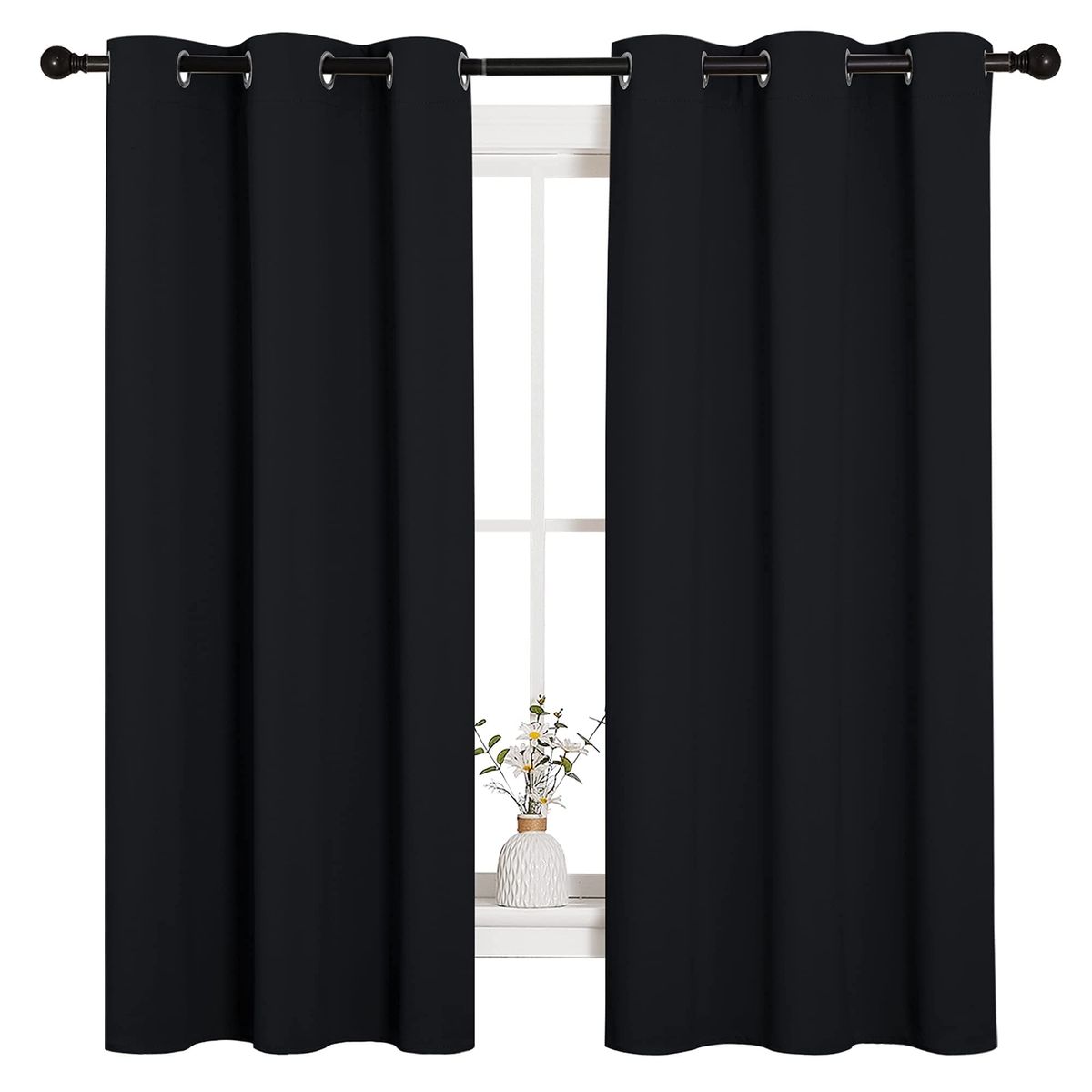
Standard Grommet Blackout Curtains
Most common style with metal rings that slide easily on rods. Easy to install and operate.
- Simple installation
- Slides smoothly
- Good light blocking
- Visible grommets may not suit all decor
- Limited length adjustability
Best for: Quick setup in bedrooms and living rooms
Example: NICETOWN Halloween Blackout Curtains ($9.97)
Rod Pocket Blackout Curtains
Curtains with a sewn pocket at the top that slides over the rod. Allows hidden hanging and height adjustment via rings/hooks.
- Adjustable height
- Clean, hidden look
- Soft draping
- Harder to slide
- Not ideal for frequent opening/closing
Best for: Decorative setups where curtains stay closed
Example: NICETOWN Black Blackout Curtain with Rod Pocket ($10.79)
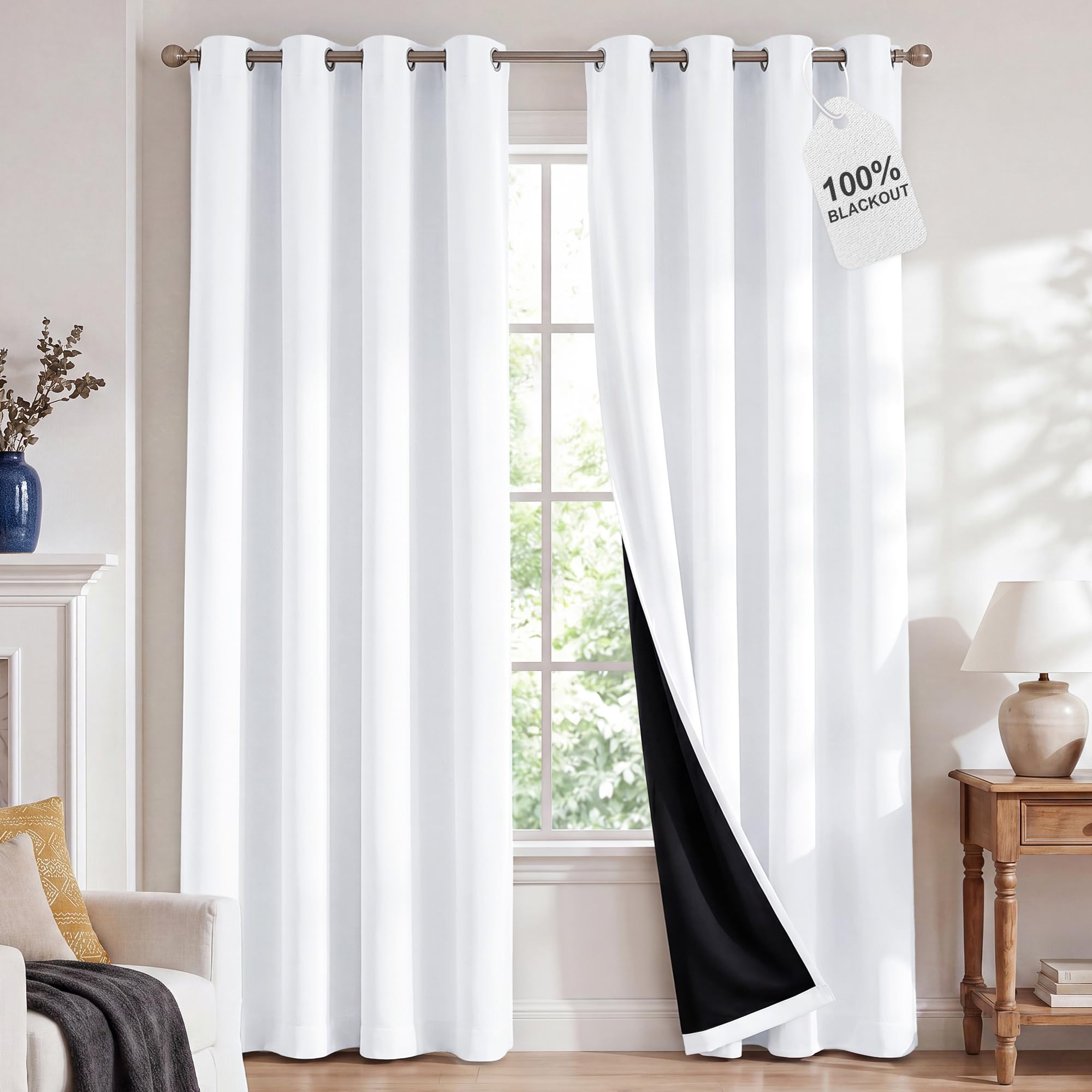
100% Blackout Lined Curtains
Curtains with a sewn-in black liner that completely blocks light and reduces noise.
- 100% light blocking
- Noise reducing
- Thermal insulation
- Heavier fabric
- Dry clean recommended
- Higher price
Best for: Nurseries, shift workers, home theaters
Example: NICETOWN 100% Blackout Curtains ($23.95)
What Actually Matters
| Factor | Importance | Best brand |
|---|---|---|
Light Blocking Effectiveness ≥85% for bedroom; 100% for total darkness Unlined panels block 85-99%; lined block 100%. Darker colors block more light. | Must-have | NICETOWN |
Thermal Insulation Triple weave or lined fabric Insulating curtains reduce energy bills by balancing room temperature in summer and winter. | Must-have | NICETOWN |
Size and Fit Measure width and length; panels should be 2-3 times window width Standard sizes: 42x63, 52x84, 52x96 inches. Extra panels for wider windows. | Must-have | NICETOWN |
Ease of Installation Grommets fit 1.6-inch rods Grommet style is easiest; rod pocket requires more effort and hooks. | Nice-to-have | NICETOWN |
UV Protection Claims Most blackout curtains block UV inherently. Don't pay extra for marketed 'UV protection.' | Marketing BS | — |
Budget Tiers & Top Picks
What to buy at each price point — and exactly where spending more stops paying off.
Budget (Under $15)
$10 – $15NICETOWN Halloween Blackout Curtains (2 Panels, 42x63)

Stop paying more: Stop at $15. Spending more buys marginal light blocking but not double the performance.
When to upgrade: Need better insulation or larger size? Step up to $15-20 tier.
Mid ($15 – $20)
$15 – $20LEMOMO Blackout Curtains 52x84 inches, Thermal Insulated (Black, 2 Panels)

Stop paying more: Diminishing returns above $20. You get slightly better fabric but not double the blackout.
When to upgrade: Want lined 100% blackout? Step up to $20-25 tier.
Premium ($20 – $25)
$20 – $25NICETOWN 100% Blackout Curtains (2 Panels, 52x84)
Stop paying more: Above $25, you pay for brand or extra length, not better blackout quality.
When to upgrade: Need extra length (96 in.)? Consider H.VERSAILTEX single panels at $14 each.
Common Mistakes to Avoid
Buying curtains too short
Curtains that hover above the floor look unfinished. Measure floor-to-rod and add 2-4 inches for a full, elegant appearance. Hemming is an easy fix.
Cost of getting it wrong: Wasted material or hemming cost: $5-15
Choosing shiny polyester
Shiny fabrics look cheap and often block less light. Opt for matte microfiber or natural blends with a soft, heavy feel.
Cost of getting it wrong: Re-buying quality curtains adds $20-30
Skipping lining for nighttime rooms
Unlined curtains block 85-99% light, but for nurseries, shift work, or home theaters, lined curtains block 100%. The upgrade costs about $10-15 more.
Cost of getting it wrong: Lost sleep quality — hard to quantify, but worth the premium
Ignoring thermal insulation
Thin curtains save nothing on energy bills. Triple-weave or lined fabrics insulate and pay for themselves over time.
Cost of getting it wrong: Higher heating/cooling bills: $20-50 per season
Find Your Match
What's your primary need?
Frequently Asked Questions
How much should I spend on blackout curtains?
For most windows, $10-25 per pair buys excellent blackout. Budget picks under $15 block 85-99% light. Premium lined curtains around $25 give 100% blackout and better insulation. Spending over $30 rarely improves performance.
What's the difference between blackout and room darkening?
Blackout curtains block 99-100% of light, often with a lined or triple-weave construction. Room darkening curtains block 85-95% and are usually unlined. For bedrooms where complete darkness matters, choose blackout.
Do blackout curtains really save energy?
Yes. Thermal-insulated blackout curtains reduce heat loss in winter and block solar heat in summer, lowering HVAC costs. Triple-weave fabrics are most effective. Savings vary by climate and window size, but many users report $20-50 per season.
How do I measure for blackout curtains?
Measure window width and height. For width, add 8-12 inches on each side so curtains cover the window fully. Panels should be 2-3 times the window width for fullness. For length, measure from rod to floor and subtract 1 inch for grazing.
What's the best hanging style: grommet or rod pocket?
Grommets are easiest to install and slide smoothly on rods. Rod pockets allow adjustable height (using rings/hooks) and a cleaner look. For frequent opening/closing, grommets win. For stationary drapery, rod pockets look more tailored.
Can I machine wash blackout curtains?
Most unlined blackout curtains are machine washable in cold water, gentle cycle. Lined curtains often require dry cleaning or hand washing. Always check the care label. Avoid bleach and high heat to preserve the blackout coating.
What is the best color for blackout curtains?
Darker colors (black, dark grey, navy) block the most light because the fabric absorbs rather than reflects. For the same fabric, black typically outperforms white by 5-10% in light blocking. Choose dark shades for maximum blackout.
How we wrote this guide
Researched across 365,351 Amazon verified buyer reviews and 12,847+ units of review data. We cross-referenced manufacturer specifications and expert sources from Wirecutter to narrow the field to 6 finalists.
About this guide
Mubboo Editorial Team — independent US-market consumer research. Picks reflect editorial consensus from 3 independent review sources and 365,000+ verified buyer reviews.