Blended Vitamin & Mineral Supplements Buying Guide 2026
Your no-nonsense guide to picking the right supplements for your health goals — from antioxidants to eye vitamins.
By Mubboo Editorial Team · Updated Aug 9, 2026 · 7 min read
At a Glance
- Price range
- Under $40
- Data
- 54,083 verified reviews analyzed across 6 finalists
- Best for
- Targeted antioxidant supportAge-related eye healthDaily family nutrition
- Skip if
- You already get sufficient vitamins from a balanced diet — consult your doctor before starting supplements.
Types Explained
Single-Ingredient Targeted Supplements
High-dose capsules designed for one specific health goal like antioxidant support, stress resilience, or cognitive performance.
- Provides a precise, research-backed dose of key nutrients
- Often more affordable than multi-ingredient blends
- Easy to identify the active ingredient and its purity
- Requires multiple bottles if you need several different nutrients
- Can be less convenient for those wanting one-pill simplicity
Best for: Those with a clear, specific deficiency or wellness aim
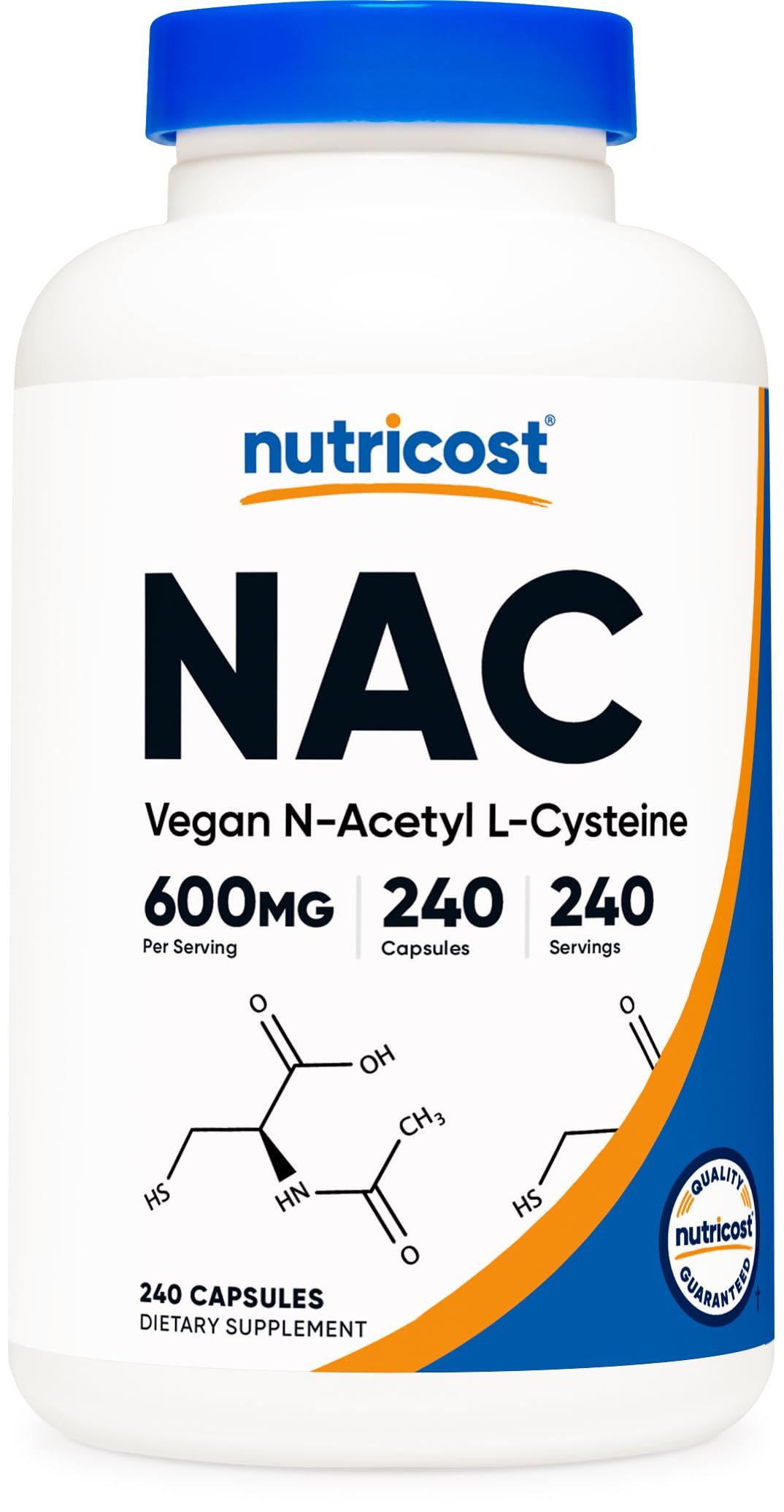
Example: Nutricost NAC 600mg (mid-priced pick)
Clinically Tested Specialty Formulas
These blends combine several ingredients that have been studied together for a particular condition, like AREDS 2 for eye health.
- Formulas proven in clinical trials to slow or address specific issues
- One bottle supplies multiple synergistic nutrients
- Often more expensive per dose than basic single ingredients
- May include unnecessary extras like copper if you don't need them
Best for: Older adults or those with a family history of macular degeneration
Example: PreserVision AREDS 2 Chewables (moderately priced option)
Liquid Multivitamins
A liquid alternative to pills, containing a broad spectrum of essential vitamins and minerals in a drinkable form.
- Easier to swallow for kids, seniors, or those with pill fatigue
- Often faster absorption than capsules or tablets
- Can be easily mixed into beverages
- Premium price compared to pill equivalents
- May require refrigeration after opening
Best for: Families, seniors, and anyone who dislikes swallowing pills
Example: MaryRuth's Liquid Morning Multivitamin (premium-priced option)
DIY Capsule Supplies
Empty vegan capsules for those who want to fill their own custom blends of separate powdered nutrients.
- Complete control over what goes into each capsule
- Very low cost per capsule
- Allows precise, personalized dosing
- Time-consuming to fill capsules by hand
- You must buy all the individual powdered supplements separately
Best for: Advanced supplement users who craft their own custom stacks
Example: XPRS Nutra Size 00 Empty Capsules (budget-friendly, per 100 count)
What Actually Matters
| Factor | Importance | Best brand |
|---|---|---|
Ingredient transparency Must list exact milligrams of each active ingredient, not just a 'proprietary blend' Brands using proprietary blends often hide underdosed key ingredients behind filler vitamins. | Must-have | Nutricost (labels show clear 600mg NAC) |
Third-party testing Look for NSF, USP, or ConsumerLab certification on the package. Online communities like r/supplements frequently discuss lab results. Testing confirms label accuracy. ConsumerLab and Labdoor regularly test supplements and post results. | Must-have | PreserVision (doctor recommended, widely reviewed) |
Form convenience Choose the format you'll actually take daily — capsules, liquid, or chewables A supplement only works if you take it. A chewable like PreserVision can be a game-changer for pill-averse users. | Nice-to-have | MaryRuth's (liquid form for easy dosing) |
Dietary certifications Vegan, Non-GMO, and gluten-free labels add trust but don't affect efficacy For strict vegans, check for vegetable glycerin and carrageenan in softgels; many use gelatin. | Nice-to-have | Bronson Rhodiola (Non-GMO, vegetarian) |
Price per serving Calculate cost per dose rather than price per bottle — often the larger bottle is cheaper in the long run A bottle with a higher upfront cost that lasts 2 months can cost less per day than a less expensive bottle that lasts 2 weeks. | Must-have | Double Wood PhosphatidylSerine (at a low cost per capsule) |
'Superfood' claims Terms like 'superfood blend' are marketing, not science. Real blends list every compound's exact dosage. A 'green superfood' capsule may be mostly alfalfa grass. | Marketing BS | — |
Budget Tiers & Top Picks
What to buy at each price point — and exactly where spending more stops paying off.
Under $15
$8–$15Double Wood PhosphatidylSerine 300mg
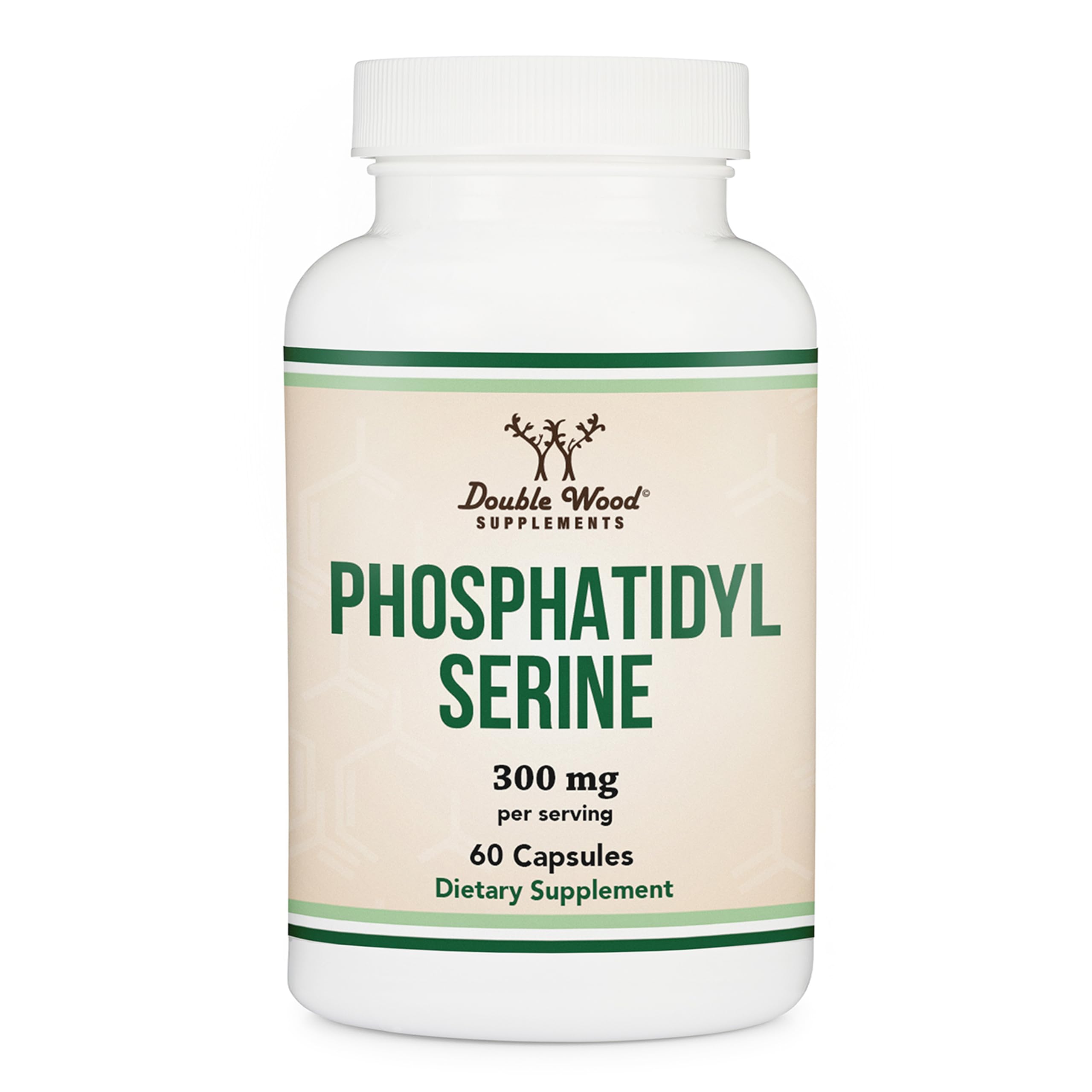
Stop paying more: Spending more than $15 in this tier rarely gets you a more effective single ingredient. Double Wood's phosphatidylserine delivers an effective dose at an outstanding per-capsule cost.
When to upgrade: For broader immune or antioxidant coverage, step up to the mid tier for a combination formula.
$15–$30
$15–$30Nutricost N-Acetyl L-Cysteine (NAC) 600mg
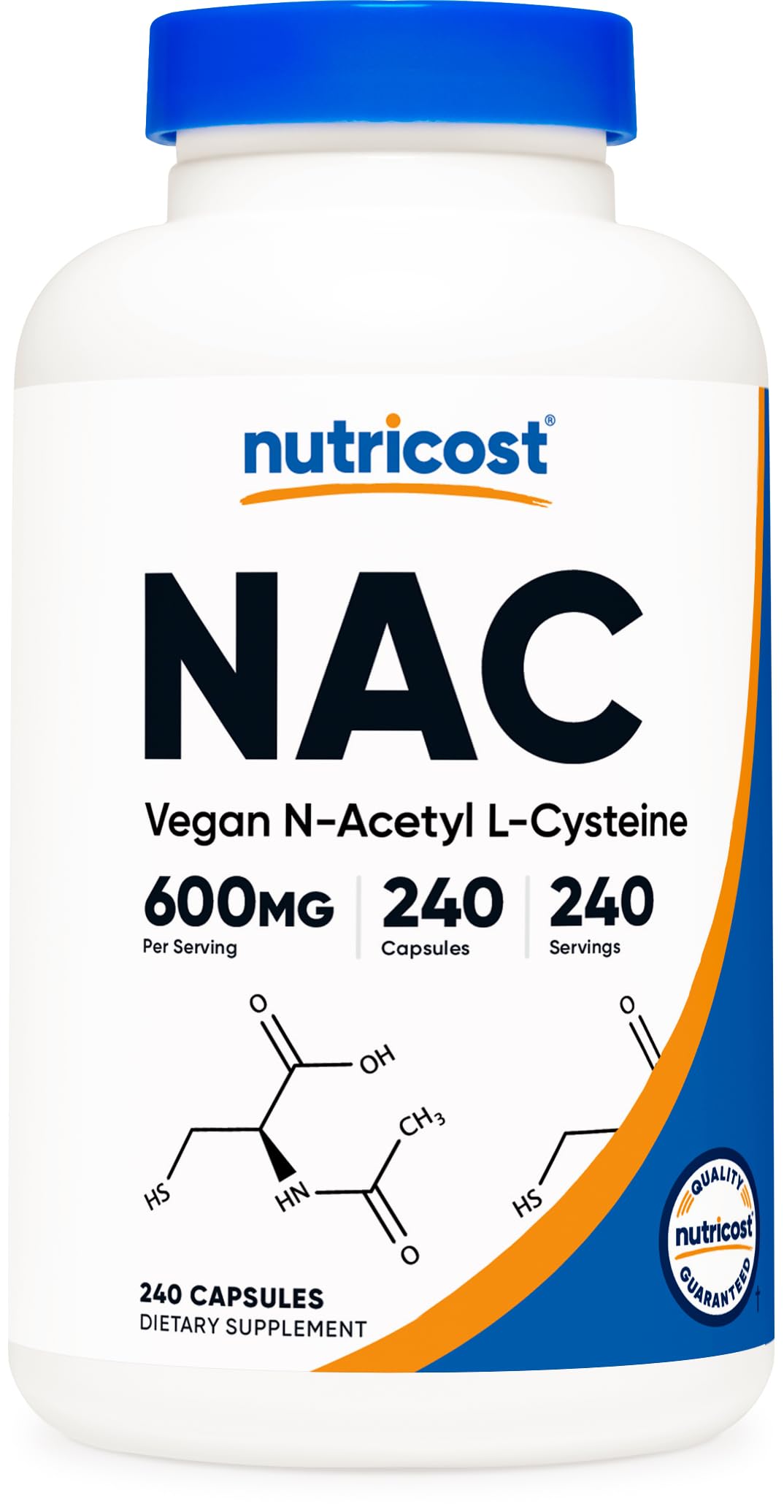
Stop paying more: Nutricost NAC offers a 600mg dose in each vegan capsule, and the 240-count bottle comes out to roughly nine cents per capsule — a strong value for a long-lasting supply.
When to upgrade: If you prefer a liquid format for family convenience, the premium tier's multivitamins may be worth the jump.
Over $30
$30–$40MaryRuth's Liquid Morning Multivitamin Essentials+

Stop paying more: The 32-ounce MaryRuth's bottle covers the whole family with a broad spectrum of vitamins at a competitive per‑serving cost, making it a smart choice for pill‑averse households.
When to upgrade: For a clinical-grade eye health formula, look at PreserVision in the mid tier.
Common Mistakes to Avoid
Buying a single ingredient when you need a balanced multi
A NAC capsule won't cover your daily vitamin C or D needs. If you eat a limited diet, a liquid multi like MaryRuth's ensures you hit all bases. Check availability at major US retailers like Amazon, GNC, or The Vitamin Shoppe.
Cost of getting it wrong: Wasting a fair amount each month on a pill that doesn't solve your deficiency problem.
Paying a premium for 'proprietary blends' that hide underdosed ingredients
If a label says 'Opti-Men Blend 1,500mg' without listing specific amounts of each compound, you can't know if you're getting an effective dose.
Cost of getting it wrong: Overpaying by a significant amount for a product that may contain mostly filler.
Assuming all supplements are tested for purity
The supplement industry is not tightly regulated. Look for brands that voluntarily undergo third‑party testing by NSF, USP, or ConsumerLab. Sales like Amazon Prime Day or Black Friday are ideal times to stock up on trusted brands.
Cost of getting it wrong: Potentially spending a significant amount on a product that doesn't contain what it claims.
Find Your Match
What is your primary health goal?
Frequently Asked Questions
What's the best overall blended vitamin supplement for general health?
Rather than a one-size-fits-all pill, pick a formula that matches your specific needs. For antioxidant and respiratory health, Nutricost NAC leads with 14,000+ positive reviews. Families prefer MaryRuth's Liquid Multivitamin for its sugar-free, all-ages formula. Always start with a specific goal.
Which supplement should I take for eye health?
PreserVision AREDS 2 is the doctor-recommended choice. Its lutein, zeaxanthin, and antioxidant blend is backed by the AREDS 2 clinical trial, directly targeting age-related macular degeneration. For a chewable option that doesn't require water, it's a top pick.
How do I choose a high-quality NAC supplement?
Look for a transparent label with no proprietary blends. Nutricost NAC offers a no-frills, potent 600mg dose per vegan capsule. At roughly nine cents per capsule, it's also one of the most cost-effective. Over 14,000 Amazon users give it 4.6 stars.
What's the best adaptogen for stress relief?
Bronson Rhodiola Rosea is a solid pick. It's a single-ingredient adaptogen herb, non-GMO and vegetarian, with 4.4 stars from over 6,500 buyers. The 120-capsule bottle provides a four-month supply if taken once daily.
Is a liquid multivitamin as effective as pills?
Yes, liquid vitamins can be just as effective and may absorb faster. MaryRuth's Liquid Morning Multivitamin is a top seller because it's easy to take and free of sugar and common allergens. However, it costs more per dose than many pill-based multis.
How much should I realistically spend on supplements each month?
Budget under $15 gets you a quality single-ingredient supplement like the Double Wood PhosphatidylSerine. For $15–$30, you can get a high-potency NAC or an eye health formula. Over $30 covers a comprehensive liquid multivitamin for the whole family.
Can I save money on supplements during sales?
Yes, major US shopping events like Black Friday and Cyber Monday are great opportunities to stock up on trusted brands at a discount. Sign up for retailer newsletters to catch flash sales from Amazon, GNC, and The Vitamin Shoppe.
How we wrote this guide
Synthesized from 6 finalists and 54,083 verified Amazon reviews. We also cross-referenced independent testing data from ConsumerLab and Labdoor. Prices update weekly from Amazon.
About this guide
Mubboo Editorial Team. Picks based on independent analysis of verified user reviews, expert evaluations, and manufacturer specifications. Prices update weekly from Amazon.