Board Game Buying Guide 2026: How to Choose Without Overpaying
Picked from 2026's most-reviewed board and card games on Amazon
By Mubboo Editorial Team · Updated May 27, 2026 · 9 min read
At a Glance
- Price range
- $14.97 – $41.99
- Top pick
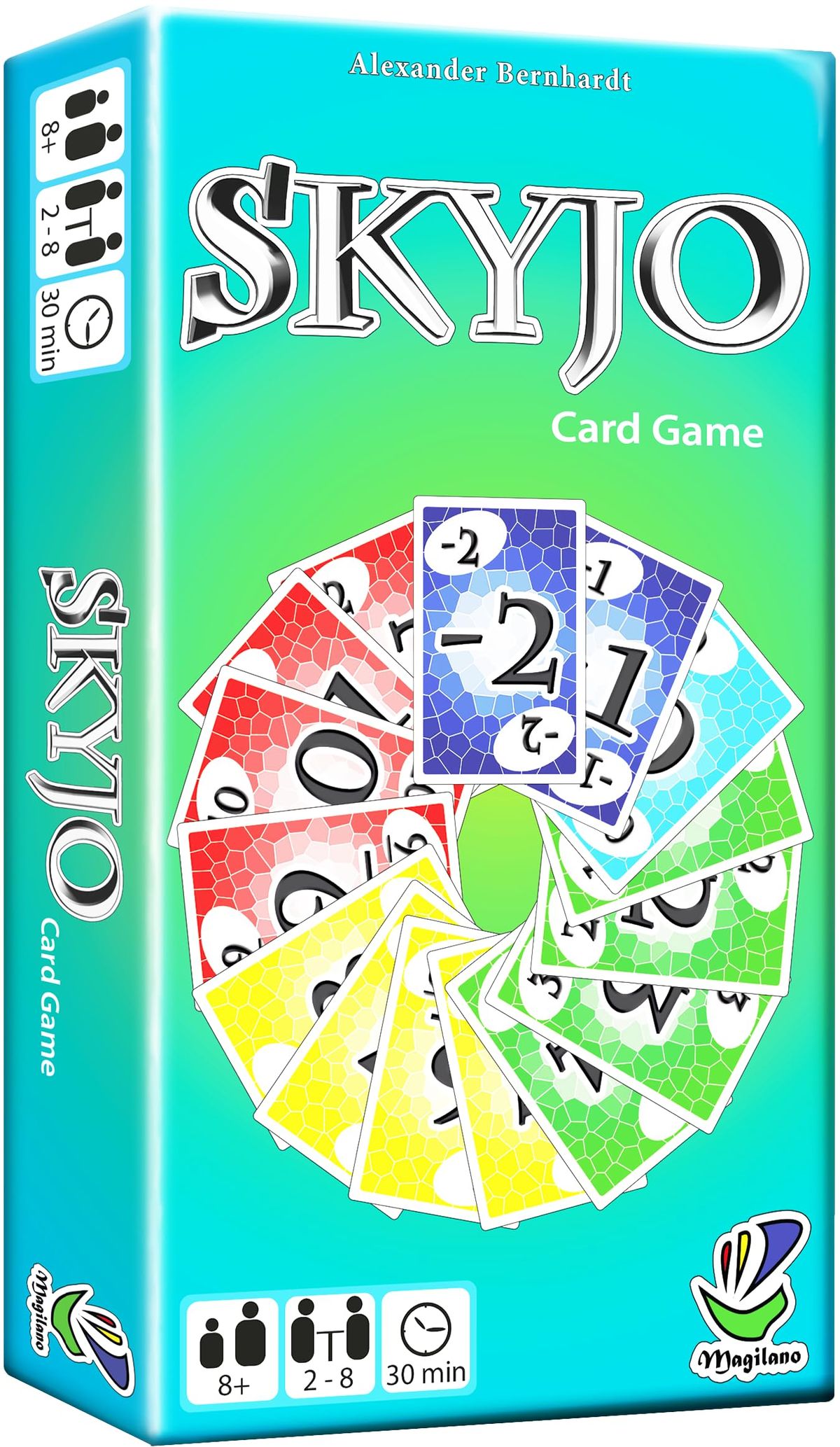
- SKYJO ($19.95 · 4.8★)
- Budget pick
- Sequence ($15.99 · 4.8★)
- Data
- 252,941 verified Amazon reviews across 6 finalists
- Best for
- Family game nightsAdult gatheringsParty gamesStrategy enthusiasts
- Skip if
- You rarely host game nights or prefer single-player digital games.
Types Explained
Card Games
Games played primarily with standard or specialized cards, usually quick to learn and portable.
- Fast setup
- Easy rules
- Portable
- Less strategic depth
- Limited pieces
Best for: Travel, casual gatherings, families with young children
Example: SKYJO
Board Games
Traditional board games with a board, tokens, and often more complex rules.
- More strategic
- Tangible pieces
- Themed gameplay
- Longer setup
- More expensive
- Takes up storage
Best for: Game nights with dedicated players
Example: Sequence
Trivia Games
Games that test knowledge on various topics, often with a humorous twist.
- Educational
- Engaging for adults
- Replayable with different groups
- Limited to trivia fans
- Cannot be played with young kids
Best for: Adult parties and gatherings
Example: I Should Have Known That!
Party Games
Games designed for larger groups that focus on interaction, laughter, and quick rounds.
- High energy
- Accommodates many players
- Minimal rules
- Requires verbal creativity
- May not suit introverts
Best for: Social gatherings and parties
Example: Codenames
What Actually Matters
| Factor | Importance | Best brand |
|---|---|---|
Player Count Supports at least 4 players for groups Games that scale to 8+ players offer the most flexibility. | Must-have | SKYJO (2-8 players) |
Playtime 30-60 minutes for most sessions Longer playtimes limit how often you can play in a night. | Must-have | SKYJO (30 min) |
Age Suitability Age 8+ for family play Check the minimum age to ensure the game matches your group. | Must-have | SKYJO (8+) |
Complexity Level Easy to learn in under 5 minutes Avoid overly complex rules if your group plays infrequently. | Must-have | SKYJO (simple rules) |
Replayability Variability from round to round Games with randomized elements or variable setups last longer. | Must-have | Codenames (many word combinations) |
Award-Winning Status Awards don't guarantee fun for your specific group. Focus on your criteria instead. | Marketing BS | — |
Number of Expansions Available Most base games offer plenty of fun without expansions. Don't pay extra for optional content you may never use. | Marketing BS | — |
Budget Tiers & Top Picks
What to buy at each price point — and exactly where spending more stops paying off.
Under $20
$10 – $20Sequence
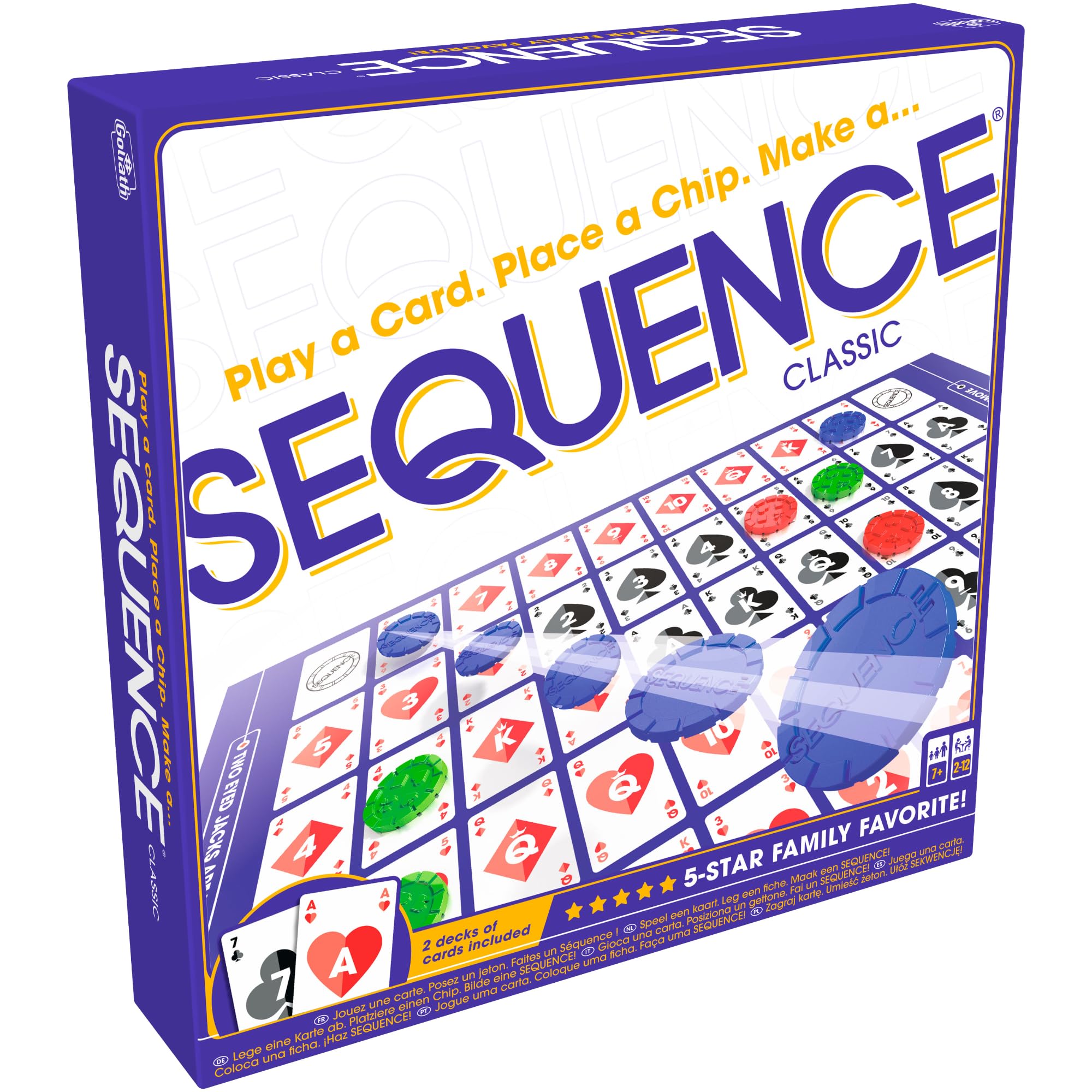
Stop paying more: Diminishing returns above $20 in this tier. More expensive games add complexity but not necessarily more fun.
When to upgrade: If your group enjoys Sequence, consider upgrading to Codenames for more social interaction.
$20 – $30
$20 – $30Codenames
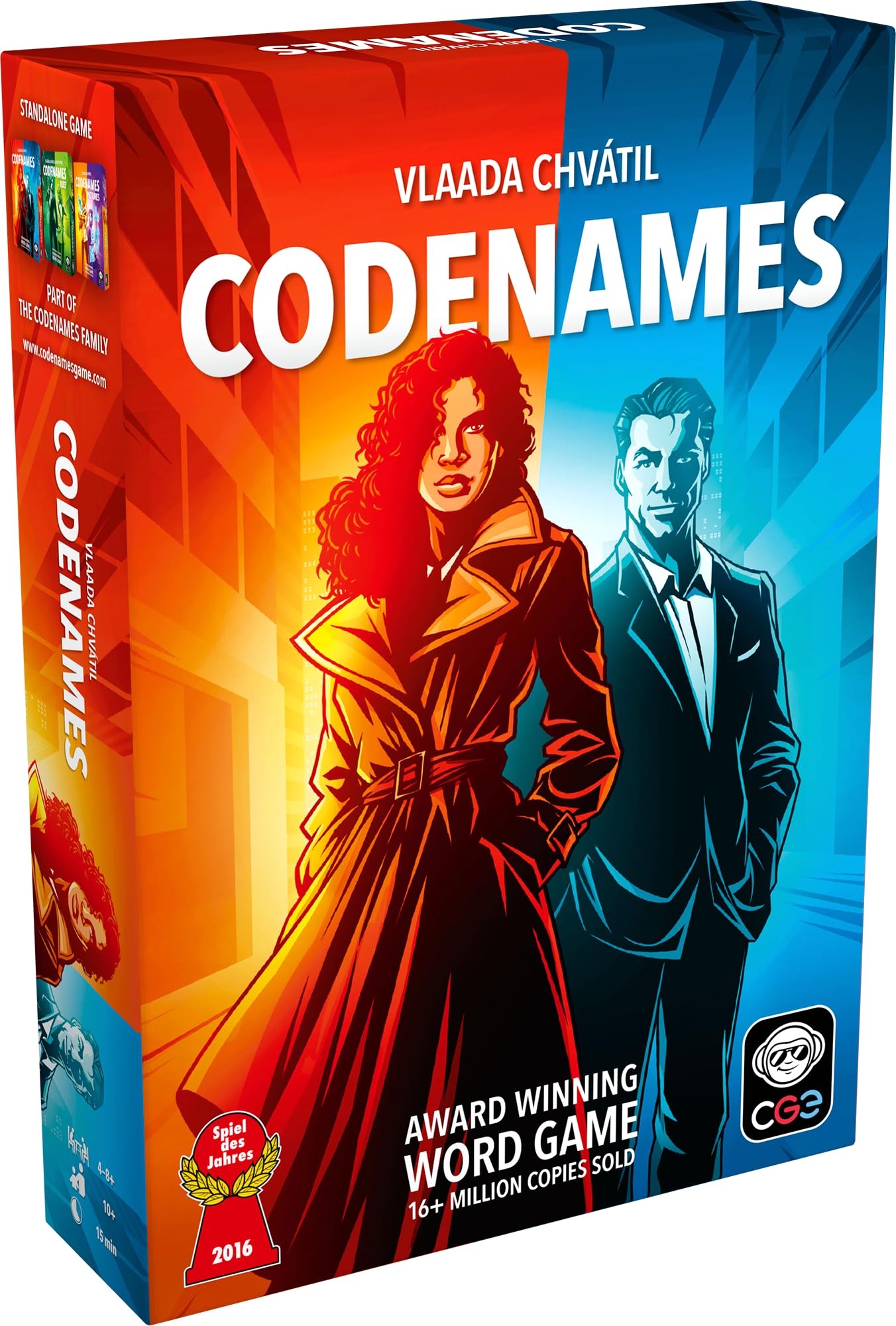
Stop paying more: At $25, Codenames provides high replay value. Spending more than $30 buys slightly better components, not better gameplay.
When to upgrade: If your group loves Codenames, the Duet version offers cooperative play.
Over $30
$30 – $50CATAN

Stop paying more: Stop at $50 for strategy games. More expensive titles from niche publishers don't guarantee better balance or component quality.
When to upgrade: If you outgrow CATAN, explore the Cities & Knights expansion for added depth.
Common Mistakes to Avoid
Buying a game that's too complex for your group
Overly complex rules can frustrate casual players and kill the fun. Stick to games rated 'easy to learn' if your group doesn't play regularly.
Cost of getting it wrong: Wasted $30-50 on a game that sits unplayed on the shelf.
Not checking player count
Many groups have 6-8 people, but popular games like CATAN only support 3-4. Buying a game that doesn't fit your group size leads to disappointment.
Cost of getting it wrong: Renting a second game or buying expansions to increase player count.
Ignoring age recommendations
Games labeled for ages 14+ may contain complex mechanics or mature themes unsuitable for kids. Always check the age rating before buying.
Cost of getting it wrong: Return shipping or storing a game that's not age-appropriate.
Find Your Match
How many players?
Frequently Asked Questions
How much should I spend on a board game?
For a good board game, plan to spend between $15 and $40. Budget under $20 gets you excellent options like Sequence or SKYJO. Mid-range $20-30 offers party games like Codenames. Premium $30-50 gives deep strategy like CATAN. Spending over $50 rarely adds proportional value.
What should I avoid in a board game?
Avoid overly complex rules if your group doesn't play regularly — they can kill the fun. Also avoid games that don't match your typical player count. Check the age recommendation to ensure it suits all players. Finally, ignore marketing hype like 'award-winning' unless it aligns with your group's preferences.
Which board game is best for family game night?
SKYJO is our top pick for family game night. It supports 2-8 players, has simple rules, and takes about 30 minutes per round. It's suitable for ages 8 and up, and its high replayability keeps everyone engaged. Priced at $19.95 with a 4.8 rating from 74,842 reviews, it's a proven favorite.
What board game is best for adults only?
For adult gatherings, I Should Have Known That! ($18.95) offers a trivia format that punishes wrong answers — perfect for competitive friends. Codenames ($24.98) is another excellent choice for wordplay lovers. Both require at least some language and cultural knowledge, making them better for adult players.
How many players should a board game support?
Aim for at least 4 players to cover most gatherings, but 6-8 is ideal for flexibility. Games like SKYJO (2-8) and Sequence (2-12) scale well. If you often have large groups, look for games that support 8+ players. Avoid games with a fixed small player count if your group varies.
What is the easiest board game to learn?
SKYJO and Sequence both have rules that can be explained in under 2 minutes. SKYJO involves simple card matching, while Sequence uses a board and chips. Taco vs Burrito is also very simple, designed by a 7-year-old. For a party game, Codenames only requires explaining a few keywords.
Which board game has the most replay value?
Codenames has nearly infinite replayability because word combinations change every round. SKYJO's randomness and scoring variability also keep it fresh. CATAN offers variety through different board setups and trading dynamics. Look for games with randomized elements or multiple scenarios for long-term value.
How we wrote this guide
We analyzed 252,941 verified Amazon reviews across 6 top-rated board and card games. Prices reflect live Amazon data. No product was provided by manufacturers.
About this guide
Mubboo Editorial Team — independent US-market consumer research. Our picks reflect editorial consensus from thousands of verified buyer reviews and independent sources.