The Ultimate Horse Boots & Wraps Buying Guide for 2026
From overreach protection to fly defense — here's how to pick the right boots for every ride
By Mubboo Editorial Team · Updated Jun 21, 2026 · 7 min read
At a Glance
- Price range
- $25–$100
- Data
- 7,356 verified reviews across 6 finalists
- Best for
- Overreach protectionEveryday turnoutTrail riding
- Skip if
- You need fly protection — choose SHOOFLY leggings instead
Types Explained
Bell Boots (Overreach)
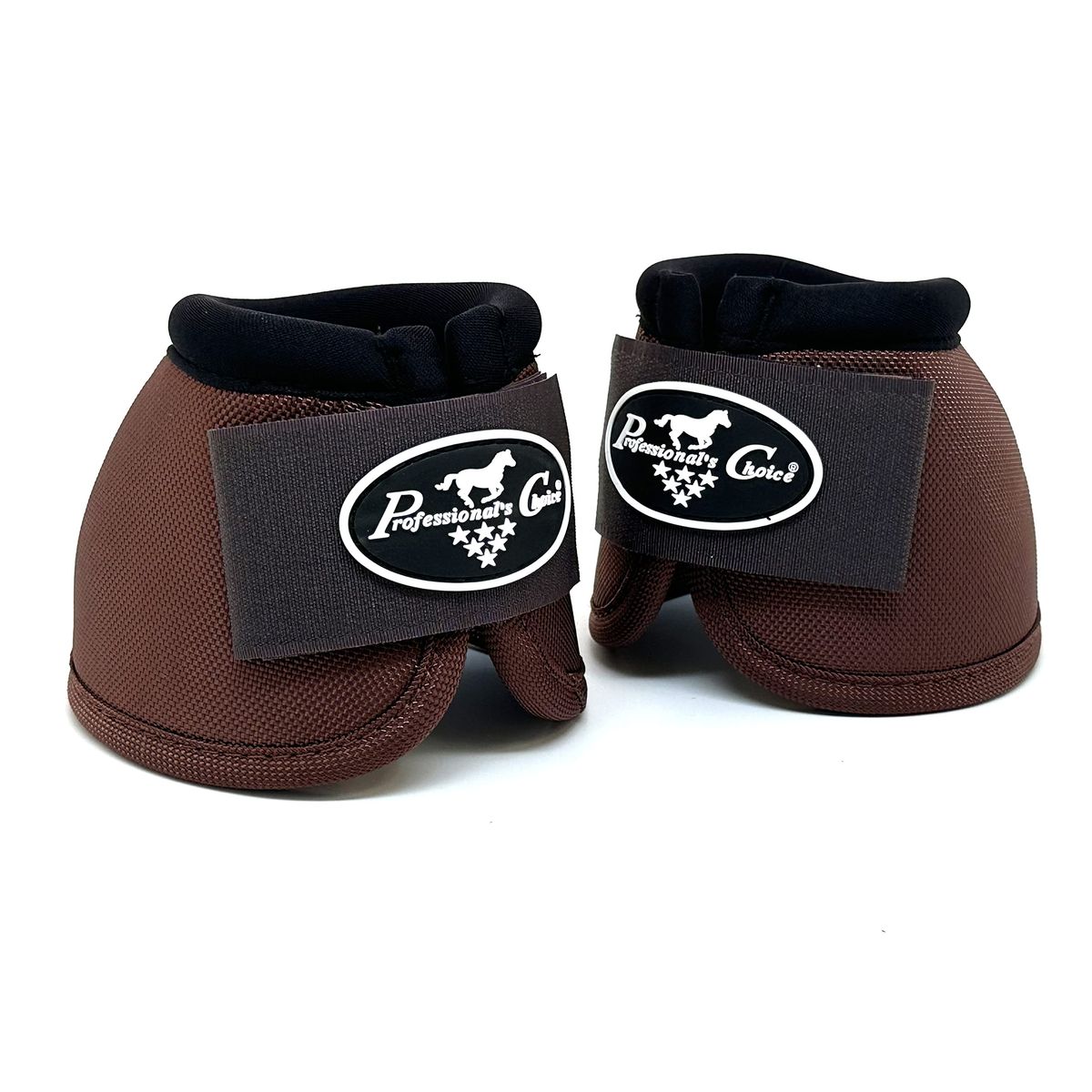
Overreach boots that protect the coronet band and heels from being clipped by hind hooves.
- Prevent overreach injuries
- Secure velcro closures
- Durable materials
- Can be hot in summer
- May twist without no-turn knobs
Best for: Horses that overreach or forge
Example: Professional's Choice Ballistic Overreach Bell Boots
Fly Leggings
Lightweight mesh wraps that protect legs from biting flies without chemicals.
- Chemical-free fly defense
- Lightweight and breathable
- Reduces stomping
- Can snag on brush
- Less impact protection
Best for: Fly season turnout and trail riding
Example: SHOOFLY Horse Leggins
Sport Boots
Vented support boots for training and competition.
- Excellent ventilation
- Shock absorption
- Full leg coverage
- Higher price point
- May run large
Best for: Intense training, jumping, eventing
Example: Tough 1 Extreme Vented Sport Boots Set
What Actually Matters
| Factor | Importance | Best brand |
|---|---|---|
Protection type Match to discipline — bell boots for overreach, sport boots for impact, fly leggings for insects Choose based on your horse's primary need. Mixing types without reason can cause discomfort. | Must-have | Professional's Choice for bell boots, SHOOFLY for fly |
Material durability Ballistic nylon for abrasion resistance, rubber for easy cleaning Ballistic nylon lasts longer than standard neoprene in muddy conditions. | Must-have | Professional's Choice |
Closure security Double velcro or no-turn knobs to prevent slipping A boot that twists is useless and can cause tripping. | Must-have | Professional's Choice |
Breathability Vented designs for summer, solid for wet conditions In hot climates, unvented boots can cause overheating. Vented boots reduce sweat but may not be suitable for deep mud. | Nice-to-have | Tough 1 |
Color/Visibility Bright colors are fun but don't improve protection. Focus on fit and durability first. | Marketing BS | — |
Fit and Sizing Measure hoof width and height; follow brand charts A tight boot can cause rubs; too large can slip off. Always measure and size up if between sizes. | Must-have | All brands vary — check reviews |
Budget Tiers & Top Picks
What to buy at each price point — and exactly where spending more stops paying off.
Under $30
$25–$30HORZE Pro Overreach Bell Boots
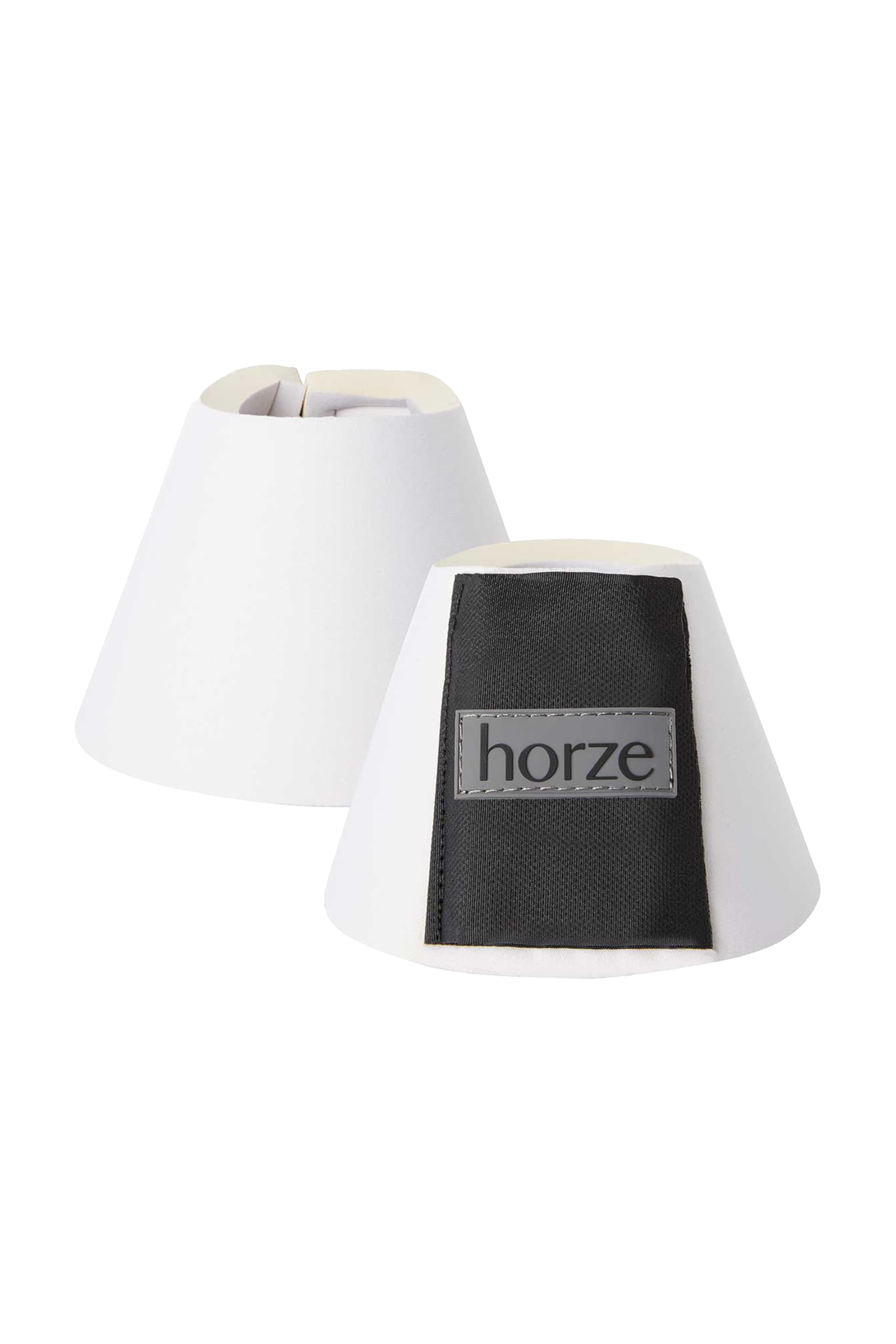
Stop paying more: Stop at $30. Above this, you get lighter materials and better durability, but for occasional use, these are sufficient.
When to upgrade: If your horse overreaches frequently, step up to a ballistic nylon boot for $39.
$30–$75
$30–$75SHOOFLY Horse Leggins (Blue/Medium)

Stop paying more: At $56, you get effective, chemical-free fly protection. Spending more won't significantly improve fly control.
When to upgrade: For year-round use, add a bell boot for overreach protection separately.
$75+
$75–$100Tough 1 Extreme Vented Sport Boots Set
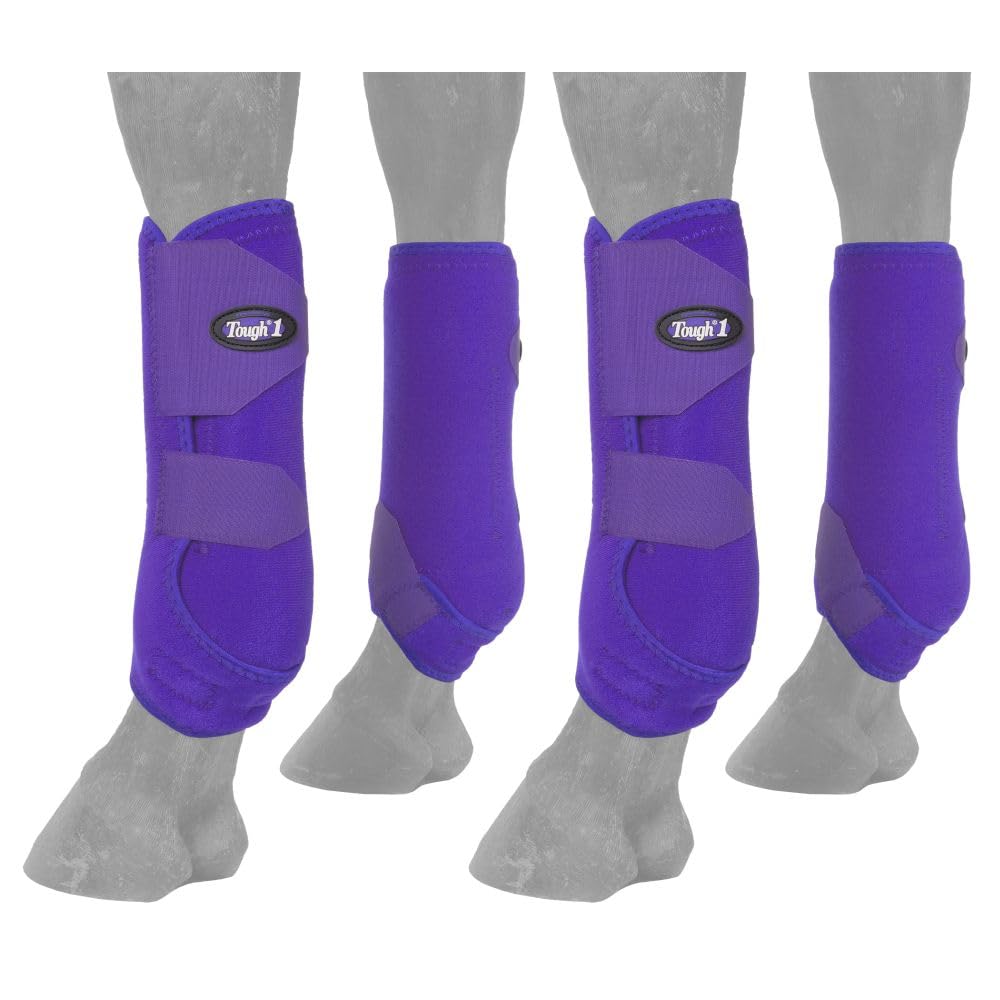
Stop paying more: At $100, you get a full set with advanced venting. Beyond this, you're paying for brand names or specialized materials.
When to upgrade: If you compete in multiple disciplines, consider a separate bell boot and fly legging combo for versatility.
Common Mistakes to Avoid
Buying the wrong size
Many buyers assume one size fits all, leading to boots that are too tight and cause rubs, or too loose and slip off. Always measure your horse's hoof and consult brand sizing charts.
Cost of getting it wrong: Could mean wasted $25–$100 per pair plus potential vet bills for injuries.
Using bell boots for turnout without checking daily
Bell boots can trap moisture and debris, leading to skin irritation if not removed and cleaned regularly.
Cost of getting it wrong: Vet treatment for dermatitis can run $50–$200.
Choosing fashion over function
Bright colors and patterns may look cute, but if the boot lacks proper closure or durable material, it won't protect your horse.
Cost of getting it wrong: Ineffective protection leads to lost shoes ($30–$80 per shoe) or overreach wounds.
Using the same boots for all activities
Sport boots aren't designed for continuous turnout and may break down faster in mud. Similarly, fly leggings won't protect against impact.
Cost of getting it wrong: Replacing boots prematurely costs double.
Find Your Match
What's the primary reason you're buying boots?
Frequently Asked Questions
How do I measure my horse for boots?
Use a soft tape measure. For bell boots, measure around the widest part of the hoof. For sport boots, measure circumference at the cannon bone. Always follow the brand's size chart; sizes vary between manufacturers. If your horse is between sizes, size up to avoid rubbing.
What's the difference between bell boots and sport boots?
Bell boots protect the coronet and heel from overreaching hind hooves. They're essential for horses that forge or overreach. Sport boots provide support and impact absorption for the tendons during intense exercise. Choose based on your horse's primary need: overreach protection or leg support during training.
How much should I spend on horse boots?
For reliable protection, expect to pay $25–$100. Budget boots under $30 are fine for occasional use, while mid-range $30–$75 boots offer better durability and features. Premium boots over $75 are best for daily training and competition. Avoid the cheapest novelty boots that lack secure closures.
Can my horse wear fly leggings and bell boots at the same time?
Yes, but ensure both fit correctly without interfering. Fly leggings cover the lower leg and may overlap with bell boots. Choose a shorter bell boot or a fly legging that ends above the coronet band. Check for rubbing after the first wear.
How often should I replace horse boots?
Inspect boots after every ride for tears, worn velcro, or deformation. Under heavy use, bell boots may last 6-12 months, while sport boots with good care can last 1-2 years. Replace immediately if the boot no longer stays in place to avoid injury.
What's the best material for horse boots?
Ballistic nylon is best for durability and tear resistance in bell boots. Rubber is easy to clean but can trap heat. Neoprene is soft and used in sport boots, but vented designs are better for summer. For fly protection, chemical-free mesh is lightweight and effective.
Do I really need to use boots on my horse?
Not every horse needs boots. Use them if your horse has a specific issue: overreaching (bell boots), heavy stomping from flies (fly leggings), or intense training (sport boots). For casual trail riding on soft ground, many horses go without. Consult your farrier or vet if unsure.
How we wrote this guide
Synthesized from 7,356+ verified Amazon buyer reviews across 6 finalists, manufacturer specifications, and expert guides from The Horse, Horse & Rider, and Practical Horseman. Prices updated weekly from Amazon. Our analysis focuses on protection type, material durability, and closure security to help you choose the right boot for your horse's needs.
About this guide
Mubboo Editorial Team. Independent US-market consumer research. Picks reflect editorial analysis of 7,356+ verified buyer reviews, expert sources, and current pricing.