How to Choose a Brain Teaser (2026 Guide)
From light‑up cubes to premium escape rooms, we break down which puzzles actually challenge you—and which collect dust.
By Mubboo Editorial Team · Updated Jul 21, 2026 · 7 min read
At a Glance
- Price range
- $9 – $50
- Budget pick
- Kanoodle ($9.99 · 4.7★)
- Data
- 145,476 verified reviews across 6 finalists
- Best for
- Parents seeking educational screen‑free playPuzzle enthusiasts looking for fresh challengesGift‑givers who want a memorable unboxing
- Skip if
- You want a purely digital brain‑training app—physical puzzles demand hands‑on engagement.
Types Explained
Classic Cube Puzzles
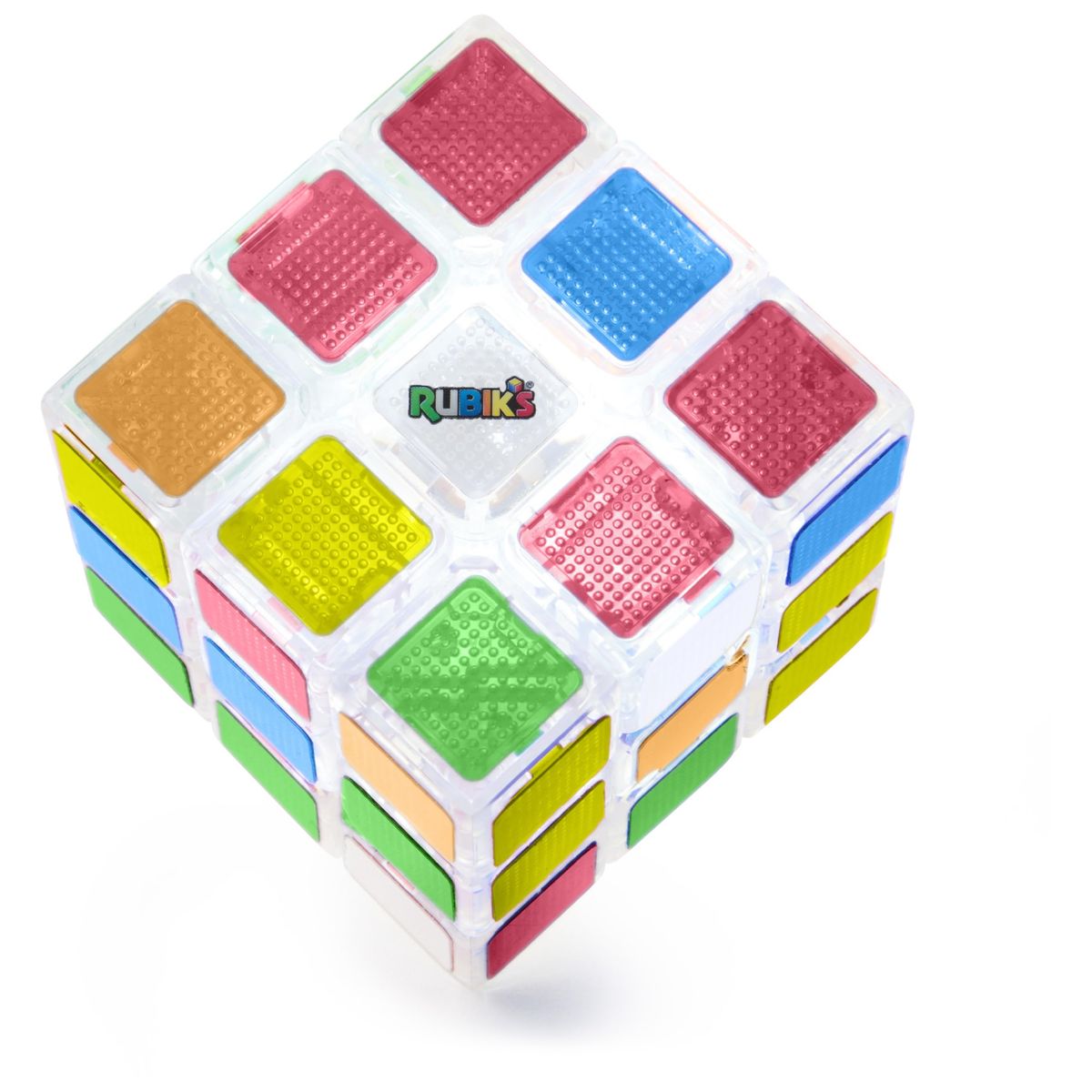
The iconic 3×3 cube, often with a twist—like timed lights or magnetic snapping. Best for ages 8 and up.
- High replayability via timed or blindfolded solves
- Builds muscle memory and spatial reasoning
- Can be intimidating for first‑timers
- Quality varies widely among knock‑offs
Best for: Family game nights and solo speed challenges
Example: Rubik's Pulse Cube
3D Spatial Puzzles
Puzzles that require fitting pieces into a grid or arranging shapes in three dimensions. Often portable with a self‑contained case.
- 200+ challenges per set keep it fresh
- Pocket‑sized for planes or waiting rooms
- Single‑player only; no group mode
- Small pieces can get lost in carpet
Best for: Solo problem‑solvers who love logic over speed
Example: Kanoodle
Sequential Puzzle Boxes
Overly narrated escape‑room‑style boxes that must be solved in steps to reveal a hidden compartment. They double as gift boxes.
- Immersive story elevates the solving experience
- Holds a gift inside for an unforgettable present
- One‑time solve—once memorized, replay value drops
- Higher cost for a single session
Best for: Special occasions and adult puzzle lovers
Example: iDventure Cluebox
What Actually Matters
| Factor | Importance | Best brand |
|---|---|---|
Challenge level with progression Multiple difficulty tiers or increasing complexity A puzzle without progression bores fast. Look for a puzzle that grows with the solver or includes timed modes like the Pulse Cube. | Must-have | Kanoodle (200+ puzzles from easy to expert) |
Build quality & safety Sturdy materials that survive drops and chewing Cheap puzzles crack after a few weeks. For kids, avoid small magnets or sharp edges. All picks meet US CPSC safety standards. | Must-have | Educational Insights (Kanoodle uses thick plastic) |
Replayability Multiple solution paths or a speed element One‑time puzzles like escape boxes are fun once. For daily use, pick a cube with freestyle solves or a puzzle set with hundreds of challenges. | Must-have | Rubik's (timed modes keep you coming back) |
Portability Fits in a glove compartment or carry‑on If you solve on the train or while waiting, prioritize a self‑contained puzzle that won't spill pieces. | Nice-to-have | Kanoodle (compact case slips anywhere) |
Age‑appropriate design Clear age label and chunk‑size match to hands For children under 3, choose puzzles with large, non‑swallowable pieces. For older kids, the box age rating is a solid starting point. | Must-have | Melissa & Doug (chunky pieces for toddlers) |
Magnetic mechanisms Magnetic cubes are essential for competition speed cubers. For casual solving, standard cubes work perfectly at a lower cost—you won't notice the difference. | Marketing BS | — |
App integration Some puzzle boxes and smart cubes require a smartphone app to unlock clues or track progress. If you want screen‑free time, skip these; all our recommended picks work standalone. | Marketing BS | — |
Budget Tiers & Top Picks
What to buy at each price point — and exactly where spending more stops paying off.
Under $15
$9 – $15Kanoodle

Stop paying more: Stop at $15. The Kanoodle gives hours of varied 2D and 3D puzzles for less than lunch money.
When to upgrade: Need a family‑friendly light‑up challenge? Step up to $15–$30 for the Rubik's Pulse Cube.
$15 – $30
$15 – $30Rubik's Pulse Cube
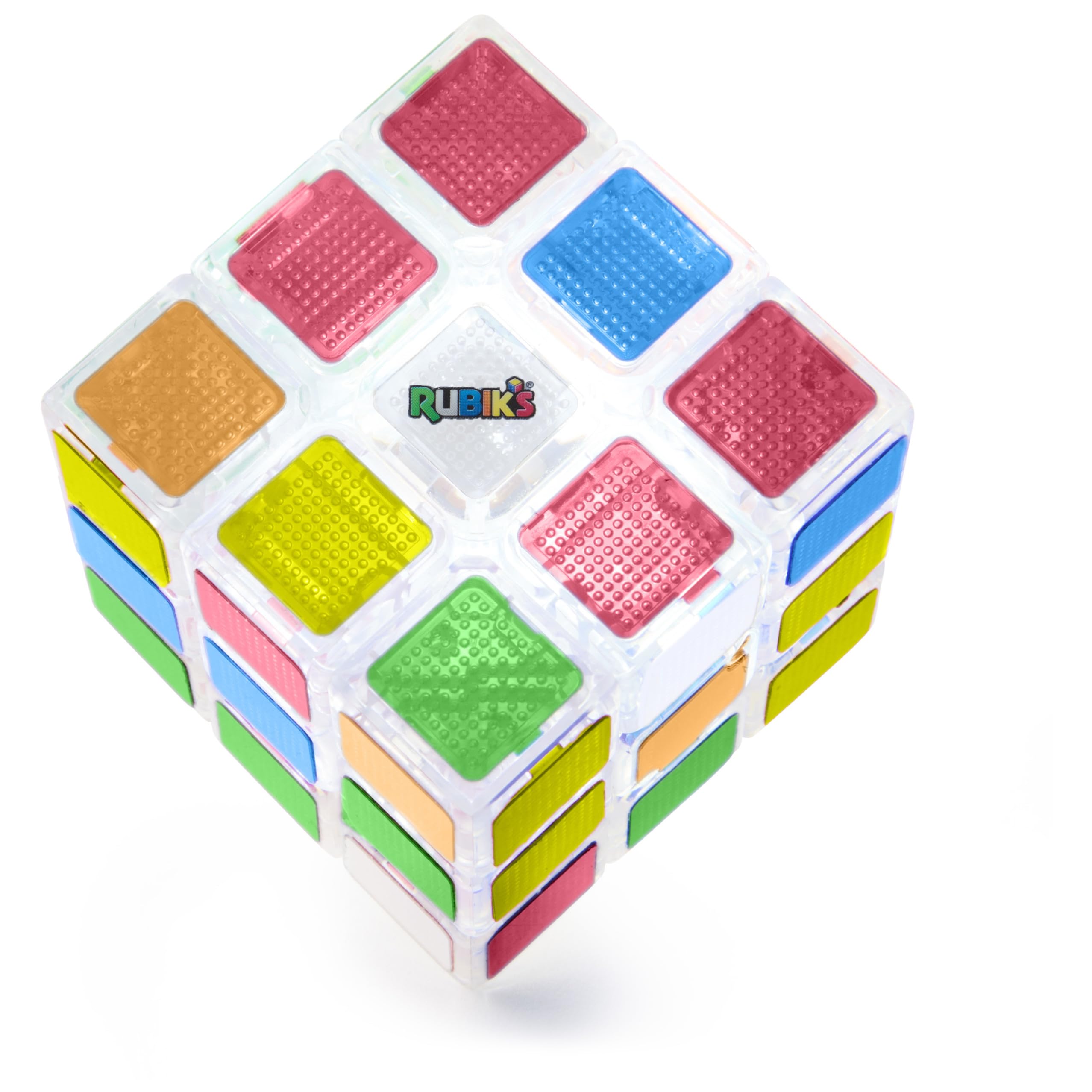
Stop paying more: Don't spend more than $25 here; the Pulse Cube offers the best blend of recognition and replayability.
When to upgrade: Looking for a showpiece magnetic cube? Step up to the premium $25–$50 range.
$30 – $50
$30 – $50iDventure Cluebox - Captain's Nemo
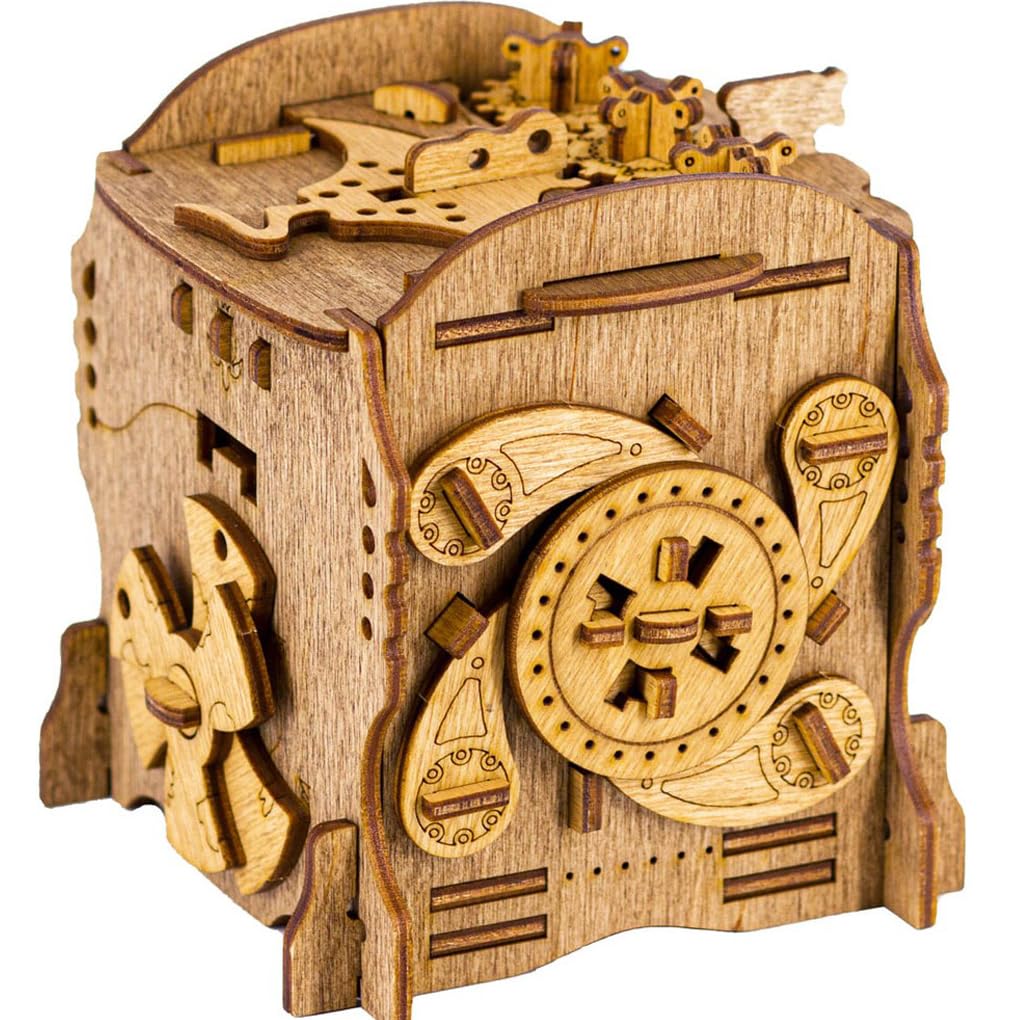
Stop paying more: At $50, you're paying for a single immersive experience; don't exceed $50 for a one‑time solve.
Common Mistakes to Avoid
Buying a puzzle that's too easy
A 50‑piece jigsaw for an adult sits untouched after 20 minutes. Match difficulty to the recipient's age and experience.
Cost of getting it wrong: Wasted $10–$20 on a boredom‑inducing toy.
Ignoring age recommendations
Small pieces can be a choking hazard for toddlers. Melissa & Doug's chunky wood puzzle avoids this.
Cost of getting it wrong: Safety risk or replacement cost of $10–$20.
Paying extra for a speed cube as a beginner
A beginner doesn't need a magnetic cube. The GAN 356 R S gives you pro‑level corner‑cutting.
Cost of getting it wrong: Wasted $10–$15 on features you won't appreciate.
Assuming every puzzle is replayable
Escape‑room boxes like the iDventure Cluebox are one‑time solves. Once you know the sequence, the magic fades.
Cost of getting it wrong: for a single experience; better as a gift where the recipient solves it once.
Find Your Match
Who is the puzzle for?
Frequently Asked Questions
Which brain teaser is best for travel?
The Kanoodle is our top travel pick. Its self‑contained carry case fits in a pocket or backpack, and the 200+ puzzle booklet provides hours of offline entertainment. Unlike a cube, there are no loose pieces to lose on a plane tray.
What is the hardest brain teaser on this list?
The iDventure Cluebox – Captain's Nemo demands sequential logical steps to unlock the hidden compartment. With no instructions, it challenges even veteran puzzle solvers. However, the Rubik's Pulse Cube lights‑off mode also offers a steep skill curve.
Which puzzle is suitable for a 5‑year‑old?
A 5‑year‑old is ready for a classic 3×3 cube with some guidance. The Pulse Cube's light‑up mode gives visual hints that help younger kids stay engaged. For independent play, start with the Kanoodle's easier 2D challenges, which are labeled for ages 7 and up but accessible with adult help.
Best brain teaser for adults who hate screens?
All our picks are screen‑free. The iDventure Cluebox provides a deep 45‑minute narrative escape room with no app needed. For shorter bursts, the D‑FantiX Mirror Cube (not in tiers but a beauty) is purely mechanical and magnetic.
Can I gift a brain teaser that holds a present?
Yes! The iDventure Cluebox is designed as a money box. Hide a gift card, cash, or concert tickets inside, and the recipient must solve the puzzle to retrieve it. It's like an interactive gift wrap.
How do Mubboo's picks avoid collecting dust?
We prioritize puzzles with multiple play modes (timed lights, progressive challenge booklets) or a built‑in purpose (gift box). Avoid single‑solve puzzles unless you're giving them as an event, and skip puzzles with a single, easily memorized solution.
How we wrote this guide
Synthesized from 145,476 verified Amazon buyer reviews, community discussions on r/puzzles, and testing insights from Lifehacker's video review on brain‑stimulating games. We also cross‑referenced safety certs like ASTM F963 for young children's puzzles. Prices update weekly from Amazon.
About this guide
Mubboo Editorial Team. Picks based on aggregated customer reviews and product specifications. Prices updated weekly from Amazon.