How to Choose a Bread Machine (2026 Guide)
The right loaf size, pan material, and programs save you time, mess, and money
By Mubboo Editorial Team · Updated Aug 11, 2026
At a Glance
- Price range
- $75 – $235
- Budget pick
- Elite Gourmet EBM-8103 ($74.99 · 4.5★)
- Data
- 27,405 verified Amazon reviews across 6 finalists
- Best for
- Most householdsBudget-conscious shoppersExperimenters who want custom settings
- Skip if
- You only eat bread occasionally and are happy with store-bought
Types Explained
Standard Vertical Pan
The most common design: ingredients mix in a single kneading blade at the bottom, producing a tall, square loaf. Excellent for everyday white and whole wheat breads.
- Compact footprint fits most counters
- Simple operation with clearly marked cycles
- Wide price range from budget to premium
- Loaf shape may not match traditional oven-baked bread
- Single paddle can leave a small hole in the loaf
Best for: Busy families who want set-and-forget convenience
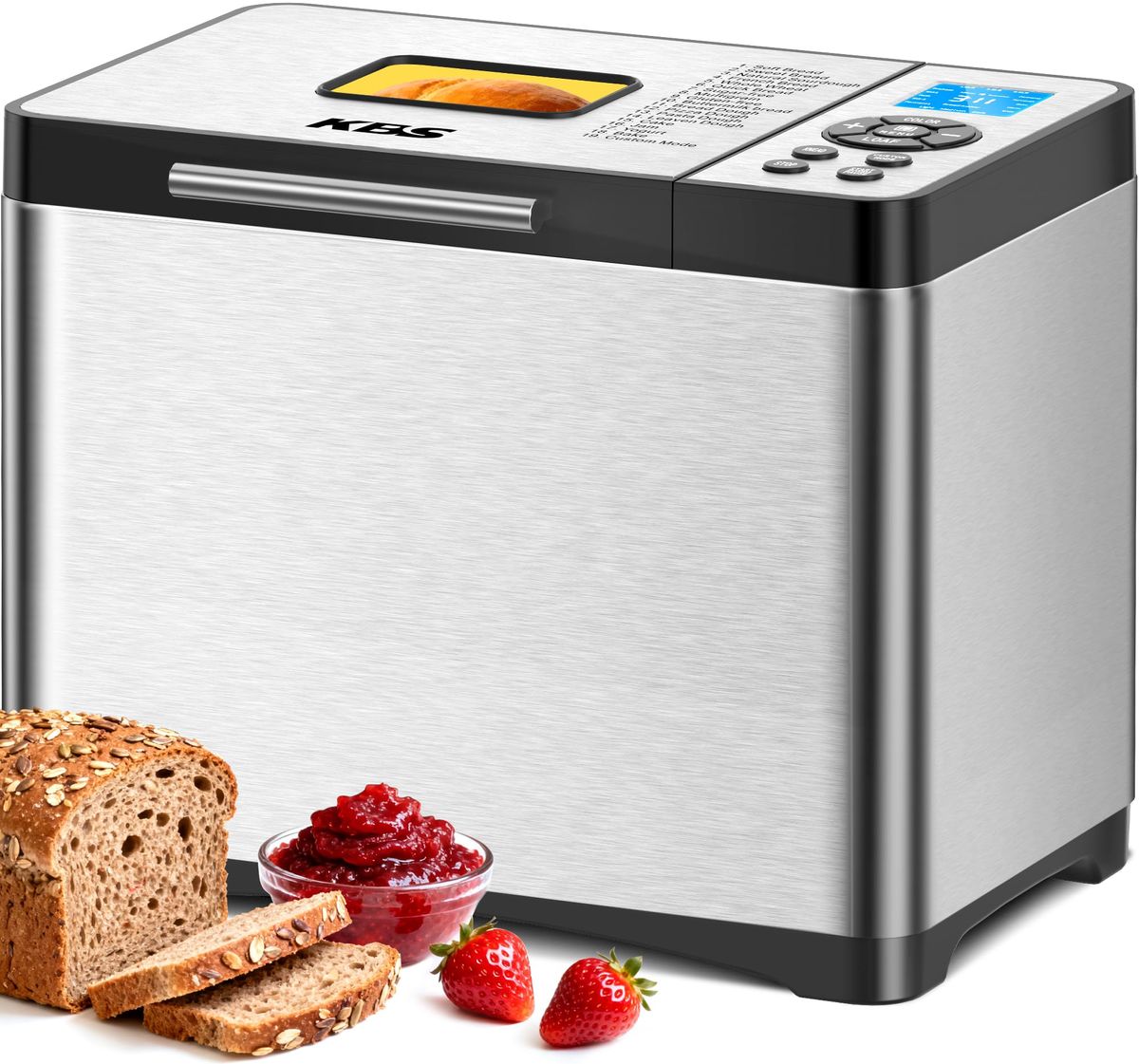
Example: KBS 19-in-1 (mid-priced) — 19 programs, ceramic pan
Horizontal Pan with Dual Knead Blades
A longer, horizontal pan with two kneading blades gives a loaf that looks like a sandwich bread from the bakery. It often requires a larger footprint.
- Loaf shape is sandwich-perfect
- Dual blades mix dense doughs more evenly
- Often available in 3-pound capacities
- Larger machine takes up more counter space
- Fewer model choices available
Best for: Large families and serious sandwich makers
Example: West Bend Hi-Rise 3-lb (mid-priced) — horizontal 3-pound loaf
Compact / Mini
A smaller machine designed for 1-pound loaves, ideal for singles, couples, or very tight kitchens.
- Perfectly sized for smaller batches
- Fits under cabinets much easier
- Often from high-reliability brands
- Can’t feed a crowd
- Premium pricing despite small size
Best for: Empty nesters, solo bakers, or tiny apartment kitchens
Example: Zojirushi BB-HAC10 1-lb (premium-priced) — compact, top reliability
What Actually Matters
| Factor | Importance | Best brand |
|---|---|---|
Loaf capacity 2 pounds for most households A 1-pound machine only makes 8–10 slices; 2 pounds serves 3–4 people. If you freeze loaves, look for a 2.5 or 3-pound model. | Must-have | KBS (19-in-1 supports up to 2 lb) |
Delay timer At least 8 hours A long timer means you can load ingredients at 9 PM and wake up to fresh bread at 7 AM. Most machines offer this; some cheap models don’t. | Must-have | All recommended models include a 13–15 hour timer |
Pan material Ceramic preferred for safety Ceramic pans release bread beautifully and avoid the health concerns of scratched nonstick. They’re worth the small premium. | Nice-to-have | KBS, Elite Gourmet (both offer PFAS-free ceramic) |
Program variety 10–12 essential programs You don’t need 19 programs. Basic white, whole wheat, dough, and maybe gluten-free cover 90% of baking. Jam, cake, and specialty cycles look good on the box but gather dust. | Marketing BS | — |
Custom programmability Available on premium models If you like to experiment with exotic flours or hydration levels, a custom program gives you complete control. Most bakers never touch it. | Nice-to-have | KBS (20-in-1 offers custom settings) |
Brand reputation and reliability 4.0+ star average with thousands of reviews A bread machine gets hot and moves; build quality matters. Zojirushi costs more but lasts years; KBS and Elite Gourmet offer solid reliability for less. | Nice-to-have | Zojirushi (legendary durability), KBS (high volume of happy buyers) |
Budget Tiers & Top Picks
What to buy at each price point — and exactly where spending more stops paying off.
Budget
Under $80Elite Gourmet EBM-8103
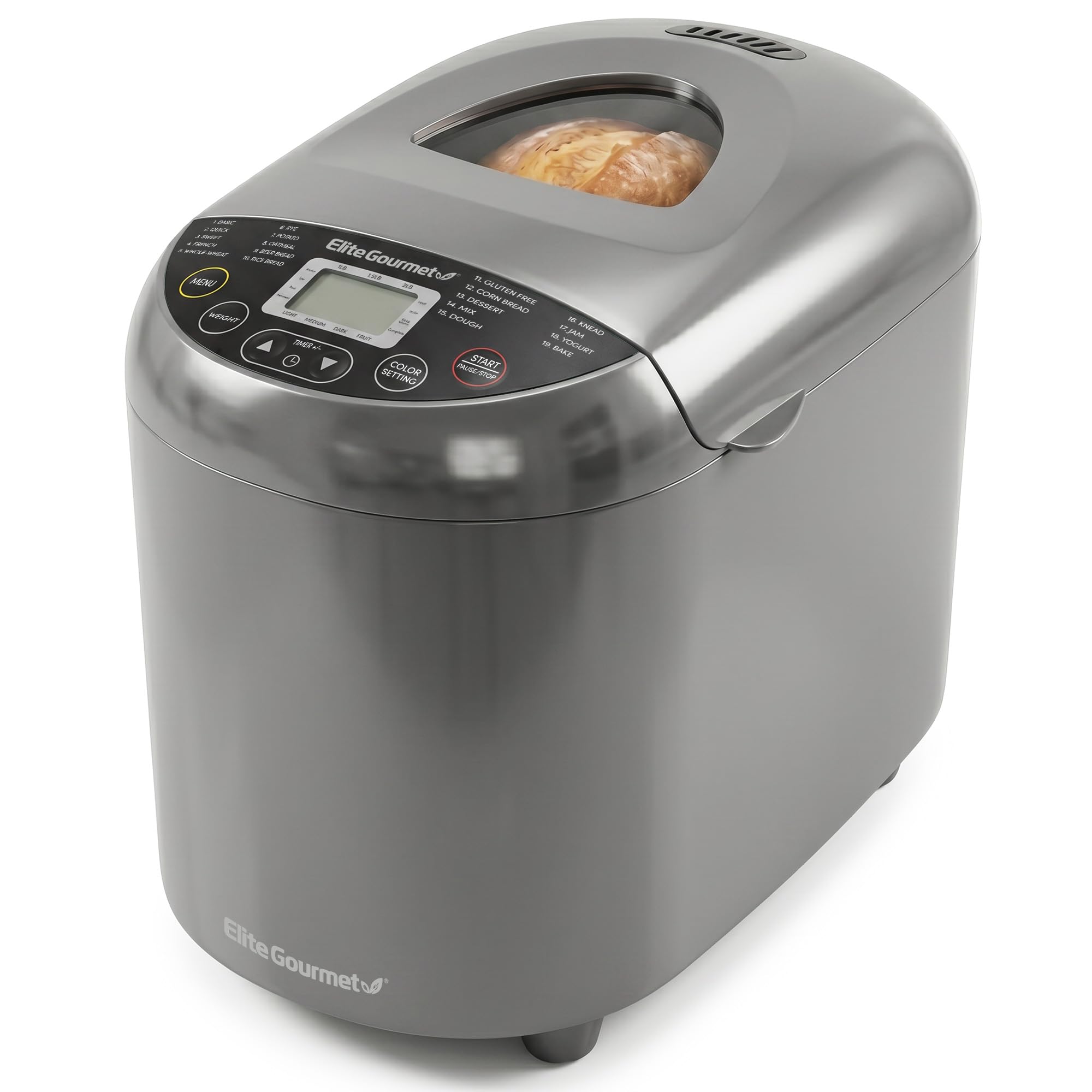
Stop paying more: At $75, you get a ceramic pan, 19 presets, and a delay timer — all the basics. Spending an extra $30 doesn't add meaningful features; you're really paying for a higher review count and a slightly quieter motor.
When to upgrade: Move to mid-range if you bake for more than four people or want a recognizable brand with 10,000+ verified reviews.
Mid-Range
$80 – $150KBS 19-in-1 Bread Maker
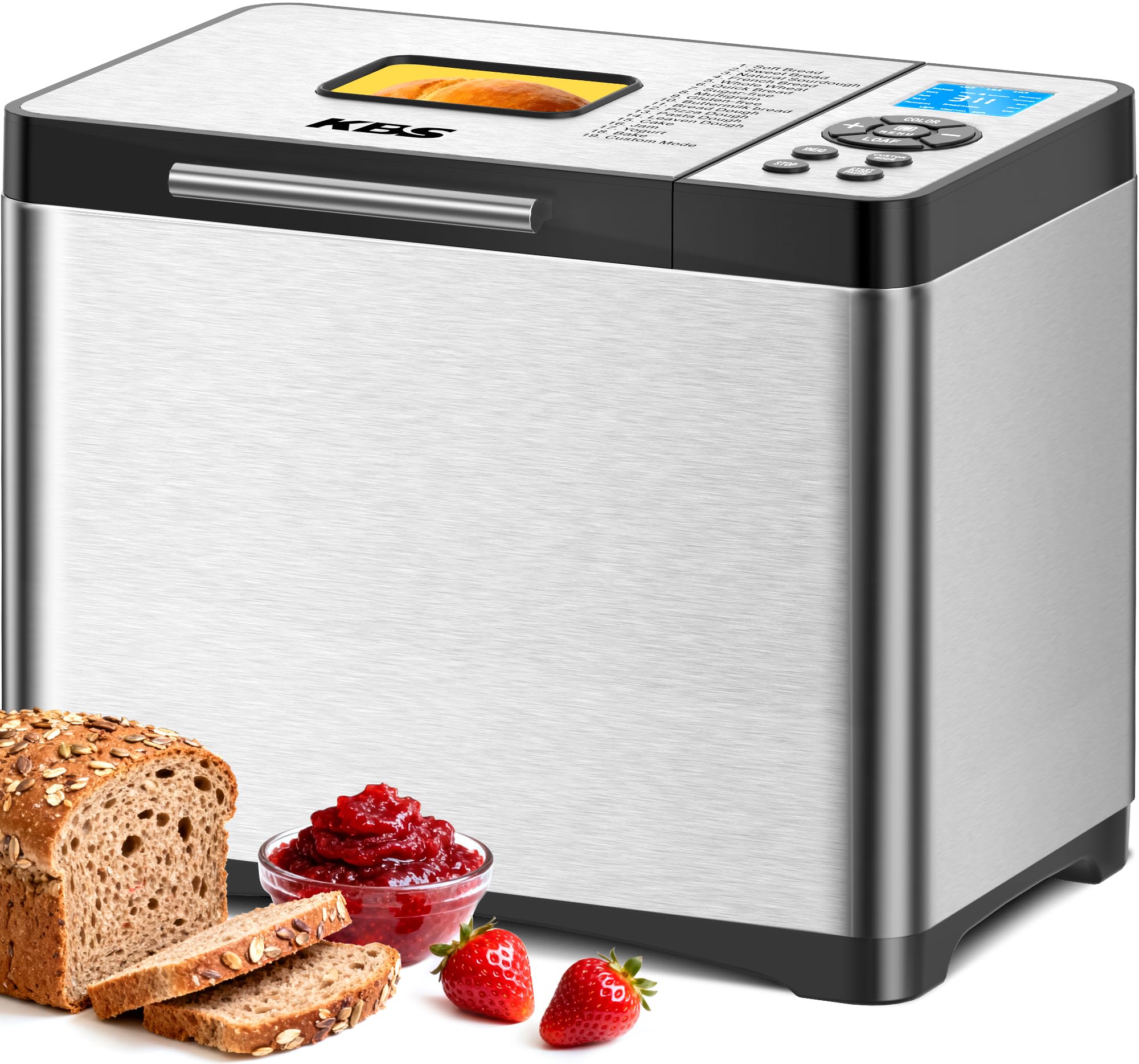
Stop paying more: The $115 KBS 19-in-1 delivers the best balance of capacity, programs, and proven reliability thanks to its 11,400+ reviews. Above $130, you're entering premium territory with custom settings or brand cachet.
When to upgrade: Step up to premium if you want a custom program, a Zojirushi, or a 3-pound loaf.
Premium
Above $150Zojirushi BB-HAC10 Home Bakery Mini

Stop paying more: At $234, you're buying a compact luxury appliance with legendary durability. However, for that price you could buy two mid-range 2-pound machines. The value only makes sense if you must have Zojirushi reliability in a very small footprint.
When to upgrade: Consider the KBS 20-in-1 at $130 if you want a custom program without the size premium.
Common Mistakes to Avoid
Buying a loaf size that’s too small
A 1-pound machine makes about 8 slices — enough for maybe two sandwiches. If you bake for a family, you’ll quickly outgrow it and end up running the machine twice.
Cost of getting it wrong: Replacing a mid-priced 1-pound unit with a slightly higher-priced 2-pound model wastes a comparable amount.
Ignoring pan material
Cheap Teflon-style nonstick pans scratch over time and may release chemicals at high baking temperatures. Ceramic pans cost only slightly more and offer peace of mind.
Cost of getting it wrong: Replacing the pan can cost $30–$50; a new machine with a ceramic pan is the better deal upfront.
Overvaluing program count
A machine with 19 programs sounds impressive, but you’ll likely use just 3 or 4. White, whole wheat, dough, and maybe gluten-free cover everything.
Cost of getting it wrong: You could overspend $40–$60 for features you never use.
Find Your Match
How many people are you baking for?
Frequently Asked Questions
What size bread machine do I need?
For a household of 1–2 people, a 1-pound loaf is enough. A family of 3–4 will want a 2-pound capacity. If you bake for more than four or like to freeze extra loaves, look for a 2.5–3 pound machine. Most models can also make a 1.5-pound loaf, giving you flexibility.
How much should I spend on a bread machine?
Expect to spend $75–$235. Under $100 gets you a capable machine with a ceramic pan and basic programs. The $100–$150 range delivers more programs, a larger capacity, and often a custom setting. Over $200 buys premium brand reliability or a specialized compact size.
What’s the best pan material — ceramic or nonstick?
Ceramic pans have gained popularity because they’re free of PTFE and PFAS chemicals, and they release bread easily with less sticking. Traditional nonstick coatings work fine but can scratch over time. If nonstick safety is a concern, go ceramic.
How do I avoid dense or collapsed loaves?
Use bread flour, not all-purpose, for better gluten development. Measure precisely, especially the liquids. Warm water (around 80°F) activates yeast properly. Also, avoid opening the lid during the rise — it lets out heat. A built-in delay timer can help you bake immediately after mixing.
What’s the difference between a horizontal and vertical loaf pan?
Vertical pans produce a tall, square loaf, while horizontal pans give you a traditionally shaped loaf that looks like an oven-baked sandwich bread. The shape doesn’t affect taste, but horizontal pans often have two kneading blades for even mixing.
Is a bread machine worth it if I don’t bake often?
If you enjoy fresh bread but lack the time or patience for manual kneading, a bread machine is worth it. Even occasional use for pizza dough or quick loaves can replace store-bought alternatives. A delay timer means fresh bread with zero morning effort.
What programs matter most?
Basic white, whole wheat, and dough are must-haves. A gluten-free program helps if anyone in the household has sensitivities, though many machines can still bake gluten-free on standard settings. Beyond that, jam, cake, and specialty programs are nice but rarely used.
How we wrote this guide
Synthesized from 27,405 verified Amazon reviews and community insights on r/Breadit. We cross-referenced manufacturer specs, analyzed buyer feedback on ease of use and durability, and highlighted the features that actually affect daily baking.
About this guide
Mubboo Editorial Team. Recommendations grounded in real buyer data and hands-off research — no fluff, no commission influence. Prices update weekly from Amazon.