How to Choose Butterfly Rearing Supplies (2026 Guide)
Everything you need to raise butterflies at home, from mesh habitats to live caterpillars.
By Mubboo Editorial Team · Updated Jun 22, 2026 · 6 min read
At a Glance
- Price range
- $13.99 – $59.99
- Data
- 28,179 verified reviews across 6 finalists
- Best for
- FamiliesClassroomsBirthday nature gifts
- Skip if
- You only want to attract wild butterflies—no captive rearing
Types Explained
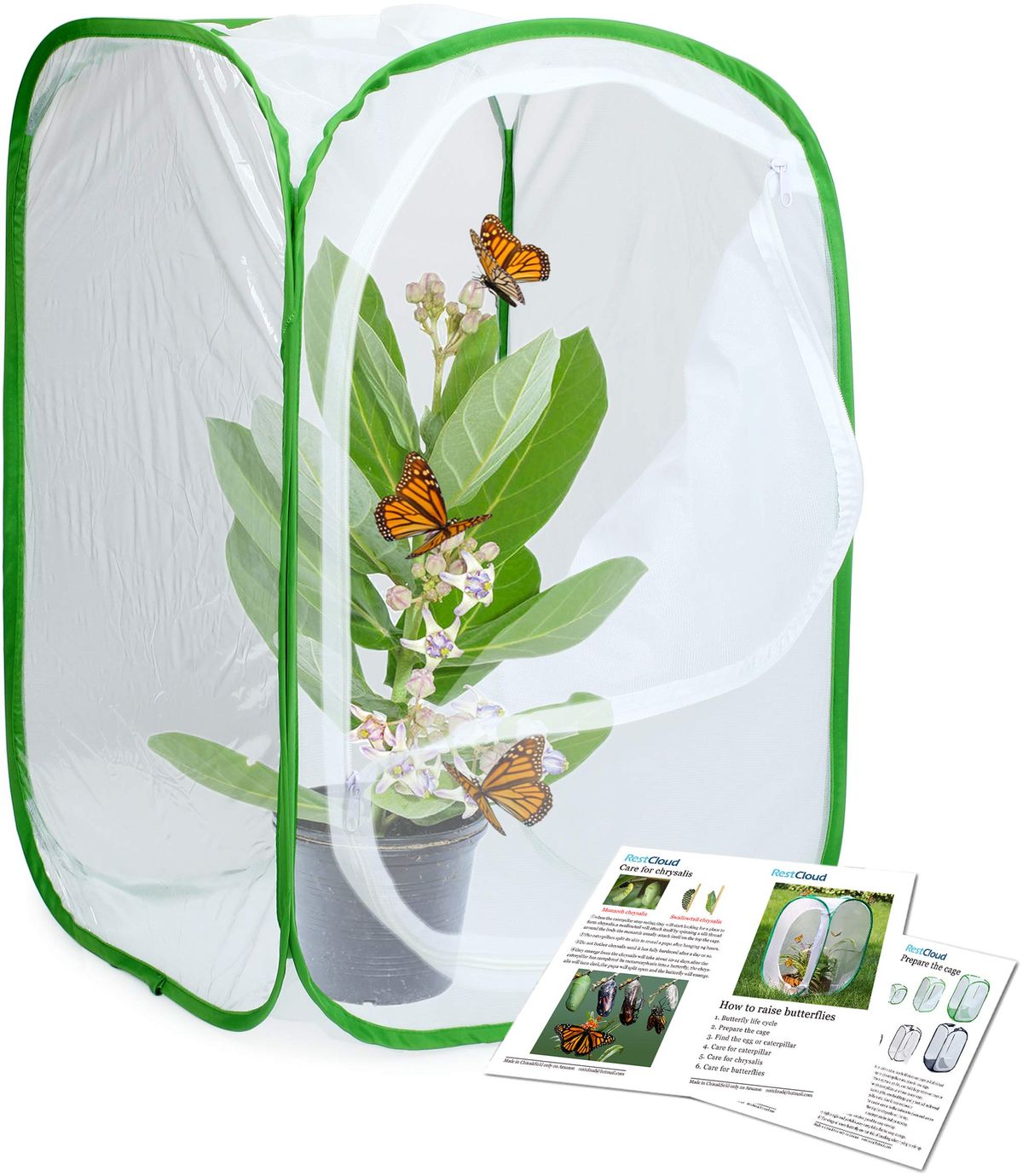
Pop-Up Mesh Habitats
Collapsible fabric enclosures with mesh walls and a zippered opening. They provide ventilation and visibility while protecting caterpillars from predators.
- Easy to set up and store
- Excellent airflow
- Clear vinyl viewing window
- Empty; caterpillars and food not included
- Mesh can sag under heavy potted plants
Best for: Beginners and classrooms
Example: RESTCLOUD 23.6"
Complete Kits with Live Caterpillars
All-in-one packages that include a pop-up habitat, live caterpillar cups, food, and instructions. Ideal for those who want a start-to-finish experience.
- Everything you need in one box
- Includes live caterpillars
- Detailed care guide
- Habitat often smaller than standalone models
- Caterpillar availability may be seasonal
Best for: First-timers and gift-givers
Example: Nature Gift Store Kit
Bulk Caterpillar Supplies
Cups of live caterpillars, usually painted ladies, shipped with food. Designed for refilling an existing habitat or for large-group projects.
- More caterpillars for your money
- High survival rates
- Replenishment for multiple cycles
- No habitat included
- Must time releases with outdoor weather
Best for: Repeat raisers, teachers, summer camps
Example: Clearwater 20 Caterpillars
What Actually Matters
| Factor | Importance | Best brand |
|---|---|---|
Habitat Size ≥12" tall for a few caterpillars; ≥24" for 5+ Cramped conditions stress caterpillars and lead to disease. A taller enclosure gives butterflies room to unfurl wings after emerging. | Must-have | RESTCLOUD |
Ventilation Mesh on at least 3 sides Stagnant air causes mold and condensation, which kill caterpillars. All four sides should breathe. | Must-have | RESTCLOUD |
Clear Viewing Panel Transparent vinyl window Kids (and adults) want to see the metamorphosis. A large see-through window beats peering through mesh. | Must-have | Nature Gift Store |
Inner Zipper Guard Fabric flap covering the zipper inside Chrysalids often attach to the zipper. An inner guard prevents them from being disturbed when you open the door. | Nice-to-have | RESTCLOUD (select models) |
Decorative Wooden Butterfly Houses None Wooden houses with slots are pretty garden decor, but butterflies rarely use them for roosting, and they're useless for raising caterpillars. | Marketing BS | N/A |
Grow Lights for Faster Metamorphosis None Claims that special lights speed up metamorphosis lack scientific backing. Room temperature and natural light work perfectly fine. | Marketing BS | N/A |
Budget Tiers & Top Picks
What to buy at each price point — and exactly where spending more stops paying off.
Budget
Under $20RESTCLOUD Pop-up Butterfly Habitat 23.6"

Stop paying more: Stop at $20. Higher-priced models in this tier add only marginal size; the 23.6" RESTCLOUD is the clear value leader with 14,282 reviews backing it.
When to upgrade: If you want a kit with caterpillars already provided, step up to the $30–$40 mid-range.
Mid-Range
$20 – $45Nature Gift Store Complete Butterfly Kit with 5 Caterpillars
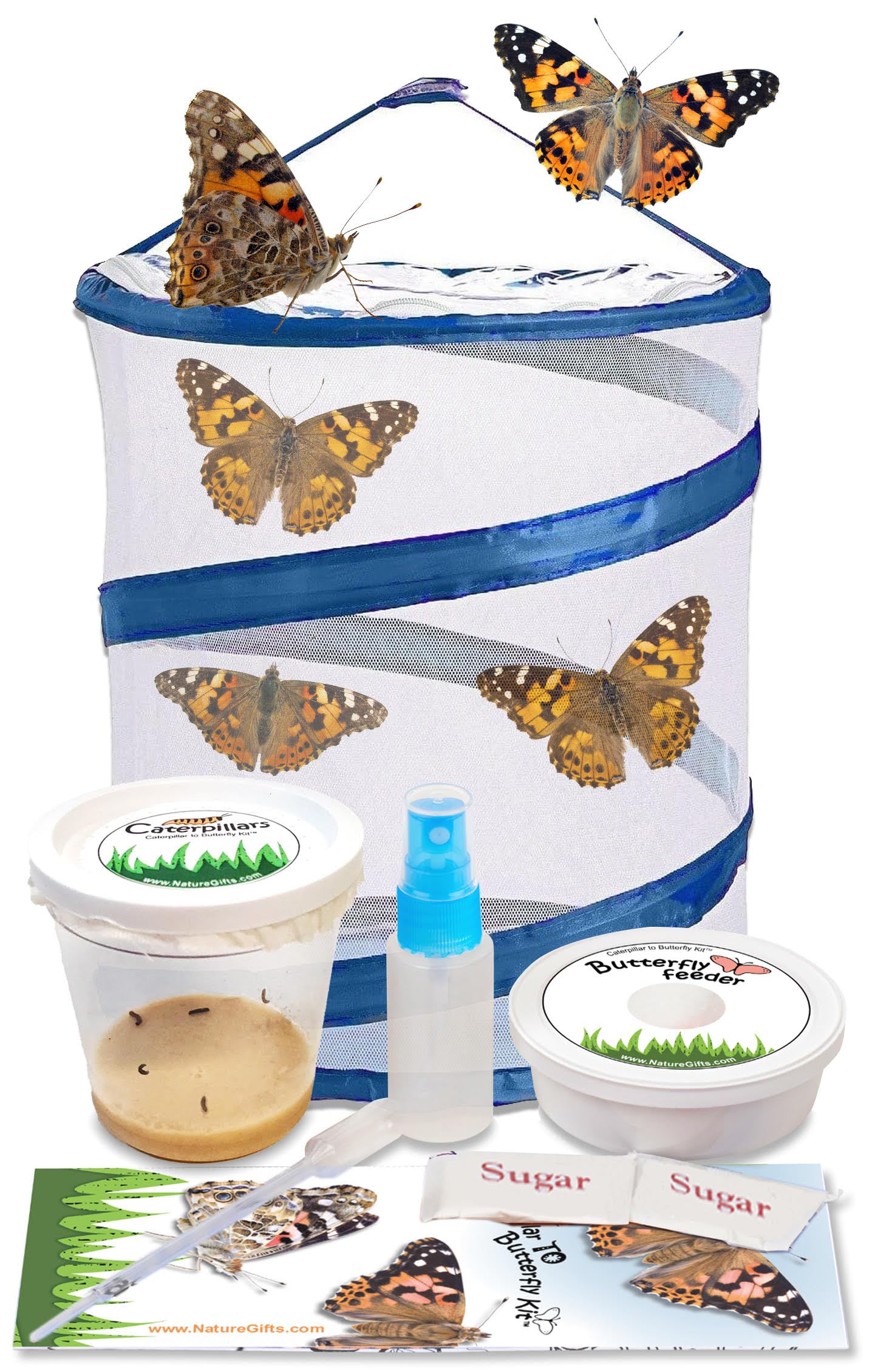
Stop paying more: At $40, you get everything in one box. Spending more in this tier gets you taller habitats but usually without live caterpillars.
When to upgrade: For dedicated monarch rearing or large classroom installations, jump to the premium tier for sturdy, extra-large enclosures.
Premium
$45+RESTCLOUD 5 Feet Extra Large Monarch Butterfly Habitat

Stop paying more: Above $60, additional spend buys decorative features rather than better rearing conditions. The 5-foot RESTCLOUD is the functional ceiling.
When to upgrade: This tier is the end of the line for home butterfly enclosures—beyond it, you're looking at commercial greenhouses.
Common Mistakes to Avoid
Starting with too small an enclosure
A 6-inch jar might seem fine for 5 caterpillars, but they'll quickly outgrow it. Overcrowding leads to disease and failed chrysalids. Beginners should start with at least a 12-inch tall mesh habitat.
Cost of getting it wrong: Wasted caterpillars—a cup.
Ignoring ventilation and moisture
Sealed plastic containers trap humidity, causing condensation that drowns caterpillars or breeds bacteria. Mesh habitats solve this, but you must still remove frass (droppings) daily.
Cost of getting it wrong: A single missed cleaning can wipe out an entire batch.
Buying a decorative butterfly house thinking it's a habitat
Pretty wooden boxes with slits are garden ornaments, not rearing enclosures. They lack proper space, airflow, and visibility. Stick with pop-up mesh habitats designed for the job.
Cost of getting it wrong: –40 wasted on a non-functional item, plus the loss of any caterpillars placed inside.
Find Your Match
What's your primary goal?
Frequently Asked Questions
How much should I spend on a butterfly habitat?
For a basic start, a pop-up mesh habitat is plenty. If you want live caterpillars included, a complete kit runs. Bigger projects or monarch rearing might call for a $30–$60 heavy-duty enclosure. Across 28,179+ verified Amazon reviews, the sweet spot for a first-time raiser is under $40.
What’s the biggest mistake beginners make?
Overcrowding caterpillars in a tiny container. Butterflies need space for chrysalis and wing stretching. A 12-inch enclosure works for 2–3 caterpillars; a 24-inch handles 10+. Also, skip wooden butterfly houses—they’re decorative, not functional for rearing.
Do I need a permit to raise butterflies at home?
In most of the US, raising native butterflies like monarchs or painted ladies requires no permit for personal use. However, check your state’s regulations—some require permits for releasing butterflies into the wild, especially for larger batches. You can find state-specific wildlife agency contacts online.
Can I reuse a butterfly habitat multiple times?
Absolutely. All the mesh habitats in our guide are designed for multiple seasons. After releasing butterflies, clean the enclosure with a mild bleach solution, rinse, and air dry. Store flat to save space. Most reviewers report using theirs for 3–5 years with proper care.
What supplies do I need specifically for monarchs?
Monarchs need milkweed as the sole food source for caterpillars. A heavy-duty, 30-inch or taller habitat (like the RESTCLOUD Monarch model) gives them soaring room. You’ll also need a way to secure potted milkweed inside—some enclosures have strong floors. Check with local nurseries for pesticide-free milkweed plants.
Does Mubboo receive payment from the brands recommended?
We participate in affiliate programs, including Amazon Associates, and may earn a commission when you buy through our links. This never affects our recommendations—our picks are based solely on product quality, review data, and expert input. Prices and availability are as of publication date and may vary.
How we wrote this guide
Our recommendations draw from 28,179+ verified Amazon reviews across 6 finalists, cross-referenced with guidelines from Monarch Watch and the National Wildlife Federation. We prioritized enclosures with generous size, good ventilation, and clear viewing — features that real buyers and experts agree matter most.
About this guide
Mubboo Editorial Team — independent US-market consumer research. Picks reflect analysis of thousands of verified Amazon buyer reviews and published butterfly-rearing best practices. Prices are current as of publication.