How to Choose Camera Lenses (2026 Guide)
Find the perfect lens for your camera and budget, from smartphone add-ons to professional zooms.
By Mubboo Editorial Team · Updated Jun 7, 2026 · 8 min read
At a Glance
- Price range
- $39.99 – $699
- Budget pick
- Xenvo Pro Lens Kit ($39.99 · 4.2★)
- Data
- Researched using 52,042+ verified buyer reviews and video analyses across 6 lenses.
- Best for
- First-time DSLR ownersPortrait enthusiastsBudget-conscious photographers
- Skip if
- You need a zoom lens or weather sealing.
Types Explained
Prime Lens
A fixed focal length lens, known for sharpness and wide apertures.
- Excellent sharpness and low-light performance
- Creates beautiful bokeh
- Lightweight and compact
- No zoom flexibility
- May require multiple lenses to cover different focal lengths
Best for: Portrait, street photography, low-light shooting
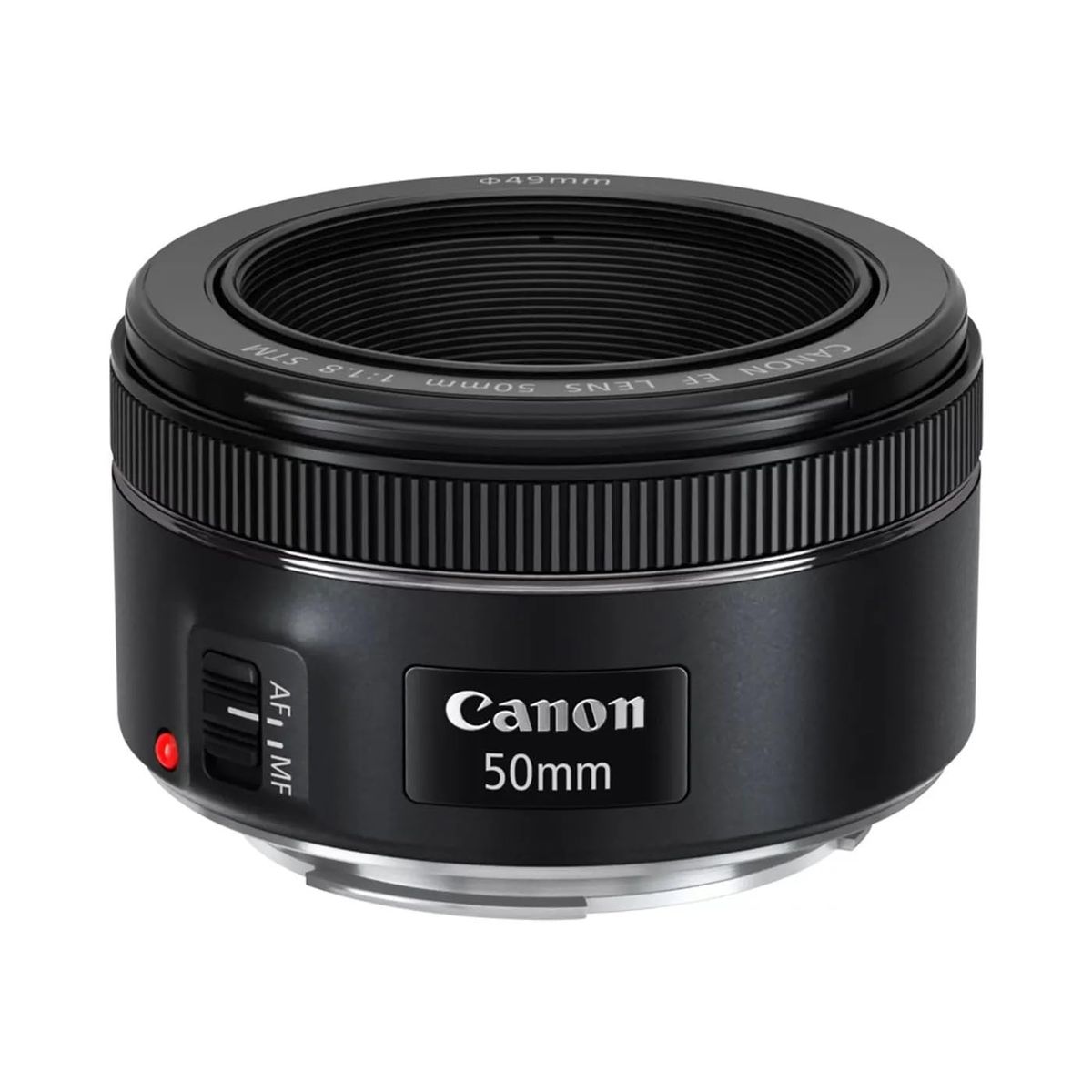
Example: Canon EF 50mm f/1.8 STM
Zoom Lens
A variable focal length lens, versatile for many subjects.
- Flexibility to frame shots without moving
- Fewer lens swaps needed
- Typically larger and heavier
- Often slower maximum apertures
Best for: Travel, events, wildlife
Example: Tamron 17-70mm f/2.8
Phone Lens Attachment
Clip-on lenses that add wide-angle or macro capabilities to smartphones.
- Affordable way to expand phone camera
- Compact and portable
- Image quality relies on phone sensor
- Limited use for serious photography
Best for: Smartphone photographers, casual creators
Example: Xenvo Pro Lens Kit
What Actually Matters
| Factor | Importance | Best brand |
|---|---|---|
Lens Mount Compatibility Must match your camera body mount (Canon EF, Canon RF, Sony E, etc.) Using the wrong mount means the lens won't attach at all. Check your camera manual. | Must-have | Canon EF/EF-S, Canon RF, Sony E, Tamron |
Aperture (Low-Light & Bokeh) f/2.8 or faster for low light; f/1.8 for portraits A wider aperture gives more background blur and better low-light performance, but costs more. | Must-have | Canon and Sony prime lenses |
Image Stabilization Optical stabilization for handheld shots in low light Stabilization helps but not essential for fast shutter speeds or tripods. | Nice-to-have | Tamron (VC), some Canon/Sony zooms |
Focal Length & Zoom Range 50mm for portraits, wide-angle (17-35mm) for landscapes, telephoto (70-300mm) for wildlife Choose focal length based on what you shoot most. | Must-have | Multiple brands |
Autofocus Speed & Noise STM or USM for quiet video AF Quieter AF is crucial for video, but still useful for stills. | Nice-to-have | Canon STM, Tamron RXD |
Build Quality & Weather Sealing Weather-resistant construction for outdoor use Plastic mounts are fine for light use, but metal mounts last longer. | Nice-to-have | Tamron, high-end Canon/Sony |
Brand Premium Paying 30-50% more for a brand logo with similar optical quality. Third-party lenses from Tamron or Sigma often match performance for less. | Marketing BS | — |
Budget Tiers & Top Picks
What to buy at each price point — and exactly where spending more stops paying off.
Under $50
$35 – $50Xenvo Pro Lens Kit

Stop paying more: Stop at $50. Spending more for phone lenses rarely improves optical quality.
When to upgrade: Step up to a mirrorless or DSLR camera and a prime lens for vastly better image quality.
Mid-Range (Under $250)
$150 – $250Canon EF 50mm f/1.8 STM

Stop paying more: Until $250, this is the best value prime for Canon DSLRs. Diminishing returns after this unless you need a zoom.
When to upgrade: For Sony mirrorless, the Sony FE 50mm at $248 offers similar performance, or step up to a Tamron 17-70mm zoom.
Premium (Over $600)
$600 – $800Tamron 17-70mm f/2.8 Di III-A VC RXD

Stop paying more: Spending more than $800 on a standard zoom for APS-C offers few practical gains; this lens covers most needs.
When to upgrade: If you need more reach, a telephoto zoom like the Canon EF 75-300mm (for Canon DSLRs) is next.
Common Mistakes to Avoid
Buying an incompatible mount
A Canon EF lens won't fit a Sony E-mount camera without an adapter. Always check the mount type before purchasing.
Cost of getting it wrong: Return shipping and restocking fees can be or more.
Ignoring aperture for low light
A lens with a maximum aperture of f/5.6 will struggle indoors or at night, forcing high ISO and grainy images.
Cost of getting it wrong: Upgrading to an f/2.8 or faster lens later costs hundreds more and you lose the initial investment.
Overlooking weight for travel
A heavy 1.5 lb lens might stay home more often than a lighter alternative, meaning you miss shots.
Cost of getting it wrong: Wasted money on gear that collects dust; consider a lightweight prime like the Canon EF 50mm at 5.6 oz.
Find Your Match
What camera mount do you have?
Frequently Asked Questions
How do I know which lens fits my camera?
Check your camera body's lens mount type. Canon DSLRs use EF/EF-S, Canon mirrorless use RF, Sony mirrorless uses E-mount, and so on. The lens listing clearly states the mount compatibility. A mismatch means the lens won't attach without an adapter. If in doubt, search for 'lens for [your camera model]' or consult the manual. Always verify before buying — return shipping can or more.
Is a smartphone lens attachment worth buying?
For casual creators, a budget kit like the Xenvo adds fun macro and wide-angle capabilities for under $50. However, image quality is limited by your phone's sensor, and you won't achieve the clarity of a dedicated camera lens. If you primarily use your phone and want to experiment, it's a low-risk investment.
Why is aperture important?
Aperture (f-stop) controls how much light enters the lens and affects depth of field. A wider aperture (smaller f-number like f/1.8) lets in more light, ideal for dimly lit scenes and blurry backgrounds (bokeh). A narrower aperture (f/4 or higher) reduces light but increases sharpness across the frame. For portraits and low-light shooting, look for f/2.8 or lower. Many zoom lenses top out at f/3.5-5.6.
Do I need image stabilization in a lens?
Stabilization reduces blur from hand shake, especially in low light when you can't use a fast shutter speed. It's helpful if you shoot handheld often, but not essential if you use a tripod or shoot at fast shutter speeds. Many modern cameras have in-body stabilization (IBIS) that works with any lens. For older DSLRs, a stabilized lens like the Tamron 17-2.76 inches with VC makes a noticeable difference.
What's the best lens for travel?
A lightweight, versatile zoom like the Tamron 17-2.76 inches f/2.8 covers wide landscapes to short telephoto, eliminating lens swaps. 8 at 5.6 oz fits in a pocket and excels in street photography. Avoid heavy telephotos unless you're specifically shooting wildlife. Consider weather sealing if traveling to dusty or humid locations.
How we wrote this guide
We analyzed over 52,042 verified Amazon buyer reviews across 6 popular lenses, watched real-world tests from Jason Vong and Tech Through The Lens, and combined that with manufacturer specifications and community Q&A to help you choose the right lens.
About this guide
Mubboo Editorial Team — independent consumer research for US shoppers. Our lens picks are based on data from Amazon, Best Buy, and B&H Photo, not brand partnerships.