How to Choose a Car Emergency Kit (2026 Guide)
A clear guide to roadside safety, from escape tools to full emergency kits.
By Mubboo Editorial Team · Updated Jun 7, 2026 · 6 min read
At a Glance
- Price range
- $8 – $90
- Data
- 61,295 verified reviews across 6 finalists
- Best for
- Families wanting all-in-one readinessLong road tripsNew drivers
- Skip if
- You already have jumper cables and a first aid kit — the escape tool alone may suffice.
Types Explained
Escape Tools
Window breakers and seatbelt cutters that fit in your door pocket.
- Compact and affordable
- Instant emergency exit
- Can't jump-start a car
- Don't break laminated glass
Best for: Every car as a last resort
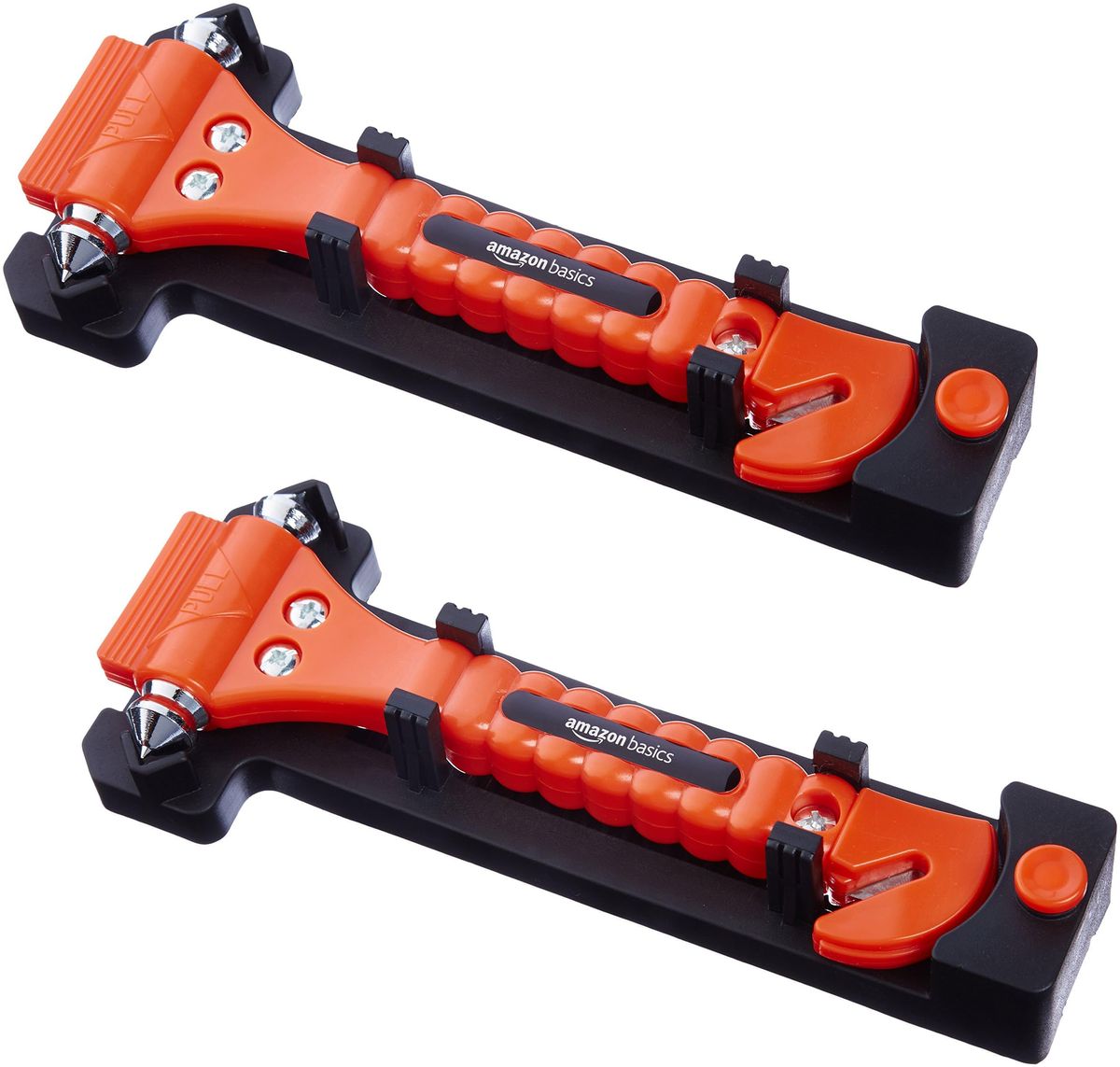
Example: Amazon Basics Emergency Escape Tool (4.8★, 34k reviews)
First Aid Kits
Compact kits with bandages, antiseptics, and tools for minor injuries.
- Hospital-grade supplies in small size
- Fits in glovebox
- Lacks trauma supplies for severe bleeding
- Limited quantity for families
Best for: Solo drivers needing basic medical backup
Example: General Medi Mini First Aid Kit (4.7★, 9k reviews)
Roadside Kits
All-in-one bags with jumper cables, tow straps, tools, and safety gear.
- Covers most common breakdowns
- Includes reflective safety items
- Bulkier than minimal kits
- Must check cable quality
Best for: Families and frequent travelers
Example: LIANXIN Roadside Assistance Kit (4.7★, 4.5k reviews)
Survival/Disaster Kits
72-hour emergency bags with food, water, and blankets for prolonged stranding.
- 5-year shelf life supplies
- Prepares for disasters beyond car trouble
- No jumper cables or tools
- Heavier and larger
Best for: Earthquake-prone zones and remote areas
Example: Ready America 72-Hour Kit (4.7★, 4.3k reviews)
What Actually Matters
| Factor | Importance | Best brand |
|---|---|---|
Escape Tool Material Tungsten or high-carbon steel Tungsten is 3x stronger than carbon steel – crucial for shattering tempered glass. | Must-have | Amazon Basics (tungsten tip) |
Jumper Cable Gauge ≥ 4-gauge for reliable starts Thicker cables (lower gauge numbers) deliver more current and resist overheating. | Must-have | LIANXIN (UL-certified 8.2ft cables) |
First Aid Kit Quality At least 100 pieces with hospital-grade supplies Only necessary if you lack a separate first aid kit; many roadside kits include basic supplies. | Nice-to-have | General Medi |
Visibility Gear Reflective triangle or LED flares plus high-vis vest Nighttime breakdowns are deadly – ensure you're seen by oncoming traffic. | Must-have | LIANXIN (includes triangle and vest) |
Compactness Fits in trunk side pocket or spare tire well A kit that's too bulky to store is useless when you need it. | Must-have | Amazon Basics escape tool (fits in door pocket) |
Claims of 'Military-Grade' Durability No standardized testing proves this label. Verify real user reviews and material specs instead. | Marketing BS | — |
Budget Tiers & Top Picks
What to buy at each price point — and exactly where spending more stops paying off.
Under $15: Single Emergency Essentials
$8 – $15Amazon Basics Emergency Escape Tool 2-Pack

Stop paying more: Stop at $10. Spending more doesn't improve safety for window breaking.
When to upgrade: Need jumper cables or first aid? Step up to a roadside kit around $40.
$35 – $45: Comprehensive Roadside Kits
$35 – $45LIANXIN Roadside Assistance Emergency Kit

Stop paying more: Diminishing returns above $45. This tier covers 90% of roadside emergencies.
When to upgrade: For an air compressor and heavy-duty tow strap, consider the premium $90 kit.
$80 – $90: Premium All-in-One Kits
$80 – $90FIRST SECURE Car Emergency Kit with Air Compressor

Stop paying more: Stop at $90. Spending more adds bulk without noticeably better emergency readiness.
When to upgrade: Already have tools? Pair the $40 roadside kit with a separate portable air compressor.
Common Mistakes to Avoid
Buying only an escape tool
Many drivers assume a window hammer is enough, but they lack jumper cables or first aid for common breakdowns. A dead battery is far more likely than a sinking car.
Cost of getting it wrong: Being stranded without a boost — $50+ for a tow truck call.
Ignoring visibility gear
Kits without reflective triangles or vests put you in danger when exiting the car on a dark road. Oncoming cars can't see you, especially in bad weather.
Cost of getting it wrong: Increased risk of being struck — safety is priceless.
Cheap jumper cables
Thin 10-gauge cables may fail to start larger engines or could overheat. Look for 4-gauge copper-clad aluminum cables at least 10 feet long.
Cost of getting it wrong: Useless when needed — re-buying proper cables +.
Find Your Match
What's your primary concern?
Frequently Asked Questions
How much should I spend on a car emergency kit?
A basic escape tool costs under $10, while a comprehensive roadside kit with jumper cables starts. For most drivers, the $40–$50 range covers common emergencies. Add a first aid kit if not included. Premium kits with air compressors run $80–$100, but only for remote-area drivers.
What should I avoid when choosing a kit?
Avoid flimsy jumper cables (thin 10-gauge or worse) that can't start larger engines. Skip escape tools that can't break tempered glass. Avoid bulky kits if trunk space is tight. Check first aid supply expiration dates.
Do I need a separate first aid kit?
Many roadside kits include basic bandages, but a dedicated first aid kit with 100+ pieces (like the General Medi Mini) offers more comprehensive care for cuts, scrapes, and burns. It's a glovebox add-on that ensures you're not using your emergency kit as a medical kit.
Are 72-hour survival kits necessary for the car?
Daily commuters don't need one. But drivers in earthquake zones, remote areas, or severe winter regions should carry a 72-hour kit like the Ready America bag. It provides food, water, and warmth for extended stranding when paired with a roadside kit.
How often should I check my emergency kit?
Check every six months: replace expired first aid items, test jumper cables, and ensure the escape tool is accessible. Store within reach of the driver. Set a calendar reminder with daylight saving time changes.
What’s the one thing most people forget?
Visibility gear. Many kits lack reflective triangles or a vest. Buy a USDOT-approved triangle and vest for under $15. Being seen on a dark road shoulder is critical to avoid being hit by passing vehicles.
How we wrote this guide
Compiled from analysis of 6 top-selling car emergency kits and over 61,000 verified buyer reviews. Cross-referenced with expert advice from Wirecutter and Tom's Guide. Prices update weekly from Amazon.
About this guide
Mubboo Editorial Team. Picks synthesized from verified buyer reviews and expert evaluations. Prices update weekly from Amazon.