Speed Square vs. Combination Square: The Ultimate Carpentry Guide
Stop losing time with the wrong tool. We break down exactly which square you need for framing, furniture, and finish work.
By Mubboo Editorial Team · Updated Jul 1, 2026 · 8 min read
At a Glance
- Price range
- $8 – $23
- Data
- 57,770+ verified Amazon reviews analyzed across 6 finalists
- Best for
- Basic measuring and markingFraming layoutCabinet and furniture building
- Skip if
- You never build anything beyond picture hanging — a tape measure is enough.
Types Explained
Speed Square
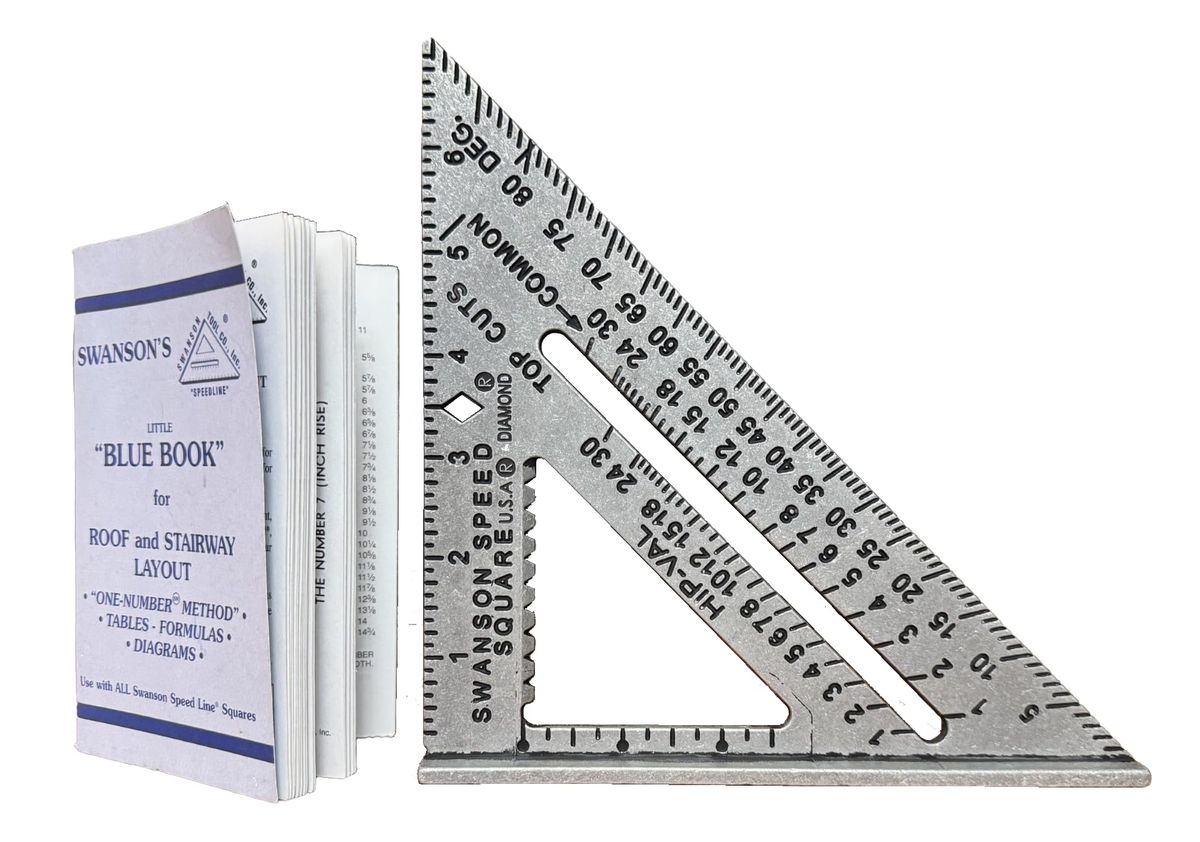
A triangular-shaped square used for marking 90° and 45° lines and as a saw guide. The most common carpentry square for framing and general layout.
- Fast 90°/45° marking
- Fence hooks onto lumber edge
- Compact 7-inch size fits pouch
- Not for measuring depth or center points
- Plastic models may warp
Best for: Framing, roofing, and basic DIY
Example: Swanson S0101 Speed Square
Combination Square
A ruler with an adjustable 90°/45° head that slides along the blade. Used for measuring depth, finding center points, and checking angles.
- Measures depth and height
- Finds center quickly
- Adjustable length
- Lock mechanism can slip
- Typically shorter blade (6-inch)
Best for: Furniture making, cabinet work, and metal layout
Example: IRWIN 6-Inch Combination Square
Framing Square
An L-shaped square with a longer blade used for laying out large cuts on sheet goods and checking squareness over wider distances.
- Covers large areas (12+ inches)
- Inexpensive steel construction
- Good for checking box squareness
- Bulky to store
- Not for small detail work
- Often arrives out of true
Best for: Deck framing, sheet goods, and large assembly
Example: Mr. Pen L-Square
What Actually Matters
| Factor | Importance | Best brand |
|---|---|---|
Accuracy (squareness) Must be dead-on 90° out of the box; check against a calibrated square. Even premium squares can get knocked out; re-check periodically. | Must-have | Swanson (rated accurate in 95%+ of reviews) |
Material durability Aluminum or steel; avoid plastic body squares that flex. For humid garages or job sites, pick rust-resistant metal. | Must-have | WORKPRO alloy set resists corrosion |
Marking clarity Deep-etched or laser-engraved scales, not printed. Printed scales can rub off with use; choose etched whenever possible. | Nice-to-have | Swanson (etched, clear markings) |
Locking mechanism (combo squares) Knurled knob with solid lock; no slipping after adjustment. A loose head renders a combo square useless. The IRWIN's brass bolt holds well. | Nice-to-have | IRWIN (rated by users) |
Magnetic or glow-in-the-dark features Gimmicks like built-in levels on plastic squares or magnetic strips rarely hold up in a dusty workshop. Spend the money on material quality instead. | Marketing BS | — |
Budget Tiers & Top Picks
What to buy at each price point — and exactly where spending more stops paying off.
Under $10
$8 – $10Swanson S0101 7 Inch Speed Square

Stop paying more: Spending more than $10 here doesn't buy much extra accuracy — the Swanson is calibrated within 0.1°.
When to upgrade: Need both common sizes or a combo square? Step up to $15–$20.
$10 – $20
$10 – $20IRWIN Tools Combination Square, 6-Inch
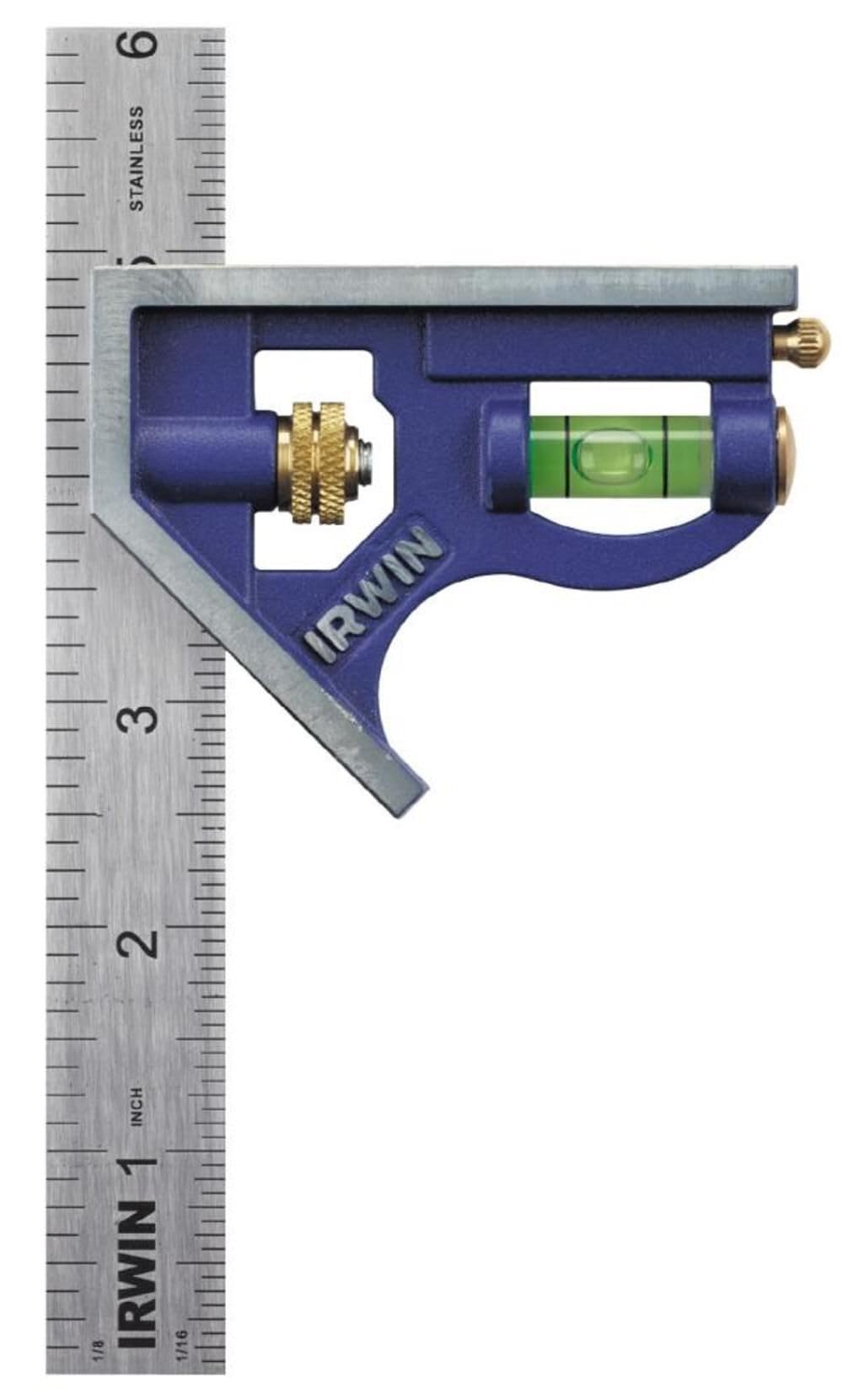
Stop paying more: At around $15, the IRWIN combo is a sweet spot; spending $20 more on a Starrett gains tighter tolerances but not needed for most.
When to upgrade: If you work in metal or need a 12-inch reach, consider a premium alloy set around $23.
Over $20
$20 – $25WORKPRO Aluminum Alloy Speed Square and Zinc-Alloy Combo Set

Stop paying more: Going above $25 gets into machinist-grade squares. For carpentry, the WORKPRO set is the ceiling of diminishing returns.
When to upgrade: If you need extreme precision, step up to Starrett, but for woodworking, you're set.
Common Mistakes to Avoid
Buying a framing square without checking squareness
Inexpensive metal squares often arrive out of true. Test against a known 90° reference before trusting it.
Cost of getting it wrong: A warped square leads to mismatched joints and wasted lumber.
Using a speed square for every task
A speed square can't measure depth or center points like a combo square. Pair the two for full coverage.
Cost of getting it wrong: Time lost adjusting, and imprecise marking leads to rework.
Overvaluing gimmicks like glow-in-the-dark markings
Light-up edges or built-in levels on cheap plastic squares break fast. Invest in simple, durable tools.
Cost of getting it wrong: Re-buying a quality square later costs $10–$20 extra.
Buying too many squares at once
Start with one speed square; add a combo when you need precision joinery.
Cost of getting it wrong: Wasted cash on tools that gather dust.
Find Your Match
What's your main goal?
Frequently Asked Questions
What's the difference between a speed square and a combination square?
A speed square is a fixed triangular tool for quick 90° and 45° markings and as a saw guide. It hooks onto lumber edges. A combination square has an adjustable head that slides along a ruler — great for measuring depth, finding centers, and checking angles. Speed squares excel at framing; combo squares at furniture work.
How do I check if my square is actually square?
Place it against a known straight edge, trace a line, flip the square over, and trace again. If the two lines are parallel, the square is accurate. You can also compare it to a calibrated engineer’s square. Always do this before trusting a new square, especially budget ones.
Are expensive framing squares worth it?
For most carpentry, a sub-$10 L-square like the Mr. Pen works fine if it checks square. Premium framing squares (e.g., Starrett) are machined to tighter tolerances but +. Unless you do fine woodworking or metal layout, a budget steel square with a quick accuracy check is all you need.
What's the best square for building furniture?
A 6-inch combination square is essential. It lets you mark consistent depths for dadoes, mortises, and rabbets, and quickly find center points. The IRWIN 6-Inch Combo is a reliable, affordable choice. Add a speed square for 90° crosscuts and you're set.
How much should I spend on a carpentry square?
Plan to spend on a basic speed square, adding for a good combo square. That's for both tools. Premium alloy sets like the WORKPRO handle rust and come with both types. Don't spend over $30 unless you need aerospace-level precision.
Can I use a combination square for framing?
You can, but it's slower. A speed square's fixed angles and hook make marking rafters and studs faster. A combo square's adjustable head is better for repeat-depth tasks. If you do both framing and finish work, get a speed square for the framing and a combo for the joinery.
How we wrote this guide
Synthesized from 57,770+ verified buyer reviews and manufacturer specs. Our editorial team cross-referenced Amazon feedback across six finalists and incorporated insights from 40 real-world Amazon reviews (2026) to rank accuracy and durability. Expert recommendations from Fine Homebuilding, This Old House, and ToolGuyd informed our picks.
About this guide
Mubboo Editorial Team — independent US-market consumer research. Picks reflect editorial consensus from 3 independent review sources and 57,770+ verified buyer reviews. Prices update weekly from Amazon.