How to Choose a Coffee Grinder (2026 Guide)
The U.S. buyer's guide to grind types, features, and what’s actually worth your money.
By Mubboo Editorial Team · Updated Jun 8, 2026 · 8 min read
At a Glance
- Price range
- $18 – $99
- Data
- 243,217 verified buyer reviews analyzed across 6 finalists
- Best for
- Daily drip coffee and French pressGrinding spices and herbsBudget‑friendly entry point
- Skip if
- You primarily brew espresso — you’ll need a burr grinder with fine‑grind control.
Types Explained
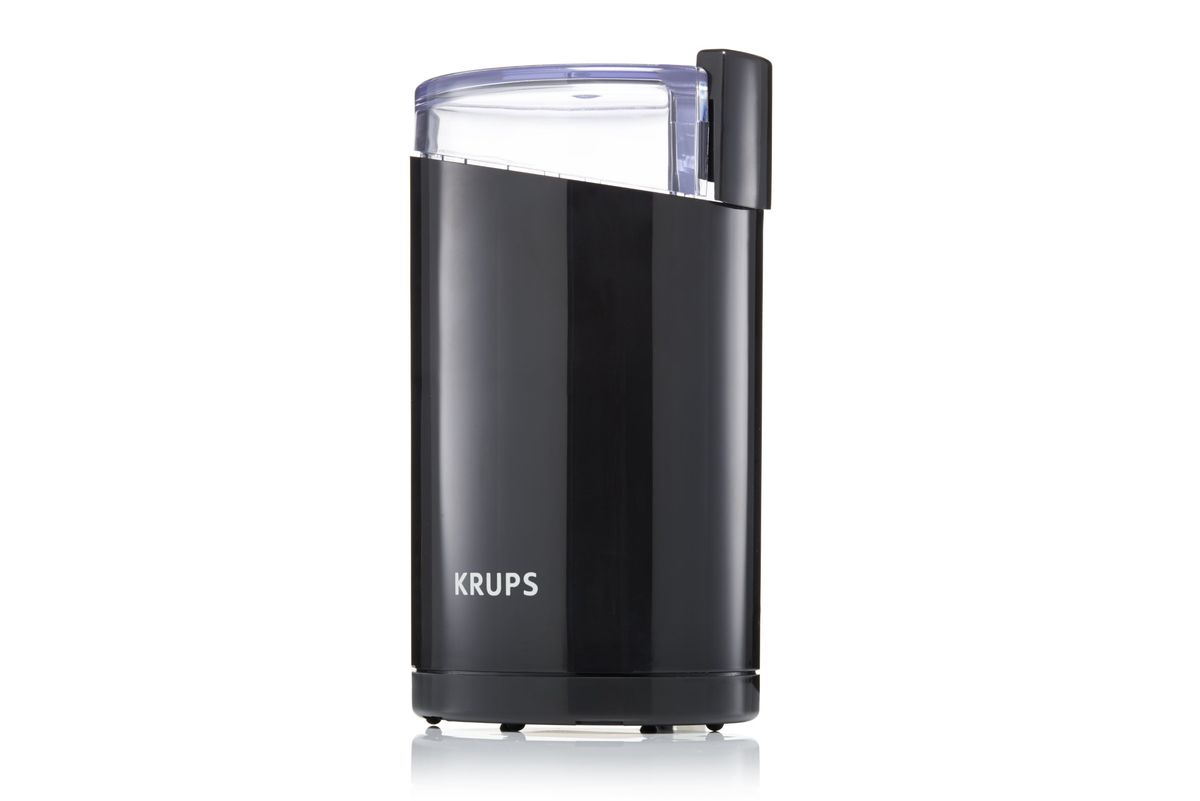
Blade Grinder
A motor spins a metal blade, chopping beans into coarse‑to‑fine powder. Simple, affordable, versatile.
- Inexpensive — under $30
- Compact and lightweight
- Doubles as a spice/nut grinder
- Uneven grind — fines mixed with boulders
- Hard to replicate grind size consistently
- Can overheat beans in prolonged use
Best for: Drip coffee, French press, and occasional use
Example: KRUPS Precision – ASIN: B00004SPEU
Flat Burr Grinder
Two flat, serrated discs crush beans to a uniform size with adjustable spacing. Consistent output at a moderate price.
- Even grind improves extraction
- Multiple grind‑size settings
- Large hopper capacities (4‑18 cups)
- Louder than blade grinders
- Cleaning requires disassembly
- More expensive ($50‑$80)
Best for: Coffee enthusiasts making drip, pour‑over, and espresso
Example: Cuisinart DBM‑8P1 – ASIN: B00018RRRK
Conical Burr Grinder
A cone‑shaped burr rotates inside a ring; slower RPMs reduce heat and noise while delivering precise, uniform particles.
- Excellent grind consistency
- Less static and heat than flat burrs
- Wide range of fine‑coarse adjustments
- Pricey — $80‑$200+
- Taller footprint may not fit under cabinets
- Static can still cause retention in dry climates
Best for: Espresso purists, single‑origin lovers, and cold brew fans
Example: OXO Brew Conical Burr – ASIN: B07CSKGLMM
What Actually Matters
| Factor | Importance | Best brand |
|---|---|---|
Grind Consistency Uniform particle size, no visible boulders or powder piles Coffee extraction depends on even water contact; uneven grinding leads to sour/bitter cups. Burr grinders outperform blades every time. | Must-have | OXO Conical Burr – 15 micro‑adjustable settings yield consistent grounds |
Burr vs Blade Type Choose burr if you brew espresso, pour‑over, or French press; blade is okay for drip and spices. Blades chop unpredictably; burrs crush to a consistent size. For anything beyond pre‑ground quality, a burr grinder is non‑negotiable. | Must-have | Cuisinart DBM‑8P1 – entry‑level burr with 18 positions; OXO – premium conical burr. |
Capacity 2 oz minimum for single cup; 3‑4 oz for a full pot; 8‑12 oz for batch brewing. Blade grinders often have larger bean chambers; burr grinders hold more grounds in the hopper. Don’t store beans in a hopper — grind fresh each time. | Nice-to-have | KRUPS and Hamilton Beach hold 3‑4.5 oz, enough for 12 cups. |
Ease of Cleaning Removable bowl/hopper and dishwasher‑safe parts. Coffee oils turn rancid; weekly cleaning prevents stale flavors. Blade grinders are easier to wipe out, but burr grinders often need a brush. | Nice-to-have | Hamilton Beach Fresh Grind – removable, dishwasher‑safe grinding bowl. |
Noise Level Under 75 dB for early‑morning use in shared spaces. Burr grinders tend to be louder due to higher torque motors. Look for DC motors — they hum rather than screech. | Nice-to-have | Hamilton Beach is advertised as quieter than the leading competitor; BLACK+DECKER also rated quiet. |
Wattage Higher wattage doesn’t mean better grind. Blade grinders at 200W can outperform a 500W burr if not built well. Focus on burr quality and motor design, not raw power. | Marketing BS | — |
Budget Tiers & Top Picks
What to buy at each price point — and exactly where spending more stops paying off.
Budget (Under $30)
$17 – $30KRUPS Precision Electric Coffee Grinder

Stop paying more: Stop at $25. Spending more buys only a handful of extra features that don’t improve the cup. The KRUPS gives you 3 oz capacity and a reliable 200W motor.
When to upgrade: Need real grind consistency or 18+ settings? Step up to a flat burr grinder around $50.
Mid‑Range ($30 – $70)
$30 – $70Cuisinart DBM‑8P1 Automatic Burr Grinder
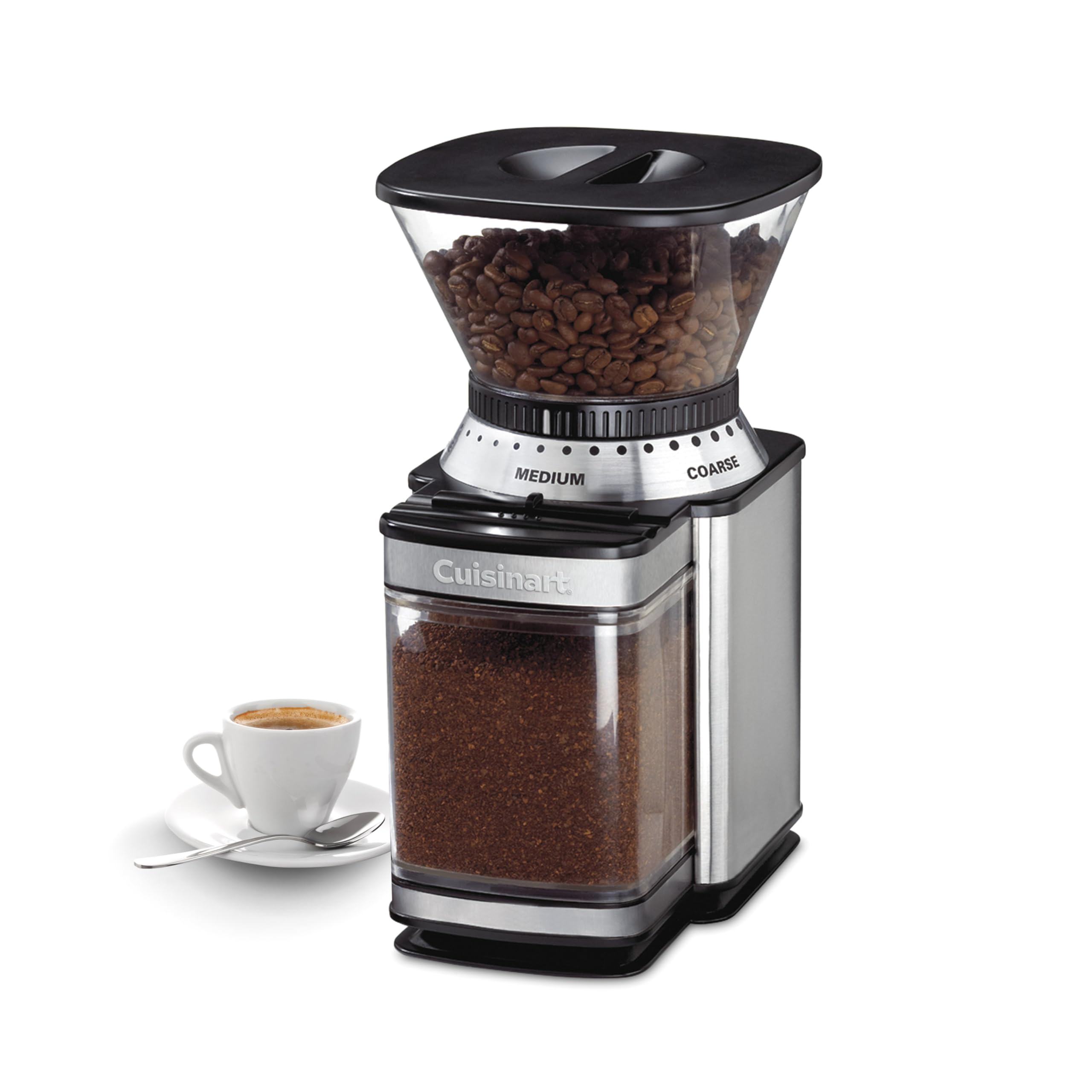
Stop paying more: Diminishing returns kick in sharply above $60. The Cuisinart’s 18 grind positions and auto‑shutoff timer are as good as grinders costing twice as much.
When to upgrade: Ready for espresso or single‑dose precision? Move to a conical burr grinder with micro‑adjustments, around $100.
Premium ($70 – $100+)
$70 – $100+OXO Brew Conical Burr Coffee Grinder
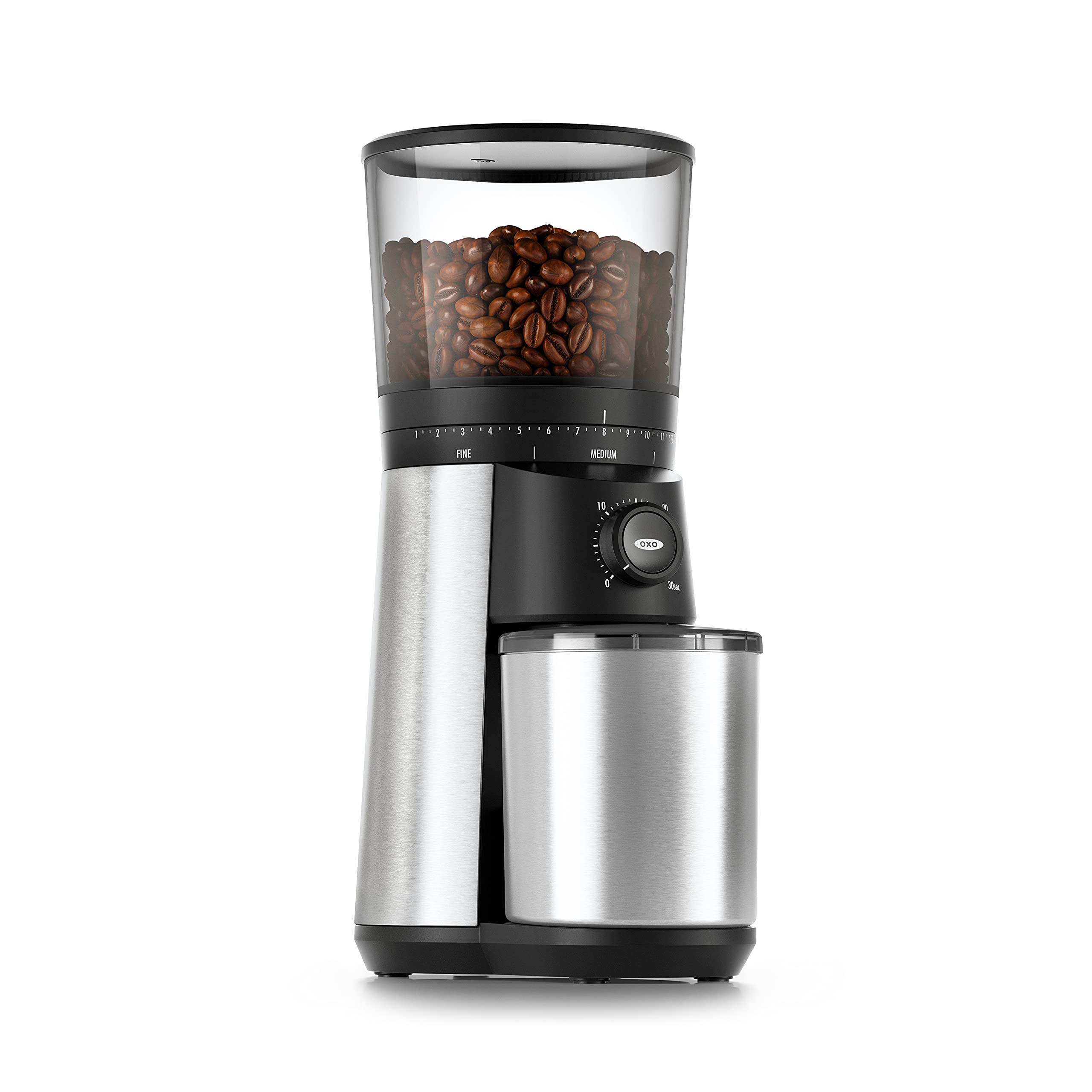
Stop paying more: Above $100, gains are marginal for most home users. The OXO’s stainless conical burrs and UV‑blocking hopper deliver pro‑level consistency without the pro price tag.
When to upgrade: For commercial‑grade grinders with worm‑gear adjustments, explore specialty brands like Baratza or Fellow — but expect to pay $200+.
Common Mistakes to Avoid
Buying a blade grinder for espresso
Blade grinders can’t produce the fine, uniform powder required for espresso extraction. Shots will be sour or watery even with fresh beans.
Cost of getting it wrong: Wasted beans and frustration — you’ll likely rebuy a burr grinder within a month.
Ignoring capacity
A 2‑oz grinder won’t handle a full 12‑cup pot without multiple cycles. Check your typical brew volume and match.
Cost of getting it wrong: Time wasted re‑grinding, and uneven batches ruining your pot.
Overpaying for extra wattage
Wattage is not a proxy for grind quality. A 200W well‑designed motor can outperform a noisy 500W unit with poor burr alignment.
Cost of getting it wrong: Spending $20–$40 more for “power” that doesn’t improve your brew.
Skipping regular cleaning
Coffee oils build up, causing stale flavors and clogged burrs. Even blade grinders need a weekly wipe‑down.
Cost of getting it wrong: Shortened lifespan and consistently off‑tasting coffee.
Find Your Match
What’s your primary brew method?
Frequently Asked Questions
Which coffee grinder is best for French press?
A burr grinder set to a coarse setting is ideal — the Cuisinart DBM‑8P1 offers 18 positions and a consistent coarse output. Blade grinders can work, but they produce fines that muddy the press. For the cleanest cup, OXO’s conical burr grinder provides even coarser options.
What’s the difference between blade and burr grinders?
Blade grinders chop beans with a spinning metal blade, resulting in uneven particles. Burr grinders crush beans between two abrasive surfaces, delivering uniform consistency. Burrs are better for extraction control and essential for espresso. Expect to pay at least for a decent burr grinder.
How much should I spend on a coffee grinder?
Under $30 for a reliable blade grinder like the KRUPS, $50–$70 for an entry‑level flat burr (Cuisinart), and $100+ for a premium conical burr (OXO). Spend proportionally to your brew method; espresso demands the best grinder, while drip coffee is forgiving.
Do I need a burr grinder for espresso?
Yes. Espresso extraction requires a fine, consistent grind that blade grinders cannot deliver. The Cuisinart flat burr grinder is the minimum viable option; for true dial‑in control, the OXO conical burr with micro‑adjustments is better.
Can I grind spices in my coffee grinder?
Blade grinders handle spices well — the KRUPS and BLACK+DECKER are popular for multi‑purpose use. Dedicate one grinder for coffee to avoid flavor transfer. Burr grinders are harder to clean of oily spices and not recommended.
What’s the best quiet coffee grinder?
The Hamilton Beach Fresh Grind is advertised as quieter than leading competitors, and the BLACK+DECKER is also noted for lower noise. Burr grinders are generally louder; look for DC motors in premium models to reduce the screech.
How do I clean a coffee grinder?
For blade grinders, wipe the bowl with a damp cloth after each use and deep‑clean weekly with uncooked rice. Burr grinders need brushing and occasional disassembly. The Hamilton Beach’s removable bowl is dishwasher‑safe, a major convenience.
How we wrote this guide
Synthesized from 6 finalists and 243,217 verified buyer reviews. We compared blade vs. burr, capacity, noise, and grind consistency across price points. Prices update weekly from Amazon.
About this guide
Mubboo Editorial Team. Picks based on comparison of verified user reviews and manufacturing specifications. Prices update weekly from Amazon.