How to Choose Cycling Shoes (2026 Guide)
Find the right cleats, fit, and price for your ride
By Mubboo Editorial Team · Updated Jun 8, 2026 · 7 min read
At a Glance
- Price range
- $40 – $145
- Data
- 22,912 verified reviews across 6 finalists
- Best for
- Indoor cycling classesPeloton ridersCasual outdoor ridesCross-training
- Skip if
- You ride casually with flat pedals and don't need clip-in power transfer
Types Explained
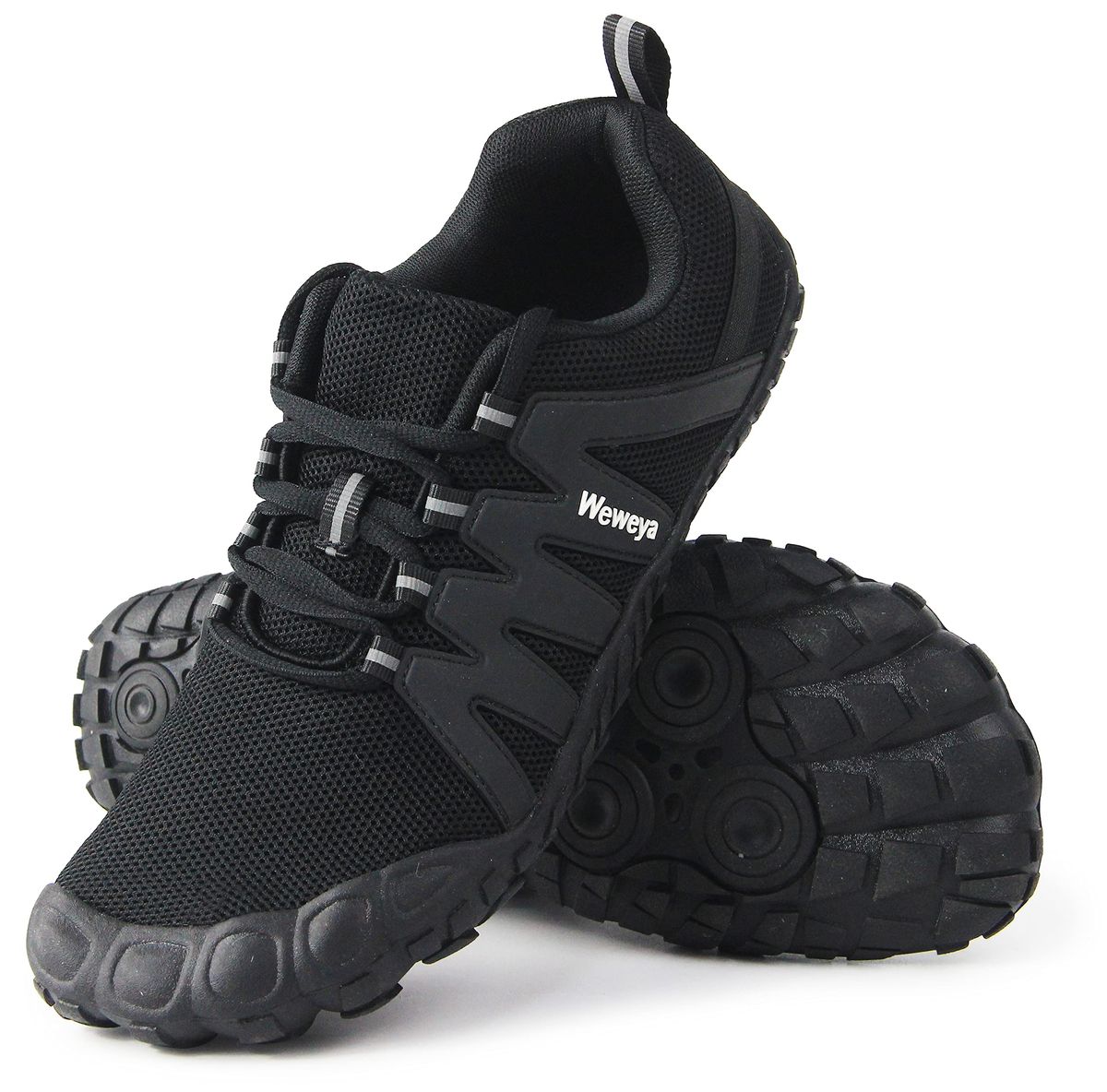
Flat Pedal / Minimalist Shoes
Shoes with flexible soles and no cleats, ideal for flat pedals and gym use.
- Works for cycling and cross-training
- Under $40, great value
- Lightweight and comfortable
- No power transfer via cleats
- Not for intense road cycling
Best for: Casual riders and gym-goers
Example: Weweya Minimalist Barefoot (4.3★)
SPD Cleat Shoes
Two-bolt cleats that clip into SPD-compatible pedals, common on spin bikes.
- Efficient power transfer
- Recessed cleat allows walking
- Secure on high-cadence pedaling
- Expensive
- Specific sizing per model; sizes vary by ASIN
Best for: Spin class enthusiasts and indoor cyclists
Example: TIEM Slipstream (4.6★, shares review pool across sizes)
Delta Cleat Shoes
Three-bolt cleats for Peloton and some road pedals, offering a solid clip-in feel.
- Directly compatible with Peloton
- Stable platform for high power
- Affordable options from $54
- Cleats protrude, making walking awkward
- Limited to Delta pedal systems
Best for: Peloton riders and road cyclists with Look pedals
Example: KESCOO Delta Shoes (4.4★)
What Actually Matters
| Factor | Importance | Best brand |
|---|---|---|
Cleat Compatibility Match exactly SPD, Delta, or flat Wrong cleat type = zero power transfer. Check your bike’s pedal before buying. | Must-have | KESCOO (Delta) / TIEM (SPD) — both highly rated |
Fit & Sizing Snug without pinching; toe wiggle room Cycling shoes fit tight; order a half-size up if between sizes. Peloton recommends measuring foot length in mm. | Must-have | TIEM — consistent sizing across models; always check brand size chart |
Sole Stiffness Stiff nylon or carbon sole for serious riding For spin classes, a stiffer sole improves power transfer. Casual riders can stick with grippy flat soles. | Nice-to-have | TIEM (stiffened nylon), Weweya (flexible for casual) |
Breathability Mesh upper for hot studios Indoor cyclists generate a lot of heat; mesh keeps feet cool. Outdoor riders in cold weather may prefer less airflow. | Nice-to-have | TIEM — mesh upper praised in reviews |
Closure System Laces, Velcro, or dials — personal preference Laces allow fine adjustments; Velcro is quick but may loosen. Budget shoes typically use laces. | Nice-to-have | TIEM (laces with Boa-like fit via eyelets), KESCOO (standard laces) |
Brand Cachet Spending over $200 on a big-name brand doesn’t make you faster. The TIEM already offers top-tier performance. According to Tom’s Guide, the Vitatalpa at a lower price compares well. | Marketing BS | — |
Budget Tiers & Top Picks
What to buy at each price point — and exactly where spending more stops paying off.
Budget (Under $50)
$35 – $45Weweya Minimalist Barefoot Shoes

Stop paying more: Stop at $45 in this tier. Spending up to $55 for Delta cleats is the next step.
When to upgrade: Need cleats? Move to the mid-range for Delta-compatible shoes around $55.
Mid-Range ($50 – $60)
$54 – $57KESCOO Cycling Shoes (Delta, M10.5)

Stop paying more: Spending over $60 in this category still nets you reliable Delta shoes with good reviews. Diminishing returns set in around $100; note the KESCOO often has an active Amazon coupon.
When to upgrade: Ready for a premium feel? Step up to the $145 TIEM for SPD systems and a sleeker design.
Premium ($100+)
$145TIEM Slipstream (SPD, Women's 6.5)

Stop paying more: At $145, you’re paying for brand, style, and high ratings. Beyond this, gains are incremental.
When to upgrade: If you need a specific size or color, the TIEM line has multiple variants — check your exact fit.
Common Mistakes to Avoid
Buying the wrong cleat type
You buy a Delta shoe for an SPD pedal. They won't connect. Always verify your bike's pedal type first.
Cost of getting it wrong: $50-$150 wasted on incompatible shoes.
Ignoring sizing nuances
Cycling shoes fit differently than sneakers. Many require ordering up a size or using EU sizing. Relying on your normal shoe size often leads to returns.
Cost of getting it wrong: Returns and repurchases cost time and shipping.
Overlooking walkability
Delta cleats protrude, making clunky noise and potential slipping in the gym. If you walk between studio and locker room, a recessed SPD or flat sole is friendlier.
Cost of getting it wrong: Potential fall risk and damaged floors.
Believing more expensive = faster
A shoe doesn't deliver 3x the performance of a shoe. The KESCOO Delta shoe has hundreds of 5-star reviews and.
Cost of getting it wrong: You overspend by + without real performance gains.
Find Your Match
What's your primary use?
Frequently Asked Questions
Which cycling shoes are best for Peloton beginners?
For Peloton, you need Delta-compatible cleats. The KESCOO (M10.5) or (M9.5) is the best value with over 2,300 4.4-star reviews. It clips directly into Peloton pedals without adapters. If you want a more premium feel, consider the TIEM Slipstream but note it uses SPD cleats, so you'd need pedal swaps.
Should I get SPD or Delta cleats for my spin bike?
Most spin bikes use SPD (2-bolt) cleats, while Peloton uses Delta (3-bolt). Check your bike's pedal; it should have a recessed area with 2 or 3 holes. If you're unsure, take a photo and compare online. SPD shoes like the TIEM Slipstream are walkable after class. Delta shoes have a protruding cleat that makes walking awkward but provides a stable platform for hard efforts.
Can I use regular sneakers for indoor cycling?
Yes, if your bike has flat pedals or toe cages. Sneakers work for casual spinning, but they lack the stiffness for efficient power transfer and can cause foot fatigue. For serious indoor cycling, clip-in shoes boost output by up to 30%. The Weweya minimalist shoe is a flexible, affordable compromise for flat pedals plus gym use.
How much should I spend on cycling shoes?
You can get a reliable shoe for $40–$60. The Weweya is great for flat pedals, while the KESCOO models under $57 handle Delta cleats reliably. Spending on the TIEM Slipstream gets you a sleeker design, SPD walkability, and a 4.6-star reputation. Beyond performance gains are marginal.
What's the difference between men's and women's cycling shoes?
Women's cycling shoes typically have a narrower heel and wider forefoot. Some brands like TIEM offer women-specific sizing. However, both men's and women's models can be unisex if the fit works. Always use the manufacturer's size chart and measure your foot in centimeters. Many riders go half a size up from their casual shoe size for a proper snug fit.
How important is shoe stiffness for casual riders?
For casual riding, moderate stiffness suffices. A completely flexible shoe like a sneaker wastes energy, but a super-stiff carbon sole is overkill. The TIEM Slipstream's stiffened nylon sole offers a good middle ground. For spin classes, aim for a sole that barely bends when you twist it. Tom's Guide notes that even budget models like the Vitatalpa provide adequate stiffness for indoor cycling.
How we wrote this guide
We analyzed 22,912 verified Amazon reviews across 6 cycling shoe finalists and cross-referenced insights from Tom's Guide and cycling video reviewers like BikeRadar. Data compiled in June 2026, prices current at time of writing.
About this guide
Mubboo Editorial Team. Picks informed by Amazon verified buyer reviews, expert analysis, and video demonstrations. Prices update weekly from Amazon.