Diabetes Care Buying Guide 2026: Blood Glucose Monitors, Test Strips & Diabetic Socks
What actually differs between a box of test strips and a full monitor kit — and why sock fit matters as much as your meter reading.
By Mubboo Editorial Team · Updated Jul 1, 2026 · 7 min read
At a Glance
- Price range
- $12 – $29
- Data
- 128,000+ verified reviews analyzed across 6 finalists
- Best for
- Daily blood sugar monitoringNeuropathy and circulation supportDiabetic foot care
- Skip if
- You need a prescription continuous glucose monitor — this guide covers over-the-counter test kits and socks, not CGMs
Types Explained
Blood Glucose Meter Kits
A handheld meter plus test strips and lancets bundled together, giving you everything needed to start checking blood sugar.
- Everything in one box for first-time buyers
- Lower per-test cost when strips are included
- No prescription required for over-the-counter meters
- Proprietary strips mean you're locked into that meter's refills
- Accuracy varies more between brands than most buyers expect
Best for: Anyone starting home blood sugar monitoring or replacing an aging meter
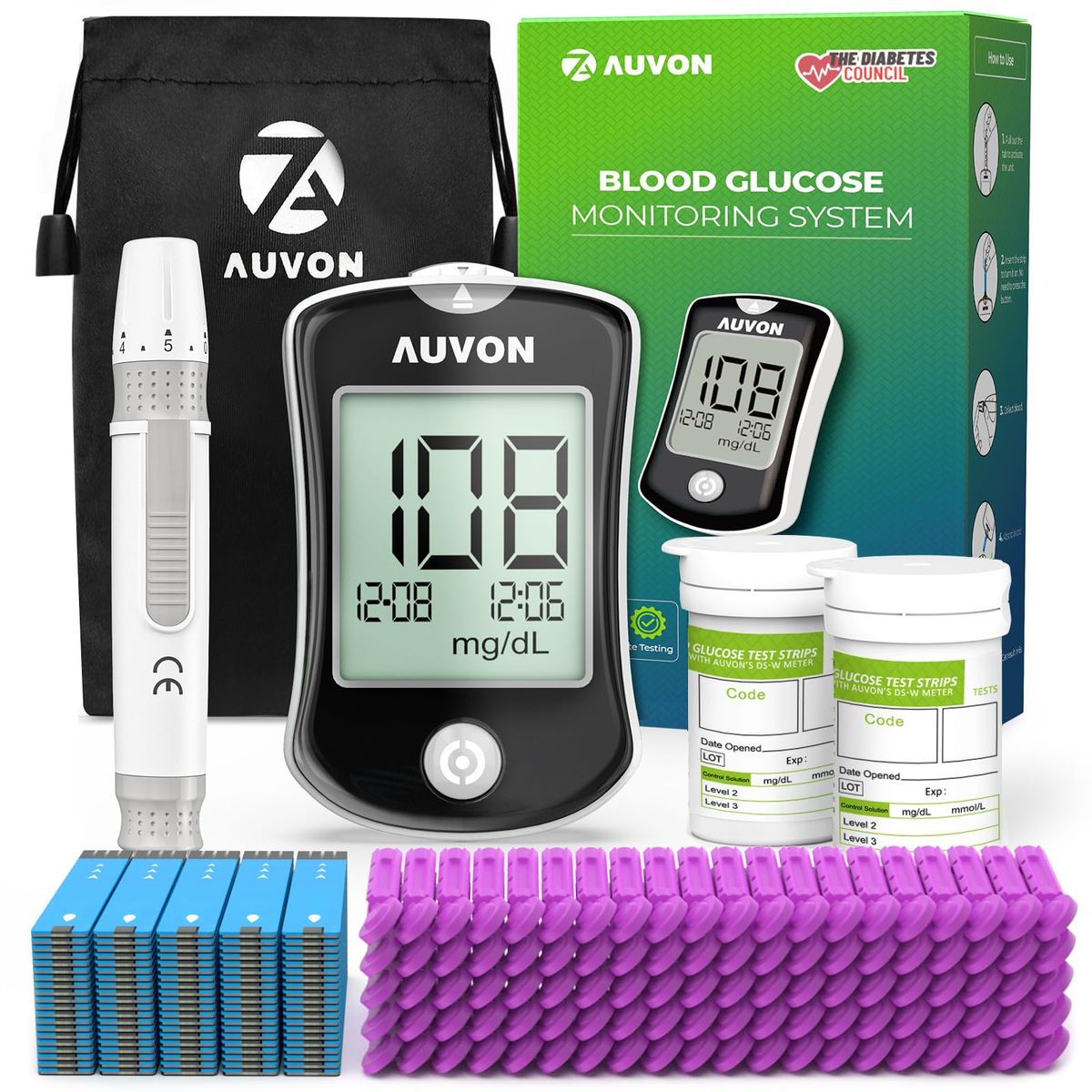
Example: AUVON Blood Glucose Monitor Kit
Test Strips (Consumable Refills)
The single-use strips a meter reads to measure blood glucose — the ongoing cost of monitoring, not a one-time purchase.
- Cheaper per-box than buying a new meter kit
- Buying in bulk lowers cost per test
- Only work with a matching meter brand
- Expire — check the date before buying in bulk
Best for: Anyone who already owns a meter and needs refills
Example: TRUE METRIX Blood Glucose Test Strips
Diabetic Socks
Non-binding socks with no tight elastic band at the top, designed to avoid restricting circulation in the lower leg and foot.
- Reduces constriction marks and pressure points
- Seamless-toe options reduce friction for sensitive feet
- Moisture-wicking materials help manage foot moisture
- Won't correct an existing circulation problem — see a doctor for that
- Fit varies more by brand than standard socks
Best for: Anyone managing neuropathy, swelling, or sensitive feet
Example: Falari Physicians Approved Diabetic Socks
What Actually Matters
| Factor | Importance | Best brand |
|---|---|---|
Meter accuracy standard (ISO 15197) Look for meters that state compliance with ISO 15197 accuracy standards Accuracy claims should be verifiable on the package or manufacturer spec sheet, not just marketing language. | Must-have | AUVON and TRUE METRIX both publish ISO 15197 compliance |
Strip cost per test (long-term cost) Calculate cost-per-strip, not just the box price — refills are the real ongoing expense A cheap meter with expensive proprietary strips can cost more over a year than a pricier meter with cheap refills. | Must-have | TRUE METRIX strips are among the lower-cost-per-test options in this list |
Sock seam construction (seamless toe) Seamless or smooth toe-closure construction for anyone with neuropathy or sensitive skin A rough toe seam is a common source of blister complaints in reviews for standard, non-diabetic socks. | Must-have | Dr. Scholl's and Falari both offer non-binding, low-seam constructions |
Lancet gauge (thinner needle = less pain) A higher gauge number means a thinner lancet needle, which most daily testers report as less painful. | Nice-to-have | — |
'Copper-infused' or 'far-infrared' sock claims No independent clinical evidence supports circulation or healing claims tied to copper or infrared fabric infusions. | Marketing BS | — |
'Hospital grade' labeling on socks There's no regulated definition of 'hospital grade' for over-the-counter socks — it's a marketing phrase, not a certification. | Marketing BS | — |
Budget Tiers & Top Picks
What to buy at each price point — and exactly where spending more stops paying off.
Diabetic Socks (Multi-Pack)
$12 – $20Falari Physicians Approved Diabetic Socks (12-Pack)

Stop paying more: A 12-pack at this price covers a full week of daily wear. Paying more here buys pattern variety, not better circulation support.
When to upgrade: Need blood sugar monitoring too? Step up to a meter kit tier.
Test Strip Refills
$14 – $18TRUE METRIX Self Monitoring Blood Glucose Test Strips (50 Count)
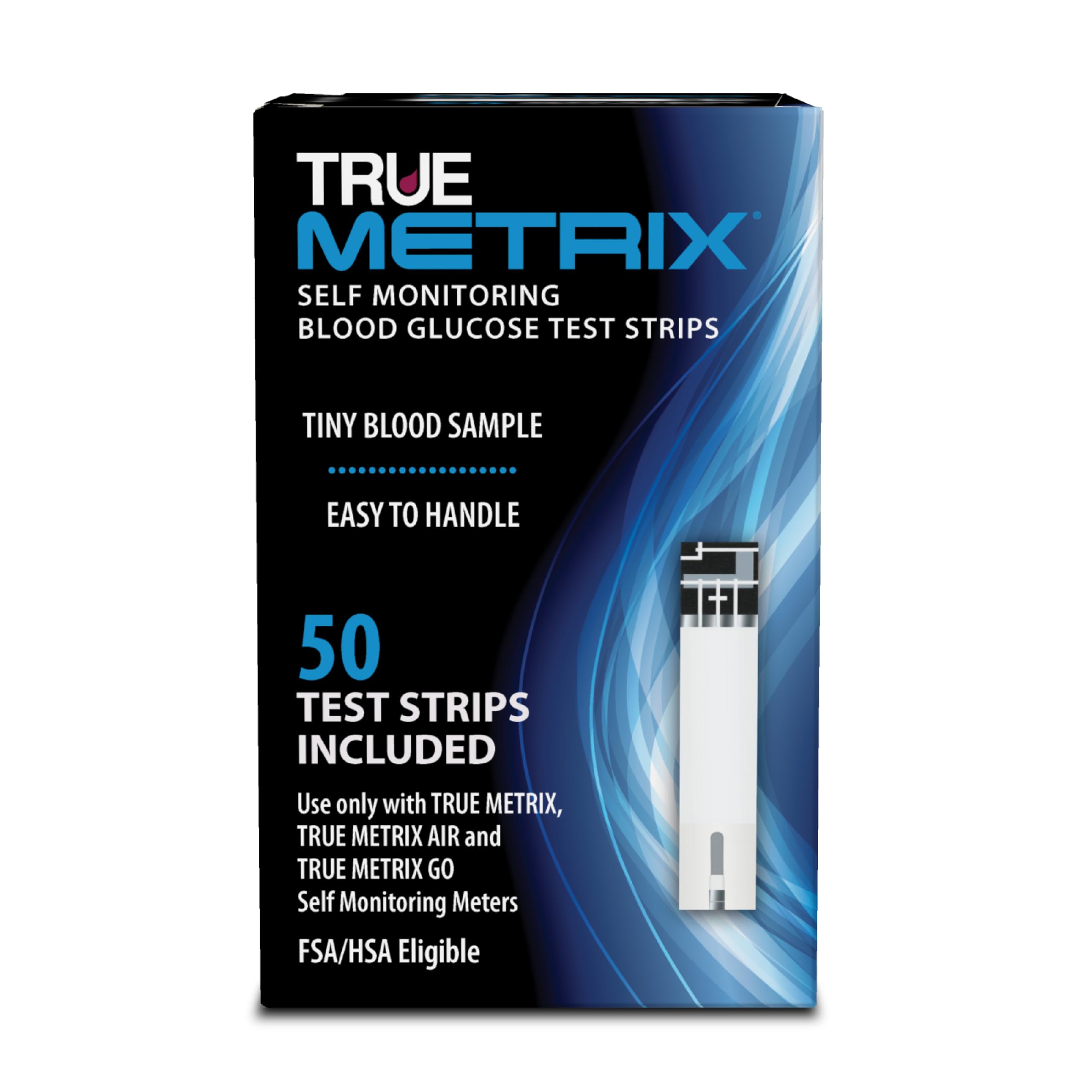
Stop paying more: Refill strips are the recurring cost of monitoring — this tier reflects a fair per-test price for a 50-count box.
When to upgrade: Buying strips every month? A bulk multi-box case usually lowers the cost per test further.
Complete Monitor Kit
$25 and upAUVON Blood Glucose Monitor Kit
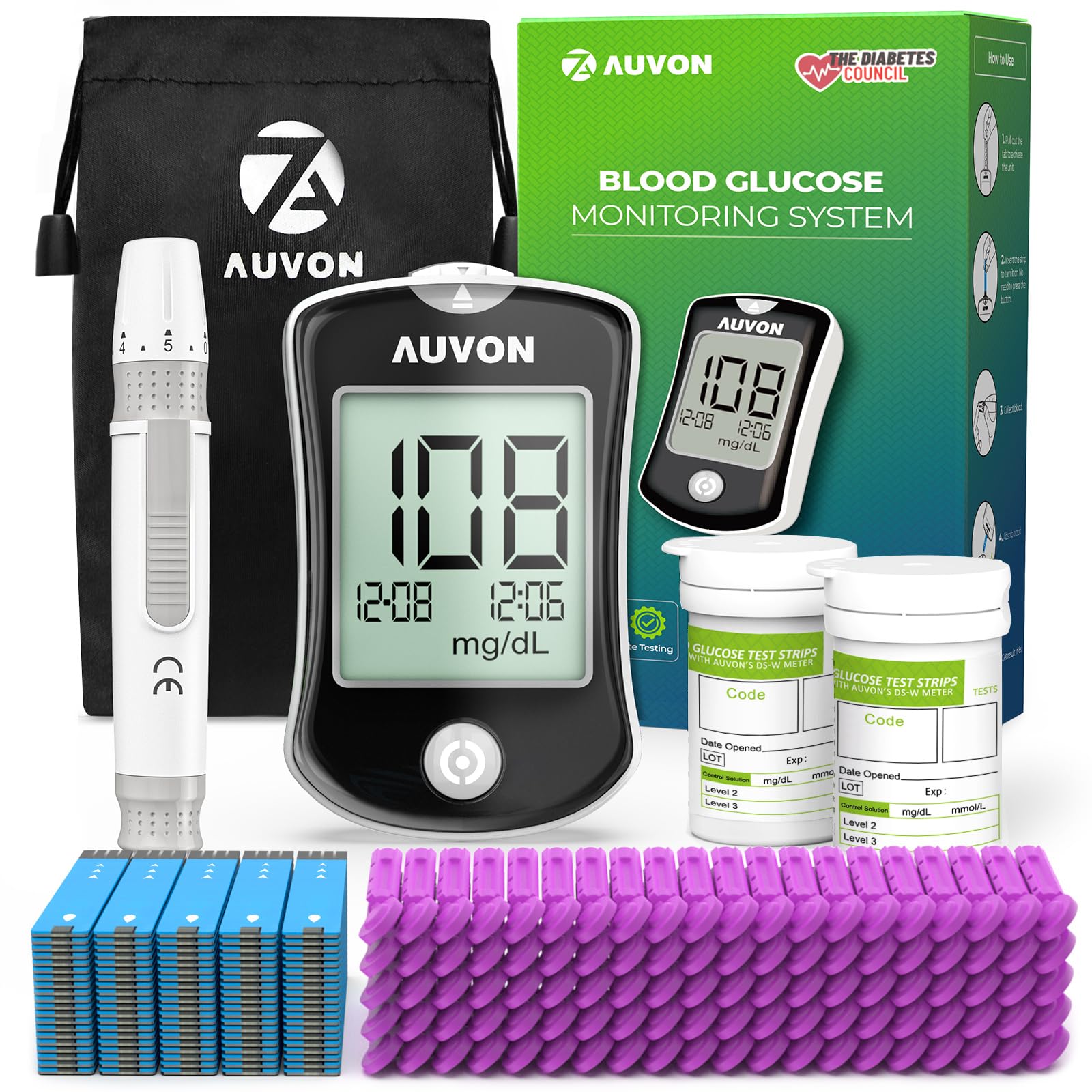
Stop paying more: A complete kit at this price includes 100 strips and 100 lancets — a full quarter of daily testing before you need refills.
When to upgrade: Beyond this tier, extra spend mostly buys Bluetooth or app connectivity, not more accurate readings.
Common Mistakes to Avoid
Buying a meter without checking strip availability and price
Some budget meters use proprietary strips that are hard to find or expensive to reorder, turning a cheap meter into an expensive habit.
Cost of getting it wrong: Higher long-term cost than a slightly pricier meter with cheap, widely available strips
Choosing socks by 'copper-infused' or 'far-infrared' marketing claims
These claims aren't backed by independent clinical evidence — fit, seam construction, and non-binding design matter far more for comfort and circulation.
Cost of getting it wrong: Paying a premium for a feature with no proven benefit
Ignoring lancet gauge for daily testers
Anyone testing multiple times a day should pick a thinner-gauge lancet — a thicker needle used repeatedly can make daily testing something people start avoiding.
Cost of getting it wrong: Reduced testing frequency, which undermines the whole point of monitoring
Assuming diabetic socks alone manage a circulation problem
Non-binding socks reduce constriction, but they don't treat neuropathy or poor circulation — persistent symptoms need a doctor's evaluation, not just a sock upgrade.
Cost of getting it wrong: Delayed medical care for a symptom that needed attention
Find Your Match
What are you shopping for?
Frequently Asked Questions
How much should I spend on diabetes care basics?
Diabetic socks run about $12-$20 for a multi-pack. Test strip refills cost around $14-$18 per box of 50, and a complete monitor kit with strips and lancets runs about $25-$30.
What should I avoid when buying blood glucose monitors or diabetic socks?
Avoid a meter without checking strip cost and availability first, and skip socks marketed mainly on 'copper-infused' or 'far-infrared' claims — neither has independent clinical support.
Are diabetic socks different from regular socks?
Yes — they're built without a tight elastic band at the top and often have a seamless toe closure, reducing constriction and friction points that regular socks don't address.
Do I need a prescription to buy a blood glucose meter?
No — over-the-counter blood glucose meters and test strips don't require a prescription. Continuous glucose monitors (CGMs) typically do.
How often should I replace lancets?
Manufacturers generally recommend a fresh lancet for every test, since a dull needle causes more pain and a higher infection risk with reuse.
Can diabetic socks replace medical treatment for foot problems?
No — they help reduce constriction and friction, but persistent numbness, swelling, or wounds need evaluation from a doctor or podiatrist, not just a sock change.
How we wrote this guide
Synthesized from 6 finalists and 128,000+ verified Amazon reviews across blood glucose monitors, test strips, and diabetic socks. Prices update weekly from Amazon.
About this guide
Mubboo Editorial Team. Picks based on comparison of accuracy claims, cost per test, and verified user reviews. This guide is educational and doesn't replace advice from your doctor or podiatrist.